Flan de Leche Traditional Flan: A Culinary Staple of Latin American Gastronomy

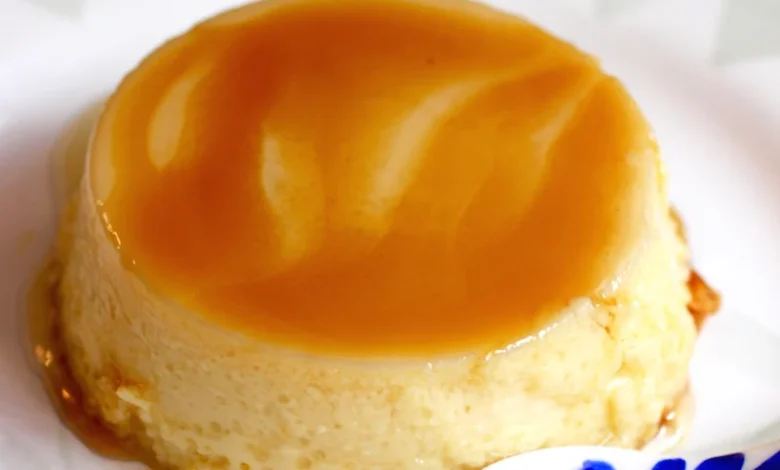
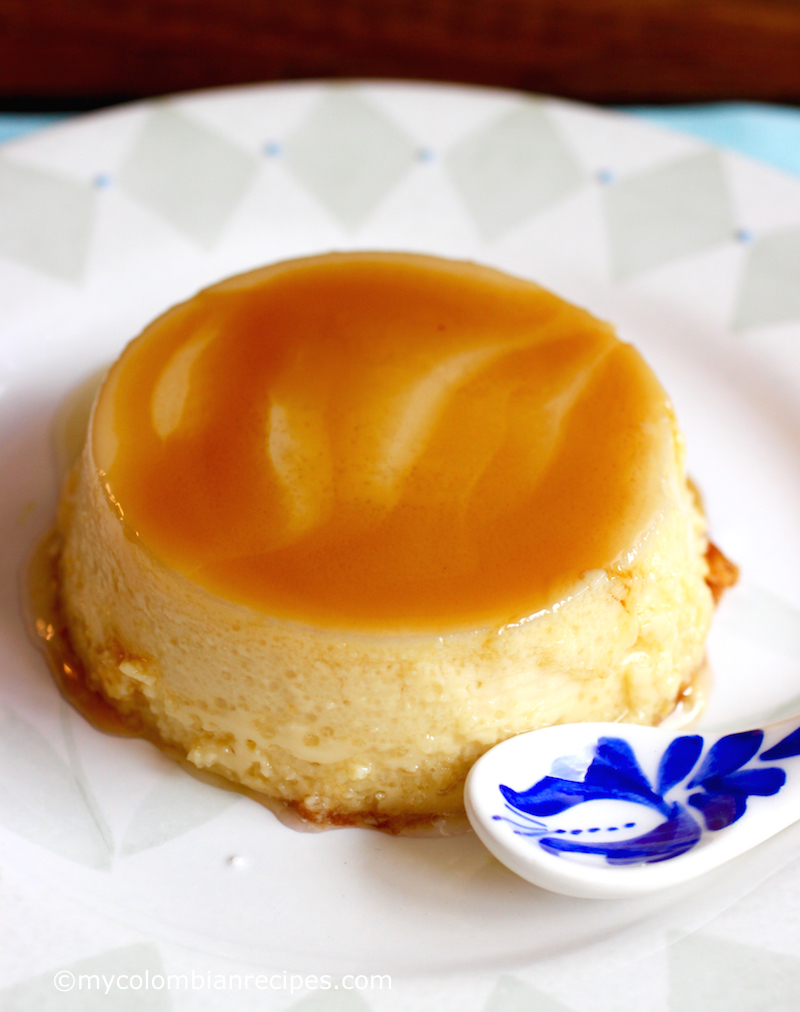
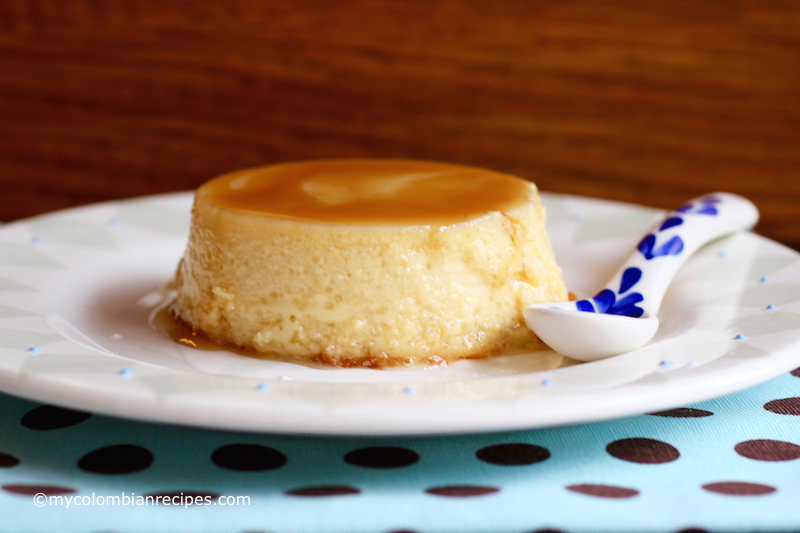
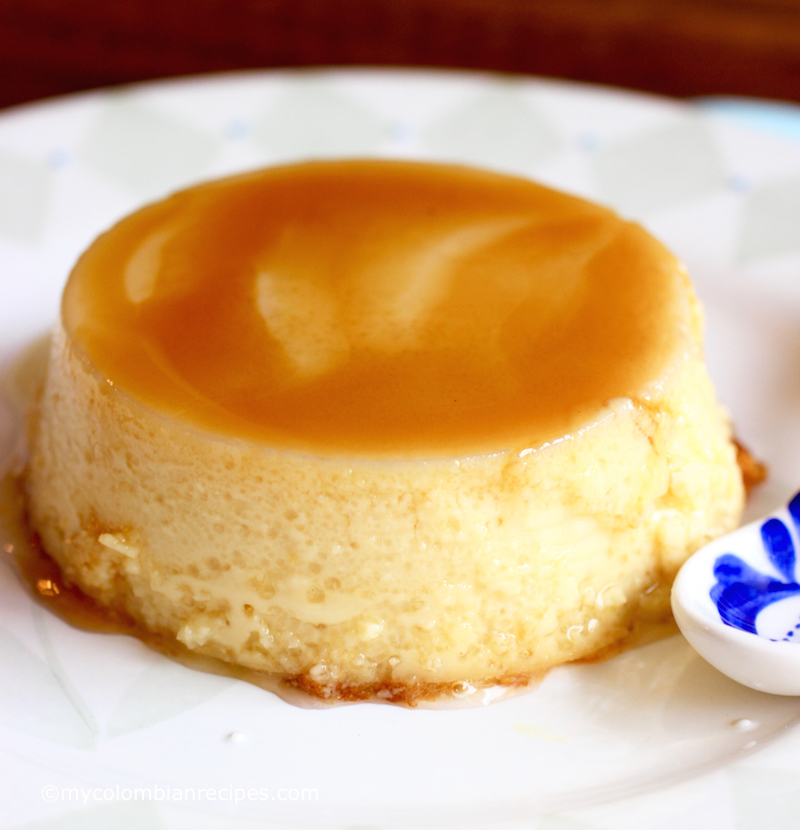
The global culinary landscape features a vast array of custard-based desserts, yet few possess the enduring cultural significance and technical elegance of flan de leche. A staple across Latin America and Spain, this dessert represents a fusion of historical European techniques and indigenous ingredients that have been refined over centuries. As a baked egg custard coated in a layer of clear caramel sauce, the dish serves as a primary example of how simplicity in ingredients can yield a sophisticated, universally recognized gastronomic product. While the recipe remains consistent in its foundational components, its regional variations continue to evolve, reflecting the diversity of the cultures that have embraced it as a centerpiece of celebrations and family gatherings.
Historical Origins and Cultural Evolution
The origins of flan can be traced back to the Roman Empire, where the preparation of egg-based custards—known as tyropatina—was a common practice. These early iterations were often savory, utilizing honey or pepper as flavoring agents rather than the sugar-based caramel that defines the modern version. As the Roman Empire expanded, the recipe spread throughout Europe, eventually reaching the Iberian Peninsula. During the Middle Ages, the Spanish adapted the dish, transitioning toward a sweeter profile and refining the caramelization process that gives the modern flan its characteristic golden hue and distinct flavor profile.
Following the Spanish colonization of the Americas, the recipe was introduced to the New World. Local populations integrated native ingredients and colonial staples, such as sweetened condensed milk, into the preparation. This addition, which became particularly prominent in the 19th and 20th centuries, transformed the texture and sweetness of the dessert, resulting in the creamy, dense, and rich consistency that is now synonymous with Latin American flan. Today, the dish is ubiquitous, found in everything from humble home kitchens to high-end restaurants in countries including Colombia, Mexico, Argentina, and Cuba.
Anatomy of a Classic Custard
The technical composition of flan de leche relies on the coagulation of proteins found in eggs. When subjected to controlled heat in a water bath, or bain-marie, the egg proteins form a semi-solid matrix that traps the liquid base—typically a mixture of milk, cream, and sugar. This process requires precision; if the temperature rises too quickly, the proteins tighten excessively, resulting in a grainy or "weeping" texture rather than the desired silky, smooth consistency.
The ingredient list for a traditional flan is remarkably concise, prioritizing quality over quantity:
- Whole eggs and egg yolks: These serve as the primary binding agents. The inclusion of extra yolks is a common technique to enhance the richness and mouthfeel of the custard.
- Dairy: While whole milk is the traditional base, the use of evaporated milk or heavy cream is common in contemporary recipes to increase fat content and ensure a stable, velvety structure.
- Sweetened condensed milk: This ingredient provides the signature sweetness and density that differentiates Latin American flan from its European counterparts, such as the French crème caramel.
- Caramel: Produced by the controlled heating of sucrose, this layer acts as both a flavor enhancer and a visual component.
Chronology of Preparation and Service
The preparation of flan is a time-intensive process that necessitates planning, which has contributed to its reputation as a preferred dish for large gatherings and events.
Phase 1: Caramelization (0–15 minutes). The process begins by heating granulated sugar—often with a small amount of water—until it reaches the "hard crack" stage and turns a deep amber color. This caramel is immediately poured into the bottom of a mold or individual ramekins, where it hardens as it cools.
Phase 2: Custard Preparation (15–30 minutes). The eggs, milk, cream, and sweeteners are whisked together. Care must be taken to avoid over-incorporating air into the mixture, as air bubbles can lead to a porous texture. The mixture is then strained to ensure a uniform consistency before being poured into the prepared molds.

Phase 3: Thermal Processing (60–90 minutes). The molds are placed in a water bath inside an oven set to a moderate temperature (typically 325°F to 350°F). The water bath regulates the heat, ensuring the exterior of the custard does not set before the center is cooked.
Phase 4: Tempering and Setting (2–24 hours). Once removed from the oven, the flan must be cooled to room temperature before being refrigerated. This period allows the custard to firm up properly. For optimal results, it is recommended to leave the dish in the refrigerator for at least several hours—or overnight—to allow the caramel to dissolve into a liquid sauce.
Broader Culinary Impact and Regional Variations
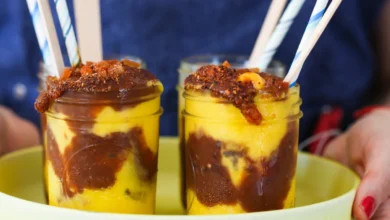
The versatility of the flan template has allowed for extensive regional and experimental variations. In Colombia, for example, the base recipe is frequently modified to incorporate tropical fruits. Pineapple flan, mango flan, and coffee-infused custard are common interpretations that leverage the country’s agricultural output. These variations demonstrate the adaptability of the classic custard base to different flavor profiles, further cementing its status as a foundational dessert in the region.
From an economic perspective, the popularity of flan in the restaurant industry is largely attributed to its "make-ahead" nature. Because the dish requires a significant resting period to achieve the correct texture, it is an ideal candidate for batch preparation. This efficiency allows commercial kitchens to manage labor costs and service timing more effectively than with desserts that require assembly at the time of service.
Nutritional and Dietary Considerations
While celebrated for its flavor, flan is a calorie-dense dessert. A standard serving typically contains approximately 500 to 600 calories, with a significant portion derived from refined sugars and dairy fats. The high protein content from the eggs provides a degree of satiety, yet the sugar content remains a focal point for those monitoring glycemic intake. For many, however, the cultural significance of the dish outweighs these nutritional considerations, as it remains a symbol of hospitality and communal sharing.
Professional Culinary Standards and Best Practices
Expert bakers and pastry chefs emphasize several critical factors in the production of a "perfect" flan. The use of an electric mixer or a high-speed blender is often debated; while a blender is efficient at emulsifying the ingredients, it introduces excess air, which can be detrimental to the final texture. Many professionals prefer the manual or slow-speed electric mixing approach to maintain a dense, smooth finish.
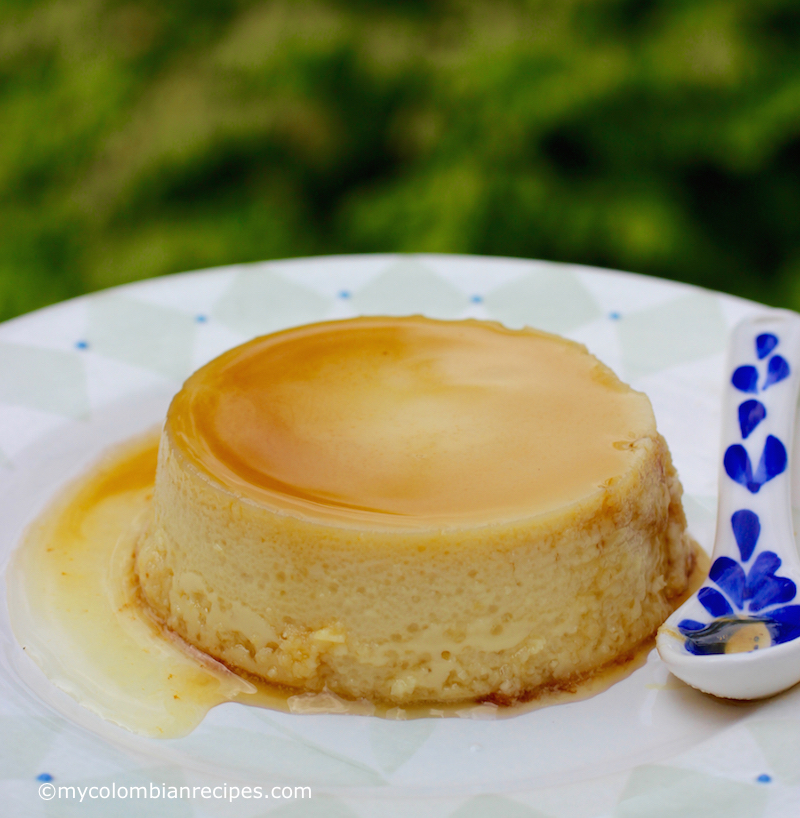
When it comes to the crucial step of unmolding, the technique is as much an art as it is a science. The use of a thin, flexible blade to loosen the edges of the custard from the mold is essential. The subsequent inversion—placing a plate over the mold and flipping it with a single, confident motion—is the definitive moment of the service. If executed correctly, the caramel cascades over the sides of the custard, creating a visually striking presentation that has defined the dessert for generations.
The enduring appeal of flan de leche lies in its ability to bridge the gap between historical tradition and modern culinary expectations. As global palates continue to seek comfort in classic, time-tested recipes, the demand for this rich, caramel-topped custard shows no signs of waning. Whether served in a formal setting or as a simple family dessert, it remains a testament to the enduring power of basic ingredients transformed by heat and technique into something truly exceptional.
Related posts: