The Evolution of Global Fusion Cuisine: The Rise of the Colombian Arepa Burger

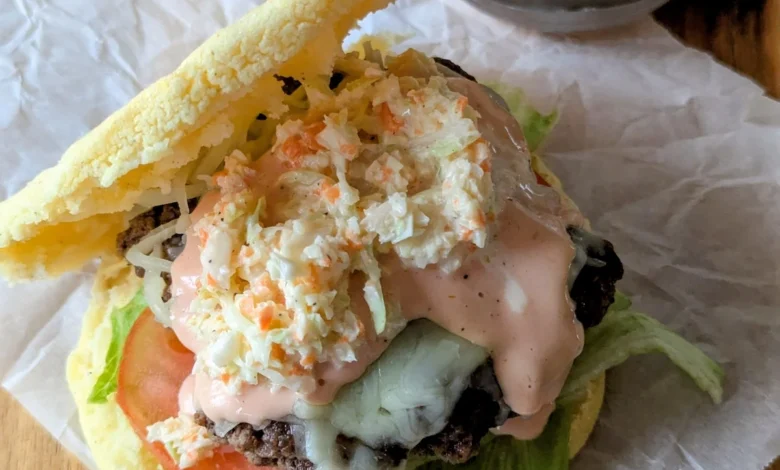
The fusion of traditional South American staples with global fast-food culture has reached a significant milestone with the mainstream adoption of the Colombian arepa burger. This culinary innovation replaces the conventional wheat-based hamburger bun with the arepa, a pre-cooked cornmeal patty that has been a cornerstone of Colombian and Venezuelan gastronomy for centuries. As international food trends move toward gluten-conscious dining and the exploration of regional Latin American flavors, the arepa burger has transitioned from a home-kitchen experiment into a recognized fixture within the modern culinary landscape.

Historical Context and Cultural Significance
The arepa itself holds a deep-rooted cultural significance, with archaeological evidence suggesting that indigenous populations in the northern regions of South America were cultivating maize as a primary food source as early as 3,000 years ago. Historically, the arepa was a daily necessity, serving as a versatile bread substitute that could be grilled, baked, or fried.
The integration of the burger—a quintessentially American dish—into this tradition represents a deliberate intersection of cultures. While the standard hamburger became a global symbol of mid-20th-century American convenience, the arepa burger serves as a localized adaptation. This movement mirrors broader trends in the hospitality industry where chefs are increasingly utilizing ancestral grains and traditional preparations to offer unique, texturally diverse alternatives to standard white-flour buns.

The Mechanics of the Arepa Burger
At its core, the arepa burger is an engineering feat of flavor and texture. Unlike standard brioche or sesame buns, which are designed to absorb juices from the meat, the arepa provides a structurally sound, crispy exterior while maintaining a soft, dense interior. This contrast in texture is achieved through the use of precooked cornmeal, commonly known as masarepa.
From a culinary perspective, the preparation follows a rigorous, though accessible, timeline:

- Dough Preparation: The process begins with the hydration of cornmeal, which is mixed with water and a pinch of salt to form a consistent, pliable dough.
- Shaping: The dough is hand-formed into circular discs, typically ranging from one-half to three-quarters of an inch in thickness.
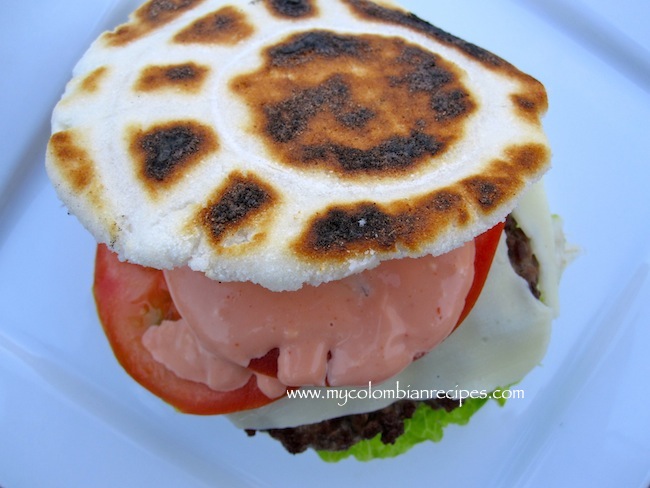
- The Sear: The patties are placed on a flat-top grill or cast-iron skillet. The Maillard reaction occurs on the surface of the corn, creating a golden-brown crust that prevents the patty from crumbling under the weight of the meat and toppings.
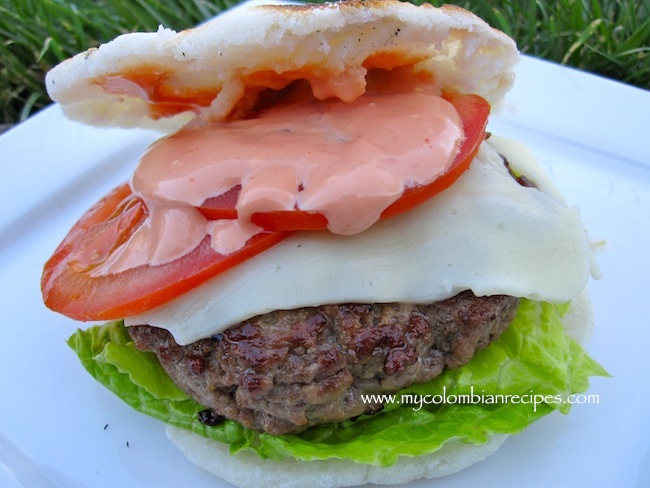
- Assembly: The burger is layered with traditional Colombian accompaniments, such as salsa rosada—a blend of mayonnaise and ketchup—alongside fresh tomatoes, crisp lettuce, and occasionally coleslaw, which adds a vinegar-based acidity that cuts through the richness of the beef.
Supporting Data and Market Trends
Market analysis indicates that the demand for "fusion-casual" dining has grown by approximately 15% annually over the last five years. Consumers are increasingly seeking out food experiences that offer both familiarity and novelty. The arepa burger fits this demographic requirement perfectly; it retains the recognizable profile of a burger while introducing the unique, earthy flavor of corn.
Nutritionally, the shift toward corn-based alternatives also addresses a growing consumer preference for gluten-free options. While a traditional burger bun is predominantly refined wheat, the arepa is naturally gluten-free, provided it is prepared in a controlled environment. According to recent food service industry reports, the rise of the arepa burger has been bolstered by the growth of fast-casual Latin American franchises that have successfully marketed these dishes as "gourmet" alternatives to traditional fast food.
Chronology of Adoption
The transformation of the arepa from a standalone breakfast or side dish to a vessel for protein began gaining significant traction in urban centers with large Latin American diasporas, such as Miami, New York, and London.
- Early 2000s: The concept began appearing in niche, family-owned restaurants as a creative way to cater to both local Colombian immigrants and curious local foodies.
- 2010–2015: Culinary influencers and food bloggers began documenting the process of creating "Arepa Burgers" at home, emphasizing the ease of preparation and the versatility of the toppings.
- 2018–Present: Fast-casual restaurant chains began incorporating arepa-based sandwiches into their menus, recognizing that the corn-based profile appeals to a wider demographic than traditional arepas filled only with cheese or meat.
Culinary Implications and Future Outlook
The success of this fusion dish has broader implications for how global food culture evolves. It demonstrates that the "burger" is no longer tied to a specific bread format, but is instead defined by the combination of a savory protein patty and a handheld vessel. This flexibility has opened the door for further innovation, with chefs now experimenting with other regional breads as potential burger carriers, such as the Venezuelan cachapa (a sweet corn pancake) or even flattened plantains (patacones).

Furthermore, the popularity of the arepa burger has contributed to the increased availability of high-quality, precooked cornmeal in mainstream grocery stores. This availability has democratized the dish, allowing for home cooks to recreate restaurant-quality meals with minimal equipment.
Analysis of the Impact on Local Gastronomy
Critics of fusion cuisine often argue that the dilution of traditional dishes can lead to a loss of cultural identity. However, proponents of the arepa burger argue that this evolution is a natural progression of culinary history. By incorporating the burger, the arepa has gained visibility on a global stage, potentially leading to greater interest in other traditional Colombian dishes such as hogao (a creole tomato and onion sauce) or ajiaco (a traditional potato soup).
The economic impact is also noteworthy. As demand for the specific ingredients required for high-quality arepas increases, there is a subsequent positive effect on the supply chains for Latin American staple goods. Producers are seeing higher demand for corn-based flours, which encourages agricultural stability in regions that have historically relied on corn as a primary crop.
Conclusion
The arepa burger is more than a fleeting food trend; it is a testament to the fluidity of modern gastronomy. By bridging the gap between traditional South American culinary practices and the global demand for versatile, convenient meals, it has cemented its place in the canon of fusion cuisine. As the industry continues to prioritize transparency, ingredient quality, and global flavor profiles, the humble arepa will likely continue to evolve, proving that the most successful culinary innovations are often those that honor their heritage while embracing the demands of the modern palate.

Whether served in an upscale urban bistro or a home kitchen, the arepa burger stands as a successful example of how local foodways can adapt and thrive in an interconnected world. The continued growth of this dish suggests that the future of dining lies in such thoughtful, hybrid creations that respect the history of the ingredients while providing a familiar and satisfying experience for the consumer.