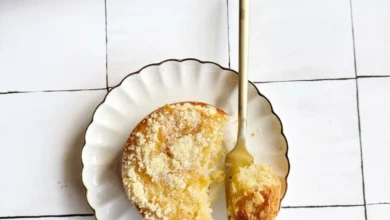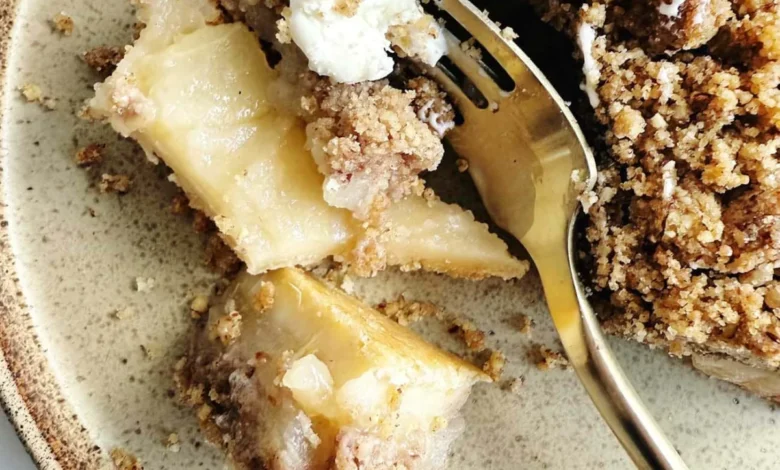
The culinary landscape of the American Midwest has long been shaped by independent coffeehouses and neighborhood bakeries, where recipes are developed, refined, and passed down through generations of professional pastry chefs. Among these enduring creations is a seasonal dessert that has quietly captured the hearts of autumn baking enthusiasts for more than twenty years: the Pecan Streusel Pear Tart. Rooted in the classic foundation of American home-cooking literature and perfected in the bustling kitchens of south Minneapolis, this recipe represents a harmonious intersection of traditional baking techniques and modern flavor profiling.
Origins and Culinary Evolution
The genesis of the Pecan Streusel Pear Tart dates back to the early 2000s, emerging from the vibrant culinary culture of south Minneapolis coffee shops. At the time, professional bakers sought ways to elevate traditional fruit tarts beyond standard pastry offerings, blending the comforting warmth of autumn spices with sophisticated textures. The original formulation drew significant inspiration from the authoritative text All About Pies & Tarts, a specialized spin-off publication from the enduring culinary manual Joy of Cooking.
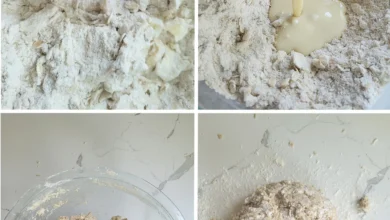
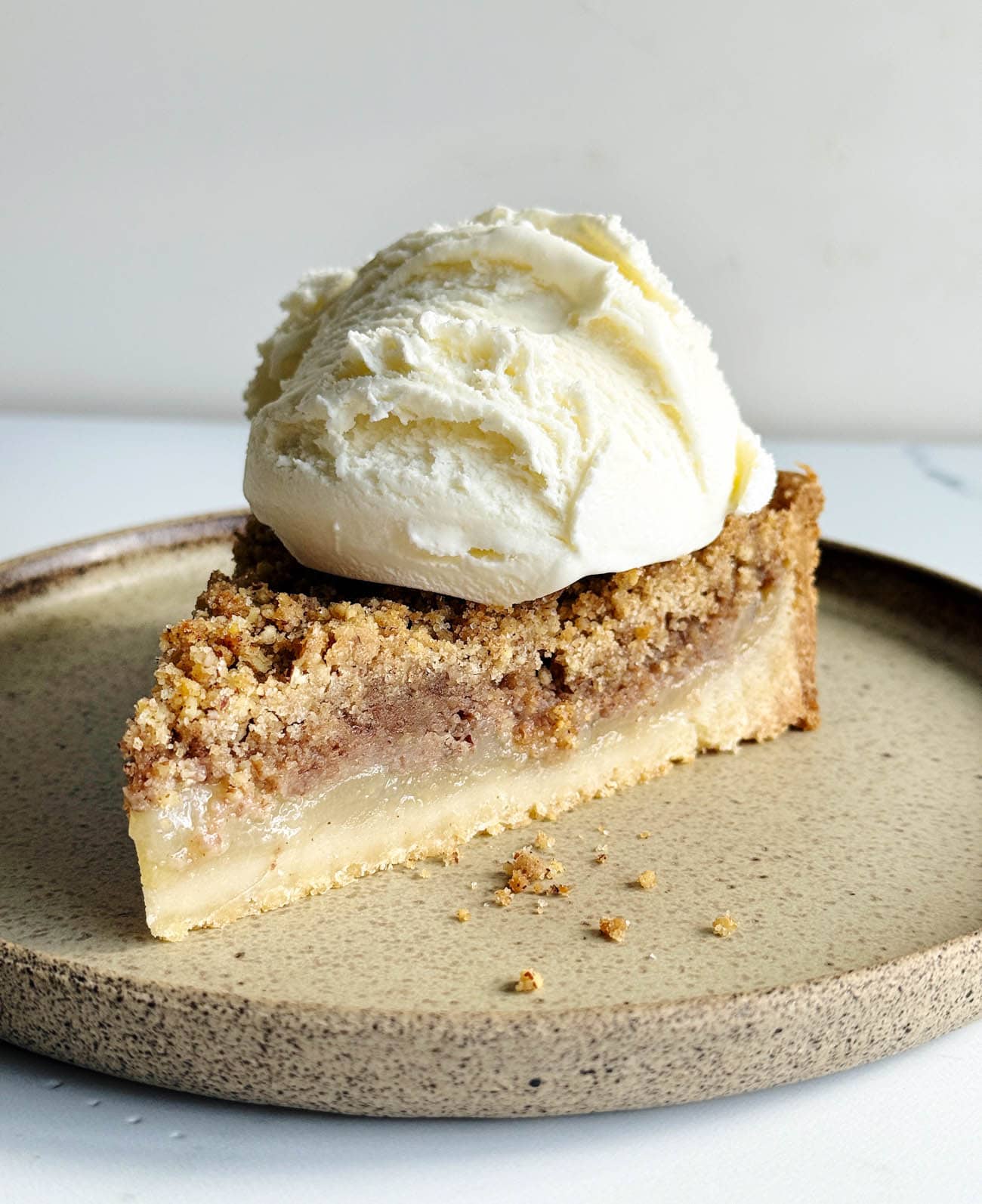
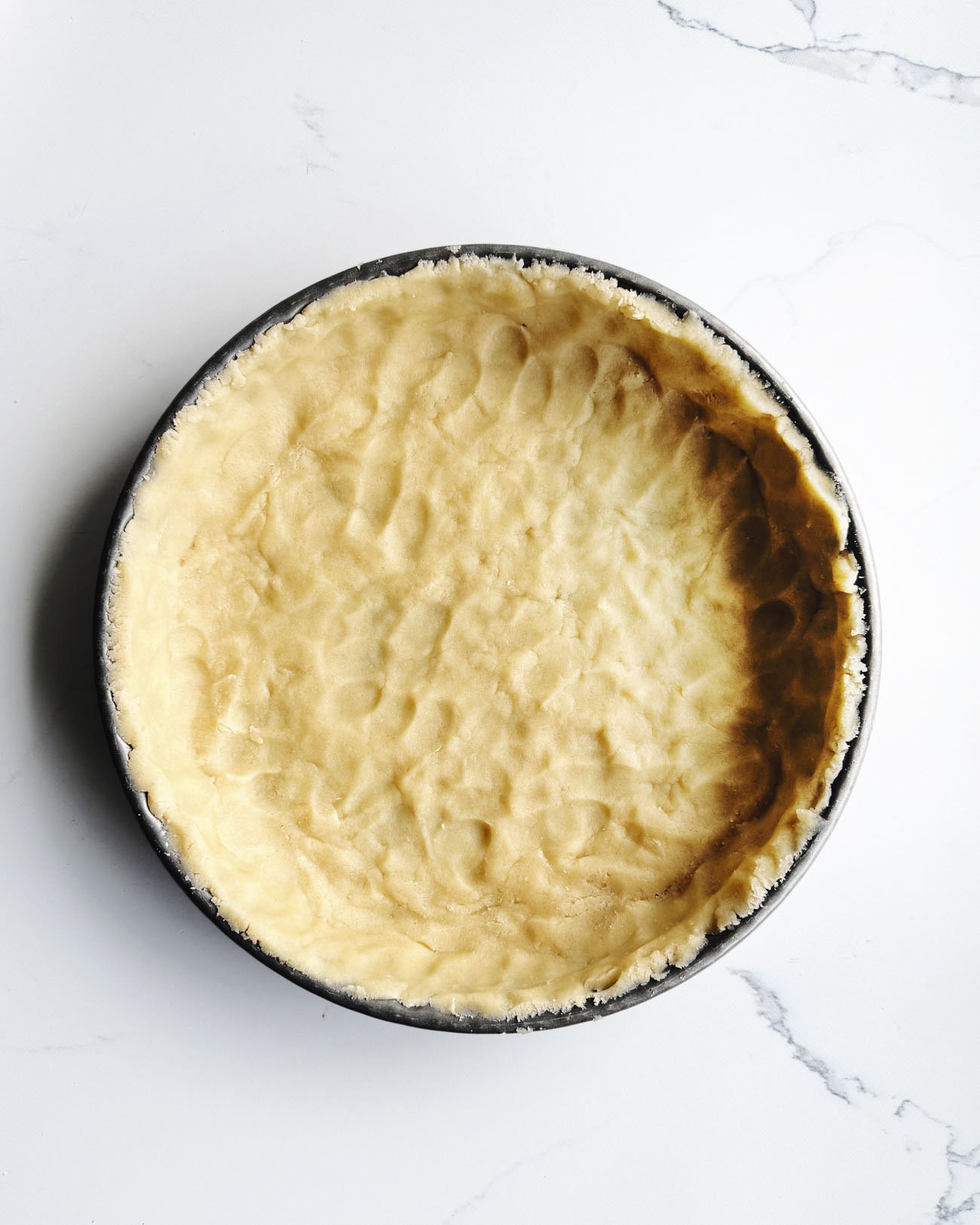
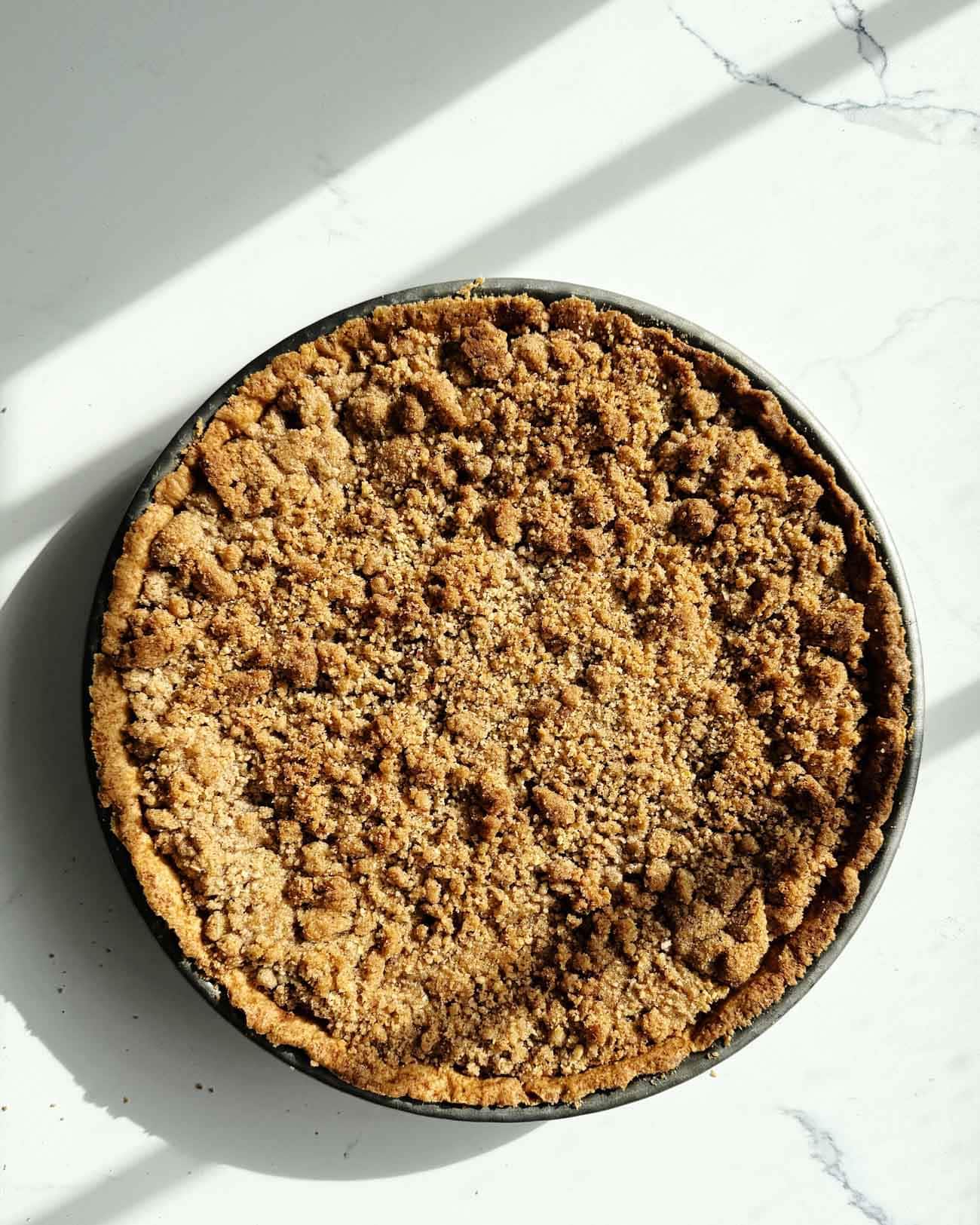
Over the course of two decades, the recipe underwent a deliberate, meticulous evolution in the hands of its creator. Rather than relying on rigid, traditional dough preparation methods that often intimidate novice bakers, the crust was adapted into a forgiving "pat-in-the-pan" format. This structural modification ensured accessibility without sacrificing the crisp, buttery integrity required of a high-end tart. Furthermore, the filling profile was enhanced through the strategic addition of freshly squeezed lemon juice to brighten the natural fruit sugars, high-grade vanilla extract for aromatic depth, and grated nutmeg for a subtle warming spice. The crowning achievement of this iterative process was the integration of a rich pecan streusel topping, which provides a contrasting crunch to the tender, juicy fruit beneath.
Key Technical Considerations for Successful Baking
Culinary testing over a twenty-year span has yielded a specific set of operational guidelines to ensure consistent results when executing the recipe in home or commercial kitchens. According to professional testing notes, ingredient selection plays a critical role in the structural and flavor outcome of the tart.
Fruit Selection and Ripening
Bartlett pears have been identified as the optimal fruit variety for this specific preparation. Unlike alternative pear cultivars, Bartletts possess a cellular structure that breaks down cleanly during the baking process while retaining maximum moisture, ensuring the interior filling achieves a luxurious, jammy consistency without becoming overly watery. The ripeness of the fruit directly dictates baking times; riper pears release juices more rapidly, occasionally extending the overall oven time until the surrounding filling visibly bubbles.
Structural Integrity and Blind Baking
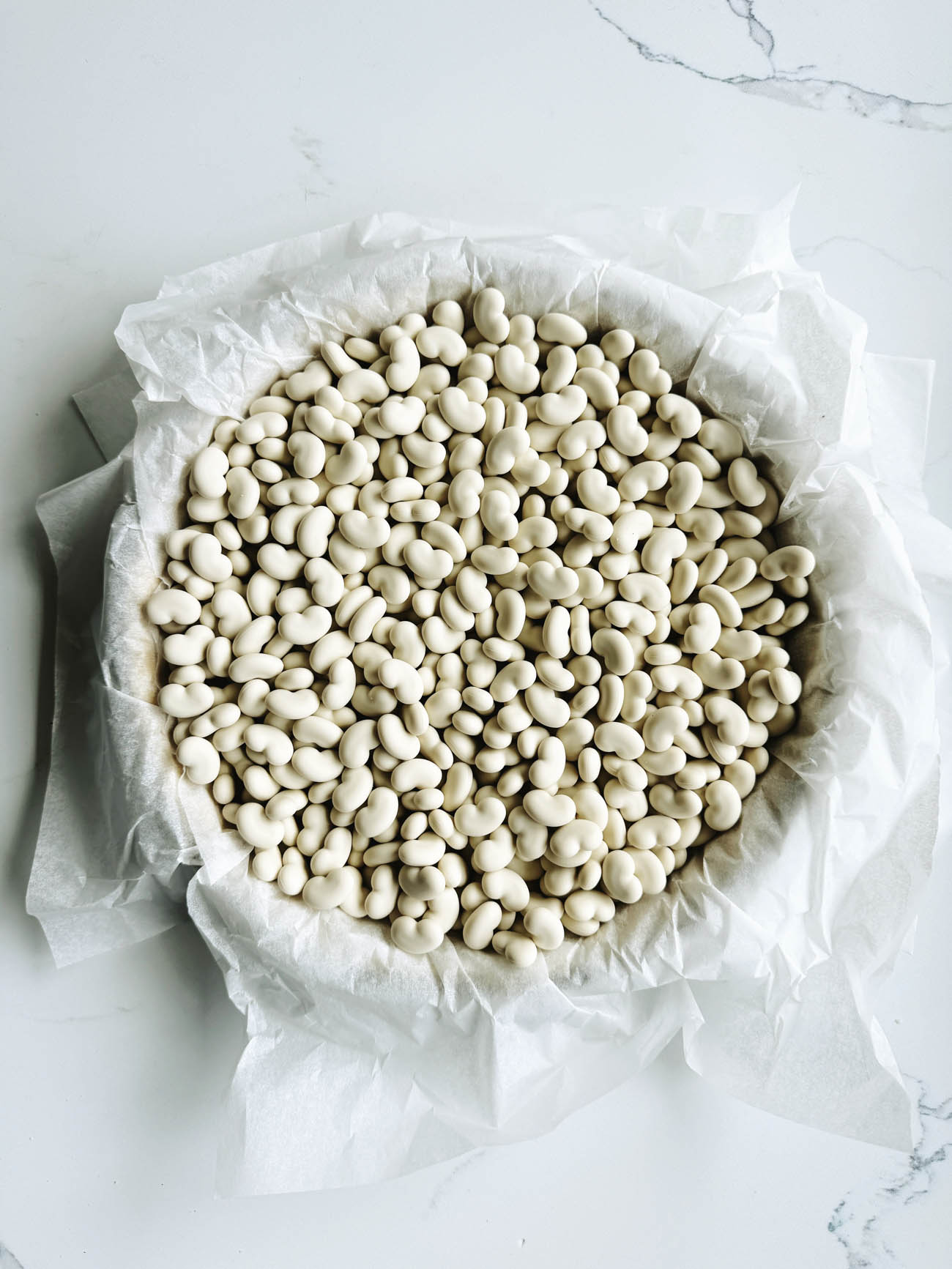
The implementation of a pat-in-the-pan crust offers distinct advantages in efficiency and stress reduction, allowing bakers to easily patch minor tears or inconsistencies in the dough without compromising the final presentation. However, professional testing emphasizes that blind baking remains an absolute necessity. Without a preliminary bake utilizing pie weights—such as modern dishwasher-safe, reusable silicone baking beans popularized by pastry experts like Erin McDowell—the unbaked crust inevitably shrinks and fails to develop the structural crispness required to support the heavy fruit and streusel layers.
The Broader Cultural and Economic Impact of Autumn Baking
The release and renewed public interest in time-tested seasonal recipes highlight a broader economic and cultural phenomenon within the culinary arts: the enduring appeal of comfort baking during the autumn and winter holiday seasons. According to retail data from the specialty baking and cookbook sectors, consumer demand for heritage recipes and specialized dessert guides—such as manuals focusing exclusively on tarts and pies—experiences a significant surge during the fourth quarter of each calendar year.
Food industry analysts note that independent bakeries and coffeehouse culture serve as vital incubators for culinary innovation. Recipes developed in commercial kitchen environments often transition successfully into domestic spheres, driven by consumer desire for approachable yet sophisticated home-cooking projects. The longevity of the Pecan Streusel Pear Tart underscores a shift toward resilient, adaptable recipes that withstand decades of culinary trends while remaining deeply anchored in seasonal traditions like Thanksgiving and winter holiday gatherings.
Future Implications for Home Baking Trends
As digital platforms continue to democratize access to professional-grade culinary techniques, the intersection between institutional baking history and domestic execution grows increasingly pronounced. Recipes that bridge the gap between complex pastry arts and accessible home preparation methods are projected to dominate culinary media landscapes. The evolution of the Pecan Streusel Pear Tart serves as a case study in recipe development, demonstrating how iterative improvements, rigorous testing, and a respect for foundational literature can transform a simple coffeehouse pastry into a perennial holiday classic.