Air Fryer Mofongo Video Recipe Offers Lighter Take on Caribbean Classic Without Oil Splatters

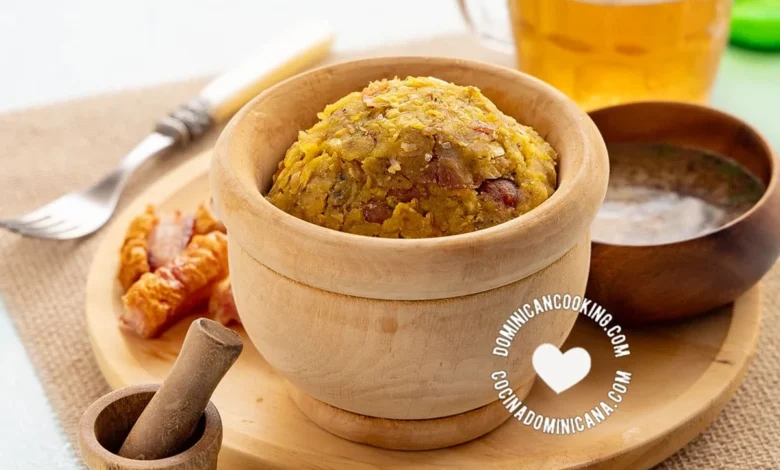
The culinary landscape of Caribbean cuisine has long balanced deep-rooted tradition with modern kitchen innovation. A prominent example of this evolution is emerging from digital recipe platforms, where home cooks are increasingly adopting countertop appliances to reinterpret heritage dishes. A recent video and recipe release by culinary creator Clara Gonzalez, widely known online as Tía Clara, details a method for preparing mofongo—a foundational plantain-based dish shared widely across Caribbean cultures, particularly in the Dominican Republic and Puerto Rico—using an air fryer rather than traditional deep-frying methods.
Main Facts of the Recipe Adaptation
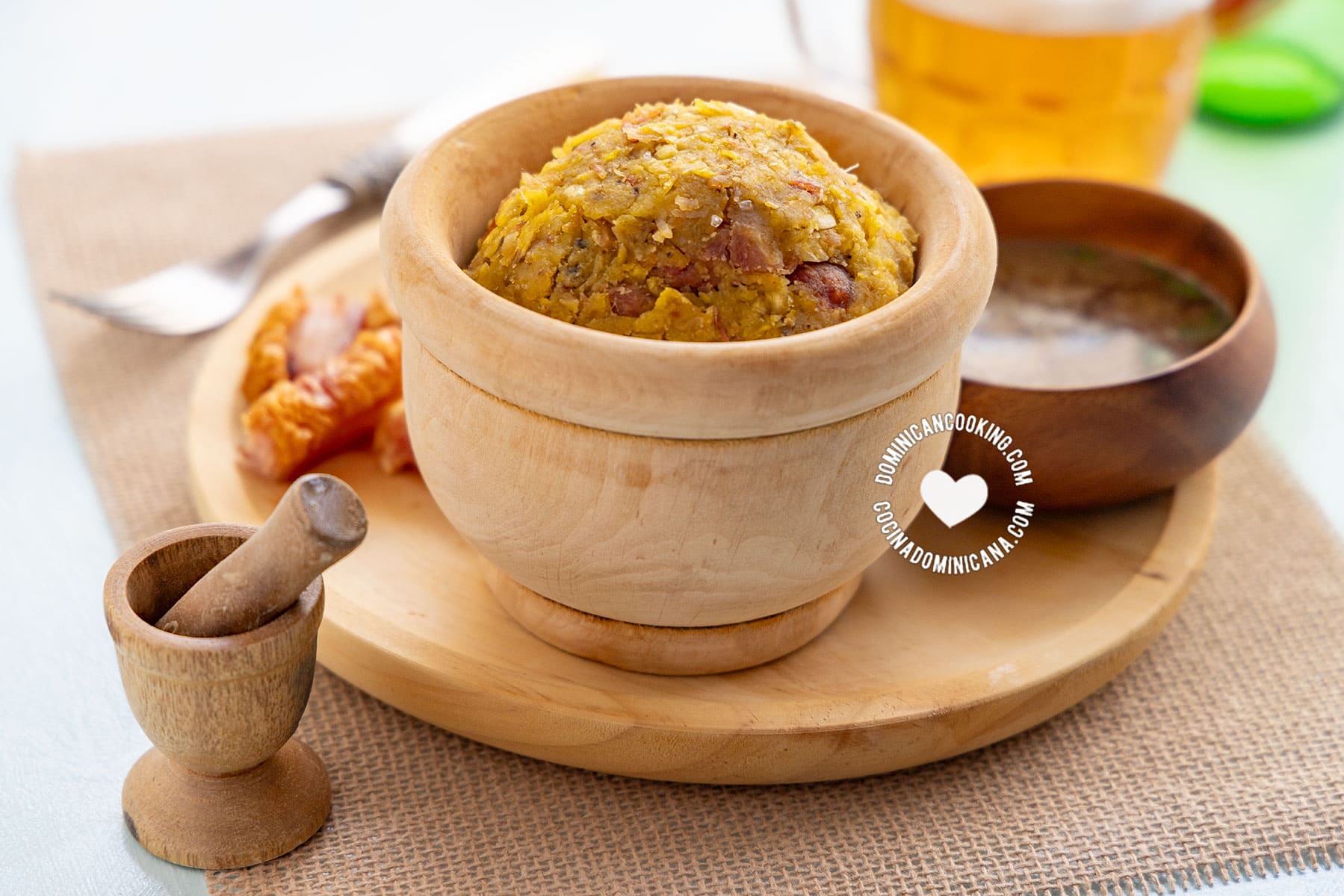
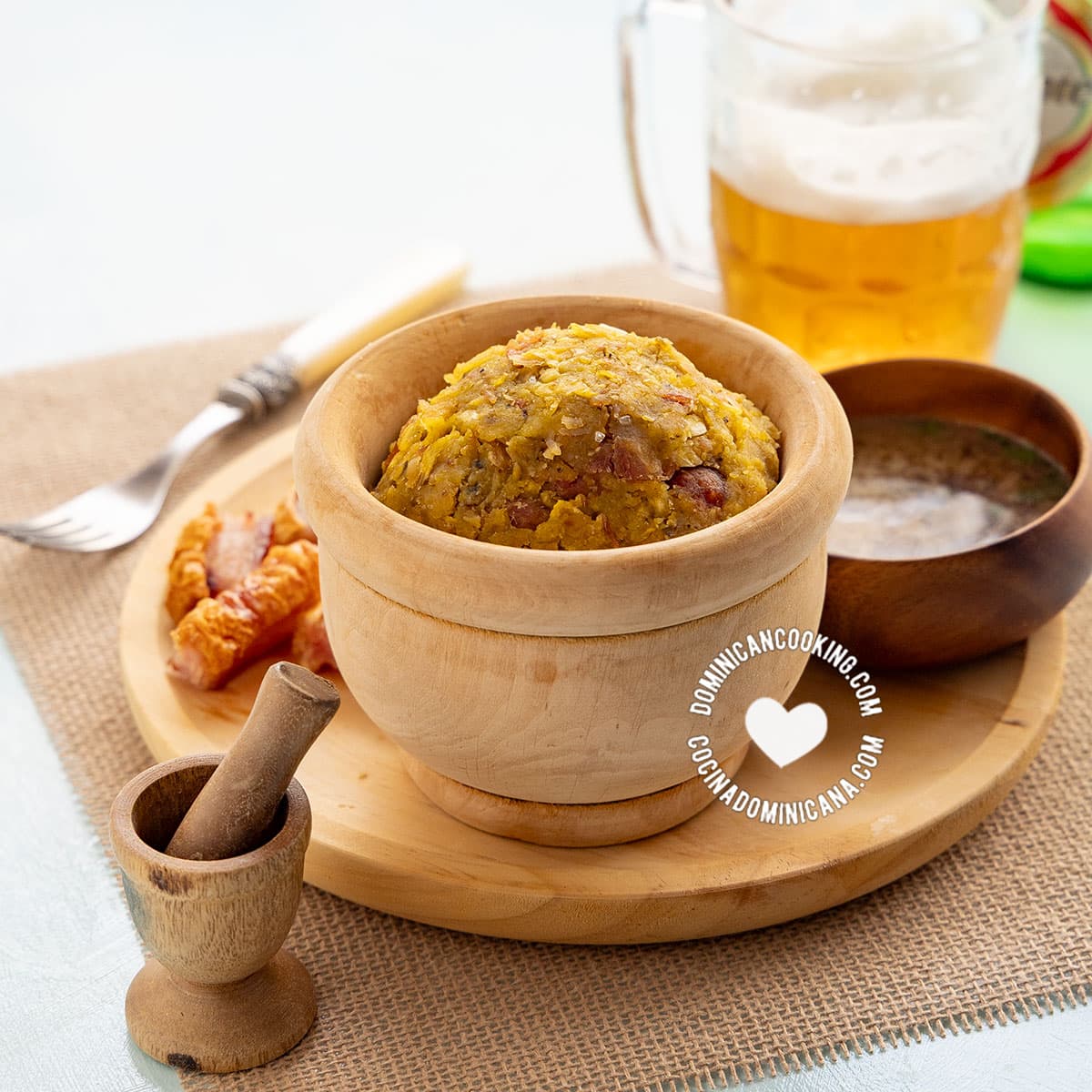
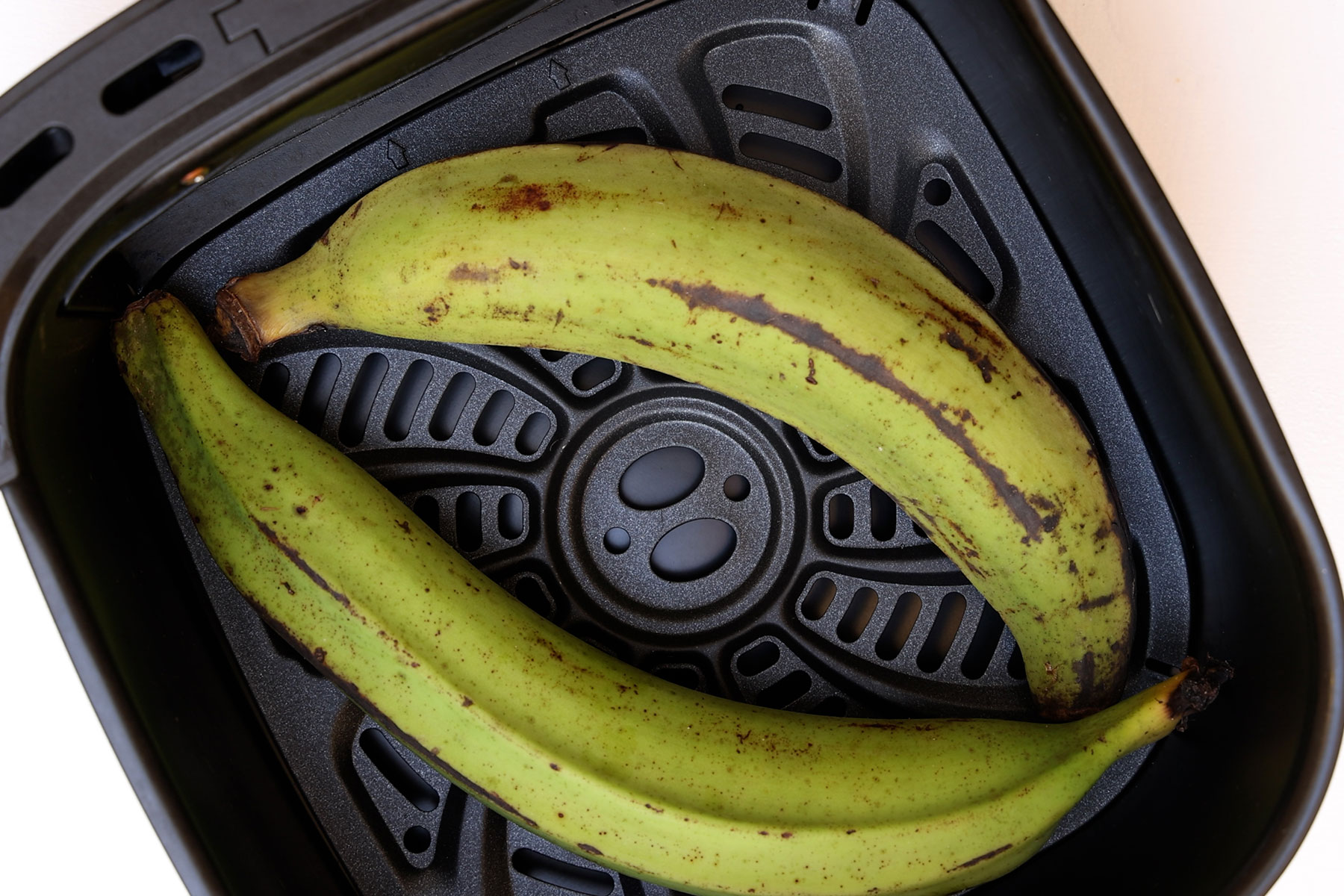
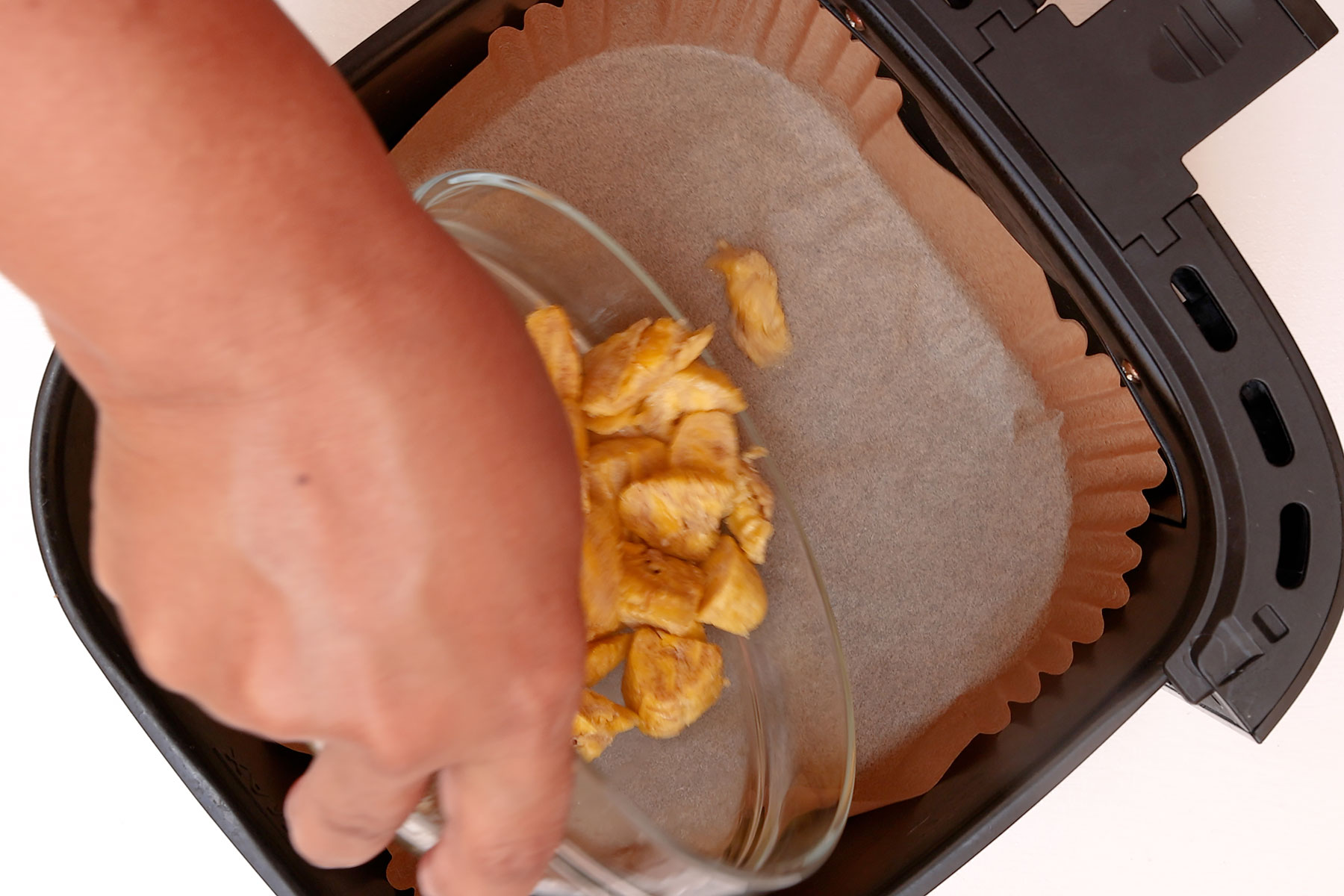
The newly published recipe adapts traditional mofongo, which typically combines green plantains, garlic, pork cracklings (chicharrón), and broth, mashed together in a traditional wooden mortar and pestle known as a pilón. While classic preparations rely on frying plantain chunks in deep oil to achieve a crisp exterior and tender interior, the air fryer iteration uses circulating hot air to cook the plantains.
According to published nutritional and preparation data accompanying the release, the total time required for the air fryer mofongo is approximately 50 minutes, broken down into 15 minutes of preparation and 35 minutes of cooking time. Designed to yield four servings, the dish carries an estimated nutritional profile of 690 kilocalories per serving, alongside 58 grams of carbohydrates, 37 grams of protein, and 36 grams of fat. The streamlined cooking process eliminates the necessity of submerging plantains in hot oil, significantly reducing post-cooking cleanup and avoiding common kitchen hazards associated with oil splatters.
Historical Background and Cultural Significance of Mofongo

Mofongo holds a revered status within the canon of Caribbean gastronomy, representing a culinary synthesis of African, Spanish, and Taíno influences. Food historians trace the roots of mofongo to fufu, an African dish brought to the Caribbean during the transatlantic slave trade, which typically consists of starchy vegetables boiled and mashed. In the Spanish-speaking Caribbean, particularly Puerto Rico and the Dominican Republic, cooks adapted the concept by utilizing green plantains—an ingredient introduced to the region from Southeast Asia via West Africa and the Canary Islands.
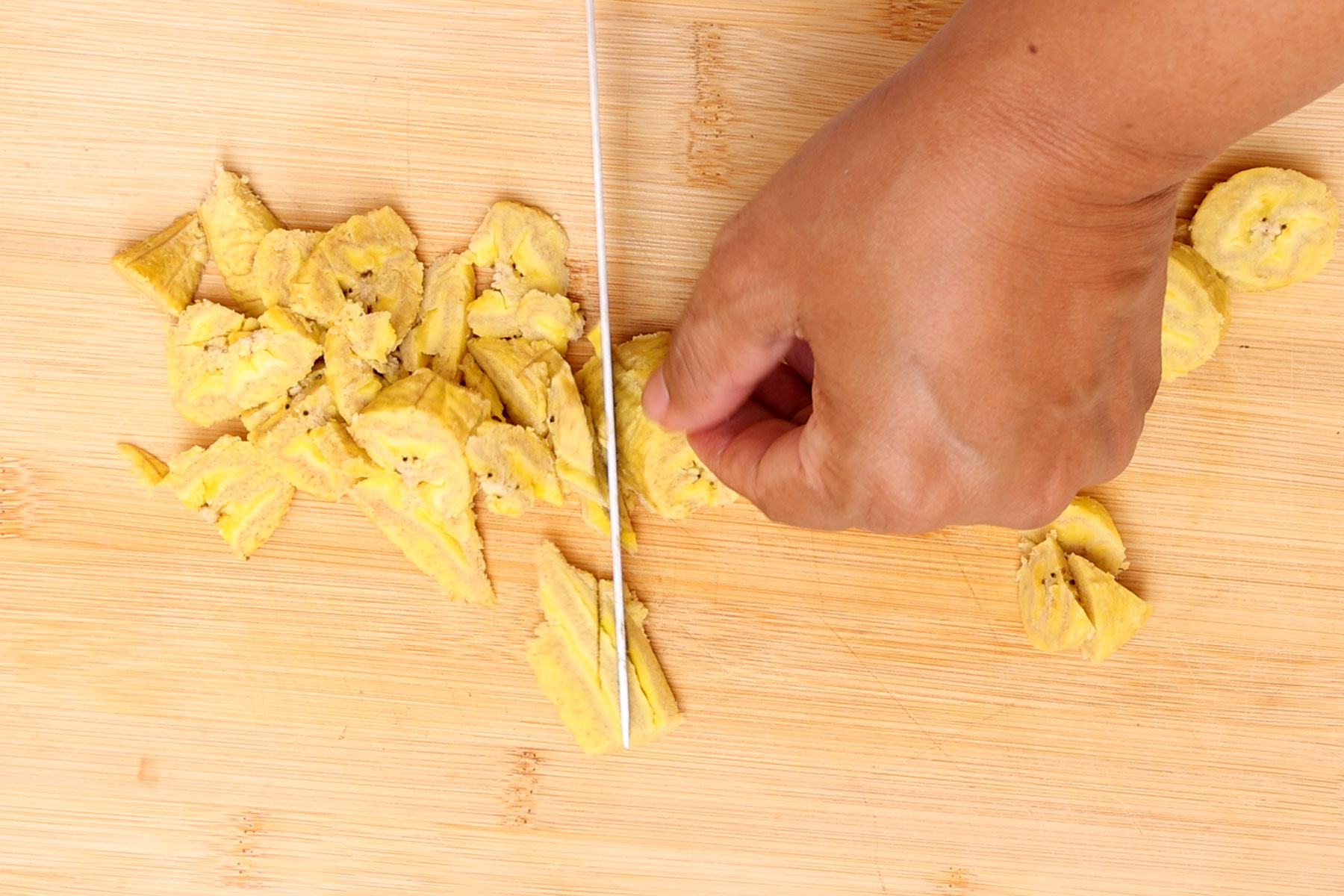
Traditionally, the preparation of mofongo involves peeling raw green plantains, cutting them into rounds, and either frying or roasting them until cooked through. Historically, roasting was a common method before deep-frying became ubiquitous in commercial and domestic kitchens. Once cooked, the plantains are transferred to a pilón, where they are pounded vigorously with crushed garlic, olive oil or pork fat, and crunchy pieces of fried pork skin (chicharrón). The resulting mixture is molded into a dense, hemispherical shape and often served alongside broths, seafood, or meats.
In recent decades, mofongo has transcended its traditional Caribbean boundaries to become a staple in Latin American restaurants across the United States, particularly in metropolitan areas with large Puerto Rican and Dominican diaspora communities, such as New York City, Orlando, and Miami. Within these communities, the dish serves as both comfort food and a cultural touchstone.
The Shift Toward Air Fryer Cooking in Caribbean Households
The adoption of air fryers into households across the Caribbean and its diaspora represents a broader global shift in domestic cooking technology. Air fryers, which use convection heat to circulate superheated air around food, have gained immense popularity over the past decade as consumers seek methods to replicate the textures of fried foods with a fraction of the fat content.
Culinary platforms specializing in traditional Caribbean recipes, such as Dominican Cooking, have increasingly integrated air fryer adaptations into their archives. Alongside mofongo, these platforms feature air-fried variations of tostones (twice-fried plantain slices), maduros (fried sweet plantains), and various savory snacks. This trend reflects a growing demand for health-conscious modifications to traditional diets, which have historically featured high sodium and high-fat preparation methods to enhance flavor.
Public Reception and Search Trends
Data from culinary search trends indicate a persistent global interest in Caribbean gastronomy, with search terms such as "how to make mofongo," "puerto rican food," and "dominican plantain recipes" generating steady web traffic. Food content creators adapting these recipes for digital formats have capitalized on this interest by providing step-by-step video guides, visual tutorials, and nutritional breakdowns.
The inclusion of video content alongside written recipes has become an industry standard, enabling home cooks to master techniques that rely heavily on tactile steps, such as achieving the correct consistency during the mofongo mashing process. Feedback loops on digital platforms indicate that users favor recipes that maintain authentic flavor profiles while offering practical conveniences, such as reduced preparation mess and lower calorie counts.
Broader Nutritional Implications and Dietary Analysis
Dietary analysis of traditional Caribbean diets often highlights the nutritional value of plantains, which are rich in complex carbohydrates, dietary fiber, vitamins A and C, and potassium. However, traditional preparation methods that rely heavily on deep-frying introduce significant quantities of saturated and trans fats, elevating the caloric density of the dishes.
While the air fryer mofongo recipe remains a substantial main course—registering approximately 690 calories per serving due to the inclusion of pork chicharrón and added fats—the method eliminates the absorption of excess cooking oils commonly found in deep-fried foods. Public health analysts note that incremental adaptations of traditional recipes, such as replacing immersion frying with convection heating, allow consumers to maintain cultural dietary traditions while aligning with modern nutritional guidelines focused on reducing overall oil consumption.
Implications for Culinary Preservation and Innovation
The proliferation of digital recipes for heritage dishes highlights a dynamic tension between culinary authenticity and modern lifestyle demands. Culinary historians and food bloggers note that adapting traditional recipes for contemporary appliances ensures that younger generations and diaspora communities, who may have limited kitchen space or time, can continue to prepare complex heritage foods at home.
By lowering the barrier to entry—specifically by eliminating the smoke, odor, and cleanup associated with deep-frying—creators like Tía Clara facilitate the continuous practice of cultural cooking traditions. As digital platforms continue to archive and reinterpret regional cuisines, the evolution of dishes like mofongo demonstrates that culinary traditions remain living, adaptable practices capable of absorbing new technologies without losing their foundational identity.
Related posts: