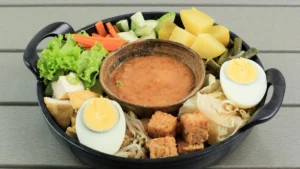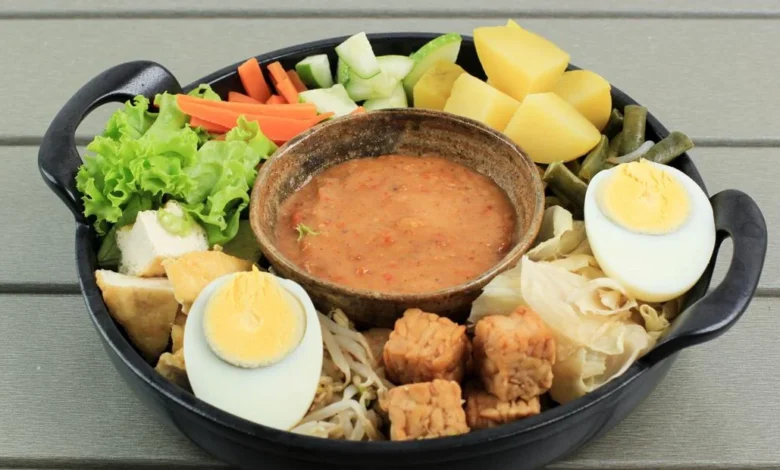
Gado-gado, the iconic Indonesian salad featuring blanched vegetables, hard-boiled eggs, tofu, tempeh, and a rich peanut sauce, has long been touted as a cornerstone of a healthy diet. Often sought out by those pursuing weight loss or improved metabolic health, the dish is celebrated for its high fiber content and accessibility. However, clinical nutritionists are now raising concerns that the way this traditional meal is consumed—specifically regarding the portion of the peanut dressing—may inadvertently negate its nutritional benefits, potentially turning a "healthy" vegetable-based meal into a high-calorie indulgence comparable to calorie-dense main courses.
The Nutritional Paradox of Gado-Gado
The fundamental appeal of gado-gado lies in its composition. A typical serving includes a variety of nutrient-dense vegetables such as spinach, water spinach (kangkung), long beans, bean sprouts, and chayote. These ingredients are naturally low in calories and packed with essential vitamins, minerals, and dietary fiber, which promote satiety and digestive health. According to nutritional guidelines, increasing vegetable intake is one of the most effective strategies for long-term weight management.
However, the inclusion of the signature peanut sauce—or bumbu kacang—introduces a complex nutritional variable. Dr. Igus Ulfa Yaze, a clinical nutrition specialist, addressed these concerns during a recent health education session conducted by detikHealth on September 24, 2026. Dr. Yaze emphasized that while the components of gado-gado are inherently healthy, the preparation and serving methods often deviate from optimal nutritional standards. The primary concern is not the presence of peanuts, which offer healthy fats and protein, but rather the sheer volume and the hidden ingredients frequently incorporated into the sauce.
The Mechanism of the Calorie Spike
To understand why a dish composed primarily of vegetables can become high-calorie, one must examine the composition of the sauce. Traditional peanut sauce is made from roasted or fried peanuts, palm sugar (gula jawa), chili, garlic, salt, and sometimes tamarind or lime. The preparation process often involves deep-frying the peanuts to enhance flavor and blending them with significant amounts of sugar to achieve the desired balance of savory and sweet.
Dr. Yaze highlighted a common culinary habit among consumers: the tendency to request "extra sauce" or to allow the vegetables to be completely submerged in a liquid-heavy dressing. "When a plate of gado-gado arrives at the table swimming in sauce, the nutritional profile changes drastically," Dr. Yaze explained. "Peanuts are energy-dense, meaning they contain a high concentration of calories in a small volume. When you add high-calorie fats and significant quantities of processed sugars to that base, the total caloric load of the meal can easily rival or exceed that of a heavy meal like Nasi Padang."
Chronology of Public Perception and Nutrition Trends
The debate regarding the health implications of gado-gado mirrors broader trends in Southeast Asian dietary habits. Over the last decade, there has been a significant shift toward processed ingredients and higher sugar consumption in traditional street foods.
- Pre-2015: Gado-gado was primarily viewed as a home-cooked meal, with control over sugar and oil levels maintained by the cook.
- 2016–2020: The rise of food delivery apps and street food commercialization led to a standardization of recipes, often favoring higher sugar and oil ratios to cater to mass-market palates.
- 2021–2025: Increased health awareness and the prevalence of metabolic syndrome prompted nutritionists to conduct deeper analyses of local delicacies.
- September 2026: The current discourse, exemplified by Dr. Yaze’s expert analysis, marks a turning point where health professionals are actively educating the public on how to navigate traditional diets in a modern, calorie-conscious context.
Supporting Data: Breaking Down the Calorie Count
While individual recipes vary, a standard portion of gado-gado (approximately 300-400 grams) can range significantly in caloric density. A typical serving consisting of vegetables, a small amount of tempeh/tofu, and a moderate tablespoon of sauce generally contains between 250 and 350 calories. However, when the sauce is applied liberally—often totaling 3 to 4 tablespoons—the calorie count can spike to 500 or 600 calories.
Furthermore, the glycemic index of the meal is affected by the sugar content in the dressing. Excessive palm sugar causes a more rapid spike in blood glucose levels compared to raw vegetables, which can be counterproductive for individuals struggling with insulin resistance or pre-diabetes. The lipid profile of the sauce, derived from fried peanuts and occasionally added coconut milk, also contributes to a higher saturated fat content than what might be expected from a "salad."
Expert Recommendations for Mindful Consumption
Despite these warnings, Dr. Yaze does not suggest that people stop eating gado-gado. Instead, she advocates for a "mindful modification" approach. The goal is to retain the health benefits of the fiber-rich vegetables while mitigating the risks associated with the dressing.
- Request Sauce on the Side: By keeping the sauce separate, the consumer gains visual and physical control over the amount consumed. Instead of pouring, use a dipping method.
- Dilution Techniques: Some health experts suggest asking the vendor to use less sugar or to thin the sauce with a little warm water or lime juice rather than using large amounts of coconut milk.
- Protein Balancing: Ensure the dish includes high-quality protein sources like tempeh or boiled egg, which provide satiety, potentially reducing the need to compensate with excess sauce to feel "full."
- Fiber-First Consumption: Start by eating the vegetables first. By the time the consumer reaches the end of the plate, the appetite is partially satisfied, making it easier to consume less of the calorie-heavy sauce.
Broader Impact and Public Health Implications
The implications of this issue extend beyond the individual dinner plate. As Indonesia continues to grapple with rising rates of obesity and type 2 diabetes, public health messaging must evolve from generic advice—such as "eat more vegetables"—to nuanced instructions on how to consume traditional foods healthily.
Many urban residents rely on street vendors for their daily meals. Consequently, the onus of nutritional education falls not only on the consumer but also on the vendors. There is a growing movement for "healthier street food" initiatives, where vendors are encouraged to offer low-sugar sauce options or to provide nutritional information for their dishes.
Furthermore, the "Gado-Gado Trap" serves as a reminder of the "health halo" effect—a psychological phenomenon where consumers perceive a food as inherently healthy because it contains one or more "good" ingredients (like vegetables), leading them to underestimate the total caloric intake. This is particularly relevant for individuals in structured weight loss programs who may feel discouraged when they fail to see results despite "eating salads" daily.
Future Outlook
As nutritional science continues to emphasize the importance of whole foods, the traditional Indonesian diet—if properly balanced—remains one of the healthiest globally. The case of gado-gado underscores the necessity of transparency in food preparation. Future public health campaigns could benefit from partnering with local culinary influencers to promote recipes that utilize natural sweeteners like stevia or monk fruit, or simply encouraging a shift back to home-prepared sauces where salt and sugar levels can be strictly monitored.
In conclusion, gado-gado remains a valuable source of fiber and essential nutrients, but it is not a "free" food. The key to integrating it into a weight-loss or health-maintenance plan lies in the moderation of the dressing. By treating the peanut sauce as a condiment rather than a soup, consumers can enjoy the cultural and nutritional benefits of this beloved dish without compromising their long-term health goals. The shift from passive consumption to informed, intentional eating is the final, necessary step in ensuring that traditional diets remain compatible with modern health standards.