Hatch Green Chile Enchiladas: A Seasonal Culinary Tradition and Economic Engine for New Mexico

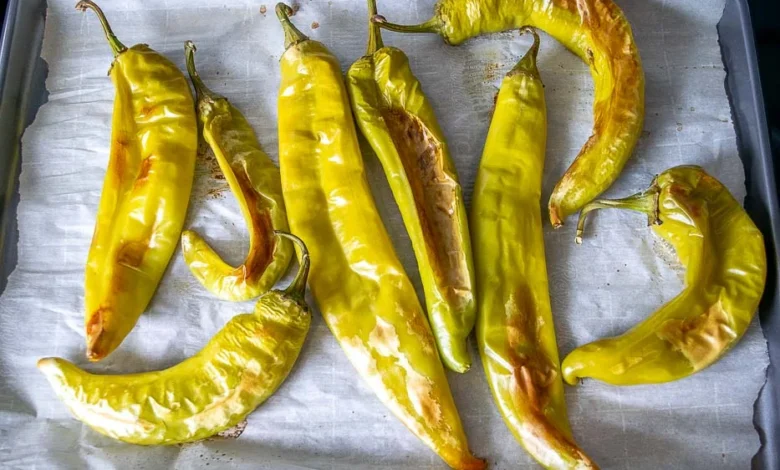
The arrival of late summer marks the highly anticipated Hatch chile harvest, a period defined by the unique agricultural output of the Mesilla Valley in southern New Mexico. As these chiles reach peak maturity, they initiate a significant culinary and economic cycle that ripples from the specialized farms of Doña Ana County to kitchens across the United States. While commercial availability of frozen and jarred variants has grown, the authentic experience remains tethered to the brief, multi-week window of fresh harvesting, roasting, and preparation.
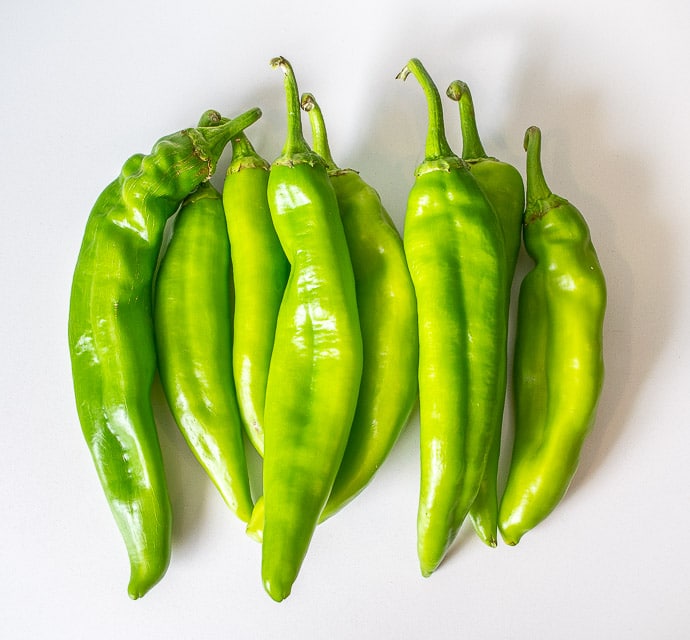
The Significance of the Hatch Harvest
Hatch chiles, specifically varieties of the Capsicum annuum species grown in the Hatch Valley, owe their distinct flavor profile to the region’s high altitude, intense daytime solar exposure, and cool desert nights. Agricultural experts note that these environmental factors contribute to a thicker flesh and a complex, earthy flavor that is distinct from other regional green chiles.
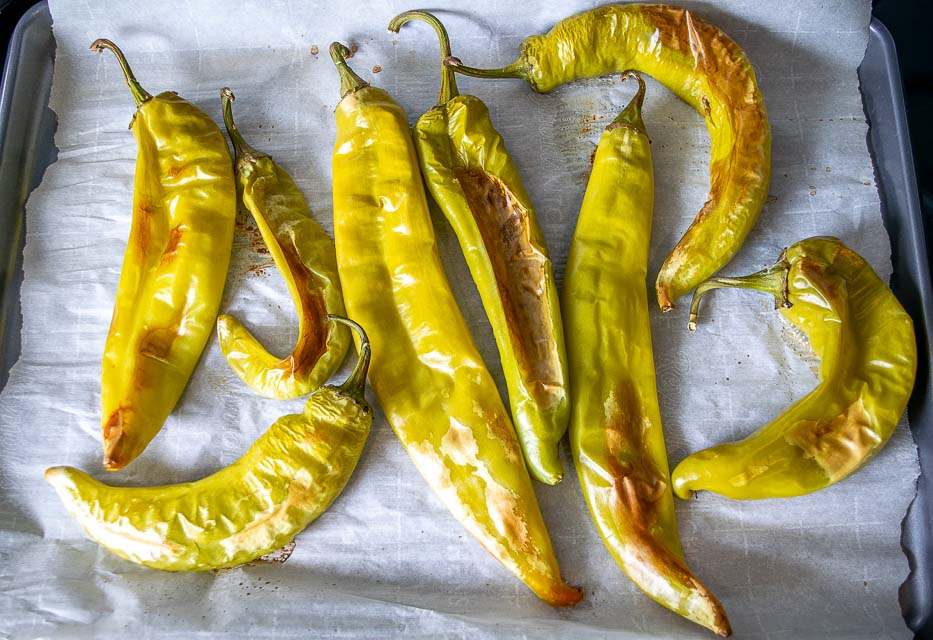
The harvest season typically begins in early August and concludes by late September. During this period, the state of New Mexico sees an influx of tourism and commerce centered around the roasting of these chiles. The roasting process—often performed in rotating steel tumblers over open propane flames—is a prerequisite for the preparation of signature dishes, including the regional staple: Hatch Green Chile Enchiladas.
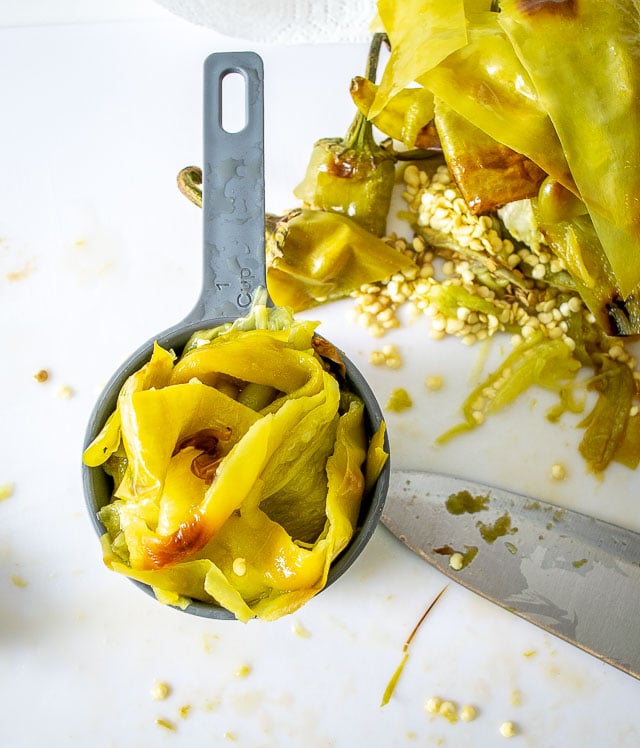
Culinary Methodology and Preparation Standards
The transformation of raw Hatch chiles into a versatile culinary base requires a standardized, albeit labor-intensive, process. After the chiles are roasted to blister and char the outer skin, they undergo a cooling period. Traditional preparation methods involve the removal of the stem, the majority of the seeds, and the charred skin. While commercial-grade peeling machines exist, manual preparation is still preferred by home chefs to ensure the integrity of the chile’s flesh.
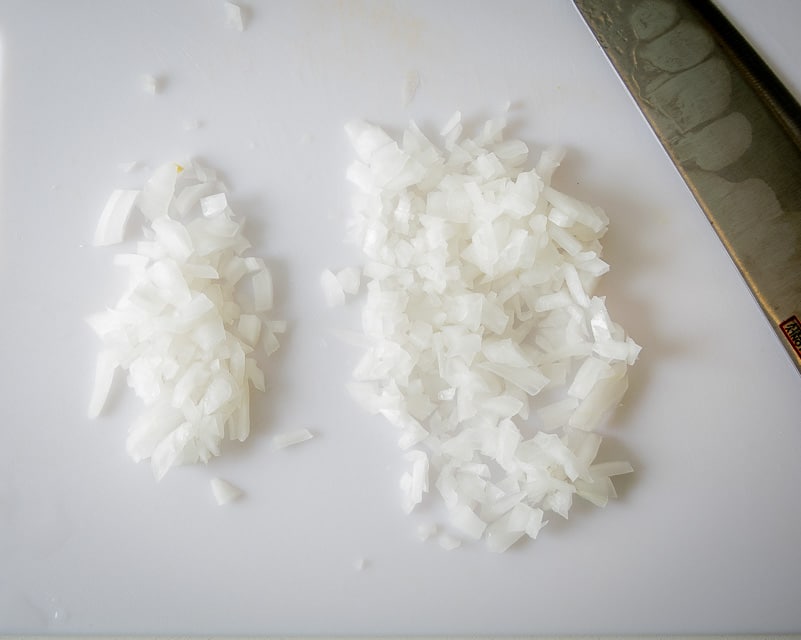
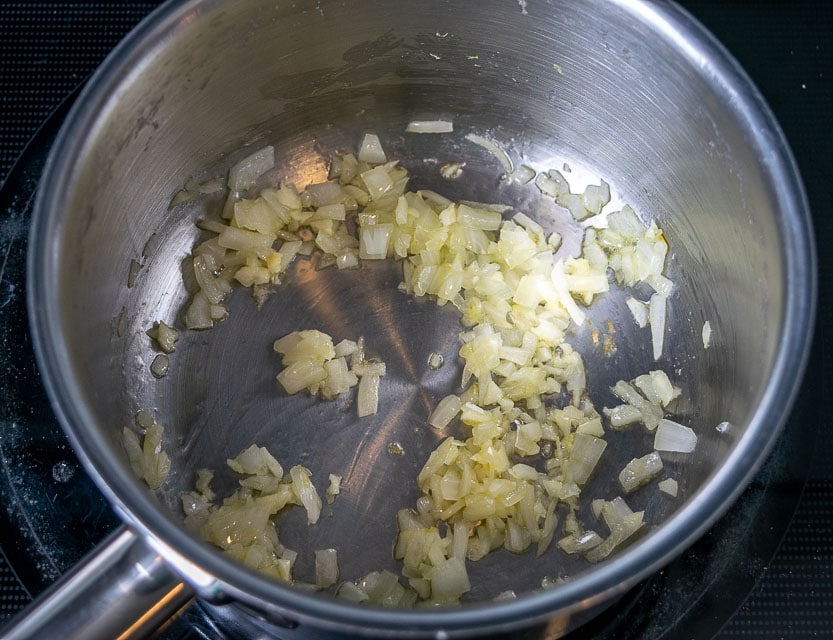
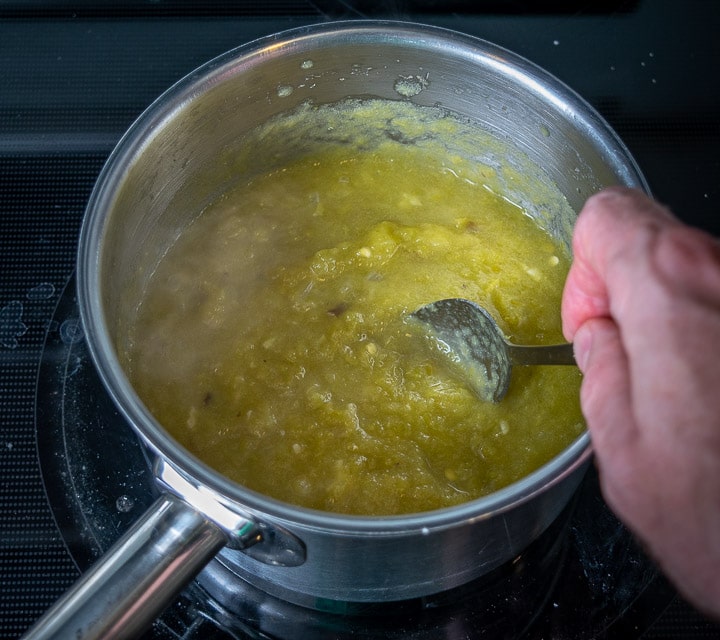
For an authentic enchilada sauce, the roasted chiles are blended with a liquid medium—typically chicken or vegetable stock—before being simmered with a base of sautéed onions and garlic. Culinary professionals emphasize that the sauce’s acidity and heat levels are determined by the specific variety of Hatch chile used, as growers produce strains ranging from mild to extra-hot. The inclusion of Mexican oregano, cumin, and sea salt serves to balance the inherent buttery, roasted notes of the vegetable.
Economic and Supply Chain Implications
The demand for Hatch chiles has expanded beyond the American Southwest, necessitating the development of robust e-commerce and logistics networks. Growers and distributors now utilize direct-to-consumer shipping, allowing residents in regions where the chiles are not native to acquire fresh, high-quality produce. This logistical shift has stabilized the price of the commodity, although seasonal weather patterns in New Mexico continue to influence annual yields and market costs.
From an economic perspective, the Hatch chile industry acts as a primary driver for regional employment in southern New Mexico. The harvest and subsequent processing, packaging, and distribution phases support local agricultural cooperatives and small businesses. Market analysts suggest that the "Hatch" brand—protected by geographical association—maintains a competitive advantage over generic green chiles, contributing to a premium pricing model that benefits regional farmers.
Chronology of the 2024 Seasonal Cycle
- Late July: Agricultural monitoring indicates the maturation of the first crop. Initial sensory testing by local growers determines the heat index for the upcoming harvest.
- Early August: The commencement of the harvest. Roasting facilities in Hatch and Las Cruces begin daily operations.
- Mid-August: Peak supply chain movement. Major grocery distributors begin nationwide procurement to satisfy the demand for fresh-roasted products.
- Early September: Transition to secondary harvest waves. Consumers begin preserving the excess by freezing peeled, roasted chiles for off-season consumption.
- Late September: Final harvest concludes. Market focus shifts to preserved and canned inventory.
Standardized Preparation for Home Consumption
To ensure the successful execution of Hatch Green Chile Enchiladas, culinary educators advise a methodical approach to ingredient preparation. The primary components—protein, sauce, and tortillas—require specific handling to maintain structural integrity.
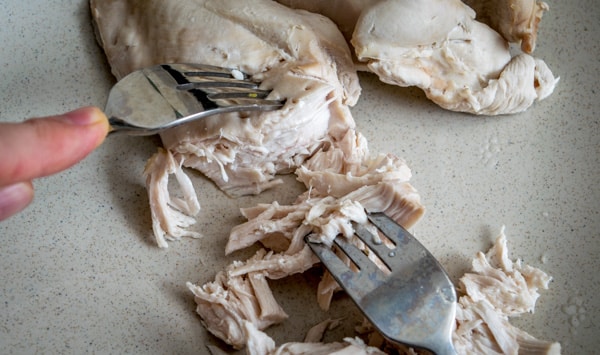
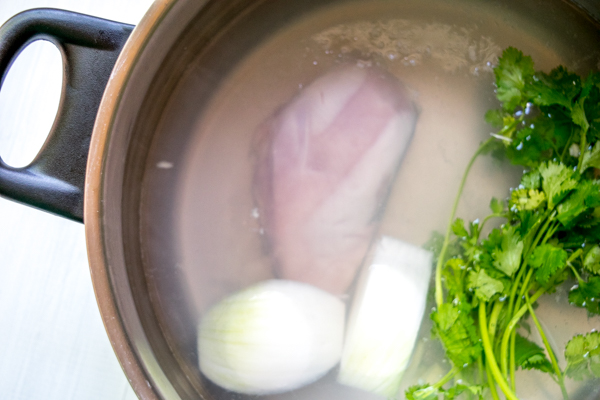
- Protein Selection: While chicken is the traditional protein, culinary flexibility allows for the integration of pork, beef, or plant-based alternatives. The most effective method for chicken preparation is poaching, which preserves moisture and allows the meat to be shredded into strands that readily absorb the chile sauce.
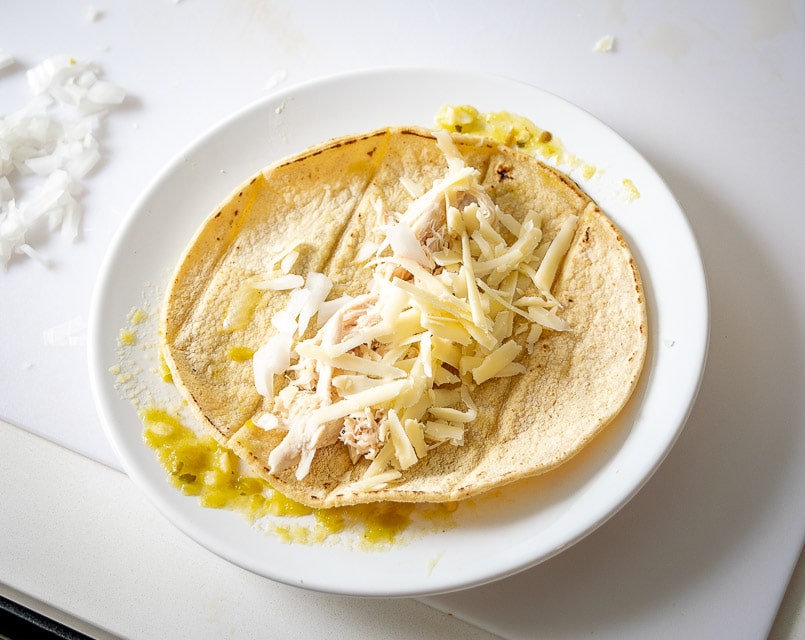
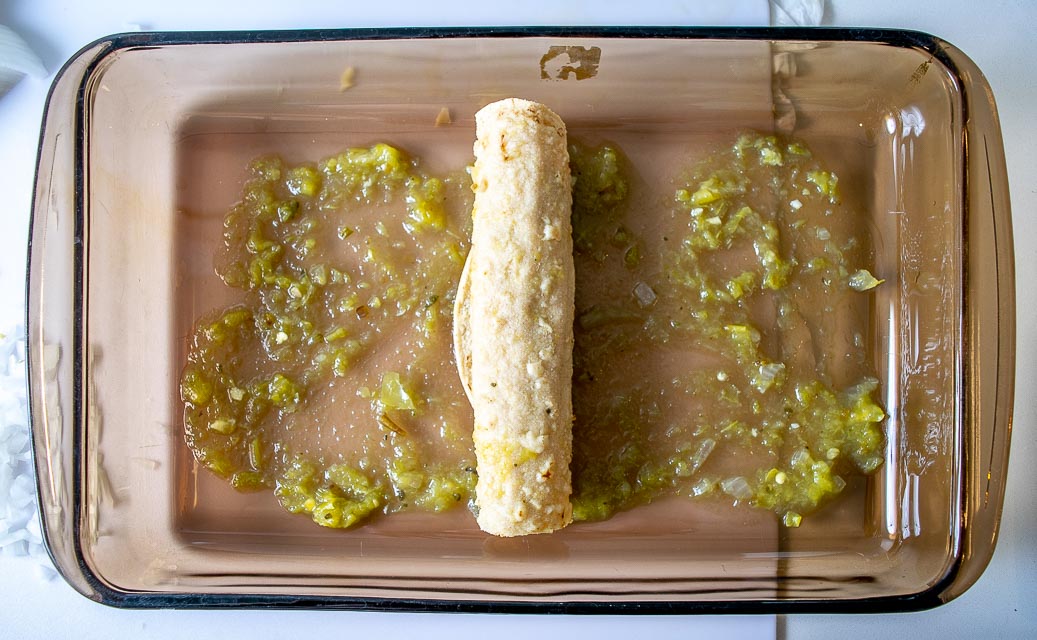
- Tortilla Integrity: Corn tortillas are considered the standard for this dish. Because corn tortillas are susceptible to breaking, they must be warmed—either by steaming or brief exposure to high heat—to increase elasticity. A brief "dredge" in the warm enchilada sauce before assembly is recommended to ensure that flavor permeates the interior of the rolled tortilla.
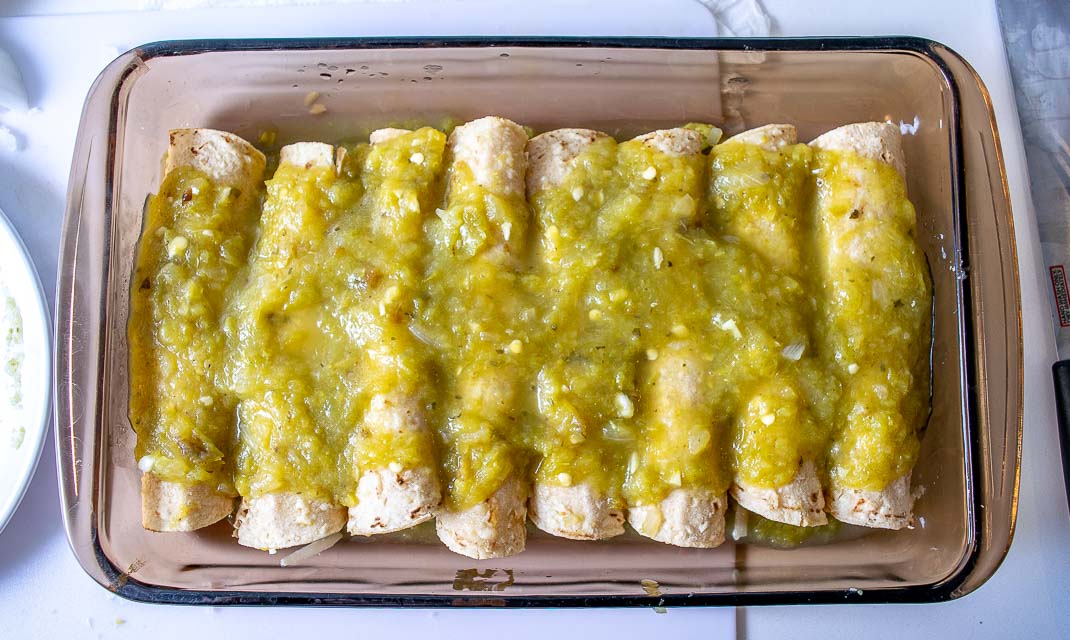
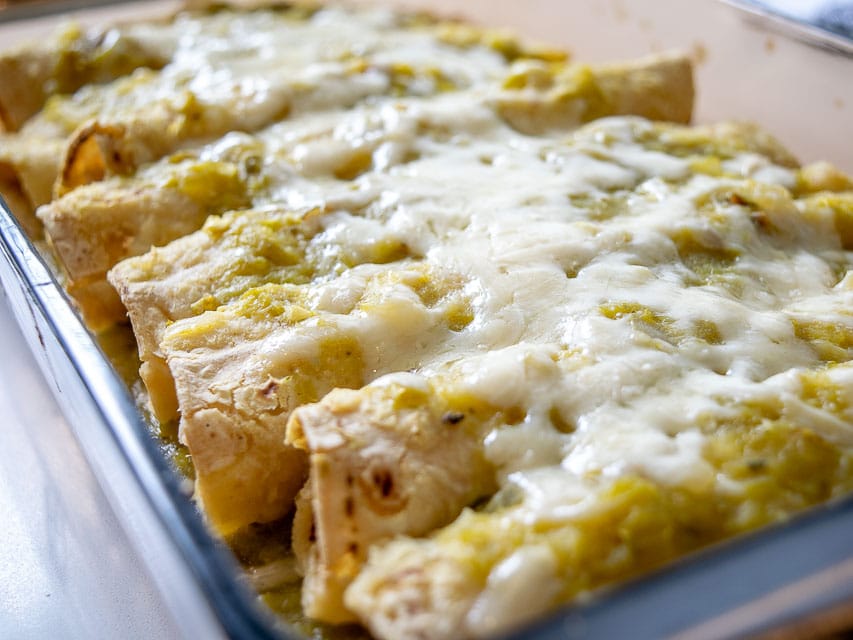
- Thermal Management: The assembly should be placed in a preheated oven (approximately 400°F). The baking process should be limited to the time required for the cheese to reach a molten state and the edges of the tortillas to become slightly crisp, typically 10 to 12 minutes.
Broader Nutritional and Cultural Impact
The Hatch chile is not merely a regional specialty but a nutrient-dense food source. Chiles are high in vitamins A and C and contain capsaicin, a compound linked to various metabolic benefits. Culturally, the Hatch chile represents the preservation of heritage agricultural practices in the face of modern industrial farming. The communal act of roasting, where neighborhoods are often perfumed by the scent of charred chiles, remains a vital social ritual in New Mexico.
Critics and agriculturalists have periodically discussed the challenges of drought and water scarcity in the Rio Grande basin, which provides the irrigation necessary for the crop. The long-term viability of the Hatch chile industry depends on sustainable water management policies, as the unique terroir of the region is inseparable from its hydrological resources.
Future Outlook and Consumer Trends
As consumer interest in regional American cuisines grows, the trajectory of the Hatch chile remains positive. Retailers have observed an increase in the variety of derivative products, such as Hatch-infused salsas, soups, and dry spice blends. However, the industry faces the ongoing challenge of maintaining product authenticity amidst the proliferation of "Hatch-style" products that may not originate from the specific geographical region.
For the home cook, the versatility of the Hatch chile continues to offer a departure from standard flavor profiles. Whether utilized in a complex enchilada sauce or as a foundational element in a simple soup, the chile remains a cornerstone of Southwestern gastronomy. As the current season progresses, the availability of fresh produce provides an opportunity for both amateur and professional chefs to engage with a crop that is, in every sense, a testament to the influence of regional environmental conditions on global culinary standards.
The persistent demand for these products reflects a broader trend toward transparency and regional specificity in food sourcing. As consumers become more discerning regarding the origins of their ingredients, the Hatch chile is well-positioned to maintain its status as a premium, seasonal commodity. The combination of historical tradition, agricultural precision, and a robust, modern supply chain ensures that the Hatch chile remains a vital component of the American culinary landscape.