The transition from spring to the peak heat of summer necessitates a shift in dietary habits, particularly regarding hydration and refreshment. As temperatures climb, the demand for homemade, artisanal beverages has seen a consistent upward trend, driven by a consumer desire for healthier, lower-sugar alternatives to mass-produced sodas. This article explores ten traditional and contemporary cold drink recipes rooted in Colombian culinary heritage, offering a synthesis of nutritional benefits, historical context, and preparation methodologies suitable for the home environment.
The Evolution of Homemade Refreshments
Historically, regional beverages served not only as a means of hydration but as essential components of social gatherings and agricultural labor cycles. In the Colombian context, the abundance of tropical fruits and diverse microclimates has fostered a culture of "jugos naturales" (natural juices). Modern nutritional analysis suggests that these homemade preparations allow for precise control over glycemic indices and additive content, positioning them as a superior alternative to commercial sports drinks and carbonated beverages.
Chronology of Beverage Consumption in Latin American Culture
The consumption of cold, fruit-based drinks in the Andean region dates back to pre-colonial eras, where indigenous populations utilized local flora such as lulo, tamarind, and pineapple to create refreshing infusions. Following the Spanish colonial period, these traditions integrated European dairy and grain processing techniques, leading to the development of complex beverages like Avena (oatmeal drink). By the mid-20th century, the industrialization of the food sector brought about a decline in these homemade traditions, a trend currently being reversed by a global "back-to-basics" culinary movement that prioritizes fresh, whole ingredients.
Analysis of the Top Ten Refreshing Beverages
The following selection represents a curated list of drinks that balance accessibility with cultural authenticity:
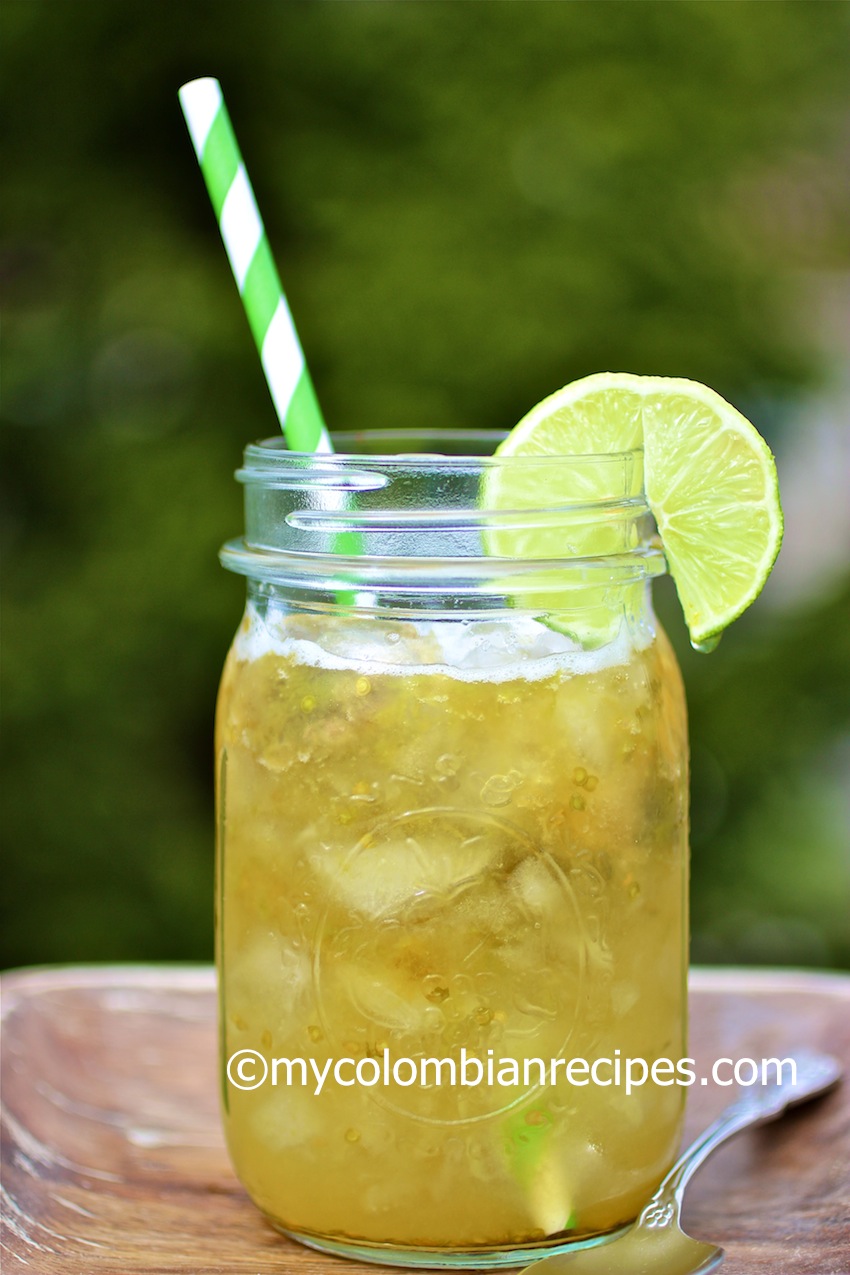
1. Lulada (Colombian Lulo Drink): Derived from the Solanum quitoense fruit, the lulada is distinct because it is not blended but rather macerated by hand. This preserves the texture of the fruit’s pulp. It is a significant source of Vitamin C and A, providing a tart, citrus-forward profile that is highly effective in mitigating heat-related fatigue.
2. Avena (Oatmeal Drink): A staple in Colombian households, this beverage is typically prepared by simmering rolled oats with cinnamon, cloves, and milk. It functions as a functional food, offering sustained energy through complex carbohydrates and fiber. It is often consumed as a mid-morning pick-me-up.
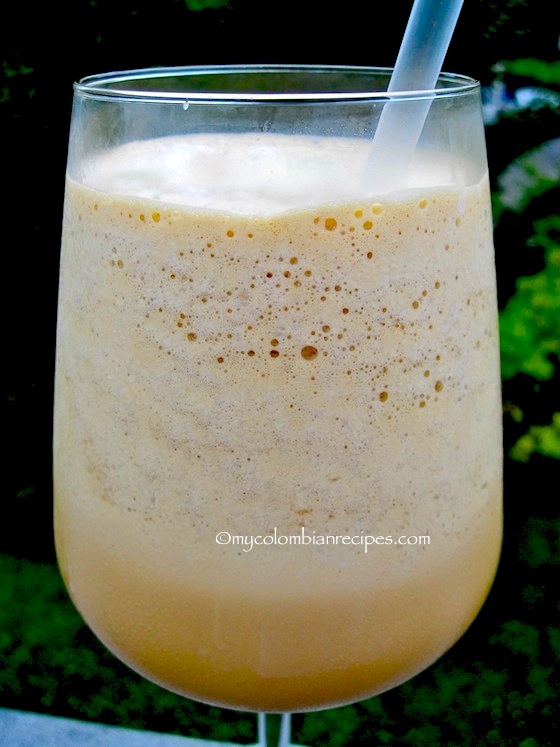
3. Café Helado (Homemade Iced Coffee): While coffee is traditionally served hot in the region, the surge in "cold brew" methodology has seen a local adaptation. By cold-steeping high-altitude Colombian beans, consumers can extract a lower-acidity profile that appeals to those sensitive to traditional brewing methods.
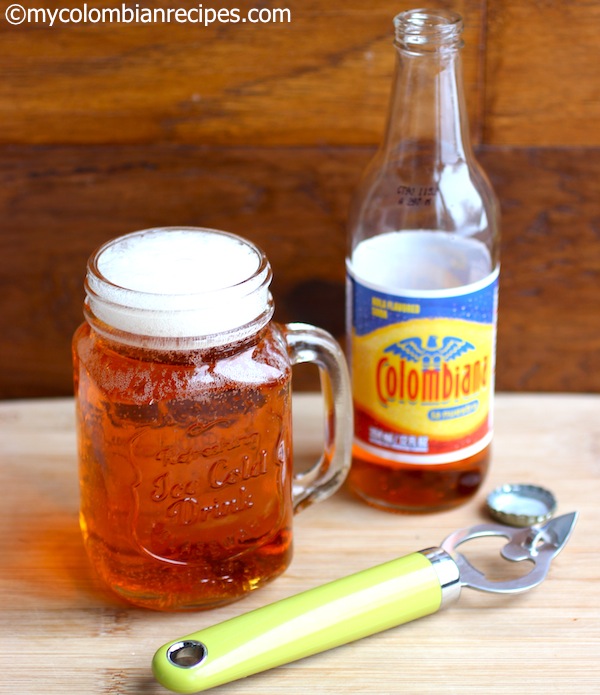
4. Refajo Colombiano: A classic pairing of beer and Colombiana (a cream soda), this drink represents the intersection of social tradition and culinary fusion. It is traditionally served during outdoor communal meals, such as the asado, and acts as a lower-alcohol, carbonated refresher.
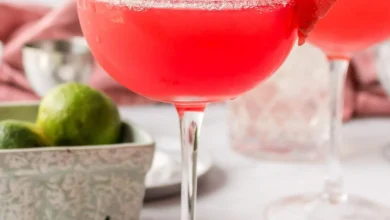
5. Limonada de Fresa (Strawberry Limeade): This variant of the classic lemonade incorporates fresh strawberries, adding anthocyanins—potent antioxidants—to the hydration profile. It is a primary example of how minor ingredient additions can significantly enhance the nutrient density of a standard beverage.
6. Jugo de Sandía (Watermelon Juice): Composed of over 90% water, watermelon juice is an optimal electrolyte-replenishing agent. The addition of a small amount of lime juice balances the natural sugars, making it a preferred choice for post-exercise recovery.
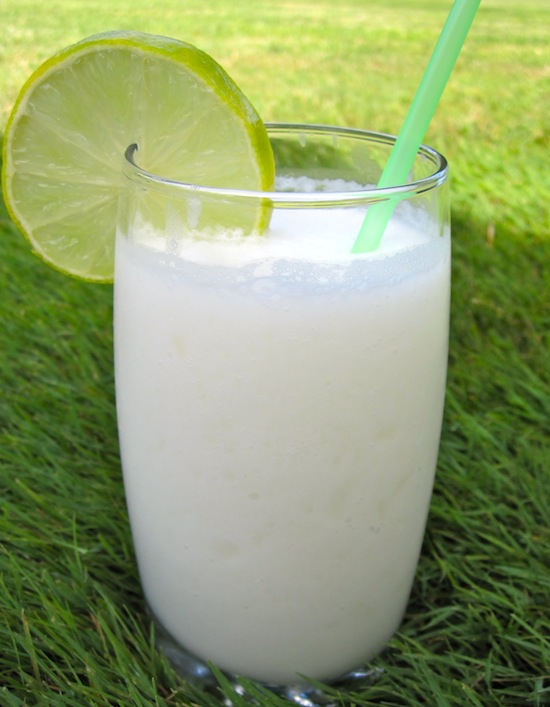
7. Limonada de Coco (Coconut Limeade): Perhaps the most iconic coastal drink, this blend of coconut cream and lime juice provides a balance of healthy fats and acidity. It has gained international recognition as a premium mocktail ingredient.
8. Jugo de Tamarindo (Tamarind Juice): The tamarind fruit is rich in polyphenols and possesses mild laxative properties, often utilized in traditional medicine to support digestive health. Its complex, tangy flavor profile is a staple of tropical refreshment.
9. Malteada de Coco y Piña (Kid-Friendly Coconut and Pineapple Drink): This beverage utilizes the synergy of bromelain (found in pineapple) and coconut milk. It is frequently categorized as a "functional" drink for its digestive benefits and high satiety levels.
10. Jugo de Piña (Pineapple Juice): Often prepared fresh, this drink is a potent source of Vitamin C and manganese. When prepared without added refined sugars, it serves as an excellent natural anti-inflammatory beverage.
Supporting Data and Nutritional Implications
Market research from the beverage industry indicates that the "Natural & Fresh" category has seen a compound annual growth rate (CAGR) of approximately 5.4% over the last five years. Consumers are increasingly scrutinizing labels for high-fructose corn syrup and artificial dyes. The preparation of these ten drinks at home provides an average reduction of 40-60% in sugar content compared to commercial counterparts. Furthermore, the inclusion of whole fruits provides essential dietary fiber, which is entirely absent in mass-market bottled juices.
Official Responses and Culinary Expert Perspectives
Leading nutritionists have noted that while fruit juices are beneficial, the emphasis should remain on the "whole fruit" aspect. Dr. Elena Rodriguez, a specialist in food science, states: "The shift toward homemade beverages is not merely a trend; it is a public health improvement. By controlling the preparation process, individuals can minimize the metabolic impact of concentrated sugars, turning a simple drink into a delivery system for vitamins and minerals."
Broader Impact on Home Culinary Trends
The resurgence of these traditional recipes signals a broader societal shift toward domestic self-sufficiency. As supply chain volatility affects the pricing of processed goods, the ability to produce high-quality beverages from raw, local ingredients provides both economic and health stability for households. The professionalization of home bartending and beverage crafting has also led to a greater appreciation for the provenance of ingredients, with many consumers seeking out organic or fair-trade sources for their fruits and coffee beans.
Conclusion: A Sustainable Future for Hydration
The preparation of these ten cold drinks serves as a microcosm for the larger movement of sustainable, mindful consumption. Whether it is the traditional maceration of the lulo or the slow-steeping of coffee, these processes connect the consumer to the agricultural roots of their food. As we move further into the warmer months, the adoption of these simple, nutrient-dense, and culturally rich recipes offers a viable path toward improved hydration and a more robust, health-conscious lifestyle. By choosing to prepare these beverages at home, consumers not only ensure the quality and safety of their intake but also participate in the preservation of culinary traditions that have sustained communities for generations.
The implication for the future of the beverage market is clear: the consumer is no longer content with passive consumption. The demand for transparency, quality, and health-positive outcomes is driving a return to the kitchen. As these ten recipes demonstrate, the path to a refreshing, high-quality drink experience is often found in the simplest, most natural ingredients available in the local market. Through these traditional preparations, the modern individual can maintain optimal hydration levels while celebrating a heritage of flavor and nutritional excellence.