The Evolution of a Classic: How a South Minneapolis Coffeehouse Staple Became the Ultimate Autumn Pecan Streusel Pear Tart

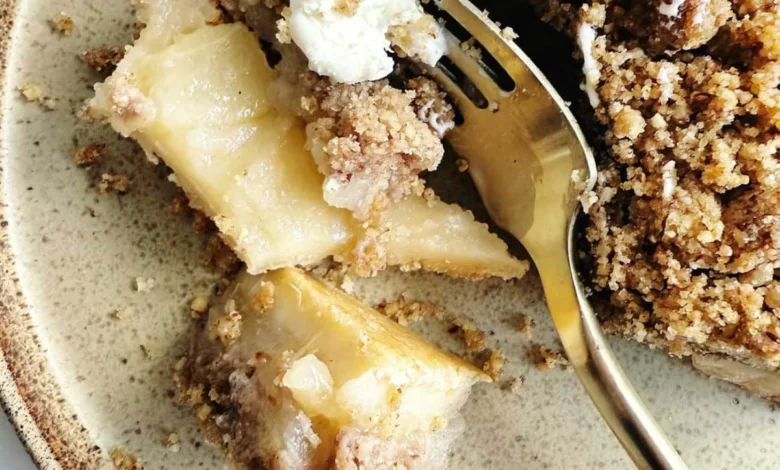
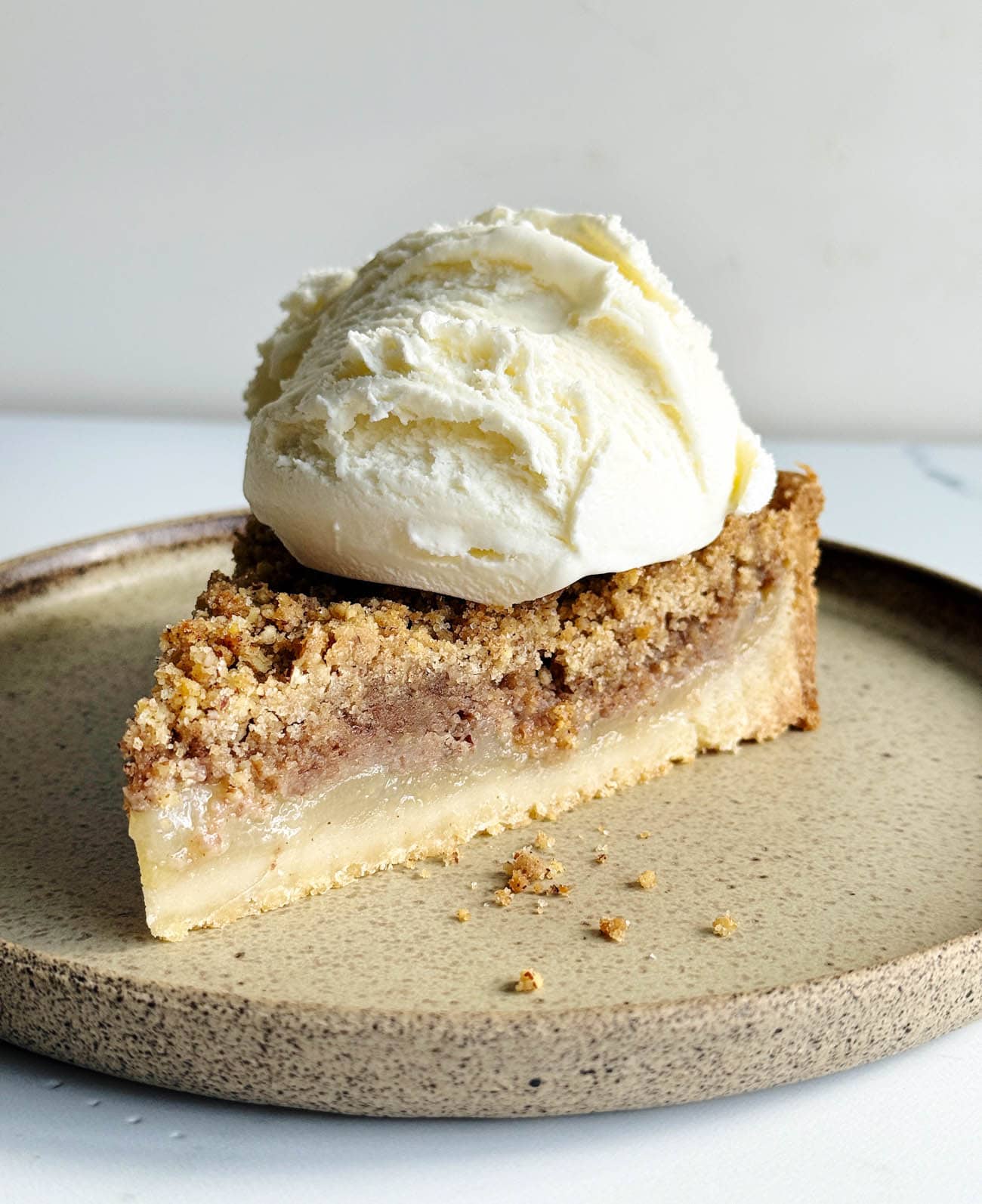
The culinary landscape of the American Midwest has long been defined by a quiet, comforting dedication to seasonal baking, where heritage recipes are passed down through community kitchens, neighborhood bakeries, and well-worn cookbooks. Among the enduring treasures of this baking tradition is a pear streusel tart that traces its lineage back more than two decades to the bustling artisan coffeehouse scene of south Minneapolis in the early 2000s. Developed originally from foundational techniques found in the classic culinary reference text Joy of Cooking and its specialized companion, All About Pies & Tarts, this dessert has undergone a methodical, twenty-year evolution. Today, it stands as a masterclass in balancing structural integrity with autumnal flavors, bridging the gap between professional pastry development and accessible home baking.
The Origins in the Minneapolis Coffeehouse Culture
During the early 2000s, the culinary culture of south Minneapolis was undergoing a renaissance characterized by independent coffeehouses that doubled as community hubs and scratch-bakeries. It was within this environment that the prototype for the current pear streusel tart was born. Bakers working in these local establishments sought desserts that could withstand the demanding conditions of commercial display cases while offering patrons a sophisticated flavor profile that elevated standard café fare.
The original iteration relied heavily on the streusel tart framework published in the comprehensive pie and tart volume of the Joy of Cooking series. Over successive years, as the recipe’s primary creator transitioned between different neighborhood bakeries, the formula was subjected to rigorous real-world testing and continuous refinement. Each professional kitchen environment provided new insights into customer preferences, ingredient availability, and structural durability, ultimately transforming a standard cookbook adaptation into a distinct, signature recipe.
Two Decades of Culinary Refinement and Adaptation
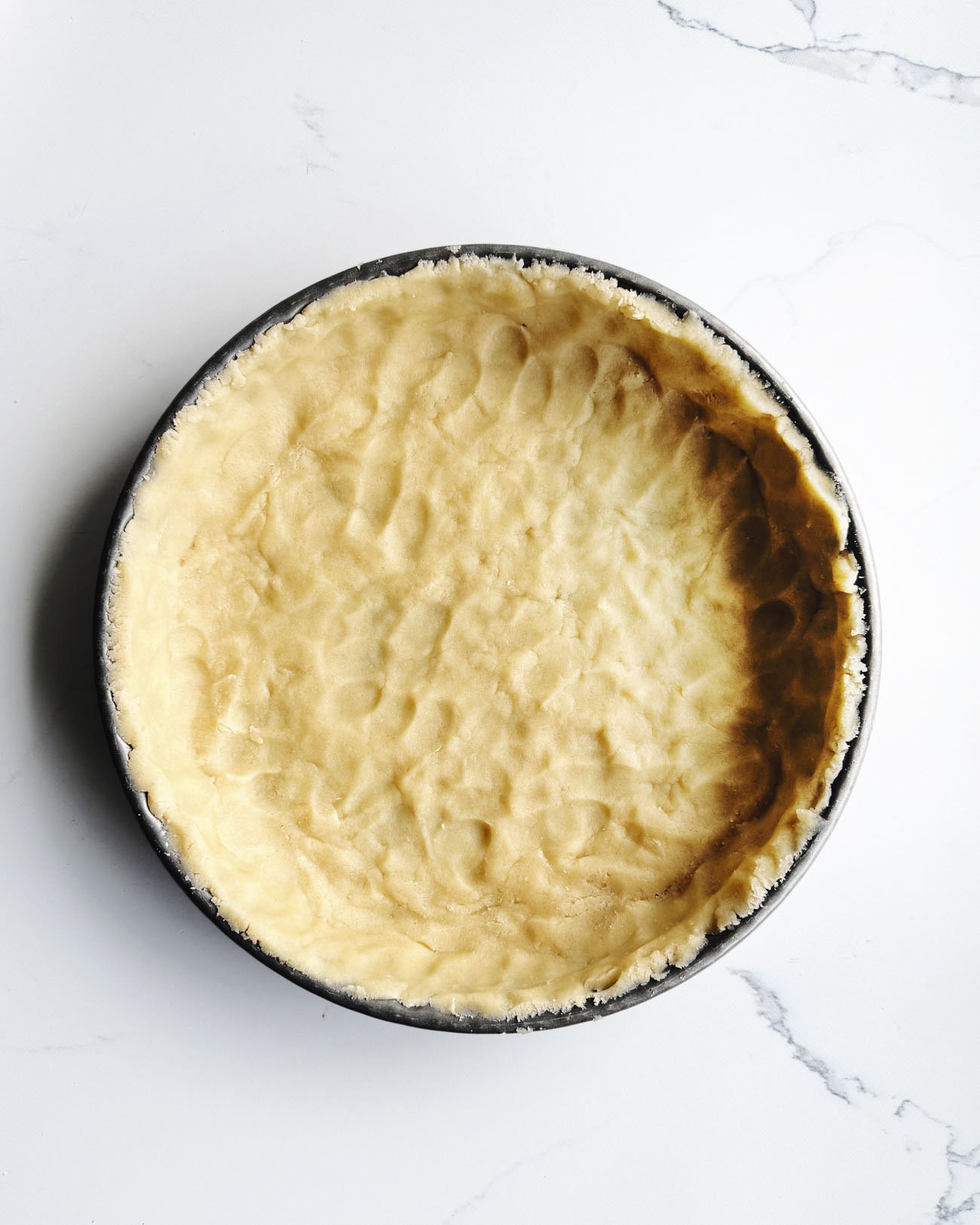
Over the course of twenty years, the tart experienced several key structural and flavor modifications designed to optimize both its taste and its execution for home cooks. One of the most significant adjustments was the implementation of a pat-in-the-pan crust. Traditional rolled pastry doughs often intimidate novice bakers and require precise temperature control; in contrast, a forgiving pat-in-the-pan crust allows for effortless assembly and rapid patching should minor tears occur during preparation, lowering the barrier to entry without sacrificing textural quality.
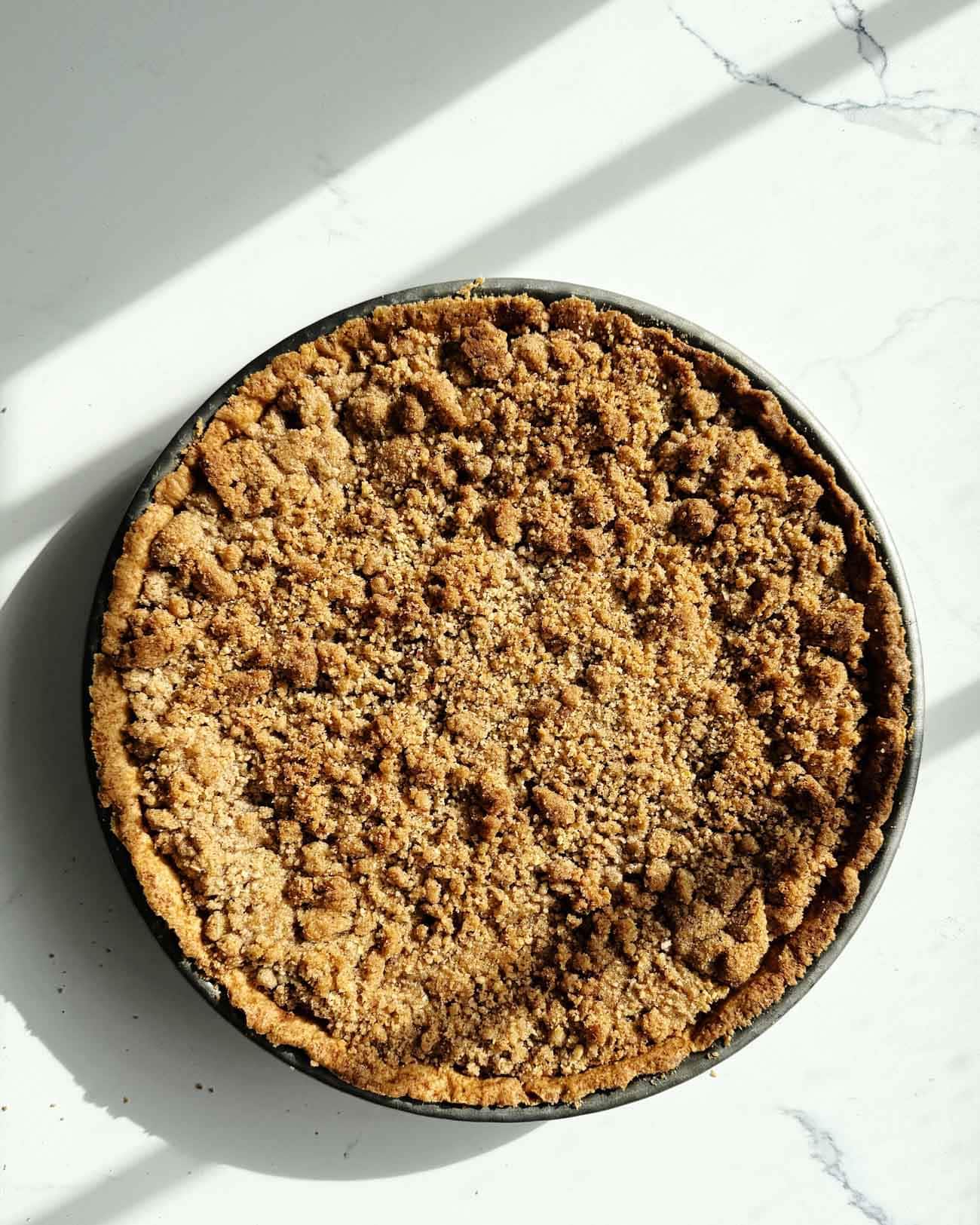
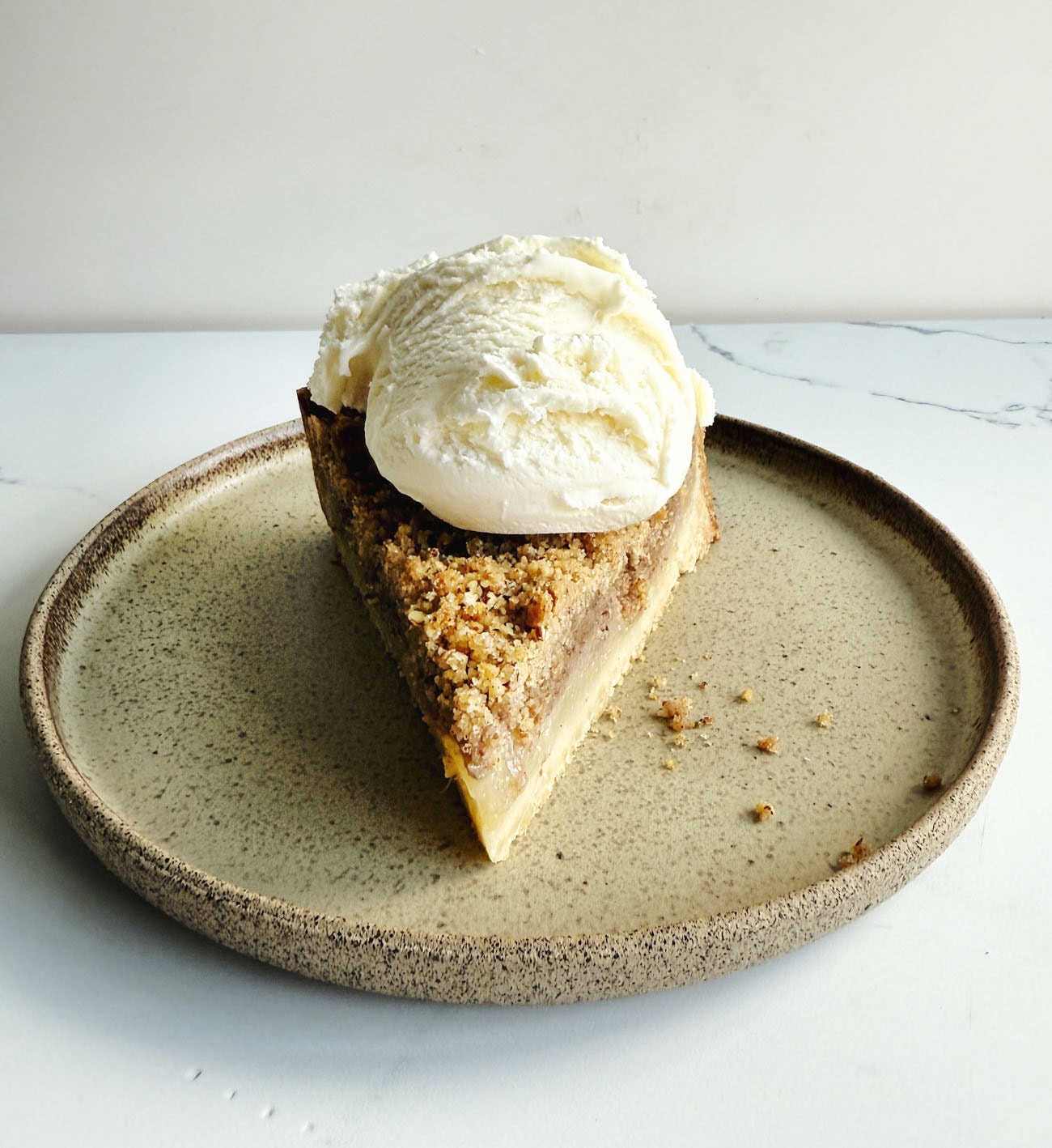
Flavor enhancements were similarly deliberate. The filling was updated with the incorporation of fresh lemon juice to brighten the inherent sweetness of the fruit, alongside pure vanilla extract and freshly grated nutmeg to add aromatic depth. The crowning achievement of the revision process, however, was the development of a signature pecan streusel topping. By introducing toasted pecans into the traditional butter, flour, and sugar crumble, the recipe gained a dynamic textural contrast that pairs the soft, yielding interior of cooked fruit with a rich, nutty crunch.
Technical Notes and Expert Methodology
Achieving consistent results with the pecan streusel pear tart requires adherence to specific technical parameters identified during extensive recipe testing. Professional and home bakers alike must navigate several critical stages of the baking process to ensure structural success.
Selection of Fruit
The choice of pear variety is paramount to the structural integrity and moisture balance of the tart. Culinary testing consistently indicates that Bartlett pears are the optimal choice for this application. Unlike firmer varieties that retain a woody texture or fail to release sufficient moisture, Bartlett pears soften uniformly and generate a rich, juicy syrup as they bake, melding seamlessly with the surrounding custard-like filling.
The Necessity of Blind Baking
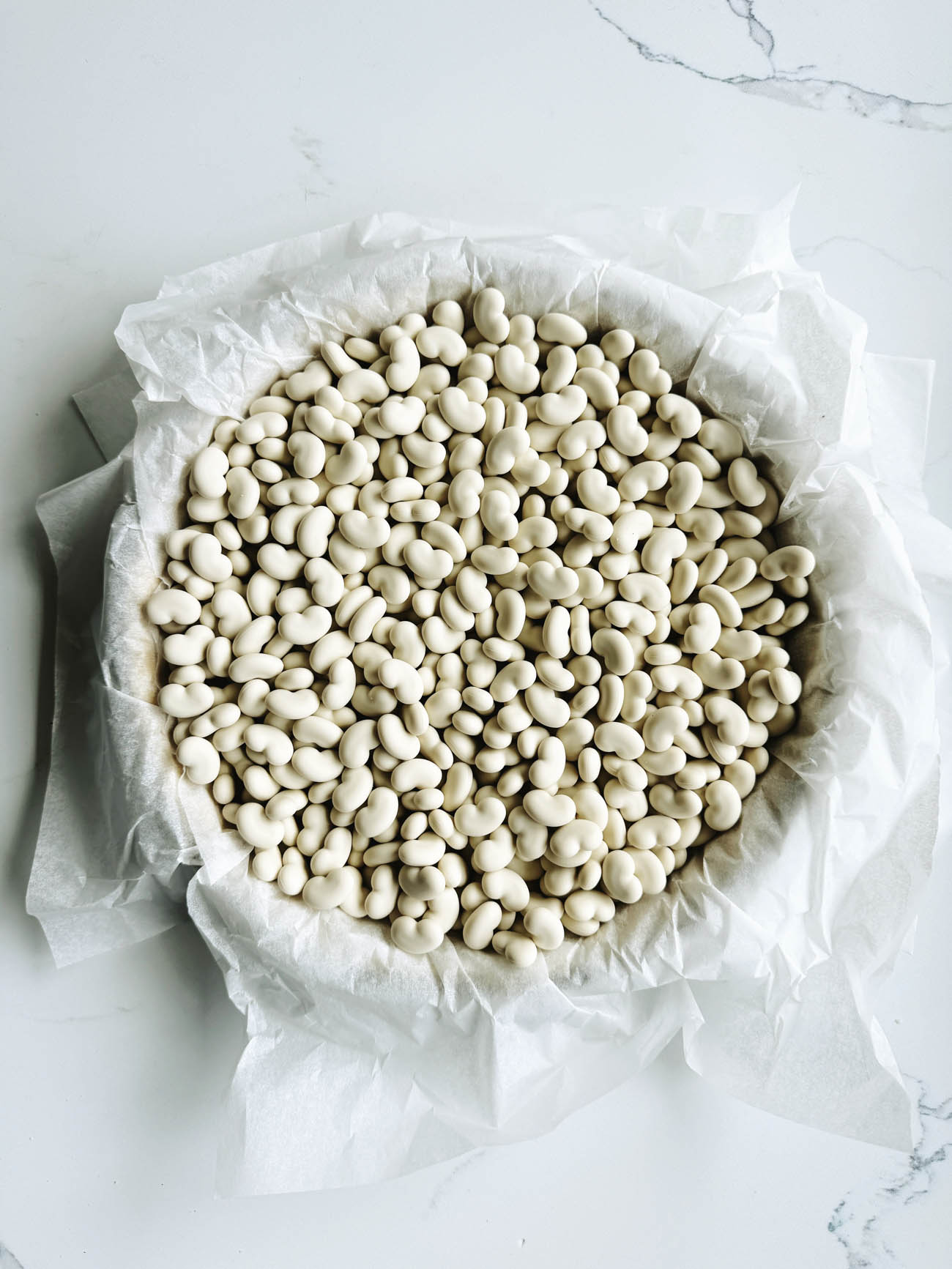
A common pitfall in fruit tart production is the development of a soggy bottom crust. To counteract this, blind baking—the process of pre-baking the pastry shell weighted down by baking beans—is designated as a mandatory step. Culinary experts, including prominent pastry authorities, emphasize the utility of modern innovations such as reusable silicone baking beans. These tools provide even weight distribution, prevent the crust from shrinking during the initial baking phase, and offer the added convenience of dishwasher-safe maintenance, streamlining the cleanup process for commercial and residential kitchens alike.
Monitoring Baking Progression
Baking times for fruit tarts are inherently variable, dependent largely upon the ambient temperature, oven calibration, and the precise ripeness of the pears utilized. Bakers are advised to look for visual cues rather than relying strictly on a set timer. Specifically, the tart must remain in the oven until the filling is actively bubbling throughout, indicating that the starches have set and the natural fruit sugars have achieved optimal caramelization.
Broader Impact and Seasonal Implications
As consumer preferences increasingly pivot toward nostalgic, comforting foods crafted with transparent ingredients, heritage recipes like the pecan streusel pear tart occupy a vital space in modern culinary traditions. While initially conceived as a staple for the crisp autumn months, the dessert’s versatile flavor profile—combining orchard-fresh fruit with warm spices and toasted nuts—has secured its place as a favored centerpiece for Thanksgiving gatherings and broader winter holiday celebrations.
The journey of this tart from a localized Minneapolis coffeehouse offering to a widely documented seasonal favorite highlights the enduring value of recipe evolution. By merging authoritative foundational techniques from classic American cooking literature with decades of hands-on professional refinement, the recipe serves as a bridge between generations of bakers, demonstrating that even the most well-established culinary traditions can be successfully adapted to meet the demands of contemporary tastes.
Related posts: