The contemporary baking landscape has experienced a profound shift toward inclusivity, driven by dietary restrictions, consumer health awareness, and the demand for simplified culinary processes. Among the latest developments in home baking is the introduction of the 1-Bowl Honey Almond Snack Cake, a recipe engineered to meet stringent dietary requirements without sacrificing traditional texture or flavor profiles. Designed to be completely gluten-free and dairy-free, this loaf-style cake addresses the needs of individuals navigating celiac disease, non-celiac gluten sensitivity, and lactose intolerance, while simultaneously catering to mainstream consumers seeking wholesome snack options.
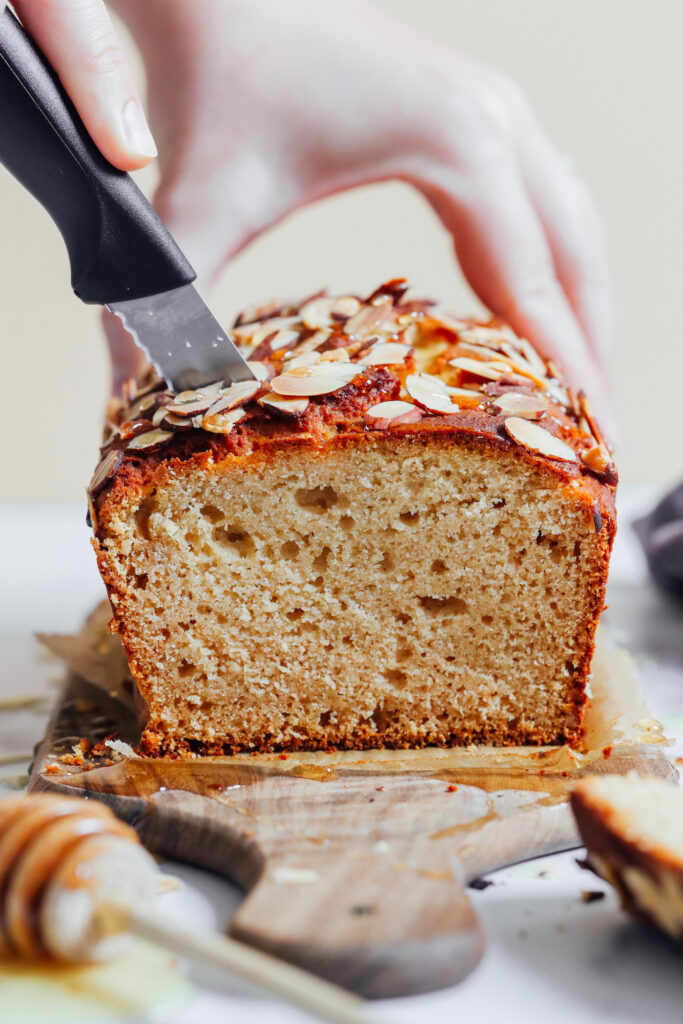
Culinary innovation in the allergen-friendly sector has historically struggled with structural integrity and mouthfeel. Traditional baking relies heavily on gluten proteins to trap air and provide elasticity, while dairy fats contribute to moisture and tenderness. Removing these components often results in dry, crumbly, or overly dense baked goods. However, the formulation of the Honey Almond Snack Cake leverages specific alternative ingredients—namely a specialized gluten-free flour blend, almond flour, and dairy-free yogurt—to replicate the light, spongy texture typically associated with conventional wheat-based cakes.
Background Context and Nutritional Evolution
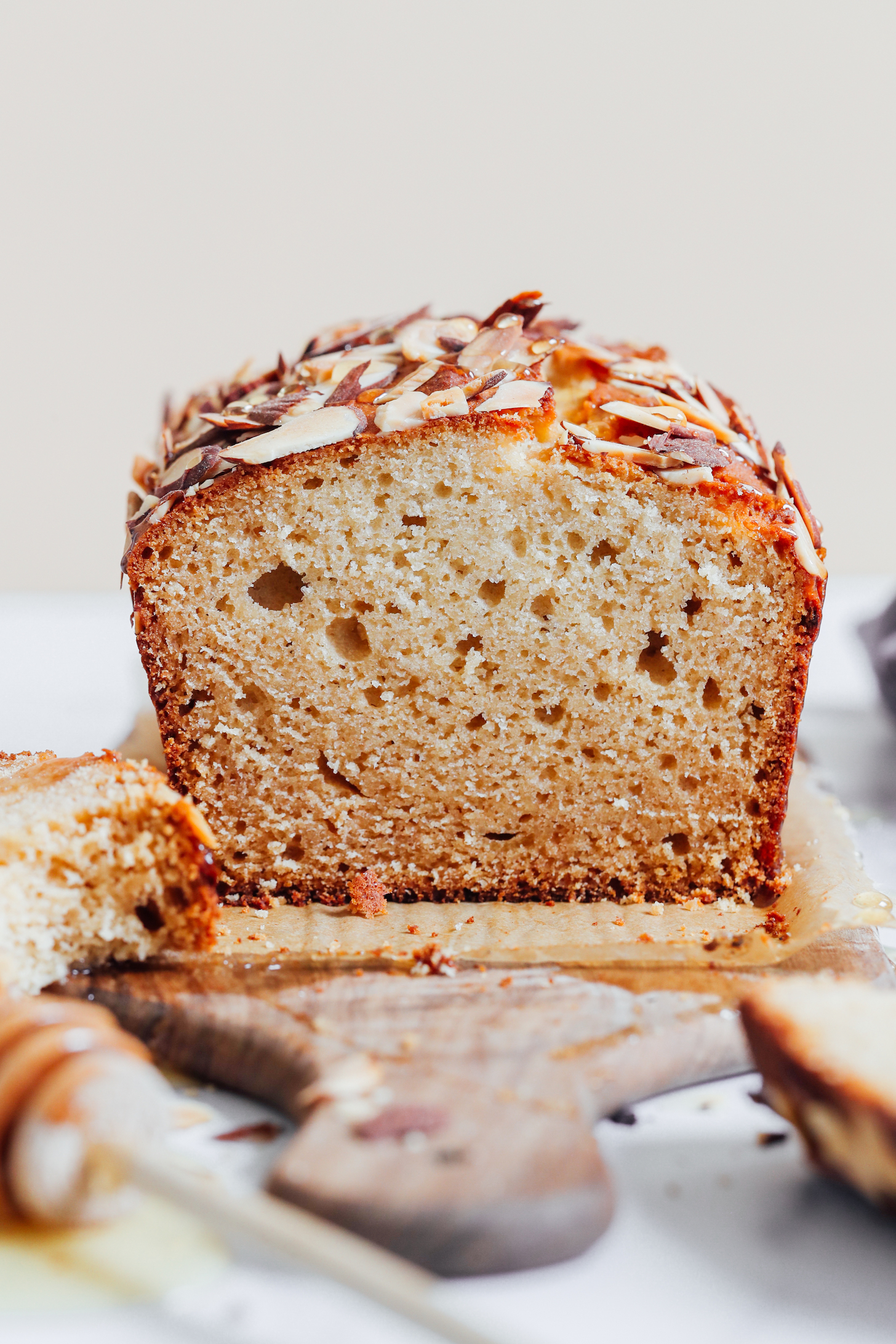
The rise of allergen-conscious baking is not merely a passing culinary trend, but a reflection of broader demographic and health shifts. According to epidemiological studies, the prevalence of diagnosed celiac disease affects roughly one percent of the global population, while a significantly larger percentage reports self-identified gluten sensitivities. Concurrently, market research indicates that the global gluten-free bakery market has expanded exponentially over the past decade, projected to reach multi-billion-dollar valuations as consumers increasingly associate allergen-free eating with general wellness.
In parallel, the demand for "snack cakes"—baked goods intended for casual consumption alongside coffee or tea rather than as formal celebration desserts—has grown. Consumers are increasingly scrutinizing the ingredient labels of commercially manufactured snack foods, pushing home bakers and artisanal brands alike toward recipes utilizing natural sweeteners and whole-food components. Honey, a primary component of this new recipe, offers a natural alternative to refined white sugars, contributing both complex carbohydrates and distinct floral flavor notes. Furthermore, the incorporation of almond flour introduces healthy monounsaturated fats, plant-based protein, and dietary fiber, shifting the nutritional profile of the snack cake away from empty carbohydrates toward a more nutrient-dense option.
Methodology and Chronology of Preparation
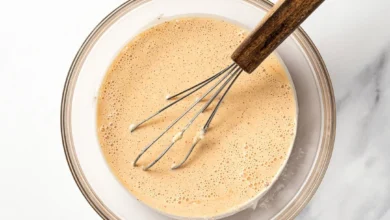
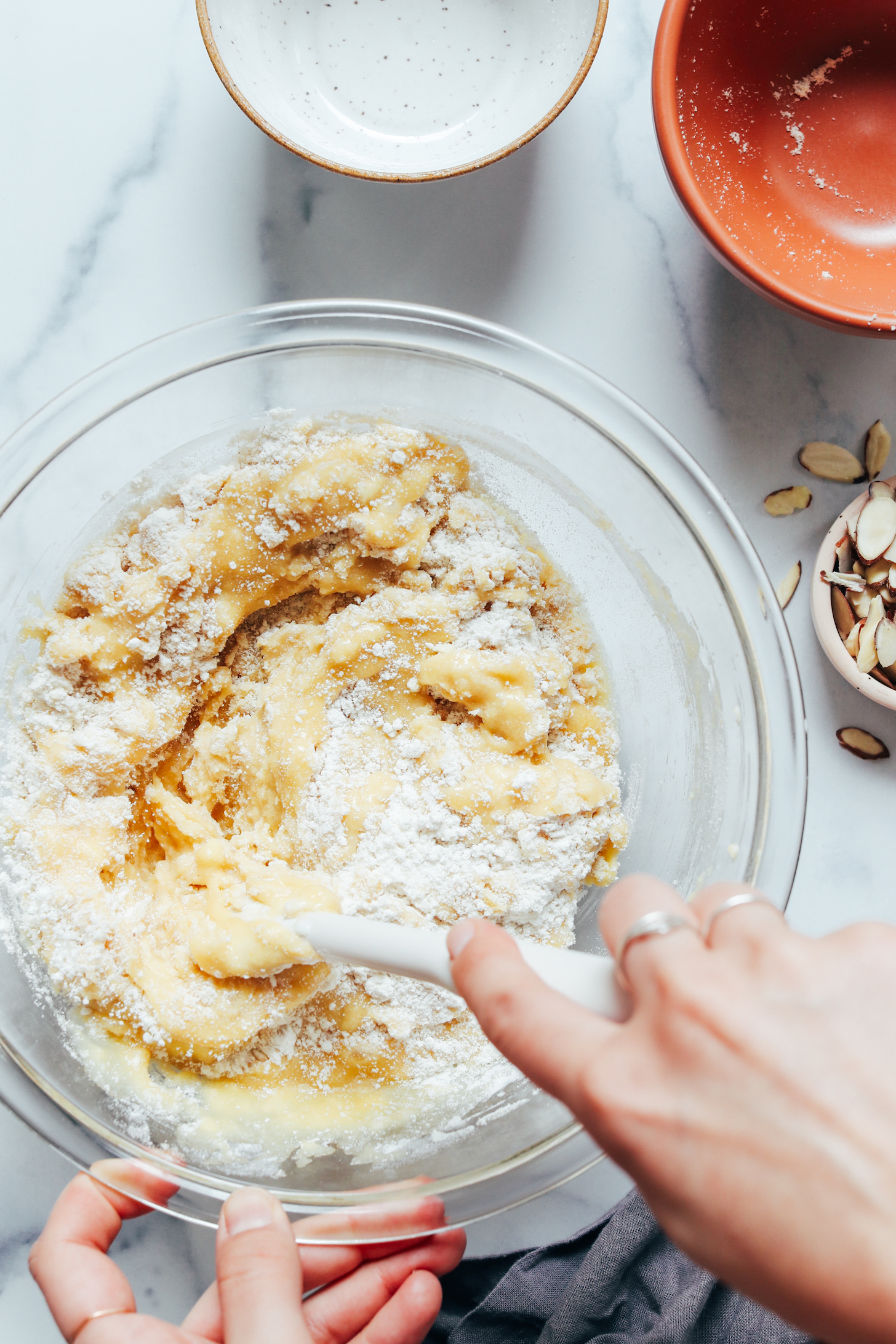
The production methodology of the 1-Bowl Honey Almond Snack Cake has been streamlined to minimize preparation time and kitchen cleanup, addressing the constraints of modern lifestyles where convenience is paramount. Traditional baking protocols frequently require multiple vessels for separating dry ingredients, whisking wet components, and creaming fats and sugars. In contrast, this recipe utilizes a streamlined one-bowl technique.
The preparation timeline is divided into distinct operational phases:
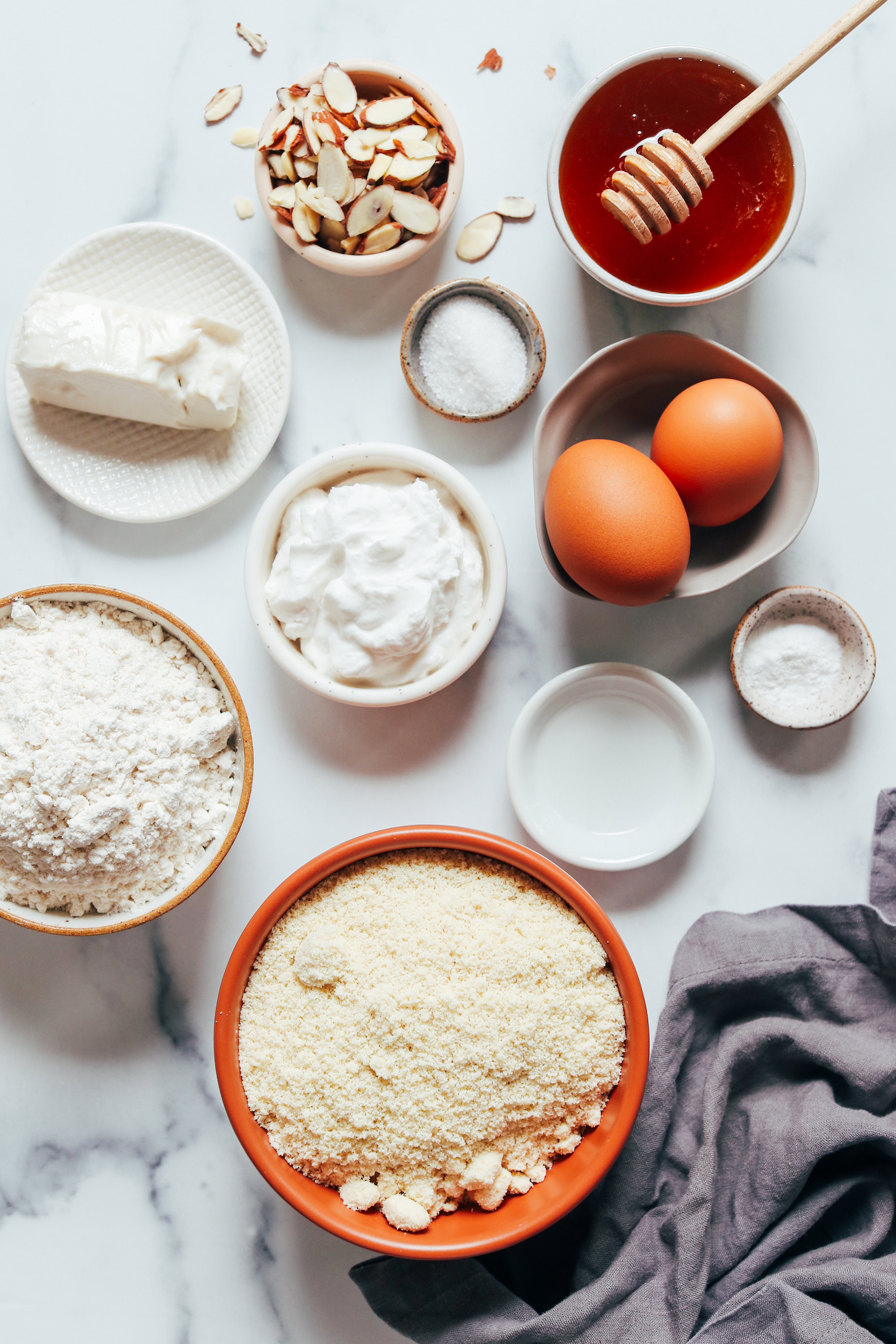
- Preparation Phase (10 Minutes): The process begins with the assembly of the ten core ingredients: almond flour, a gluten-free flour blend, dairy-free butter, sliced almonds, dairy-free yogurt, salt, eggs, honey, and almond extract. The baker combines the wet components within a single mixing vessel, followed by the incorporation of the dry ingredients using basic manual stirring methods, eliminating the need for electric mixers or specialized culinary machinery.
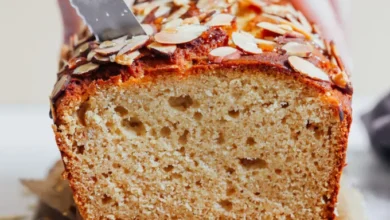
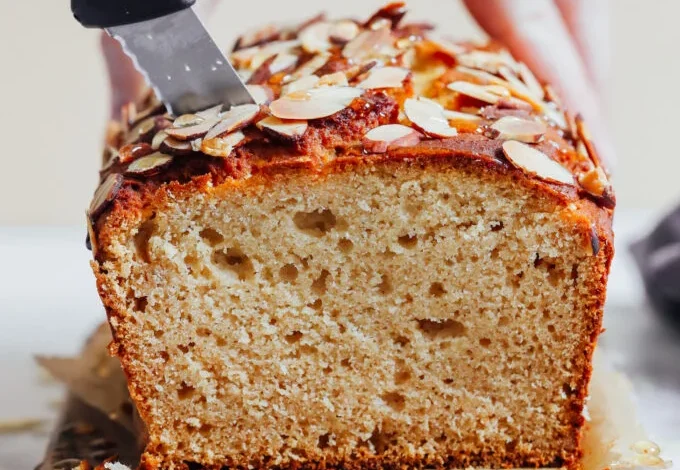
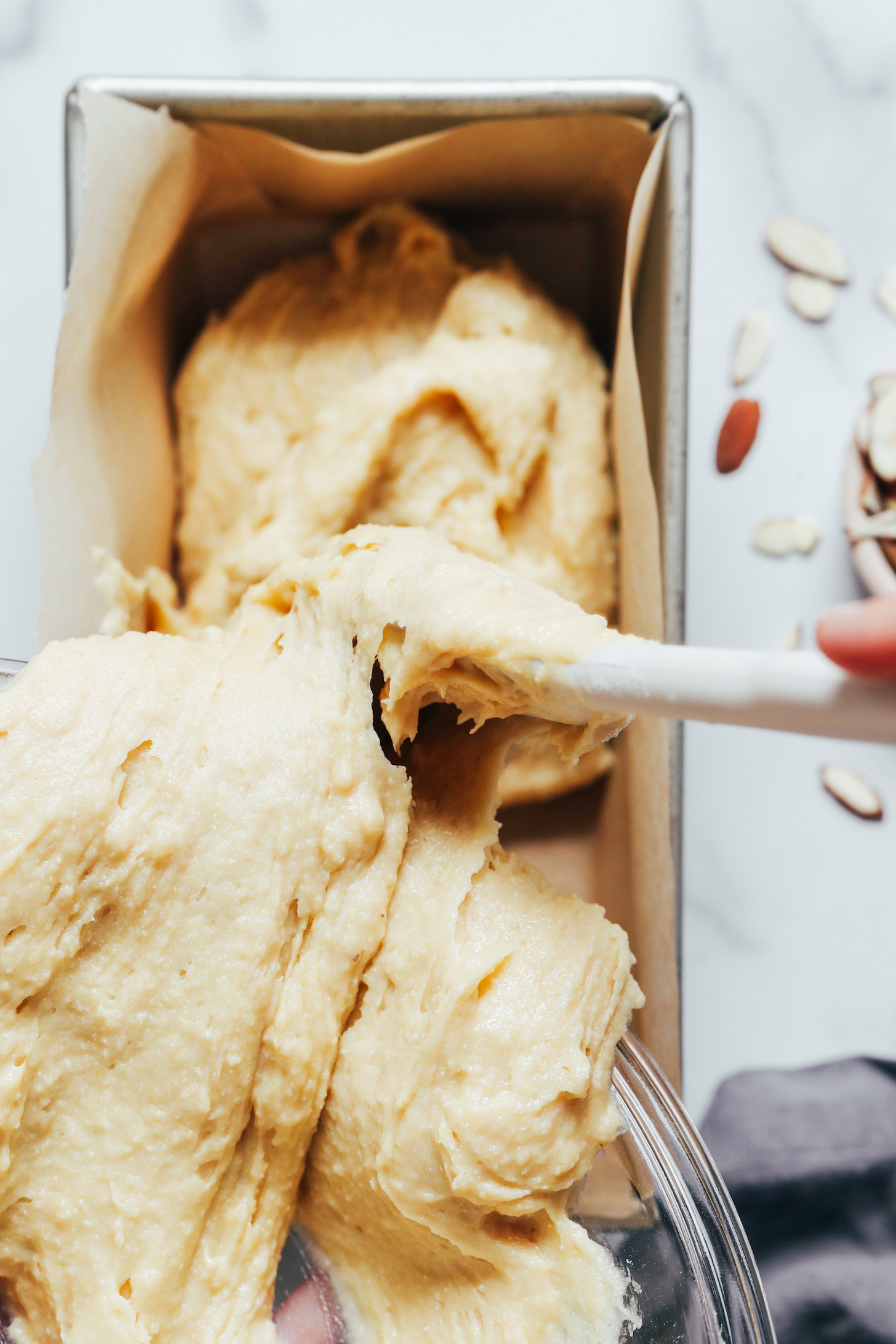
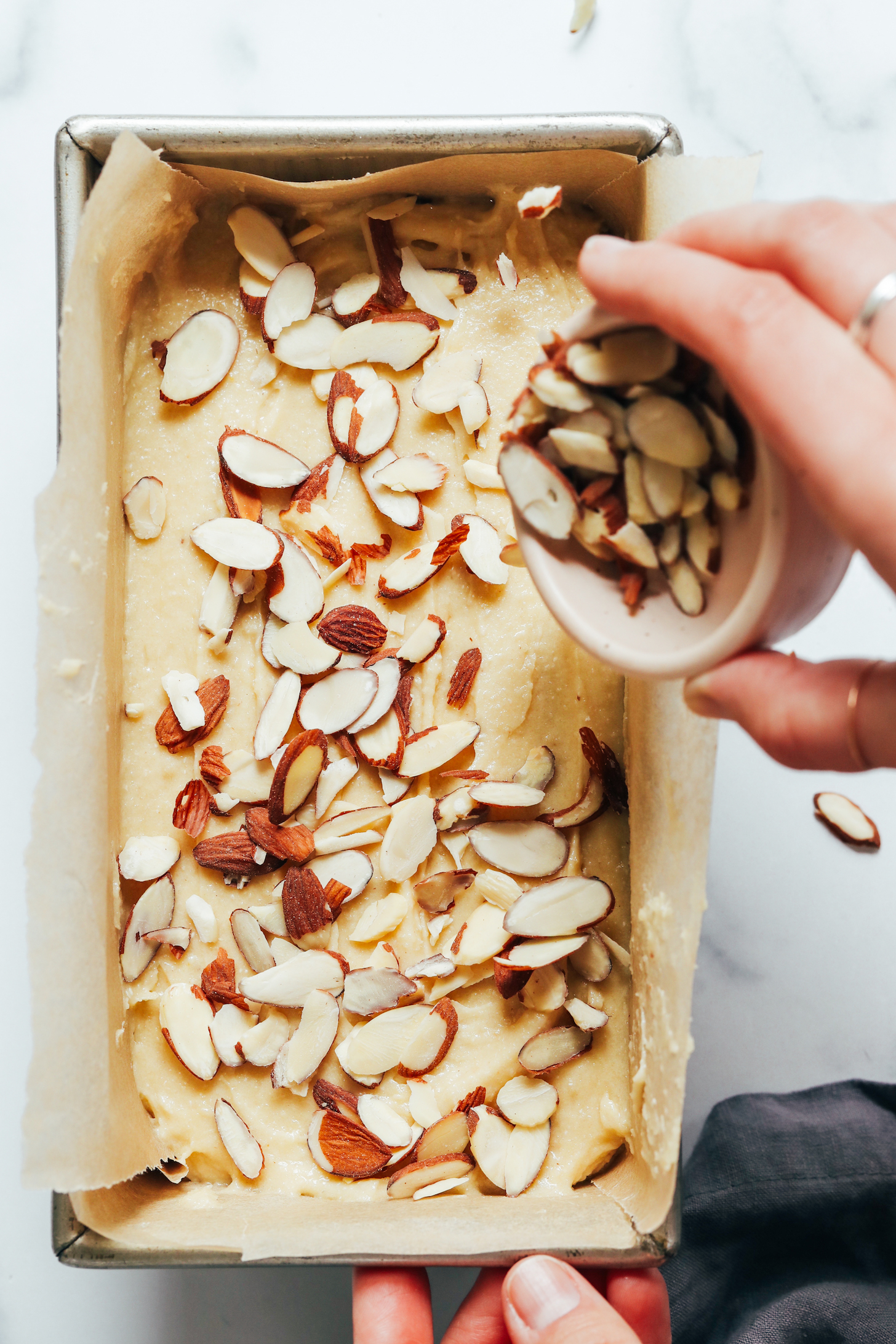
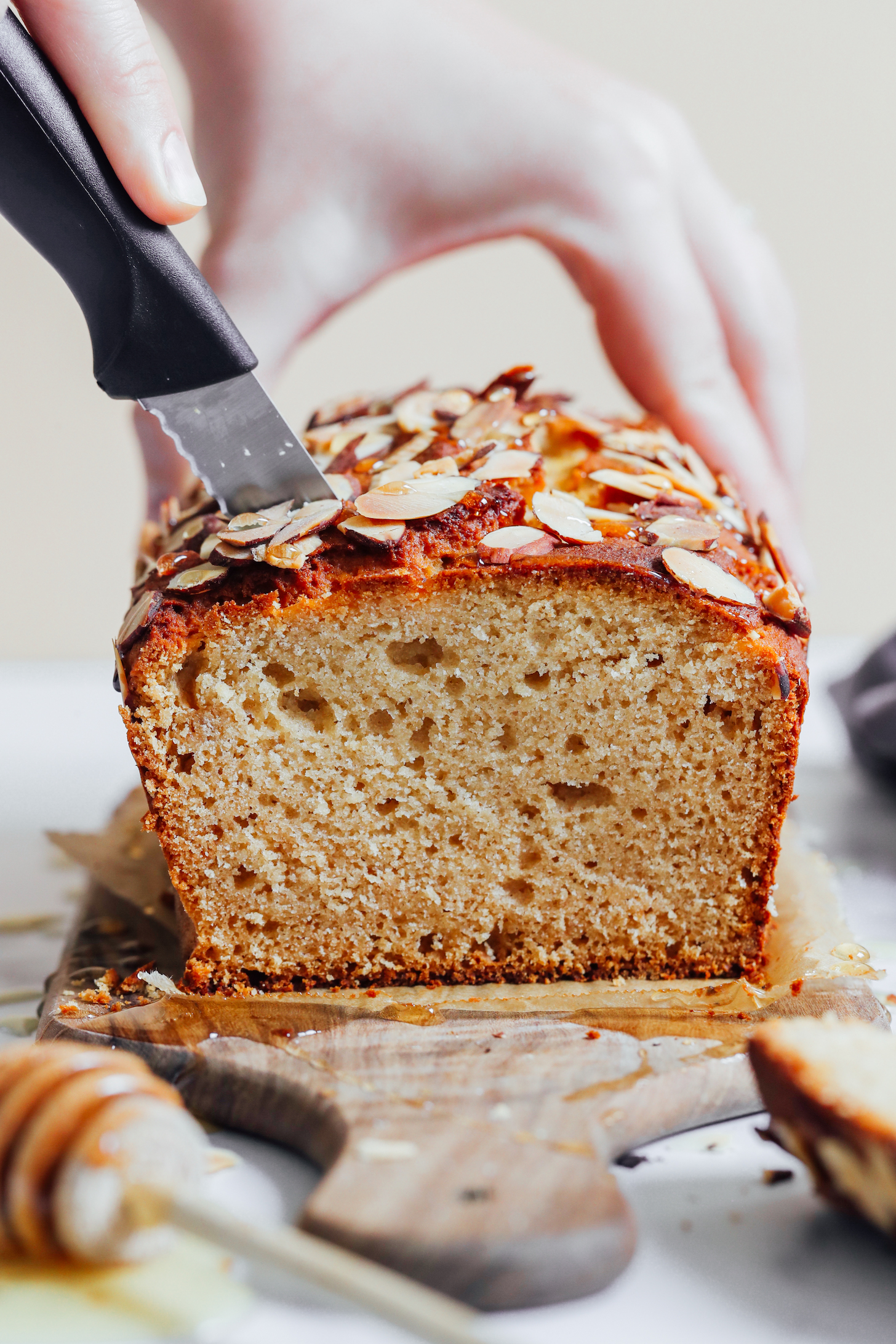
- Assembly Phase: The resulting batter is transferred into a standard loaf pan lined with parchment paper. This lining serves a dual operational purpose: it prevents adhesion between the batter and the metallic surface during the thermal cooking process and facilitates the safe extraction of the fragile, gluten-free structure post-baking. An alternative preparation in an 8-inch round cake pan is also viable, though it requires a shorter thermal exposure time due to the shallower depth of the batter. Prior to baking, the surface is garnished with sliced almonds to provide a contrasting textural crunch.
- Thermal Processing Phase (45 Minutes): The filled pan is subjected to a controlled thermal environment in an oven preheated to standard baking temperatures. Over the course of approximately 45 minutes, the leavening agents and proteins react to create a uniform rise and a golden-brown exterior crust, while the interior retains moisture via the fat content of the almond flour and dairy-free yogurt.
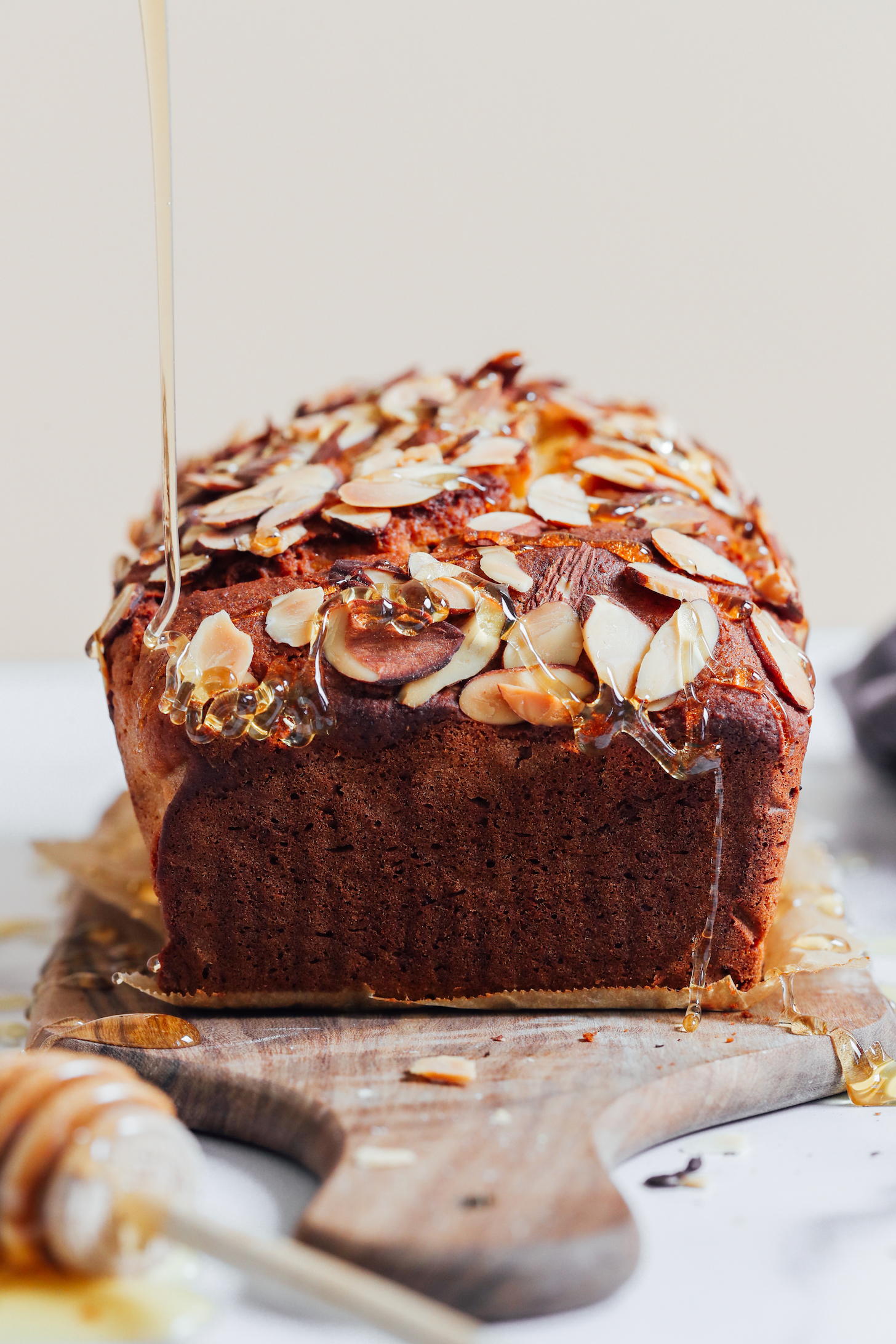
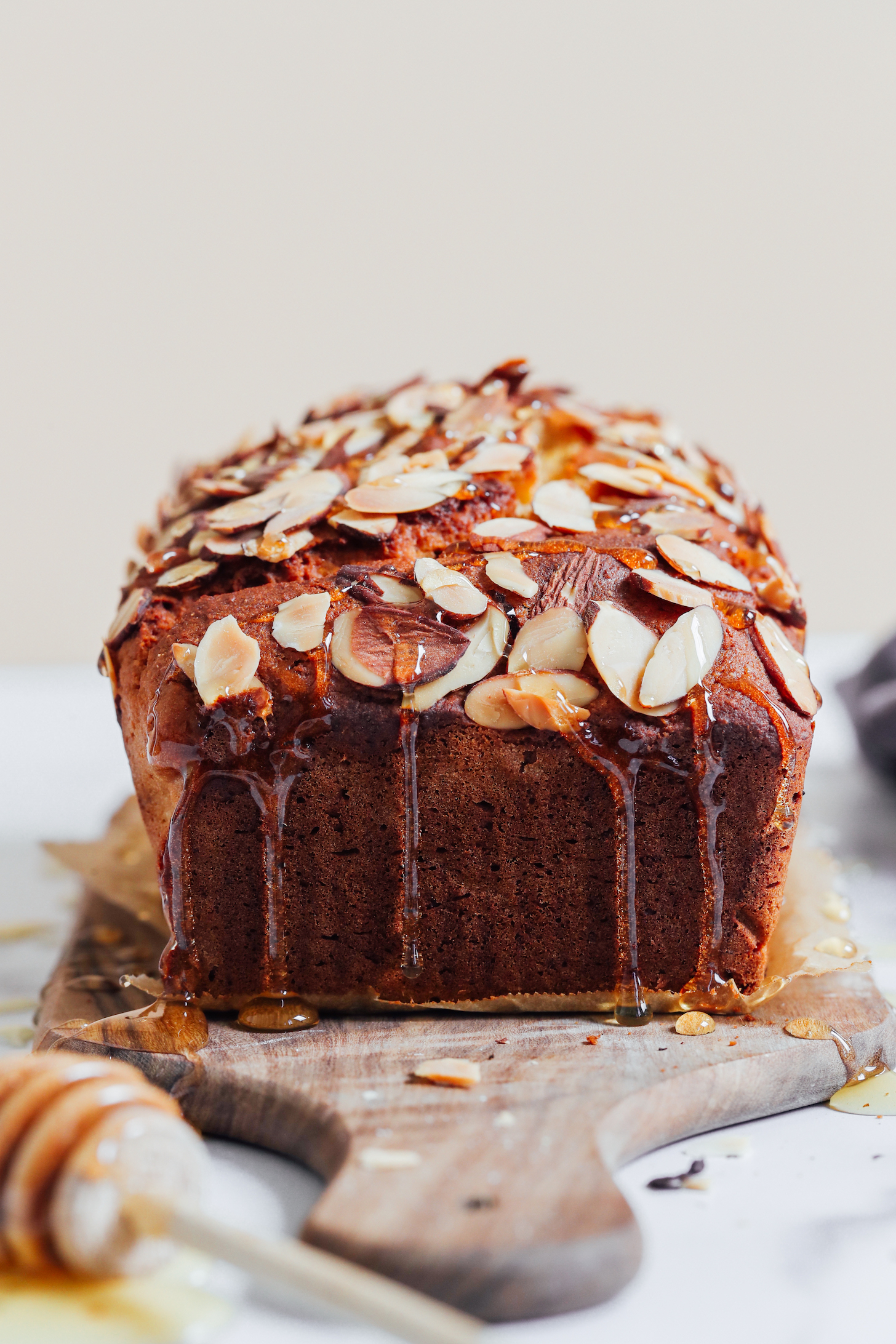
- Finishing and Rest Phase: Upon removal from the thermal environment, the cake undergoes a mandatory cooling period to allow the internal starch molecules to set fully. The process concludes with an optional post-bake honey drizzle, enhancing both the surface sheen and the localized sweetness of the crust.
Ingredient Profile and Technical Substitutions
The formulation relies on a precise balance of ten fundamental components. While the standard recipe mandates specific allergen-free elements, culinary testing and formulation notes provide guidance for dietary adaptations:
- Flours: A combination of almond flour and a specialized 1:1 gluten-free flour blend ensures structural stability. Formulators note that original DIY gluten-free flour blends as well as commercially available alternatives, such as Bob’s Red Mill 1:1 Baking Flour, serve as effective direct substitutes.
- Binding Agents: Standard medium eggs are utilized to provide structural lift and emulsification. For consumers adhering to vegan diets, preliminary testing suggests that substitutions such as applesauce (at a ratio of 5 tablespoons) or aquafaba may serve as viable egg replacements, though formal optimization for these alternatives remains ongoing.
- Fats and Moisture: Dairy-free butter and dairy-free yogurt replace conventional dairy fats. This combination introduces necessary moisture without weighing down the delicate crumb structure of the gluten-free flour.
- Flavor Enhancers: Honey and a measured quantity of almond extract contribute to the distinct flavor profile, characterized by a light floral aroma and nutty undertones.
Nutritional Profile and Dietary Metrics
From a nutritional standpoint, a single standard serving (calculated as one of twelve equal slices) yields approximately 245 calories. The macronutrient breakdown reflects a moderate energy density, containing roughly 33.7 grams of carbohydrates, 3.7 grams of protein, and 11.8 grams of total fat, of which 5.7 grams are saturated fats. The inclusion of almond derivatives contributes trace amounts of dietary fiber (1.7 grams per serving) and essential minerals, including calcium (81 mg) and iron (1.2 mg), distinguishing the snack cake from ultra-processed commercial bakery items that rely on refined starches and synthetic additives.
Storage and Preservation Analysis
Given the absence of artificial preservatives, shelf-life management is an important consideration for home bakers and commercial producers alike. Laboratory and kitchen testing indicate that the cake maintains optimal sensory qualities—including moisture retention and crumb elasticity—for three to four days when stored in an airtight container at ambient room temperature.
For longer preservation horizons, the product demonstrates excellent freezer-friendly characteristics. Sliced portions can be individually wrapped and stored in sub-zero freezer environments for up to one month without significant degradation of texture or flavor profile, provided they are protected from freezer burn through proper vacuum or airtight wrapping techniques.
Broader Industry Implications
The introduction and popularization of recipes such as the 1-Bowl Honey Almond Snack Cake highlight several broader trends within the culinary and food manufacturing industries. First, it underscores the democratization of specialized diets; individuals with dietary restrictions no longer need to invest in complex, multi-step culinary projects or purchase expensive, pre-packaged specialty goods to achieve high-quality results.
Second, the emphasis on single-vessel preparation reflects consumer demand for efficiency. As home cooking rebounds in response to economic and health considerations, recipes that reduce equipment usage, minimize cleanup time, and rely on accessible pantry staples gain disproportionate traction across digital food media platforms.
Finally, the recipe illustrates the ongoing evolution of flavor science in allergen-free cooking. By utilizing naturally flavorful ingredients—such as honey, almond flour, and almond extract—formulators can mask the distinct flavor profiles often associated with alternative flours and starches, resulting in a product that appeals universally to both restricted and unrestricted eaters. As consumer preferences continue to trend toward transparency, health, and convenience, the integration of these formulation principles is expected to influence future developments in both home baking and commercial pastry arts.