The Evolution of One-Pot Culinary Techniques
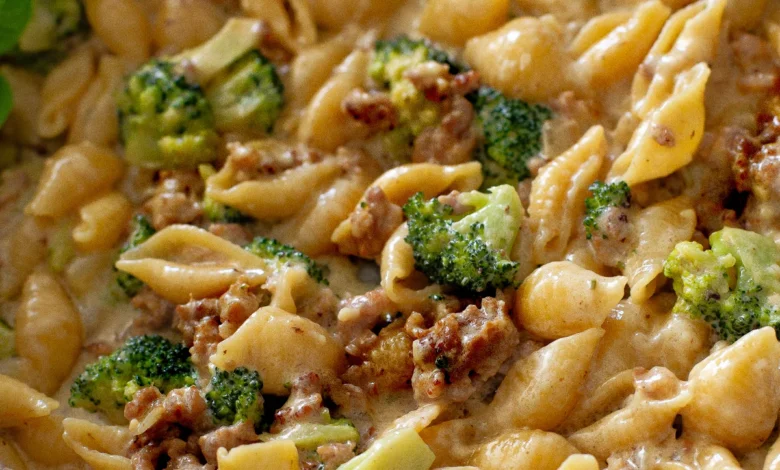
The concept of the one-pot meal is not a recent innovation; rather, it is a modernized iteration of traditional stews, braises, and risottos that have been staples of global cuisine for centuries. However, the contemporary iteration—specifically the One-Pot Sausage Broccoli Pasta—focuses on the rapid integration of proteins, starches, and fiber-rich vegetables into a single cooking cycle.
Historically, pasta preparation required separate boiling vessels for water and sauce components. The "one-pot" technique challenges this convention by utilizing the starchy pasta water to create a self-emulsifying sauce base. As the pasta cooks, it releases amylose, which, when combined with the rendered fats from the Italian sausage and the moisture from the broccoli, forms a creamy, cohesive binder. This chemical process eliminates the necessity for traditional flour-based roux or heavy cream additives, appealing to consumers seeking efficient and streamlined cooking processes.

Nutritional Profile and Dietary Considerations
The nutritional composition of the dish is defined by its macronutrient density. According to standardized culinary data, a single serving of this preparation provides approximately 767 kilocalories. This caloric density is largely attributed to the inclusion of protein-rich Italian sausage, which typically features a balanced ratio of saturated and monounsaturated fats.
From a dietary standpoint, the incorporation of broccoli offers significant micronutrient advantages. Broccoli is a recognized source of Vitamin C, Vitamin A, and dietary fiber. When prepared in a one-pot fashion, the broccoli is subjected to a controlled thermal environment that preserves its structural integrity while allowing it to absorb the savory notes of the sausage drippings. Culinary analysts note that the addition of red pepper flakes or the substitution of traditional pork sausage with lean turkey sausage allows for significant adjustments to the dish’s overall lipid profile and spice intensity, providing versatility for various dietary preferences.
Chronology of Modern Weeknight Cooking Trends
The rise of the One-Pot Sausage Broccoli Pasta can be viewed through the lens of recent culinary trends spanning the last decade. The timeline of this shift follows a clear trajectory:

- 2014–2017: Increased interest in "meal prepping" and "batch cooking" leads to a surge in demand for simplified kitchen workflows.
- 2018–2020: The rise of internet-based recipe platforms and social media cooking tutorials prioritizes dishes with fewer than five steps and minimal dishwashing requirements.
- 2021–2023: Economic shifts and inflation prompt a return to high-yield, cost-effective meals. The use of staples—pasta, bulk-purchased frozen or fresh broccoli, and accessible protein sources like sausage—becomes a dominant strategy for household budget management.
- Late 2023–Present: The formalization of the "One-Pot" category in mainstream culinary literature, with recipes like the Sausage Broccoli Pasta serving as benchmarks for efficiency.
Economic and Logistical Implications for Households
The primary driver for the popularity of this dish is the optimization of time and resource management. For the average household, the 30-minute window for preparation is a critical threshold. By eliminating the secondary boiling step, the home cook reduces active labor time by an estimated 25 to 40 percent.
Furthermore, the dish addresses the "bulk-buy" phenomenon. Many consumers utilize warehouse-style retailers to purchase ingredients in large quantities—such as multi-pound bags of broccoli florets. Recipes that integrate these bulk items into a singular, high-utility dish reduce food waste and ensure the consumption of perishable produce before expiration. The adaptability of the recipe—specifically the capacity to store and reheat leftovers by introducing small amounts of broth or milk to rehydrate the starch—aligns with contemporary food sustainability initiatives aimed at minimizing household waste.
Culinary Analysis of Ingredient Integration
The success of the One-Pot Sausage Broccoli Pasta relies on the precise timing of ingredient incorporation. Unlike traditional pasta dishes where components are prepared independently, this method requires a sequential layering of elements:

- Protein Rendering: The Italian sausage is browned first, creating a base of rendered fat that serves as the flavor foundation.
- Aromatic Infusion: Garlic, onions, or red pepper flakes are often sautéed in the residual fat to deepen the profile.
- Starch and Liquid Equilibrium: The pasta and liquid (typically broth or water) are added simultaneously. The ratio of liquid to starch is critical; too much results in a diluted sauce, while too little leads to uneven cooking.
- Vegetable Integration: The broccoli is introduced at a specific interval. If added too early, the vegetable loses its texture; if added too late, it remains raw. Halfway through the cooking process is the consensus for achieving a tender yet distinct texture.
Industry Reactions and Expert Perspectives
Professional chefs and home economics experts have noted that the "one-pot" phenomenon represents a significant departure from the classical French "mise en place" philosophy, which emphasizes the separate preparation of components. While purists may argue that separate cooking allows for greater control over texture, the empirical consensus from the culinary industry is that the one-pot method offers a superior outcome in terms of flavor integration. Because the starch is cooked directly in the flavorful liquid, the pasta itself becomes a vehicle for the seasoning, rather than merely a substrate for a sauce.
Statements from various culinary outlets suggest that this technique is here to stay. As the cost of labor and energy rises, the efficiency of a single-burner, single-pot preparation becomes an increasingly attractive proposition for families. The ability to produce a high-protein, vegetable-inclusive dinner within half an hour fulfills the core requirements of modern, health-conscious, and time-poor consumers.
Broader Impact on Domestic Food Culture
The implications of such recipes extend beyond the dinner table. The widespread adoption of these methods indicates a fundamental shift in how domestic labor is perceived. By reducing the "cleanup friction" associated with cooking, individuals are more likely to opt for home-prepared meals over processed, store-bought alternatives. This, in turn, has a positive impact on public health outcomes, as it encourages the consumption of whole foods like broccoli and lean proteins over ultra-processed convenience foods.
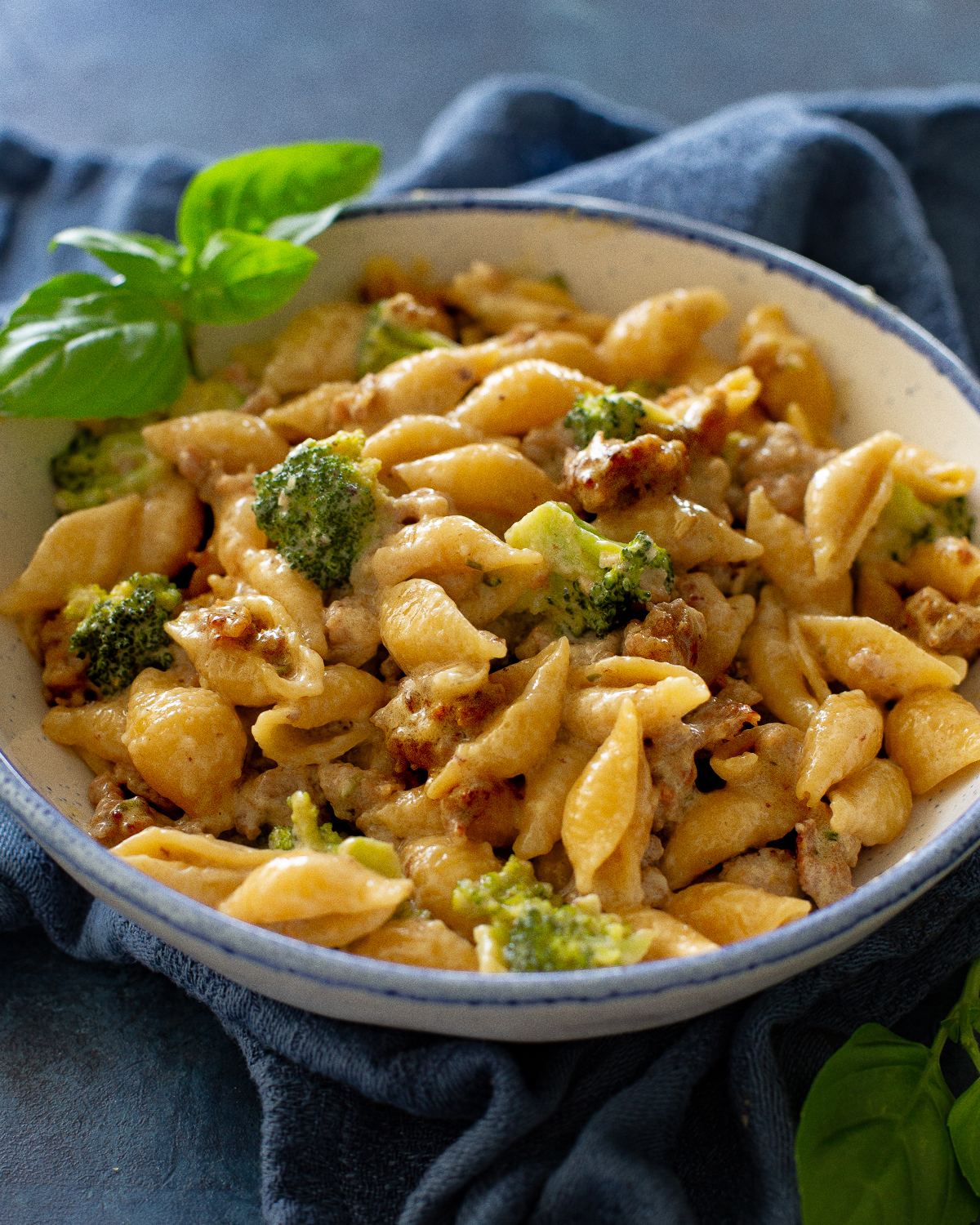
In conclusion, the One-Pot Sausage Broccoli Pasta is more than a simple recipe; it is a manifestation of the current culinary era’s focus on efficiency, sustainability, and nutrient density. As researchers continue to track shifts in domestic food consumption, it is clear that dishes which simplify the cooking process while maintaining high flavor standards will remain at the forefront of the culinary landscape. Through the careful balance of simple, readily available ingredients, this dish provides a replicable solution to the perennial challenge of providing nutritious, timely, and palatable meals in a demanding modern environment.