The Science of Enriched Doughs
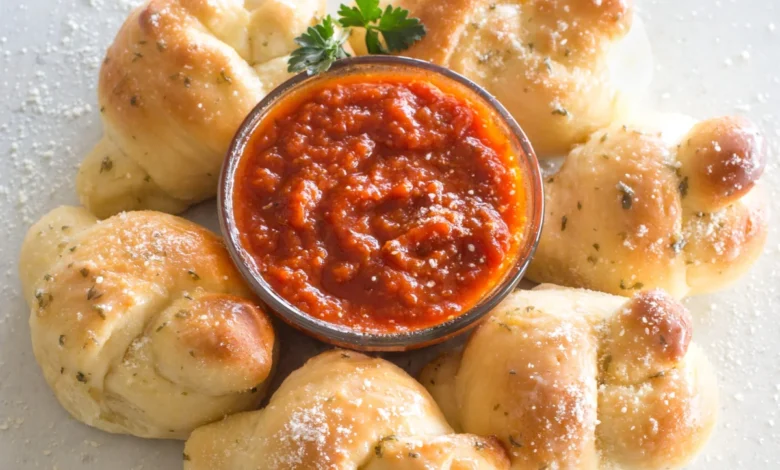
The primary distinction between traditional garlic knots and the modern, soft-and-fluffy variety lies in the baker’s approach to hydration and fat content. Standard pizza dough is classified as a "lean" dough, composed typically of flour, water, salt, and yeast. While this creates the characteristic chew and structural integrity required for stretching pizza crusts, it often yields a dense, sometimes rubbery result when shaped into small knots.
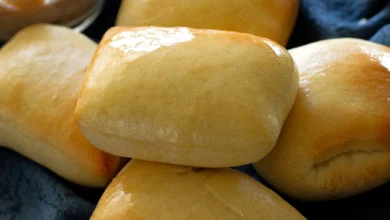
In contrast, the enriched dough used for these specific rolls relies on the inclusion of dairy and lipids. Milk provides natural sugars (lactose) and proteins that contribute to a softer crumb and a golden-brown crust. Butter, when incorporated into the dough, coats the gluten strands, shortening them and resulting in a delicate, tender bite rather than a chewy one. The addition of an egg acts as an emulsifier, binding the ingredients together while adding richness and structure. This chemical composition shifts the final product from a functional side dish into a centerpiece item that mimics the texture of premium brioche or Parker House rolls.
Culinary Context and Consumer Demand
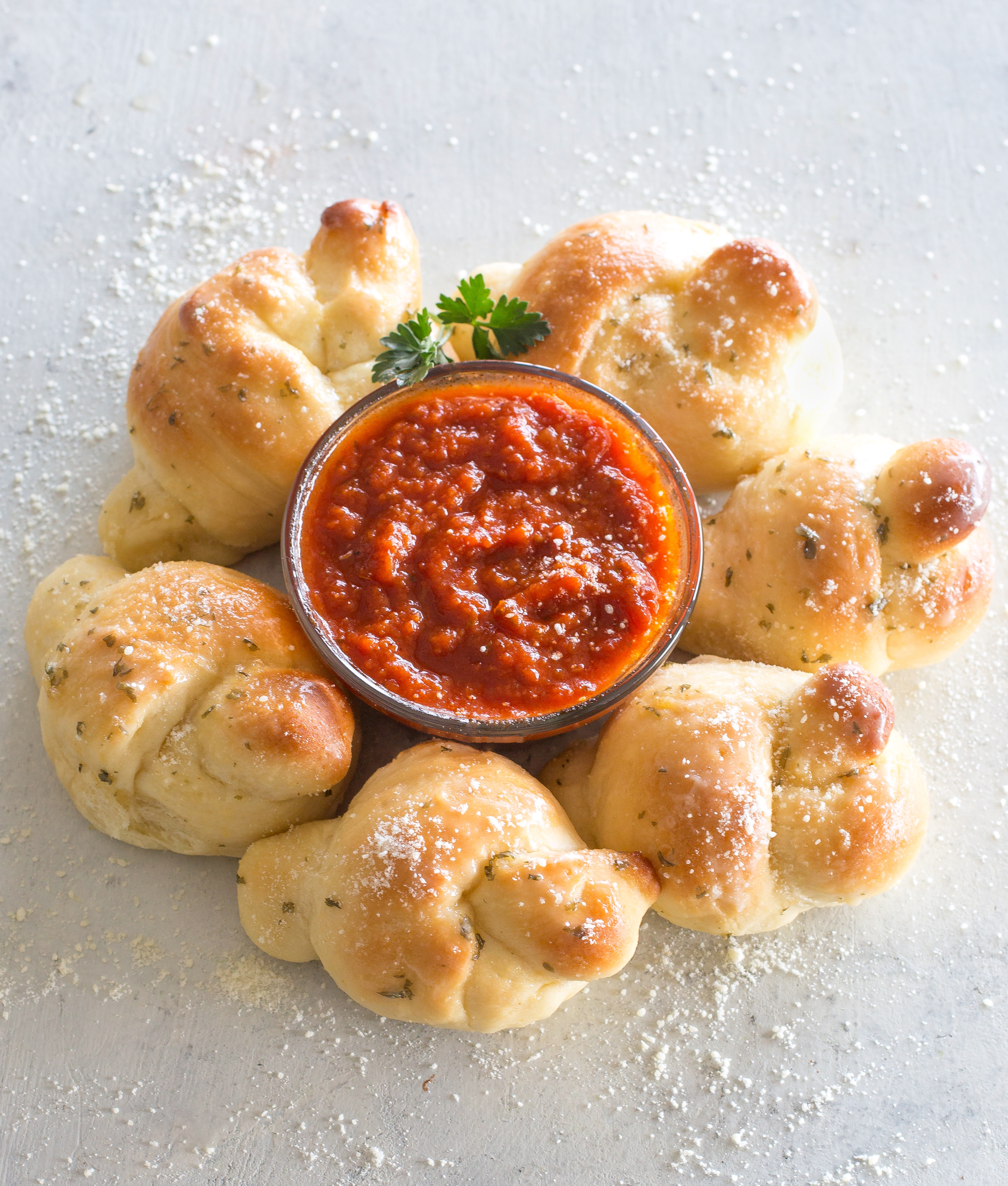
The rise in the popularity of homemade garlic knots mirrors a post-2020 surge in home-baking activities. Market research indicates that consumers are increasingly looking for ways to replicate "restaurant-quality" appetizers at home, with bread-based sides consistently ranking as one of the most requested categories in culinary search metrics.
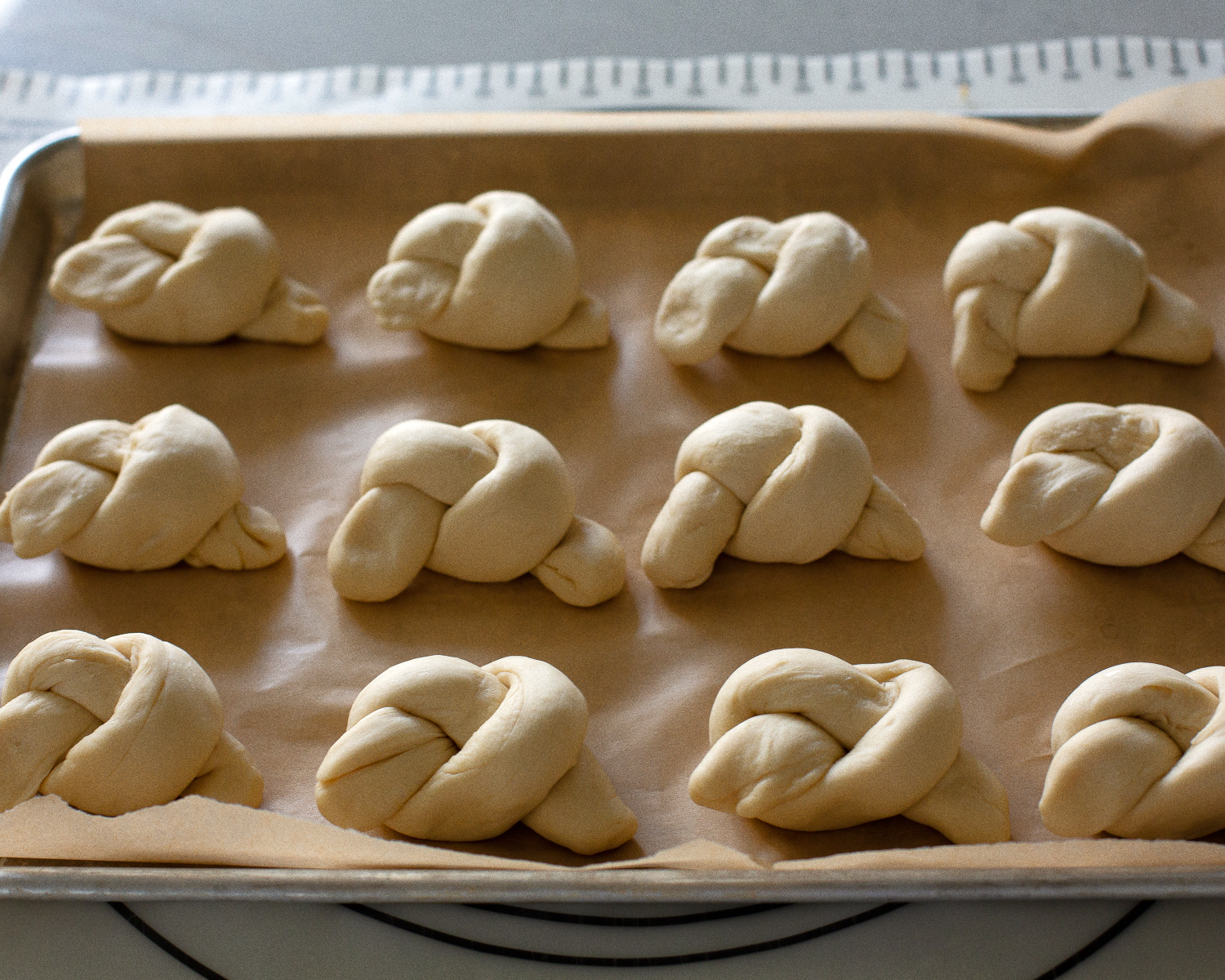
Professional bakers note that the "knot" shape is deceptively complex. While the visual appeal of a tied knot is undeniable, it requires a specific dough consistency to prevent the shape from collapsing during the proofing process. The use of a rich, egg-based dough allows for a more forgiving handling process, making it accessible for home cooks who may lack professional-grade proofing ovens or industrial mixers. The transition from a utilitarian side item to a gourmet home-prepared snack has been facilitated by the widespread availability of high-quality, high-protein bread flours, which support the delicate balance between structural integrity and softness.
Chronology of the Garlic Knot Phenomenon
The origins of the garlic knot are widely attributed to New York City pizzerias in the 1970s. Initially, the concept was a practical solution to food waste; bakers would tie off the remaining scraps of pizza dough, bake them, and toss them in garlic-infused oil to create an inexpensive, high-margin add-on.
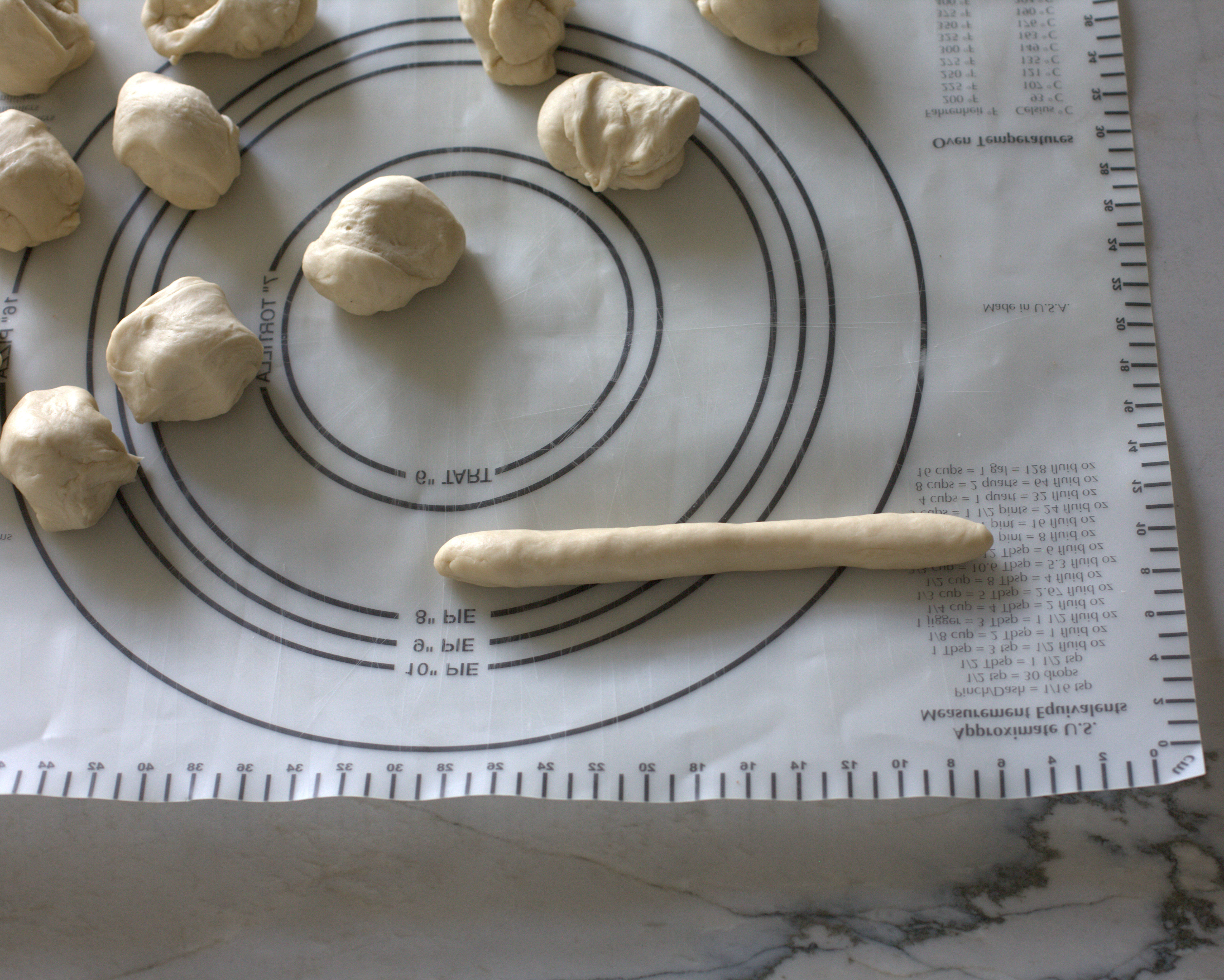
However, the late 2010s and early 2020s saw a paradigm shift. As food blogs and digital culinary platforms rose to prominence, the "pizza scrap" method was critiqued for its inconsistency. The industry responded by developing recipes specifically designed for the knot format. By 2026, the standard for a "high-quality" garlic knot had moved entirely away from repurposed dough. Today’s recipes, characterized by the use of enriched dough, represent the third wave of this evolution: a deliberate, intentional bake that is prepared independently of pizza production.
Data-Driven Perspectives on Baking Trends
Current baking data suggests that the average household consumes roughly 15 to 20 pounds of flour per year, with a significant percentage allocated to yeast-leavened bread products. When analyzing the success of enriched bread recipes, food technologists point to three specific metrics:
- Crumb Softness (Compression Analysis): Enriched doughs show a 30% higher resistance to compression after 24 hours compared to lean doughs, meaning the bread retains its "fresh-baked" feel significantly longer.
- Moisture Retention: The presence of fat from butter and milk prevents the rapid staling often associated with lean doughs, allowing these knots to remain palatable for up to 72 hours if stored in airtight conditions.
- Flavor Profile Complexity: The inclusion of egg and dairy facilitates the Maillard reaction more effectively during the baking process, resulting in a more nuanced, toasted-nut aroma compared to the sharper, more acidic aroma of traditional pizza dough.
Expert Analysis of Preparation Methods
Professional pastry chefs emphasize that the key to achieving the desired "soft and fluffy" texture lies in the handling of the dough. Over-kneading can lead to excessive gluten development, which creates a tough exterior. Conversely, under-kneading prevents the necessary aeration required for the knots to expand during the bake.
The application of the glaze is equally critical. In professional kitchens, the garlic butter is often applied in two stages: once immediately upon exiting the oven to ensure absorption, and a second time after a cooling period to provide a glossy, aromatic finish. The use of fresh minced garlic versus garlic powder is a subject of ongoing debate; however, sensory testing consistently favors fresh garlic for its aromatic potency, while garlic powder is preferred by home cooks for its uniform distribution and lower risk of burning.
Broader Implications and Future Outlook
The trend of "elevated home-baking" suggests that consumers are no longer satisfied with mass-produced bread products. The focus on high-quality ingredients, such as European-style cultured butter and high-protein bread flour, indicates a consumer base that is increasingly educated on the nuances of bread chemistry.
From an economic perspective, the rise of specialized bread recipes supports the growth of the specialty grocery market. As home cooks seek out higher-quality inputs, retailers have responded by expanding their offerings of specialty yeasts, high-protein flours, and premium dairy products. This shift creates a symbiotic relationship between home culinary education and the retail food sector.
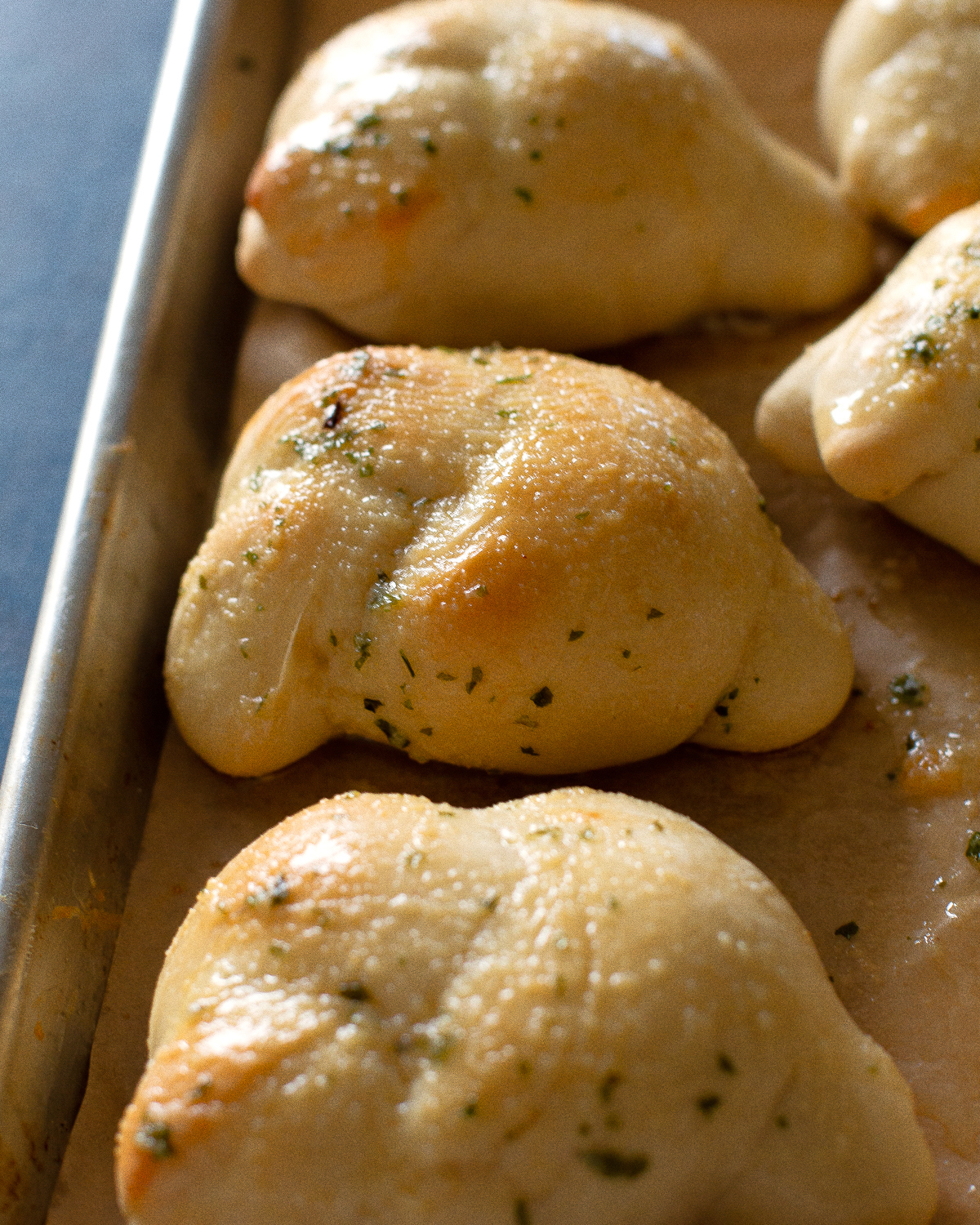
Looking forward, the evolution of the garlic knot is likely to continue toward further refinement. We may see an increase in the use of sourdough-enriched doughs, which combine the fermentation complexity of traditional sourdough with the indulgent, soft texture of enriched rolls. As home technology, such as smart ovens with precise humidity control, becomes more accessible, the gap between home-baked goods and professional bakery products will continue to narrow.
Ultimately, the popularity of these soft, garlic-buttered rolls serves as a reminder that the simplest culinary concepts—bread, fat, and aromatics—remain the most resilient. By focusing on the scientific principles of dough enrichment, the modern home baker has successfully transformed a humble pizzeria scrap into a staple of the contemporary home-dining experience. The continued interest in these recipes confirms that, regardless of broader technological advancements, the demand for high-quality, comfort-focused food remains a cornerstone of domestic life.