Cracking the Code of the World’s 50 Best Bars: An Analysis of the 2025 Global Rankings

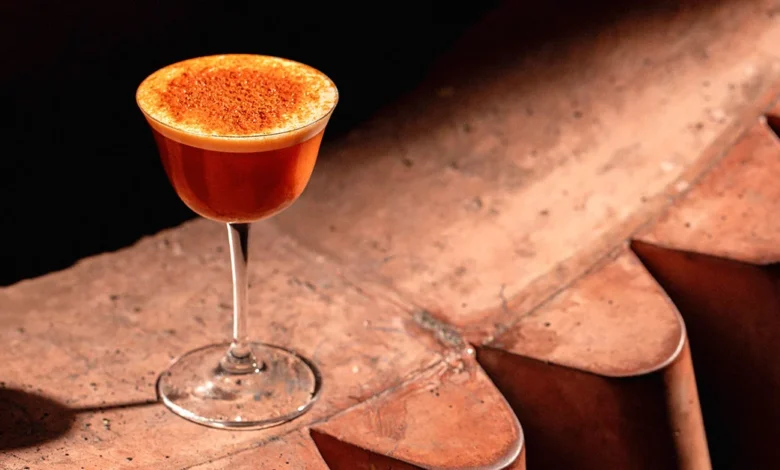
The recent announcement of The World’s 50 Best Bars list has once again sparked debate regarding the criteria, regional representation, and industry influence of one of the hospitality sector’s most prestigious—and scrutinized—annual rankings. Organized by the 50 Best organization, the list is derived from the anonymous votes of a global academy consisting of hundreds of industry experts, including bartenders, bar owners, and specialized drinks journalists. Voters are tasked with identifying their seven most impactful bar experiences from the preceding 18 months. As the industry recalibrates following the release of the 2025 results, stakeholders are examining the data to understand the underlying trends that define what it means to be considered a world-class venue in the current economic and cultural climate.
A Chronology of Global Recognition
The history of the 50 Best Bars list dates back to its inception as an extension of the World’s 50 Best Restaurants, a brand that has grown into a major influencer in global luxury and travel. While the awards have historically provided a significant marketing boost to winning establishments, they have also faced consistent criticism regarding transparency. Critics have long argued that the voting process, while intended to be democratic, can be skewed by the visibility of PR campaigns, the physical density of a city’s bar scene, and the ease of access for international travelers.
This year’s ceremony, hosted in Milan, underscored a geographic shift, though not necessarily a radical one. Europe maintains its dominance with 14 entries on the list, reflecting a deep-seated institutional history of cocktail culture. However, the top three spots were distributed across three different continents: Bar Leone in Hong Kong, Moebius Milano in Italy, and Alquímico in Colombia. This distribution highlights a concerted, if sometimes uneven, effort by the organization to broaden its scope beyond the traditional Anglo-American axis.
Data-Driven Insights and Regional Disparities
The composition of the list reveals a complex interplay between urban density and prestige. Los Angeles, a massive metropolis with a sprawling geography, remains notoriously underrepresented compared to New York City. Industry observers have pointed out that in cities like New York, the concentration of high-end bars allows for a "pub crawl" style of professional evaluation, whereas in more spread-out cities, voters may struggle to visit enough top-tier locations to build a representative sample of the city’s output.
Data from the 2025 results show that Hong Kong, New York City, and Paris share the record for the most-awarded city this year. Conversely, the absence of any bars from the African continent on the primary list continues to be a point of discussion. The organization’s introduction of a "Destination Award"—awarded this year to Front/Back in Accra, Ghana—represents a strategy to highlight regions that are often overlooked by the primary voting body. According to event organizers, the goal is to expand the geographical diversity of the list, yet the disconnect between regional gems and the mainstream 50 Best list suggests that the "global" label remains heavily influenced by established travel corridors and international media hubs.
The Role of Newness and Industry Velocity
A critical metric in the 50 Best analysis is the turnover rate of the list. This year, approximately 25 percent of the entries are new, a notable decrease from the 40 percent seen in previous years. This suggests a period of relative stability for established institutions, though it also raises questions about the barriers to entry for up-and-coming bars.
The "Highest Climber" award, claimed this year by The Bar in Front of the Bar in Athens, signifies the rapid momentum a venue can gain through consistent excellence and positive critical reception. Conversely, significant drops for long-standing favorites like Bar Benfiddich in Tokyo and Caretaker’s Cottage in Melbourne highlight the volatility of the rankings. While it is tempting to attribute these shifts to changes in quality, a more objective look at international tourism statistics reveals a correlation between the decline in travel to specific countries and the rankings of their flagship bars. When fewer international voters visit a region, those bars are statistically less likely to secure enough votes to maintain their positions, confirming that the ranking is as much a measure of tourism volume as it is of liquid craftsmanship.
Assessing the "Buzz" Factor and PR Influence
The relationship between public relations and list placement remains a subject of intense industry speculation. While many in the sector believe that hiring a professional PR firm is a prerequisite for making the list, an analysis of the 2025 cohort suggests a more nuanced reality. Roughly 50 percent of the recognized bars have not engaged in formal, high-profile outreach to major trade publications.
Furthermore, the age of the bars on the list contradicts the assumption that only "new and trendy" spots can compete. While 30 of the bars opened in the 2020s, the list also includes long-standing veterans like the Connaught Bar in London and Bar Carmen in Medellín, both of which opened in 2008. The inclusion of these older institutions suggests that the academy does value institutional consistency, provided those bars can maintain a strong social media presence and continue to evolve their service models to meet modern expectations. Regarding social media, the average follower count for a bar on the list sits at approximately 55,000, underscoring that digital footprint is now a fundamental component of a venue’s "best" status.
Sustainability and the Shifting Hospitality Narrative
In previous years, sustainability was a central pillar of the 50 Best narrative, with significant focus placed on low-waste techniques, local sourcing, and water conservation. In 2025, while the "Sustainable Bar Award" remains, industry analysts have noted a shift in tone. Rather than focusing solely on technical innovations like rotovaps or ice-management systems, the conversation has moved toward the "maturity" of the hospitality model.
As noted by industry professionals, the current trend is to integrate sustainability into the broader operational philosophy of a business rather than treating it as a marketing gimmick. This includes a growing emphasis on community initiatives, labor practices, and the long-term viability of the staff—a pivot that aligns with a more holistic view of what makes a bar "the best."
The Future of Localism
A final, crucial trend identified in the 2025 data is the tension between global standardization and local expression. The success of Bar Leone—a venue known for approachable, classic cocktails—serves as a counterpoint to the rise of hyper-technical, high-concept cocktail bars that have dominated the industry discourse for the last decade.
However, the list still faces the challenge of "tourist-facing" bias. In many international markets, the bars that make the list are those that cater to a global palate, often at the expense of more authentic, hyper-local venues. The inclusion of bars like Tlecán in Mexico City, which focuses on indigenous ingredients and pre-Hispanic narratives, serves as a hopeful sign that the academy is beginning to prioritize storytelling and cultural specificity.
Ultimately, The World’s 50 Best Bars remains a snapshot of a specific, high-end segment of the industry. While it does not represent the entirety of the global bar landscape, its influence is undeniable. For bar owners, it remains a primary goal; for consumers, it serves as a curated map of the industry’s current priorities. As the organization moves toward future iterations, the challenge will be to ensure that the list continues to reflect the diversity of the global cocktail scene while addressing the structural biases that have, for too long, favored established hubs over emerging, culturally rich markets.