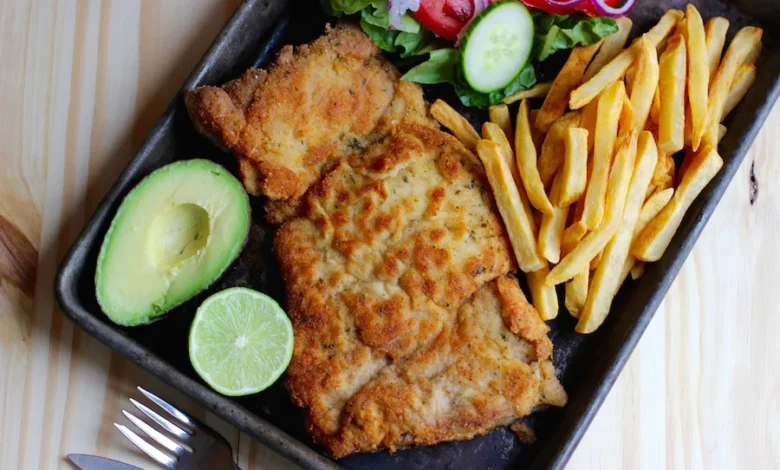
The Chuleta Valluna stands as a cornerstone of Colombian culinary heritage, representing the vibrant gastronomic identity of the Valle del Cauca department. Often referred to simply as "lomo de cerdo apanado," this dish consists of a thinly pounded, seasoned pork loin that is breaded and fried to a golden, crispy perfection. Its significance extends beyond simple sustenance; it is a cultural emblem that reflects the fusion of local ingredients and evolving regional cooking techniques that have defined the cuisine of southwestern Colombia for over half a century.

Historical Origins and Evolution
The genesis of the Chuleta Valluna is deeply tied to the socio-economic development of the Valle del Cauca region during the mid-20th century. Historical accounts frequently point to the influence of local eateries in Cali, the regional capital, during the late 1950s. One of the most cited origin stories centers on "El Bochinche," a modest dining establishment managed by Fabio Medina and his mother, Doña Ema.
According to regional culinary historians, the dish was an accidental innovation born from necessity and cross-cultural inspiration. In 1958, a cook originating from the Pacific coastal city of Buenaventura suggested incorporating breaded fish—a preparation common to the coastal regions—into the menu. Medina, seeking to adapt this technique to the resources readily available in the interior, experimented with pork loin. The resulting dish was a resounding success, blending the textures of a schnitzel-like preparation with the robust, savory flavor profiles characteristic of Andean-Pacific fusion. This adaptation marked a turning point, transforming the simple pork cutlet into a regional icon that would eventually become a staple in Colombian restaurants worldwide.

Preparation and Culinary Technique
The preparation of the Chuleta Valluna is a precise, multi-stage process that prioritizes texture and flavor penetration. Unlike standard pork chops, the meat for this dish must be meticulously prepared. The pork loin or leg is sliced into wide, thin portions and subjected to a rigorous physical tenderizing process using a heavy mallet. This not only flattens the meat to a paper-thin consistency but also breaks down connective tissues, ensuring a tender bite once the cutlet is fried.
The flavor foundation of the dish lies in the marinade. A traditional blend typically features a base of finely minced scallions, onions, garlic, and cumin. In certain variations, especially those highlighting the sweetness of the region’s sugar cane industry, cooks may incorporate a hint of grated panela to balance the savory notes. Culinary experts emphasize that the marination time is a critical variable; while 30 minutes may suffice for a quick meal, a minimum of three hours—and ideally overnight—is recommended to allow the aromatics to penetrate the deep layers of the muscle fiber.

The final stage, the breading and frying process, requires strict adherence to temperature control. After being dragged through flour, beaten eggs, and breadcrumbs, the cutlet is fried in oil maintained at approximately 350°F (175°C). The objective is to achieve a lace-like, crispy exterior while keeping the interior meat succulent and cooked through. Overcrowding the frying vessel is a common technical error that results in a drop in oil temperature, causing the breading to absorb excess fat and lose its signature crunch.
Economic and Cultural Significance
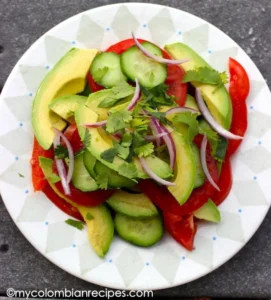
The Chuleta Valluna is more than a recipe; it is a symbol of the economic prosperity of the Valle del Cauca region, an area known for its agriculture and livestock production. In the context of Colombian dining, the dish is served as a "plato completo" or main course, typically accompanied by white rice, crispy plantain slices (tajadas or patacones), a fresh green salad, avocado, and lime wedges. In some households and restaurants, it is served alongside a side of beans, reflecting the traditional diet of the rural working class that has been elevated to fine-dining status.

From a culinary statistics perspective, the dish represents a significant portion of the "casual dining" sector in Colombia. It serves as a benchmark for the quality of pork-based dishes in regional restaurants. The prevalence of the dish in the Colombian diaspora has also made it a vital export of national culture, appearing on menus in major culinary hubs throughout the United States, Europe, and Latin America. It serves as a primary point of contact for international consumers learning about the depth of Colombian regional cooking, which often differs vastly from the more widely known arepas or empanadas.
Comparative Analysis of Regional Pork Dishes
While the Chuleta Valluna is the most prominent pork dish of the Valle del Cauca, it exists within a larger, diverse landscape of Colombian pork preparations. For instance, the Lechona Tolimense, originating from the Tolima region, involves a slow-roasted, whole pig stuffed with a mixture of rice, peas, and spices. In contrast, the Chuletas a la Criolla involves braising pork chops in a savory creole sauce made from tomatoes and onions.

The primary distinction between the Chuleta Valluna and these other variations lies in the texture and the cooking method. The "apanado" (breaded) nature of the Valluna cutlet provides a sensory contrast between the crunchy exterior and the tender interior that is absent in the slow-cooked or braised alternatives. This distinction has solidified the dish’s position as the preferred choice for those seeking a quick, satisfying, and texturally complex meal.
Nutritional Profile and Considerations
A standard serving of Chuleta Valluna contains approximately 512 calories, with a macronutrient breakdown that includes roughly 42 grams of protein and 24 grams of fat. The high protein content makes it a substantial meal, though the breading process introduces carbohydrates and, if not properly drained, higher levels of saturated fat.

Nutritionists often note that the traditional serving style—which includes multiple starch sources like rice, plantains, and yuca—can result in a very high caloric density. To balance the meal, health-conscious preparations in modern culinary circles often suggest replacing the traditional white rice with quinoa or increasing the portion size of the fresh garden salad to improve the fiber-to-calorie ratio. However, for the majority of the population, the dish remains a celebratory meal consumed on weekends or at family gatherings, where its traditional, indulgent preparation is part of the cultural experience.
Future Outlook and Culinary Preservation
As the global food landscape continues to prioritize regional and authentic experiences, the Chuleta Valluna is experiencing a resurgence in popularity. Chefs are increasingly returning to the foundational methods of the 1950s, emphasizing the use of high-quality, locally sourced pork and fresh, artisanal breadcrumbs.

Furthermore, the documentation of this recipe by community leaders and local chefs is acting as a safeguard against the dilution of regional techniques. By codifying the specific steps—from the mallet-pounding to the overnight marination—the culinary community is ensuring that the dish retains its integrity.
The Chuleta Valluna continues to serve as an anchor for the Valle del Cauca’s identity. It is a testament to the fact that, even in a fast-paced world, traditional techniques that prioritize time, patience, and fresh ingredients remain the most effective way to preserve a culture’s history. Whether prepared in a home kitchen in Cali or a restaurant in a major international city, the dish remains a definitive, savory experience that continues to define the heart of Colombian cuisine.