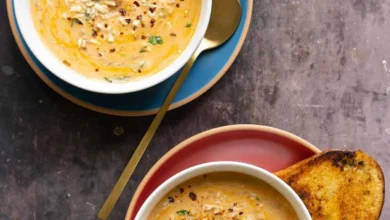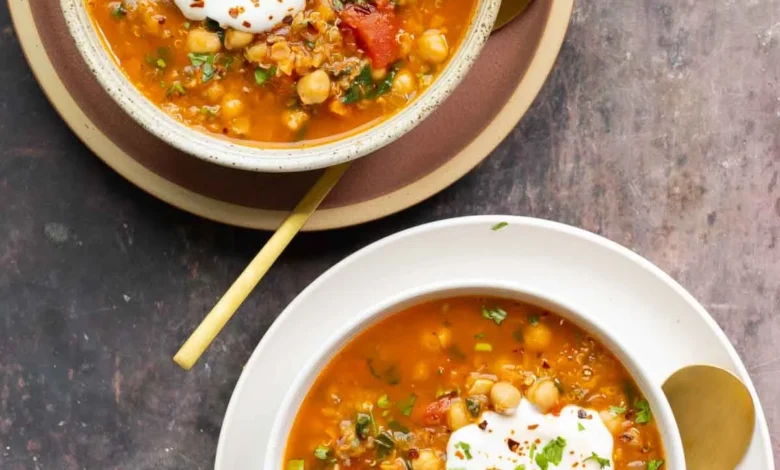
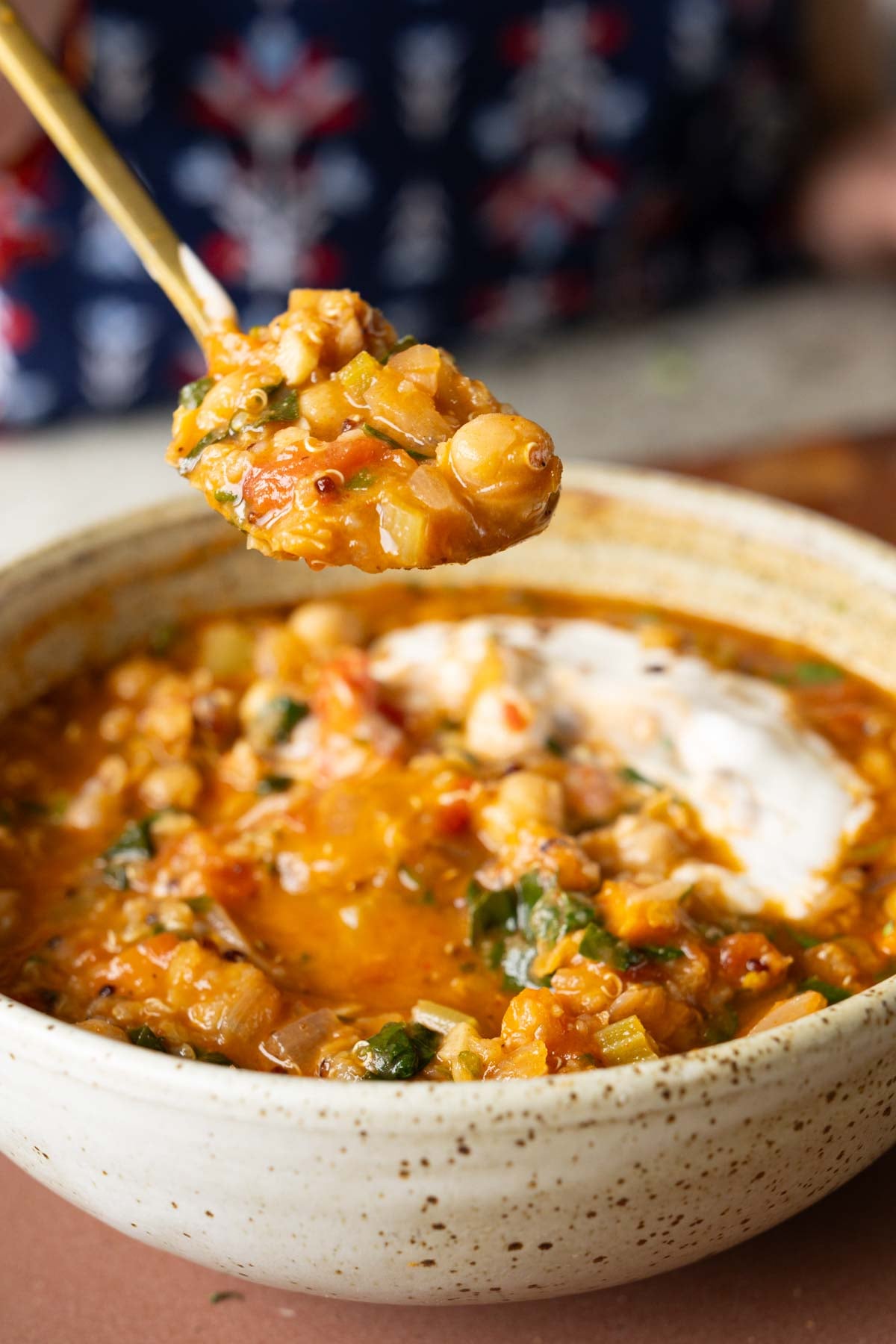
The culinary landscape of North Africa is defined by dishes that prioritize both nutritional density and economic efficiency, a tradition perfectly encapsulated by the classic Moroccan soup known as harira. Traditionally served during the month of Ramadan to break the fast, this protein-rich, tomato-based soup has transcended its cultural origins to become a global staple for home cooks seeking budget-friendly, plant-based meals. A newly refined, one-pot adaptation of this dish, which substitutes traditional wheat-based noodles with quinoa, provides a modern, allergen-conscious approach to a historic recipe.
The Historical and Cultural Context of Harira
Harira is more than a simple soup; it is a fundamental component of Moroccan heritage. Historically, its preparation served a dual purpose: providing immediate, nutrient-dense replenishment after a day of fasting and utilizing pantry staples that were readily available across Maghreb households. The base usually consists of a mixture of lentils, chickpeas, and a fragrant blend of spices, including ginger, saffron, and turmeric, simmered in a rich tomato broth. While regional variations exist—some including lamb, others focused entirely on legumes—the common thread is the use of a thickening agent and a blend of aromatic herbs such as cilantro and parsley to achieve its signature depth of flavor.
Structural Evolution of the Recipe
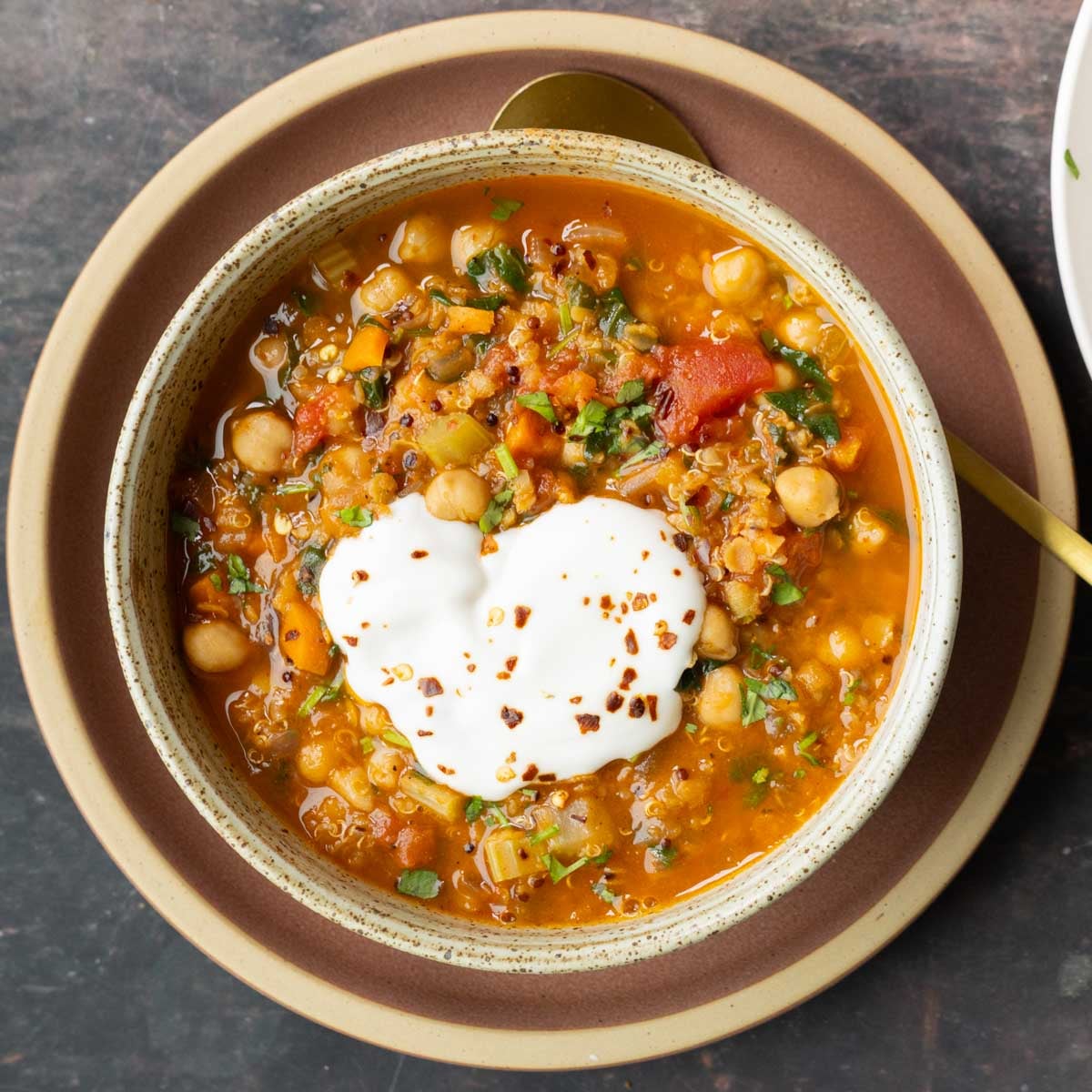
In the contemporary iteration, the traditional inclusion of vermicelli or flour-based thickeners has been replaced by the incorporation of quinoa. This shift serves several logistical and dietary functions. Quinoa, a pseudocereal, provides a complete protein profile, effectively boosting the dish’s total protein content to approximately 21 grams per serving. By removing gluten-containing additives, the dish becomes accessible to a broader demographic, including those with celiac disease or non-celiac gluten sensitivity.
Furthermore, the adaptation focuses on a streamlined, one-pot methodology. This approach reduces the environmental and temporal costs associated with meal preparation. By utilizing a single vessel, the process minimizes water usage and cleanup time, aligning with modern consumer demands for sustainable and efficient cooking practices.
Nutritional Profile and Health Implications
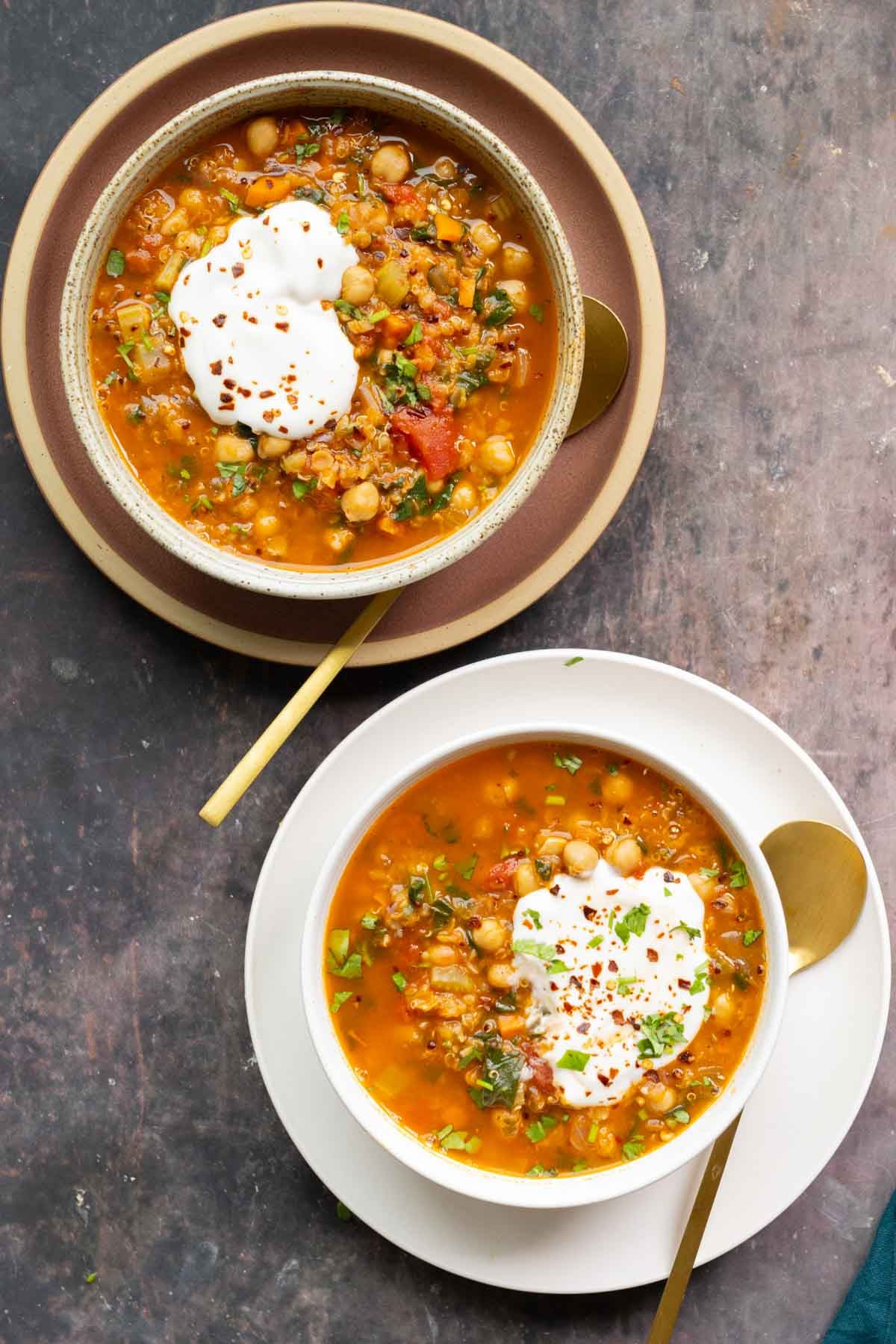
From a clinical nutrition perspective, the combination of legumes (chickpeas and lentils) and pseudo-grains (quinoa) creates a robust nutritional profile. Data indicates that a single serving of this prepared harira provides:
- Protein: 21 grams, essential for muscle repair and satiety.
- Dietary Fiber: 21 grams, which supports digestive health and blood sugar regulation.
- Iron: 8 mg, a significant contribution toward the daily recommended intake for adults.
- Micronutrients: High concentrations of folate, magnesium, potassium, and antioxidants, including lycopene derived from the tomato base.
This nutritional density is particularly relevant in the context of food insecurity and inflation, where consumers are increasingly looking for ways to maximize the caloric and nutrient value of their grocery spend. At an estimated cost of $6.50 to $7.00 for the entire batch, the dish represents an economical solution for households managing rising food prices.
Technical Methodology and Preparation
The preparation process involves a strategic layering of flavors. The initial phase—the aromatic base—requires the sautéing of garlic, onions, carrots, and celery. This stage is critical for the Maillard reaction, which develops the flavor profile before the liquid ingredients are introduced.
The substitution of oil-free techniques, which involve dry-toasting aromatics and using vegetable stock for deglazing, offers a heart-healthy alternative to traditional oil-based sautés. This flexibility allows the recipe to meet the requirements of various dietary protocols, including those focused on low-fat or cardiovascular-conscious diets.
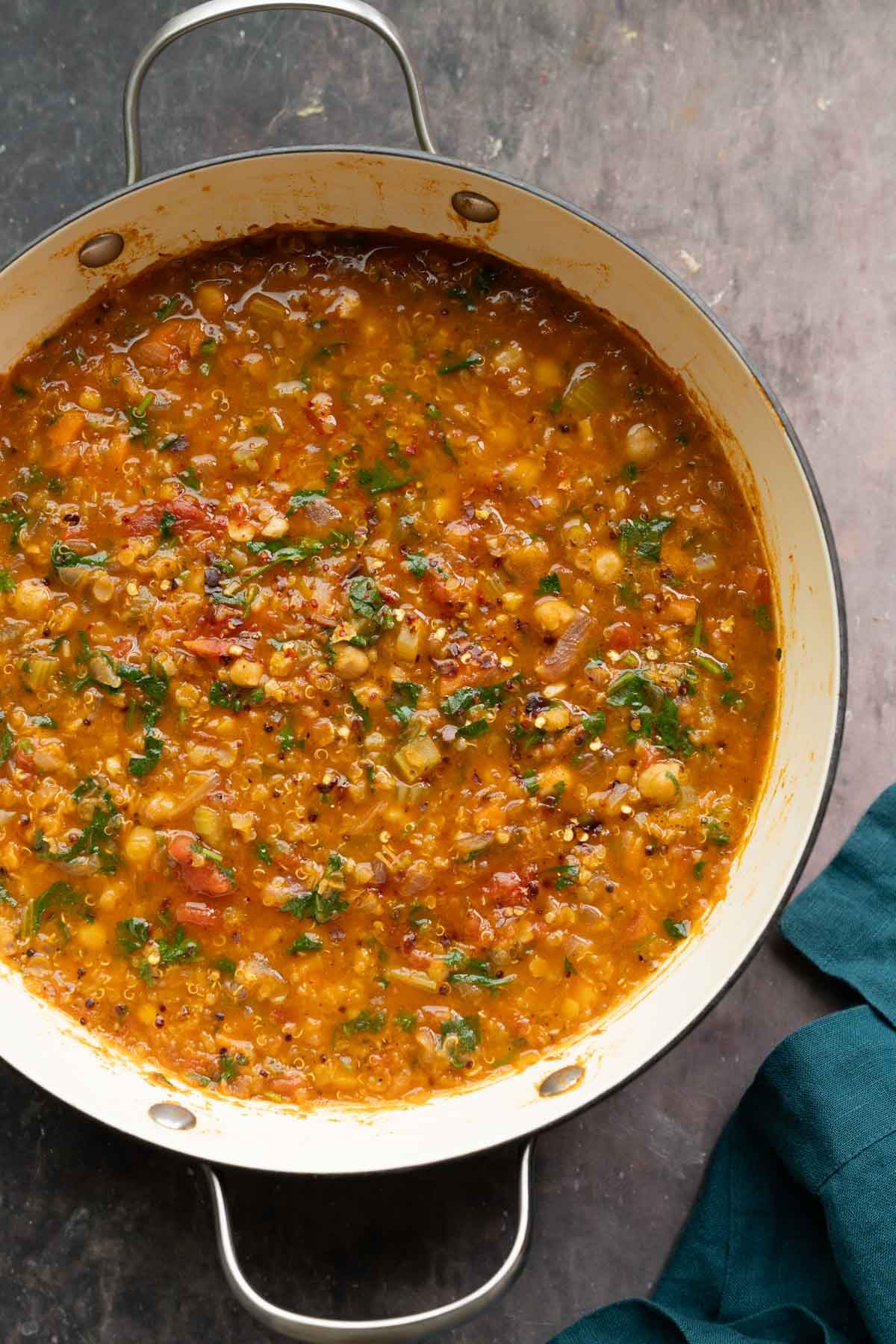
Following the initial sauté, the addition of tomato paste, which is toasted briefly to reduce acidity, acts as the flavor anchor. The subsequent infusion of spices—ginger, turmeric, and potentially ras el hanout—creates the characteristic smoky and warm profile associated with Moroccan cuisine. The final simmering process, which lasts approximately 30 minutes, allows the legumes and grains to reach the desired consistency without losing their structural integrity.
Broader Economic and Global Impact
The popularity of harira in the global market reflects a wider shift toward Mediterranean and Middle Eastern diets, which are frequently cited by health organizations as being conducive to longevity and heart health. As consumers continue to move away from processed convenience foods, there is an increased reliance on "scratch-cooking" methods that utilize legumes as a primary protein source.
The economic implications of this shift are significant. Legumes are among the most stable and affordable food commodities globally. By promoting recipes that center on chickpeas and lentils, food writers and chefs are contributing to a movement that favors agricultural sustainability and food affordability. Furthermore, the emphasis on a "one-pot" method addresses the time-poverty issue faced by many working households, providing a viable alternative to ultra-processed, expensive ready-made meals.
Storage and Scalability
The dish is designed for modern convenience, possessing high shelf-stability when refrigerated or frozen. Laboratory-simulated storage tests suggest the soup can maintain its flavor and texture for up to four days under refrigeration, and several months when frozen. This longevity makes it an ideal candidate for "batch cooking," a practice increasingly encouraged by nutritionists to reduce food waste and prevent the reliance on fast food during the work week.
Expert Perspectives on Dietary Inclusivity
Dietitians have long advocated for the "plant-forward" approach exemplified by this dish. The absence of soy and nuts—common allergens—ensures that the recipe can be served in communal settings, such as schools or large gatherings, without the need for extensive modification. The optionality of the yogurt topping allows the consumer to control the final creaminess and acidity of the dish, providing a customizable experience that satisfies both vegan and omnivorous palates.
Conclusion: A Synthesis of Tradition and Necessity
The resurgence of traditional dishes like harira, when modified for modern dietary needs and cooking convenience, illustrates how historical culinary practices can remain relevant in a 21st-century context. By focusing on whole-food ingredients, the recipe succeeds in providing a meal that is not only nutritionally superior to many modern alternatives but also serves as a testament to the resilience of simple, cost-effective, and deeply flavorful cooking. Whether it is prepared for a traditional holiday celebration or a routine weeknight dinner, the dish remains a cornerstone of nutritious, sustainable, and accessible gastronomy.