The Evolution of Seasonal Baking Trends
For decades, the cultural association between pumpkin and dessert was largely restricted to the custard-based pie, typically reserved for late-November festivities. However, contemporary culinary archives and digital recipe databases reveal that the "pumpkin season" has expanded, with peak search interest beginning in late August and sustaining through December. This extended window has encouraged home bakers to innovate, leading to a broader integration of pumpkin into breakfast pastries, handheld snacks, and elaborate desserts that do not rely on a traditional pastry crust.
The versatility of the pumpkin—specifically its moisture-retaining properties—has made it a preferred ingredient for high-volume baking, such as sheet cakes and loaf breads. Food scientists note that pumpkin purée, which consists largely of water and fiber, acts as a natural humectant, allowing baked goods to retain freshness for several days. This technical advantage has directly influenced the popularity of "make-ahead" recipes, such as pumpkin loaves and muffins, which are increasingly replacing traditional morning staples during the fall.
Categorical Breakdown of Modern Pumpkin Confections
To understand the breadth of current pumpkin-based innovations, it is necessary to categorize these offerings by their functional application in the kitchen.

High-Volume and Crowd-Oriented Desserts
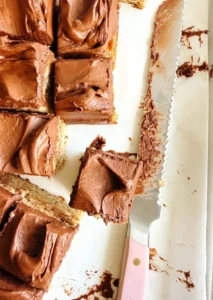
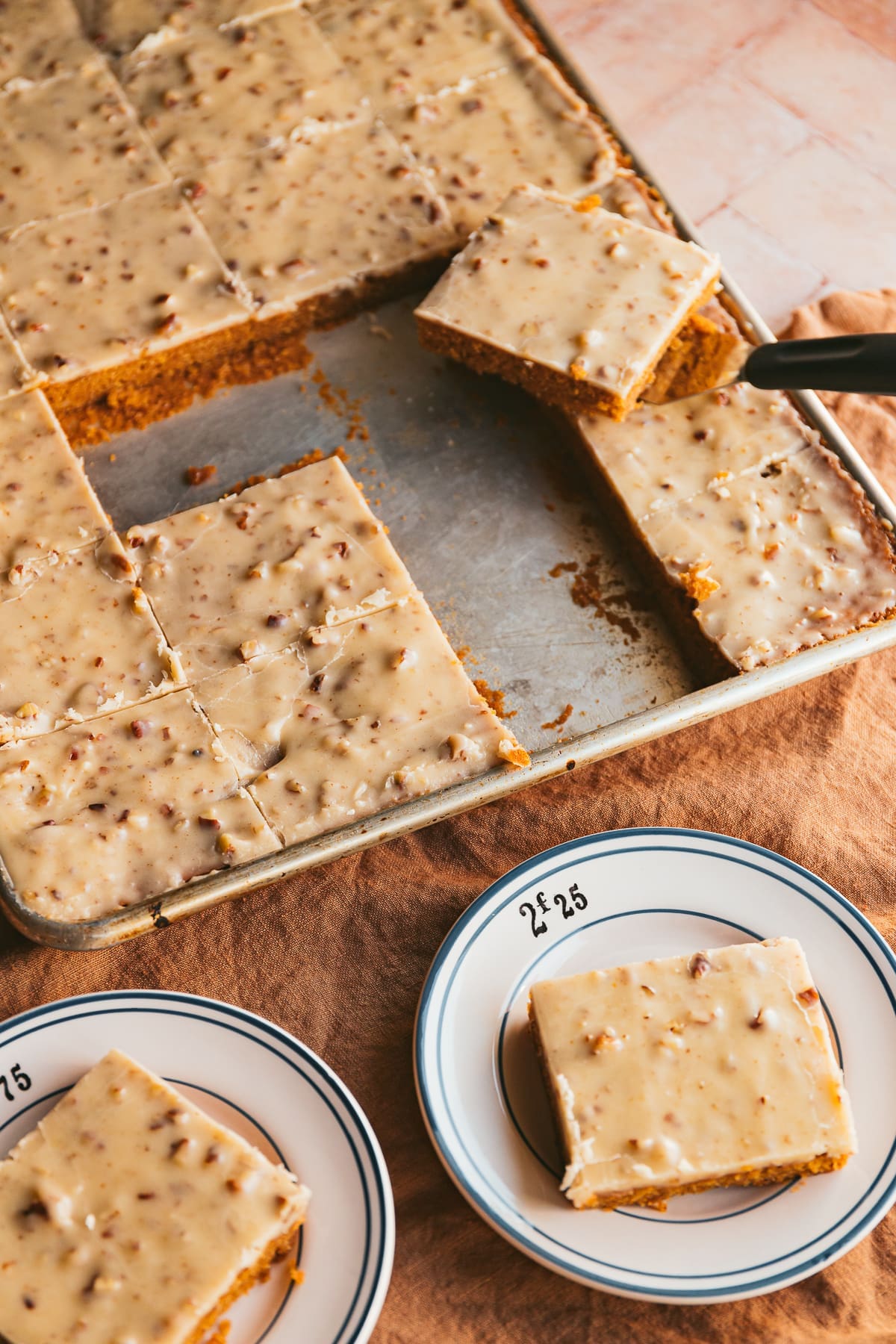
For large gatherings, the shift has moved toward sheet-pan preparations. The Brown Butter Pumpkin Texas Sheet Cake serves as a primary example of this movement. By utilizing brown butter—a process that involves cooking butter until the milk solids caramelize—bakers are able to introduce a nutty, complex flavor profile that balances the earthy sweetness of the squash. This format is not only efficient for large-scale service but also allows for a high ratio of frosting-to-cake, catering to modern preferences for texture-rich desserts.
Portable and Everyday Pastries
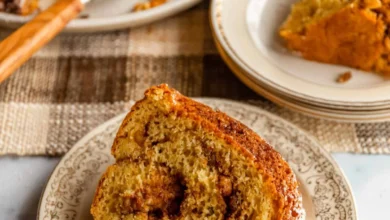
Pumpkin muffins and breads have transitioned from occasional treats to staples of the autumnal diet. The widespread adoption of these items can be attributed to their ease of preparation and the minimal equipment required. Culinary analysts point out that the "cozy" profile—achieved through the addition of cinnamon, ginger, nutmeg, and cloves—aligns with consumer demand for comfort-based foods during periods of seasonal transition.

Advanced Culinary Techniques and No-Bake Innovations
The emergence of pumpkin spice tiramisu and similar no-bake desserts highlights a departure from traditional oven-based methods. By utilizing ladyfingers, mascarpone, and espresso, these desserts incorporate the popular "pumpkin spice" flavor profile into a format historically associated with Italian confectionery. This fusion of culinary traditions indicates a growing appetite for experimental baking that challenges the conventional boundaries of the ingredient.
Historical Context and Cultural Significance
The integration of pumpkin into American desserts has deep historical roots, dating back to the colonial era when settlers adapted indigenous squashes into English-style custard pies. However, the 21st-century "pumpkin craze" has transformed the ingredient into a cultural phenomenon. The commercialization of the "Pumpkin Spice" flavor profile in the mid-2000s catalyzed a market-wide expansion, leading to the proliferation of pumpkin-flavored products across grocery aisles and coffee chains.

According to market research firms specializing in food and beverage, the "pumpkin flavor" segment experiences a consistent annual growth rate during the fourth quarter. This economic trend has forced professional pastry chefs to develop increasingly complex recipes to maintain relevance. The rise of heritage-style recipes, such as the Louisiana-based Pumpkin Tarte a la Bouillie, reflects a simultaneous interest in regional culinary history, where the custard base is refined and elevated using local traditions.
Analytical Implications of Seasonal Consumption
The expansion of the pumpkin dessert category has broader implications for the agricultural and retail sectors. As consumer interest in pumpkin-based products remains high, supply chain logistics for canned pumpkin purée and fresh sugar pumpkins have become more robust. Farmers report that the diversification of pumpkin usage allows for a more comprehensive utilization of the harvest, reducing food waste that might otherwise occur if the market were solely dependent on pie-grade demand.

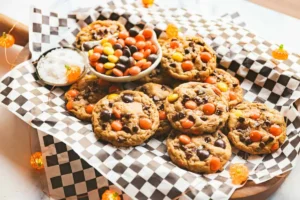
Furthermore, the shift toward incorporating pumpkin into breakfast items and sophisticated cookies suggests a transition toward "permissible indulgence." Because pumpkin is perceived as a nutrient-dense ingredient (rich in Vitamin A and fiber), consumers are more likely to justify the consumption of pumpkin-based sweets during weekday mornings compared to richer, more traditional holiday desserts.
Managing the Thanksgiving Peak
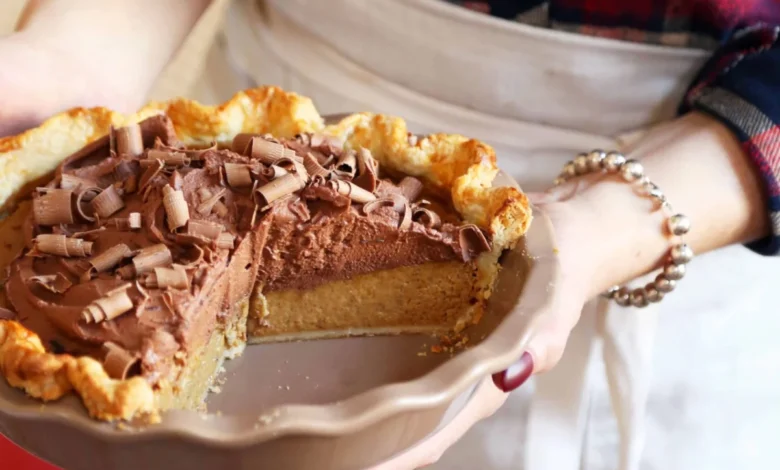
Despite the diversification of recipes, the traditional pumpkin pie remains the centerpiece of the Thanksgiving table. However, modern culinary advice now emphasizes the "layered dessert" strategy. For hosts, the challenge lies in balancing the familiar with the novel. The inclusion of accompaniments—such as chocolate-infused whipped cream or brown butter glazes—provides a pathway for updating classic recipes without alienating traditionalists.

Industry experts suggest that the current landscape of dessert planning follows a three-tiered structure:
- The Core Dessert: A high-quality, traditional base (e.g., a classic pie).
- The Supportive Variety: A secondary, high-volume item (e.g., sheet cakes or bars) that serves as a functional alternative for large crowds.
- The "Showstopper": A labor-intensive or technically impressive dish (e.g., tiramisu or a complex tart) intended to serve as a visual focal point.
Future Projections for Seasonal Baking
As the market continues to evolve, there is clear evidence that the next wave of pumpkin innovation will focus on texture and dietary inclusivity. Early testing in the professional baking sector suggests a rise in gluten-free pumpkin applications and the use of alternative sweeteners like maple syrup, which pairs naturally with the vegetal notes of the pumpkin.

Moreover, the trend toward "bakery-style" at-home baking—as seen in the popularity of maple-glazed black and white cookies—shows no sign of abating. As home kitchens become better equipped with professional-grade tools, the divide between restaurant-quality desserts and home-baked goods continues to narrow.
Ultimately, the transformation of the pumpkin from a singular holiday ingredient to a versatile, season-long component represents a wider movement in the culinary world toward experimentation and the reimagining of tradition. Whether through the straightforward comfort of a spiced muffin or the technical complexity of a custard tart, the pumpkin remains a foundational element of the autumn culinary experience, proving that there is always room for innovation in the kitchen, even when working with the most familiar of ingredients. The upcoming season is expected to bring further advancements, with new iterations of cheesecake and specialized cookies currently in development, signaling that the evolution of the pumpkin dessert is far from finished.