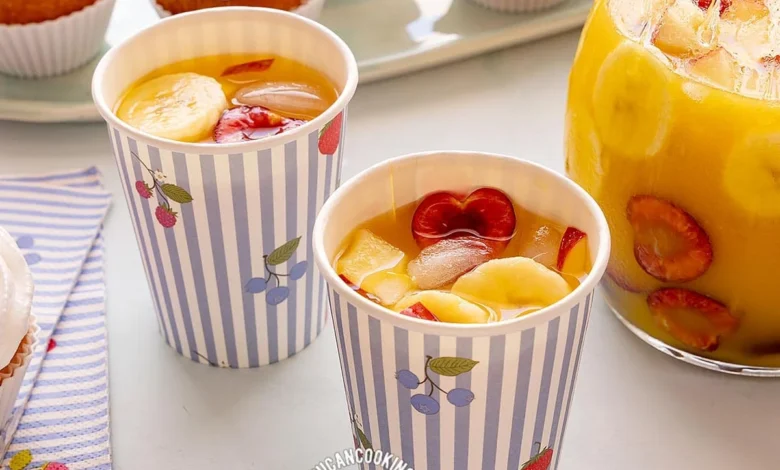
The cultural landscape of Dominican children’s birthday parties is anchored by a constellation of enduring traditions, chief among them the ubiquitous presence of Ponche de Frutas, or fruit punch. Often referred to locally as coctel de frutas, this vibrant beverage has historically served as a central fixture of celebratory gatherings, marking milestones in the social development of generations of Dominicans. While nostalgic memories of the drink often evoke images of bright, artificially reddened liquids poured from plastic store-bought containers, contemporary culinary shifts are redefining the recipe. Food historians and home cooks alike are increasingly embracing a modernized, natural iteration of the classic beverage that replaces synthetic concentrates and refined sugars with fresh fruit juices and whole ingredients, catering to both health-conscious parents and traditionalists.
The Historical Evolution of Dominican Party Beverages
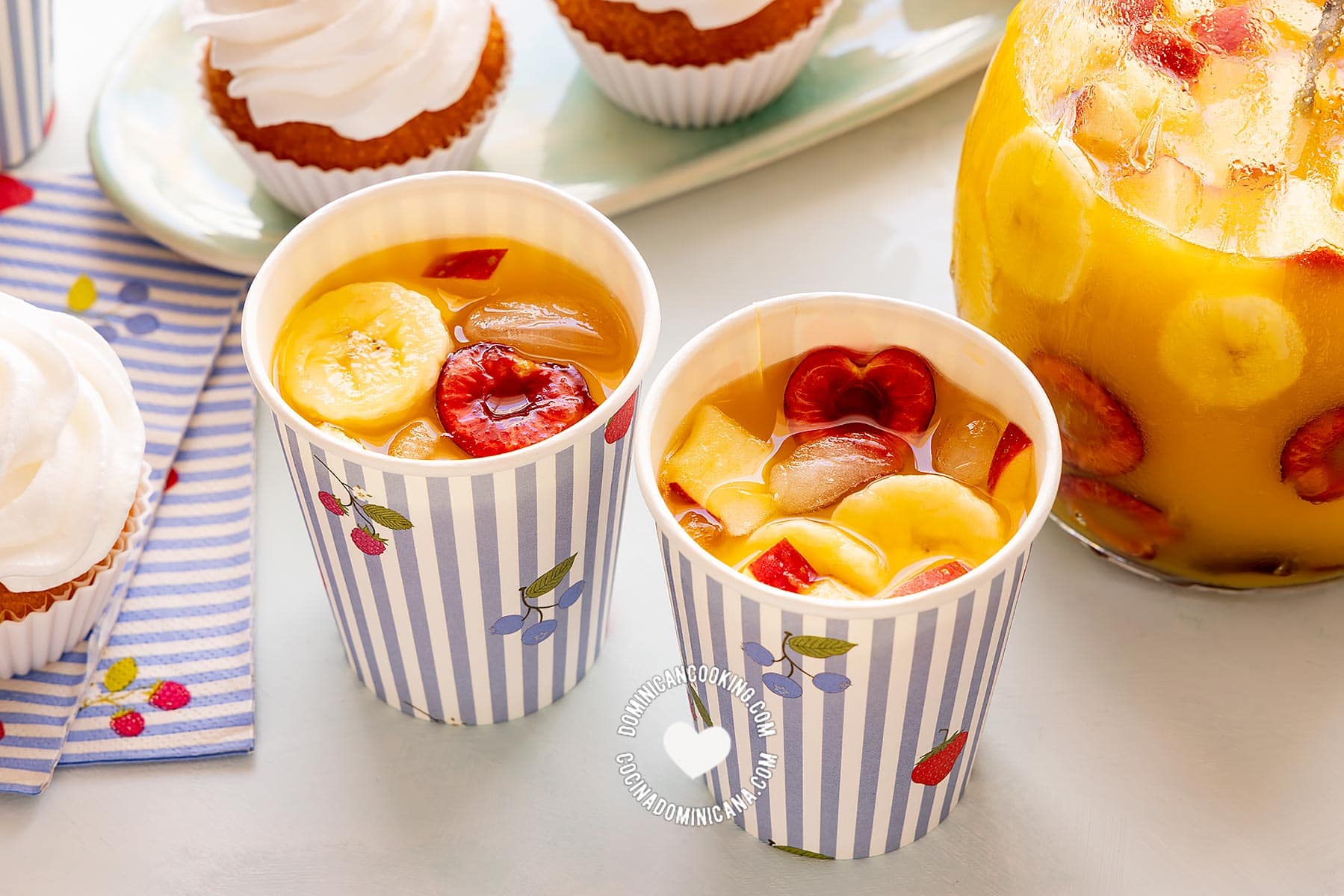
To understand the cultural significance of ponche de frutas, one must examine the broader history of celebratory foodways in the Dominican Republic. Anthropologists and culinary researchers studying Caribbean traditions note that communal milestones—ranging from childhood birthdays to solemn memorial gatherings—have long relied on specific alimentary offerings to facilitate social bonding and emotional expression. In their foundational work on Dominican party culture, food writers Jill Wyatt and local culinary authorities highlighted the psychological and social weight attached to these refreshments, observing that a child’s birthday celebration could scarcely be considered complete without a sugary fruit punch in which sliced bananas drifted lazily toward the bottom of the cup.
Historically, the logistics of hosting large community gatherings necessitated the use of commercially manufactured, shelf-stable drink concentrates. During the mid-to-late 20th century, the proliferation of imported and locally bottled powdered drink mixes provided hosts with an economical and time-efficient method for serving crowds. These commercial concentrates typically relied on heavy applications of artificial red food coloring, citric acid, and high concentrations of refined white sugar to achieve their signature flavor profile and striking visual aesthetic. Consequently, generations of Dominican children grew up associating the concept of fruit punch exclusively with an intensely sweet, artificially colored beverage.
The Modern Culinary Shift Toward Natural Ingredients

In recent years, however, a broader global movement toward health, wellness, and whole-foods nutrition has influenced Caribbean domestic kitchens. Culinary creators, such as recipe developer Clara Gonzalez, have spearheaded efforts to deconstruct and reconstruct traditional recipes using unadulterated components. The modern approach to ponche de frutas abandons store-bought concentrates entirely, substituting them with freshly squeezed citrus juices, tropical fruit nectars, and whole-fruit mix-ins that highlight the rich agricultural biodiversity of the Dominican Republic.
This culinary pivot does not merely address nutritional concerns regarding high sugar intake and artificial additives; it also elevates the sensory profile of the drink. By utilizing fresh oranges, pineapples, papayas, and passion fruit, contemporary recipes restore the authentic flavors of the Caribbean landscape to the party table. Furthermore, the inclusion of fresh fruit pieces—a beloved textural element for young partygoers who eagerly scoop the submerged morsels from the bottom of their cups—remains an essential structural component of the beverage, maintaining a direct link to its nostalgic origins.
Nutritional Profile and Dietary Considerations
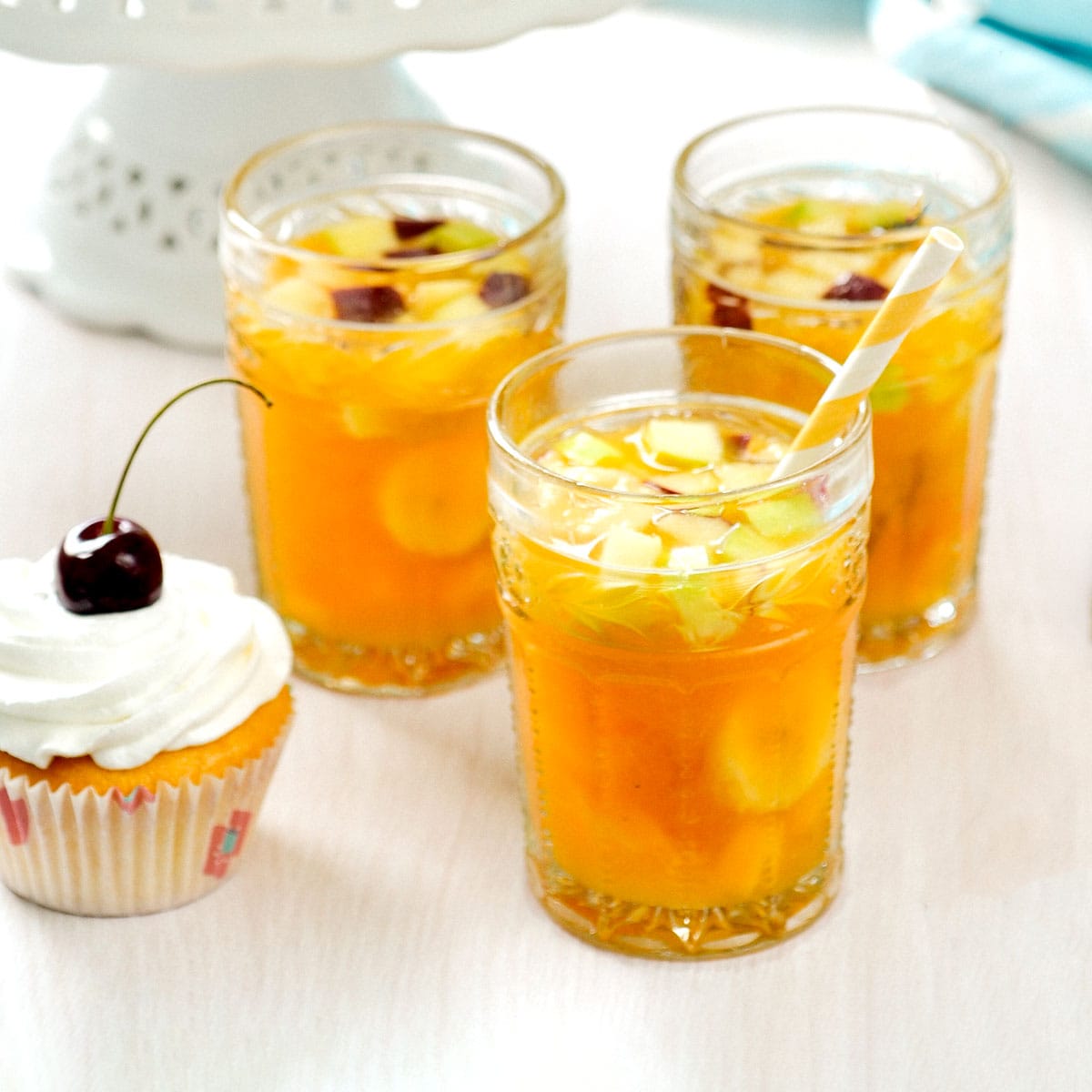
The transition from processed concentrates to natural fruit juices alters the nutritional metrics of traditional fruit punch. According to standard dietary analyses of the updated recipe, a typical 12-serving batch yields a beverage that balances natural sugars with essential vitamins and minerals. Each standardized serving of the modernized ponche de frutas contains approximately 192 kilocalories, primarily derived from the natural carbohydrates present in fresh fruit juice.
Unlike its commercially produced predecessors, which offered negligible nutritional value beyond empty calories, the natural version provides notable micronutrients. A standard serving delivers roughly 47 milligrams of vitamin C, largely contributed by fresh citrus elements, alongside valuable dietary fiber from the floating fruit pieces. While the natural sugar content remains a factor for consideration—averaging around 31 grams per serving—it represents unrefined fructose inherent to the whole fruits utilized in the preparation process, accompanied by beneficial potassium and trace minerals.
Adaptability and Adult Inclusions at Celebrations
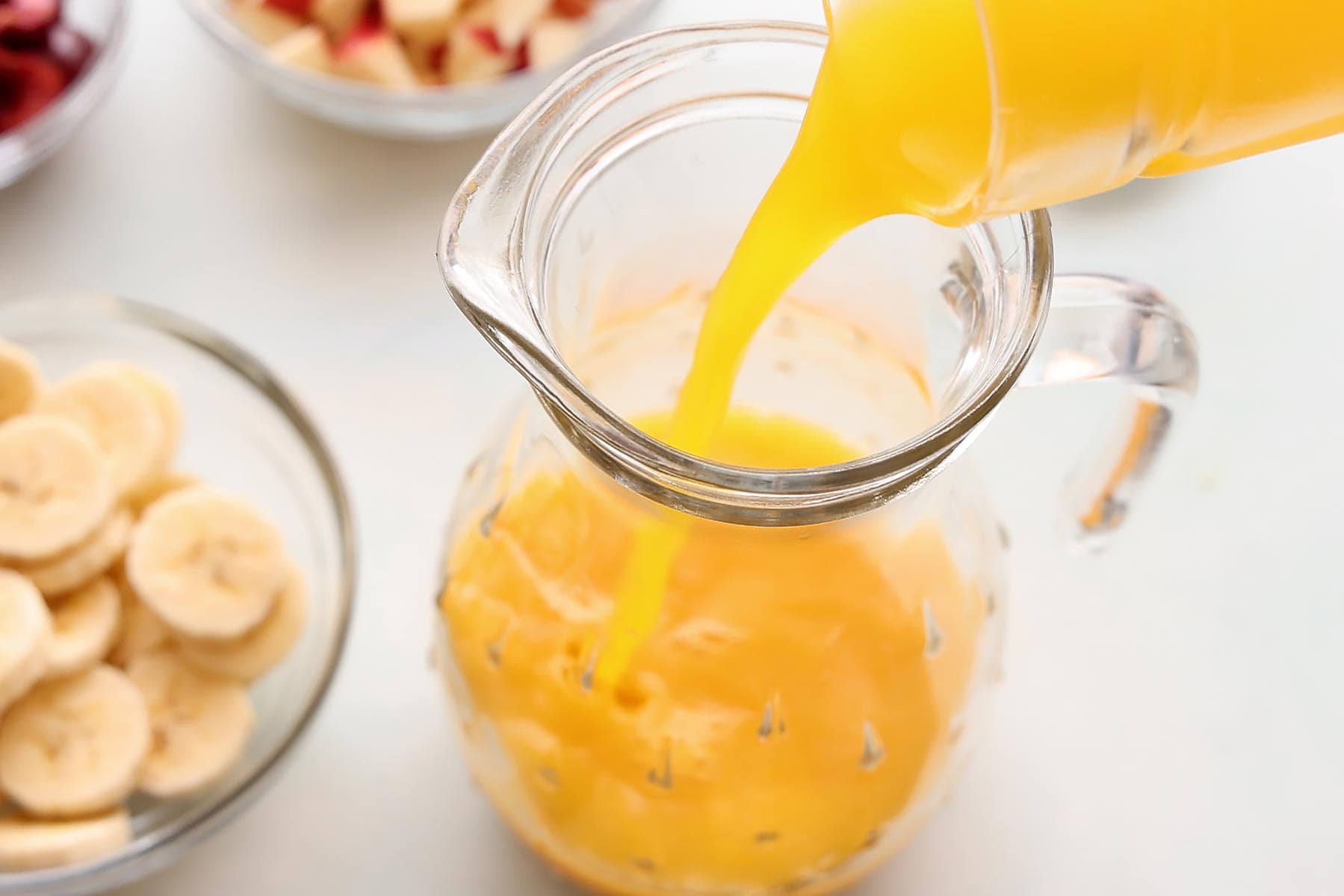
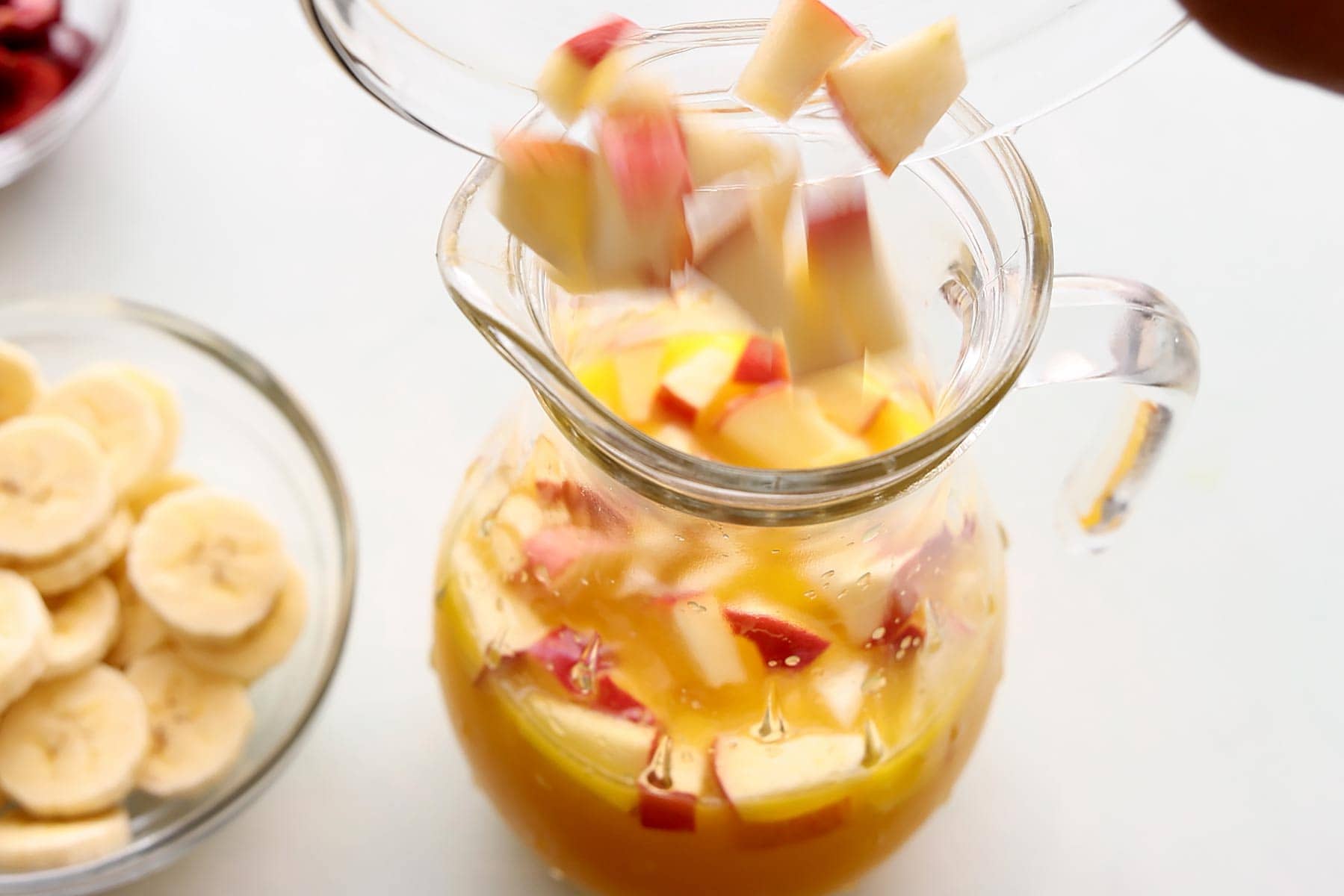
A defining characteristic of ponche de frutas, both historically and in its contemporary incarnation, is its exceptional versatility. Culinary flexibility allows hosts to modify the fruit composition based on seasonal availability, regional preferences, and individual dietary requirements. Standard preparations frequently incorporate citrus juices as a structural base, which are then augmented by diced seasonal fruits such as apples, pears, and tropical varieties. This modular approach ensures that the beverage can be easily scaled or altered without compromising its structural integrity.
Moreover, Dominican children’s birthday parties frequently function as dual-purpose social events involving significant numbers of adult attendees. Recognizing this demographic reality, modern culinary guides often incorporate provisions for adult variations of the beverage. By introducing a discreet quantity of distilled spirits—commonly light or dark rum, which holds deep cultural significance in Dominican beverage traditions—hosts can seamlessly adapt a portion of the batch into an alcoholic cocktail suitable for adult guests, effectively bridging generational divides within the social gathering.
Socioeconomic Implications and Community Impact
The resurgence of scratch-made, traditional beverages reflects broader economic and cultural trends within the Dominican Republic and its diaspora. As local agricultural markets experience renewed interest and consumers place a higher premium on domestic food sovereignty, traditional recipes serve as a vehicle for cultural preservation. The preparation of ponche de frutas from raw ingredients encourages direct consumer support for local agriculture, favoring small-scale farmers who cultivate the tropical fruits essential to authentic Caribbean gastronomy.
Furthermore, the documentation and digital dissemination of these traditional recipes through culinary blogs and video platforms play a critical role in transmitting cultural heritage to younger generations and international audiences. By demystifying the preparation process and demonstrating that traditional beverages can be both healthy and accessible, food educators ensure that foundational elements of Dominican identity endure in an increasingly globalized culinary landscape.
Future Outlook for Traditional Caribbean Beverage Craft

As culinary practices continue to evolve in response to public health awareness and changing consumer preferences, the trajectory of recipes like ponche de frutas indicates a permanent departure from the heavily processed convenience foods of the past. The successful synthesis of traditional nostalgia and modern nutritional standards demonstrates that cultural heritage can be preserved without remaining static. Future culinary innovations in the region will likely continue to build upon this foundation, exploring sustainable sourcing, organic agriculture, and further integration of indigenous ingredients into everyday celebratory cuisine.