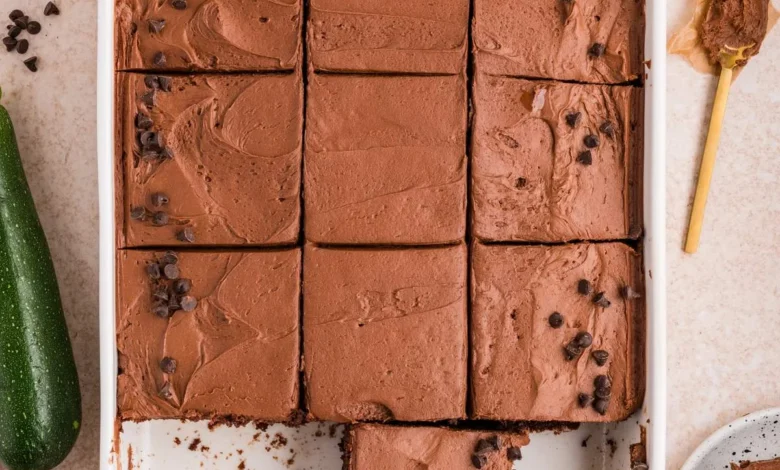
The culinary intersection of seasonal agriculture and home baking has long yielded innovative ways to utilize surplus produce, most notably through the incorporation of vegetables into traditional desserts. A prominent example of this culinary practice is the chocolate zucchini cake, a baked confection that combines grated summer squash with cocoa, flour, and baking essentials to produce a structurally dense, highly moist crumb without imparting any detectable vegetable flavor. As backyard gardens and agricultural markets experience peak yields of Cucurbita pepo during the summer and early fall seasons, home cooks and professional bakers alike frequently turn to this formulation as an efficient mechanism for waste reduction while satisfying consumer demand for rich, chocolate-based comfort foods.
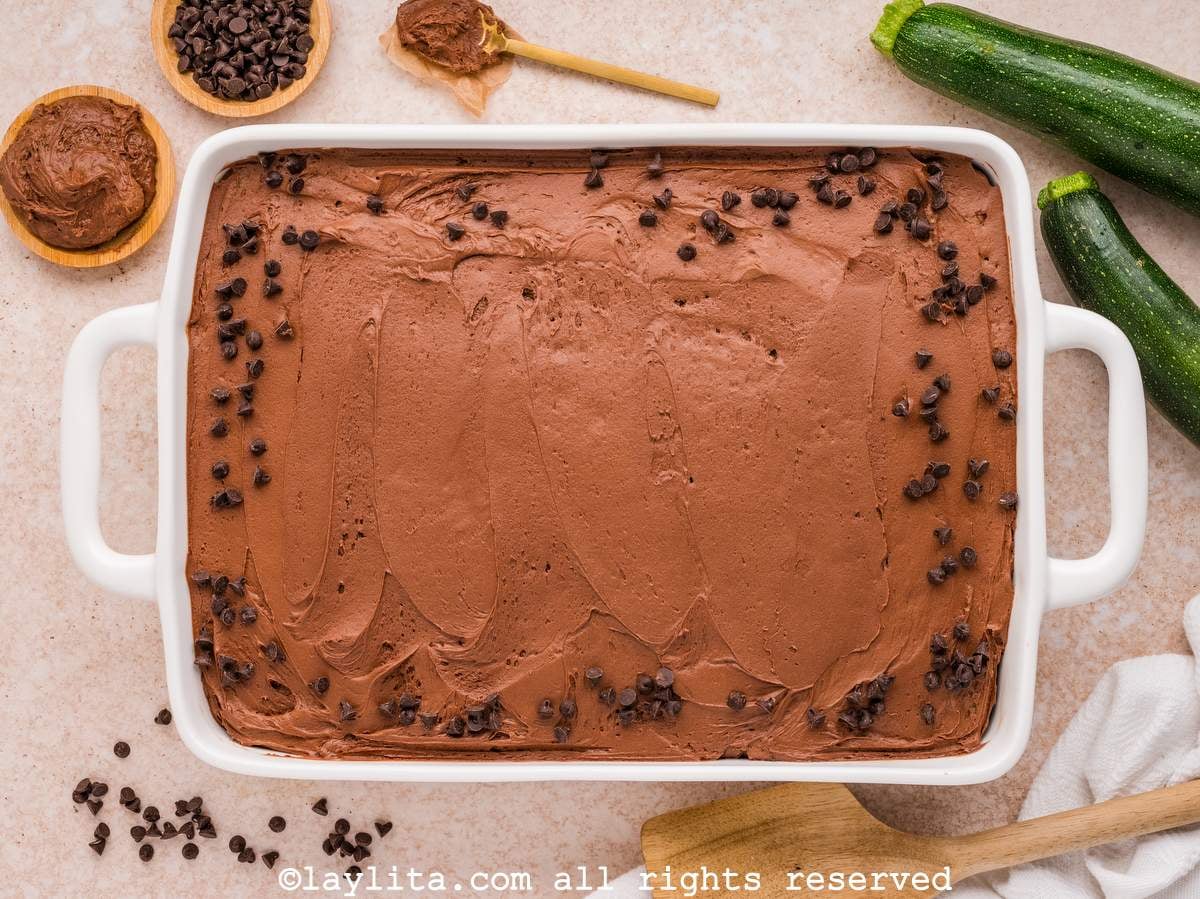
The historical deployment of zucchini in baking can be traced back to mid-20th-century North America, gaining widespread traction during the domestic gardening booms of the 1970s. When home cultivators found themselves with an overabundance of prolific squash varieties, home economists and culinary writers experimented with grated vegetables to preserve moisture in quick breads and cakes. This technique mirrors the broader historical application of root vegetables—such as carrots in traditional spiced cakes or potatoes in depression-era doughs—where high moisture content and natural starches compensate for limited fat or dairy resources. In contemporary gastronomy, the chocolate zucchini cake has evolved from a clever household workaround into a staple of American and international comfort baking, frequently enhanced with modern additions such as mini chocolate chips, Greek yogurt, and complex cocoa blends.
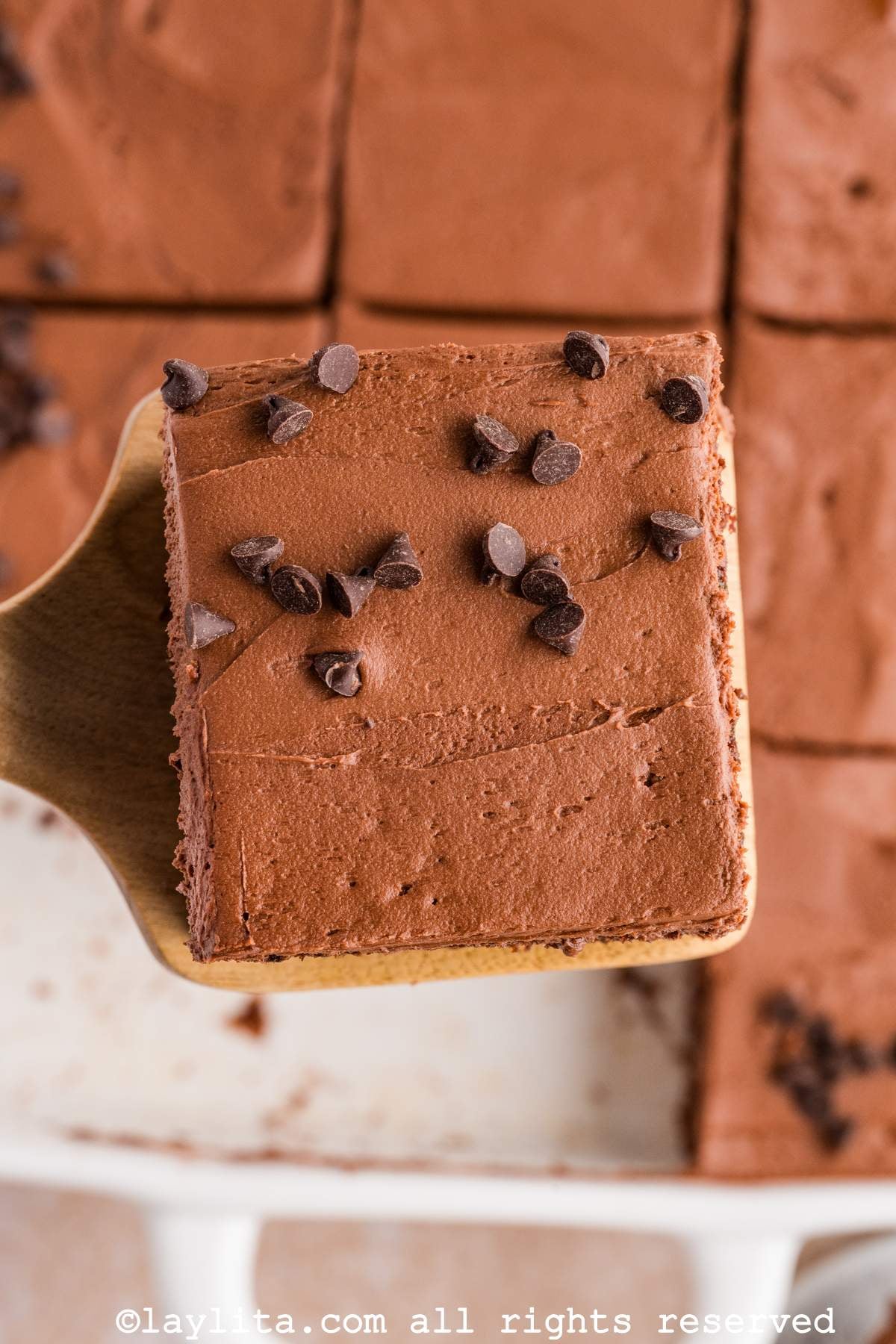
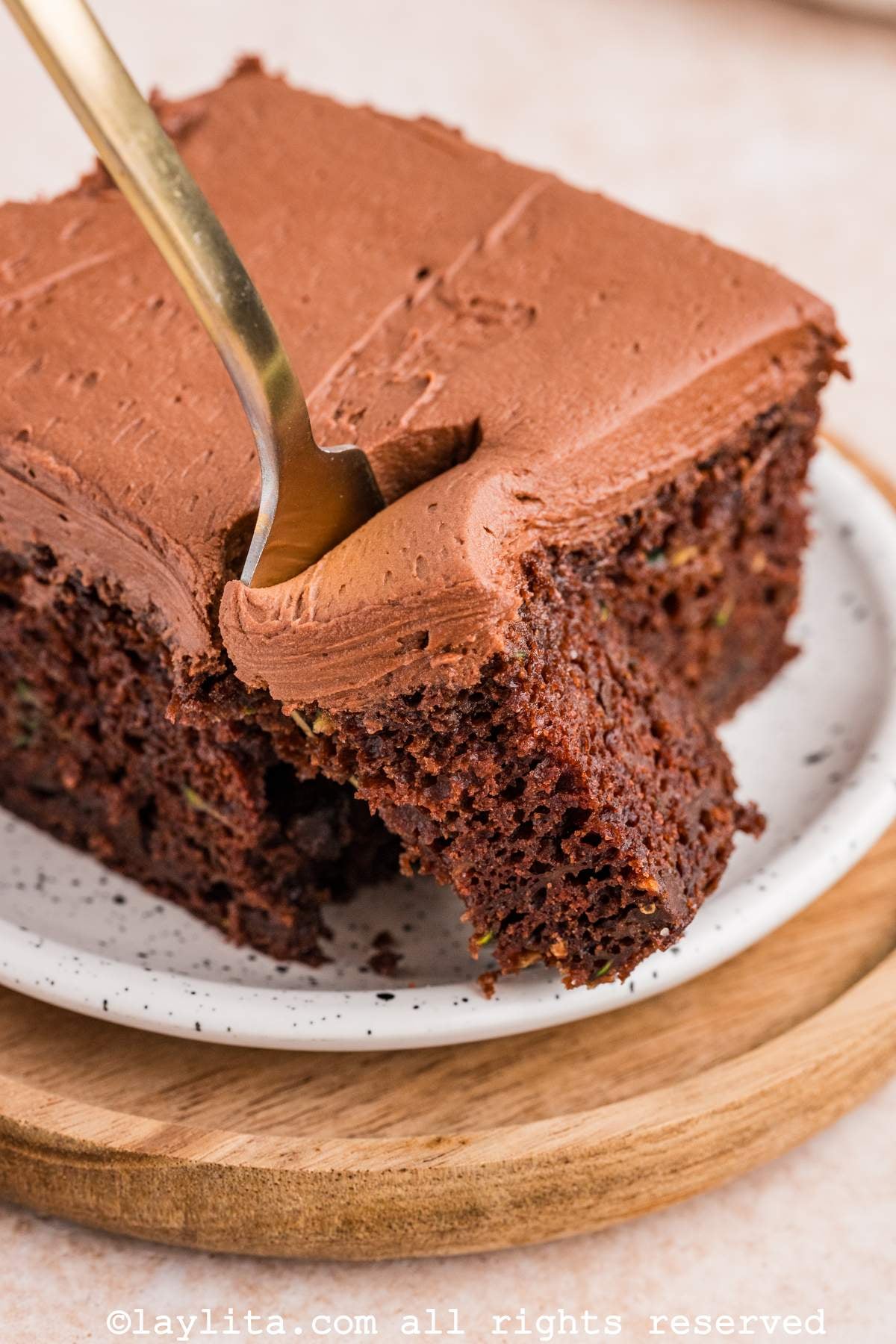
From a biochemical perspective, the integration of zucchini into cake batter relies heavily on the vegetable’s cellular structure and high water content, which ranges from approximately 90 to 95 percent. When grated and folded into a batter containing flour, fats, and leavening agents, the zucchini slowly releases moisture during the thermal baking process. This controlled hydration prevents the crumb structure from drying out, yielding a tender, fudgy texture comparable to cakes formulated with higher quantities of oil or dairy. Furthermore, the mild, neutral flavor profile of zucchini allows it to become entirely masked by robust baking ingredients like dark cocoa powder, vanilla extract, and granulated sugar. Culinary experts note that while the vegetable contributes significantly to the physical properties of the finished dessert, it remains virtually imperceptible to the palate, making it an effective method for introducing dietary fiber and micronutrients to uninitiated diners.
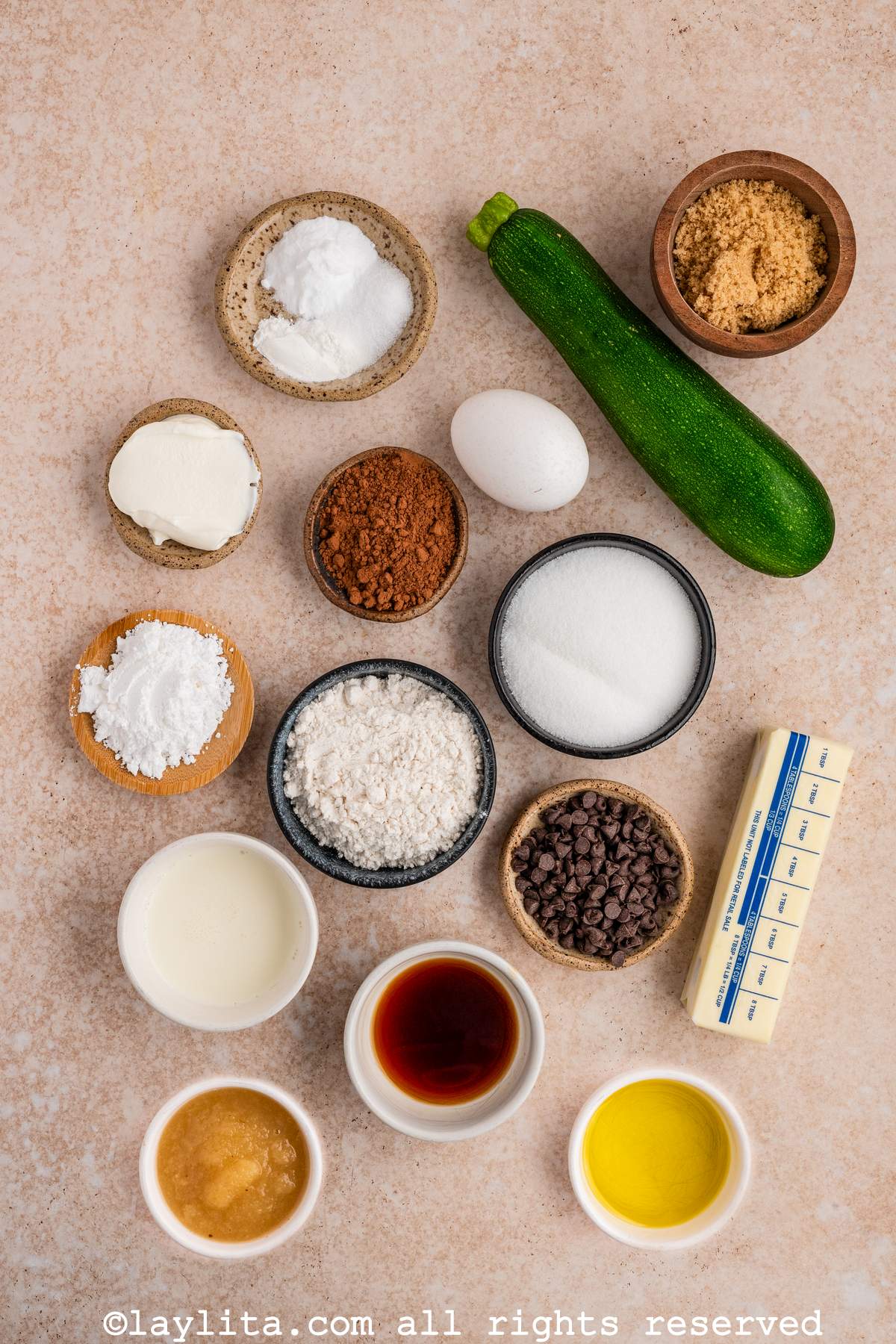
Preparation standards for an optimal chocolate zucchini cake require precise attention to moisture management and ingredient selection. Culinary testing protocols indicate that standard medium-sized zucchini should be washed and finely grated without peeling, as the thin outer skin softens entirely during baking and blends seamlessly into the dark batter. However, excessively large late-season squash often feature fibrous cores and tough rinds that necessitate peeling and seeding to avoid altering the smooth texture of the crumb. For bakers utilizing frozen grated zucchini—a common preservation method for extending garden yields into winter months—thorough thawing and aggressive manual expression of excess liquid are mandatory steps. Failure to remove surplus water can saturate the batter, resulting in an uneven rise and a structurally compromised, soggy end product.
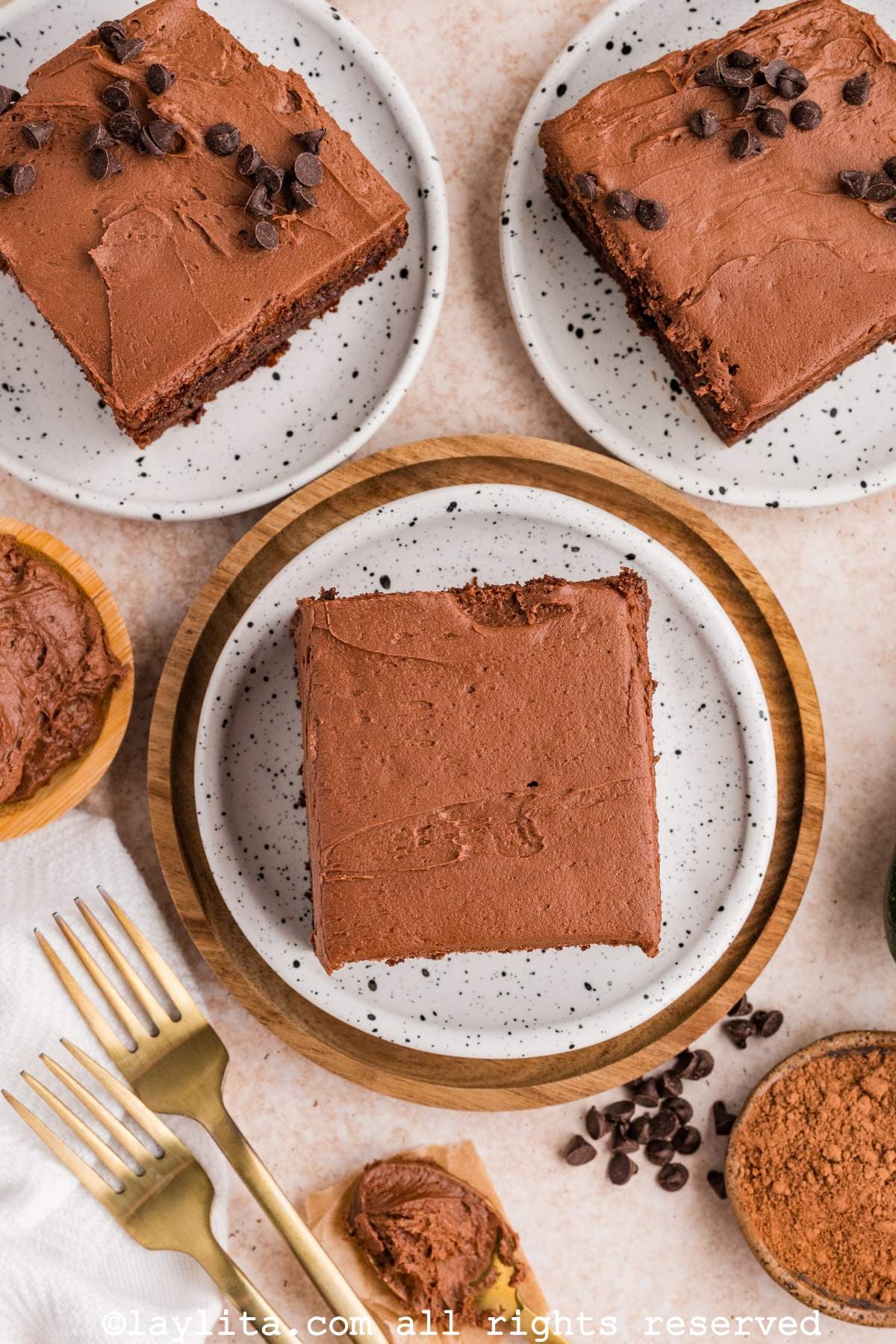
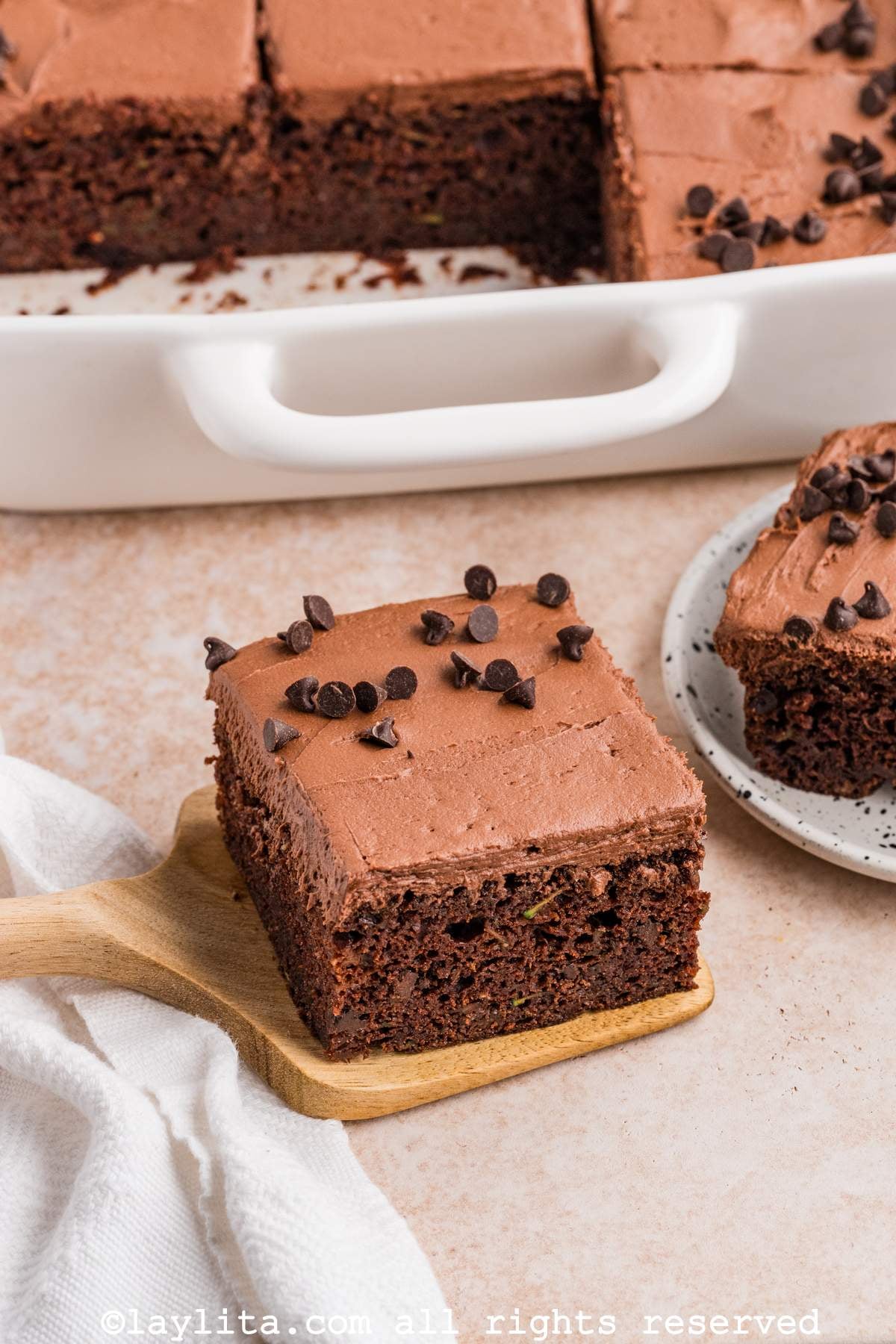
The formulation of the accompanying chocolate frosting is similarly critical to the overall success of the dessert. Traditional preparations favor a creamy, whipped butter and cocoa base, sometimes enriched with melted dark chocolate or heavy cream to achieve a smooth, spreadable consistency that contrasts texturally with the dense, moist cake below. Professional pastry chefs frequently recommend chilling the frosted cake to set the fat content in the dairy-rich frosting, followed by a brief tempering period at room temperature before service to restore optimal mouthfeel. Additional flavor modifications, such as the inclusion of espresso powder to intensify the chocolate profile or the addition of toasted nuts for structural contrast, offer further customization while maintaining the core integrity of the recipe.
Nutritional and economic analyses of baking with garden surplus highlight the broader implications of vegetable-infused desserts within modern domestic management. By redirecting surplus agricultural yield into high-value baked goods, households can mitigate food waste while reducing the necessity for expensive commercial additives or artificial humectants. Nutritionists observe that while chocolate zucchini cake remains a confectionery indulgence high in sugar and fats, the inclusion of whole vegetables introduces trace amounts of potassium, vitamin C, and dietary fiber. This dual functionality aligns with consumer trends favoring transparent, resourceful cooking methods that bridge the gap between fresh produce utilization and traditional comfort foods.
As culinary traditions continue to evolve across global markets, the adaptability of the chocolate zucchini cake has been demonstrated through widespread international adoption, with translated recipes appearing across Spanish-language platforms and European culinary forums. The enduring popularity of the dessert underscores a broader cultural appreciation for resourceful baking techniques that transform everyday agricultural abundance into sophisticated, universally appealing confectionery. Through careful attention to moisture control, ingredient quality, and structural balance, home bakers continue to preserve a legacy of culinary ingenuity that honors both seasonal harvesting and the timeless appeal of chocolate.
Related posts: