Colombia’s culinary landscape is defined by its dramatic topography, which ranges from the Caribbean coastline to the high-altitude Andean peaks. This geographical diversity has fostered a unique beverage culture that relies heavily on indigenous fruits, colonial-era infusions, and a distinct agricultural reliance on sugar cane. Beyond the country’s global reputation as a premier coffee producer, a complex ecosystem of traditional drinks exists that serves as a cornerstone of Colombian social identity, ranging from medicinal infusions to spirited festive cocktails.
The Historical and Agricultural Foundation
The foundation of traditional Colombian beverages is deeply rooted in the cultivation of panela—unrefined whole cane sugar. Historically, the production of panela has been an economic pillar for small-scale rural farmers across the Andean region. According to data from the Colombian Ministry of Agriculture, the country remains one of the world’s leading producers of panela, with the product integrated into the daily diet of nearly every household.
The beverage culture is divided primarily into two categories: the warming infusions favored in the high-altitude climates of cities like Bogotá, and the fruit-forward, refreshing beverages synonymous with the tropical Caribbean coast. This dichotomy is not merely aesthetic but serves a functional purpose in adapting to Colombia’s diverse climatic zones.
High-Altitude Infusions: Warming Traditions
In the Andean region, particularly in the capital, Bogotá, the climate dictates a preference for hot, calorie-dense, or spiced beverages.
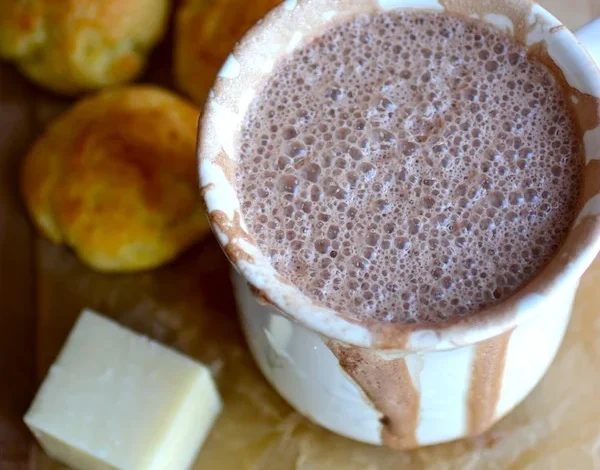
Chocolate Santafereño stands as the definitive hot drink of the region. Unlike standard hot chocolate, the Santafereño iteration is characterized by a specific service ritual, often including a slice of fresh cheese—such as queso campesino—which is submerged into the hot liquid to create a sweet and savory contrast.
Canelazo represents the intersection of local agriculture and colonial influence. It is a heated concoction of aguardiente, panela, and cinnamon. Its popularity, particularly during festive periods like Christmas, highlights the drink’s role as a social lubricant in colder climates.
Aguapanela serves as the most ubiquitous drink in the country. It is a simple, effective infusion of panela in water. Its versatility is its greatest strength; it is consumed as a morning pick-me-up, a base for coffee, or served cold with lime as a rehydration beverage. Its prevalence is such that it is often referred to as the "national drink of the people."
Chocolate en Leche de Coco and Sabajón offer variations on the traditional chocolate and eggnog formats. While Sabajón is structurally similar to European eggnog, the addition of anise-flavored aguardiente provides a distinctively local profile that sets it apart from international counterparts.
Tropical and Refreshing: The Coastal Influence
As one moves toward the Caribbean coast, the beverage profile shifts to accommodate high temperatures and high humidity. The focus here is on hydration and the utilization of the country’s immense biodiversity of exotic fruits.
Limonada de Coco is perhaps the most iconic representation of coastal Colombian culture. By blending coconut milk with fresh lime juice and ice, the drink achieves a creamy, tart, and cooling profile that is essential for tropical environments.
Jugo de Tamarindo highlights the influence of global trade on Colombian flavor profiles. The tamarind fruit, while not native to the Americas, was introduced during the colonial era and has since become a staple in Colombian cuisine. The juice is prized for its balance of intense acidity and sweetness, often served as a palate cleanser during heavy, savory meals.
Fermentation and Spirits: The Role of Aguardiente
No survey of Colombian beverages is complete without acknowledging the prominence of Aguardiente. Literally translating to "firewater," this anise-flavored spirit distilled from sugar cane is the primary alcoholic beverage consumed during public gatherings. It is regulated and produced primarily by departmental monopolies, a unique administrative holdover from colonial tax structures.
Refajo and Coco Loco represent the lighter, cocktail-focused side of the drinking culture. Refajo—a mix of beer and the local soda brand Colombiana—is a common feature at communal barbecues and football matches, signifying the informal, egalitarian nature of Colombian social events. Conversely, Coco Loco serves the tourism sector, particularly along the Caribbean islands, as a potent, coconut-based cocktail that reflects the region’s hospitality industry.
Dairy and Grain-Based Beverages
The Colombian diet also incorporates substantial dairy and grain-based drinks that function as snacks rather than mere hydration. Kumis, a fermented dairy product similar to kefir, is widely consumed for its probiotic properties. Once a household staple, its production has largely shifted to industrial, pre-packaged formats available in retail outlets nationwide.
Avena Colombiana is a thick, chilled drink made from oatmeal, milk, and spices like cinnamon and cloves. It is highly caloric and is frequently consumed as a mid-morning snack. Its texture and composition highlight a cultural preference for beverages that provide sustained energy throughout the workday.
Economic and Cultural Implications
The industry surrounding these traditional drinks faces a dual challenge: the modernization of consumption habits and the preservation of artisanal techniques. As global fast-food chains and international beverage brands expand their footprint in major Colombian cities, there is a measurable shift toward standardized, mass-produced drinks. However, the cultural attachment to traditional recipes remains robust.
The culinary tourism sector has emerged as a significant proponent of these traditional beverages. By framing these drinks as "must-try" experiences for international visitors, regional governments have effectively incentivized local restaurants and cafes to maintain traditional preparation methods. This has created a self-sustaining cycle where cultural heritage serves as a driver for economic growth in the hospitality sector.
Analysis of the Contemporary Beverage Market
Fact-based analysis suggests that the sustainability of these drinks depends on the continued viability of small-scale sugar cane and fruit farming. The "farm-to-table" movement within Colombia is increasingly focused on the provenance of ingredients used in these beverages. For instance, the specific variety of panela or the freshness of the coconut utilized in a limonada can significantly alter the quality of the final product.
Furthermore, the integration of these beverages into the national identity is a point of policy interest. Regulations governing the quality and sale of spirits like Aguardiente are strictly enforced to protect public health and ensure tax revenue. Simultaneously, there is a growing trend of "premiumization," where local artisans are experimenting with aged versions of traditional spirits or using organic, locally sourced ingredients to attract a more discerning, health-conscious demographic.
Conclusion
Colombia’s traditional drink culture is a reflection of the nation’s resilience and its ability to synthesize diverse influences into a cohesive culinary identity. From the warming, panela-based infusions of the Andean highlands to the bright, refreshing fruit juices of the Caribbean, these beverages offer a window into the daily life of the Colombian people. As the country continues to develop its tourism infrastructure, the preservation of these recipes remains a vital aspect of maintaining the country’s distinct cultural heritage in an increasingly globalized market. Whether consumed in a high-end restaurant in Bogotá or at a coastal roadside stall, these 12 drinks represent the core of the Colombian experience.