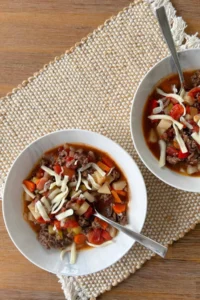
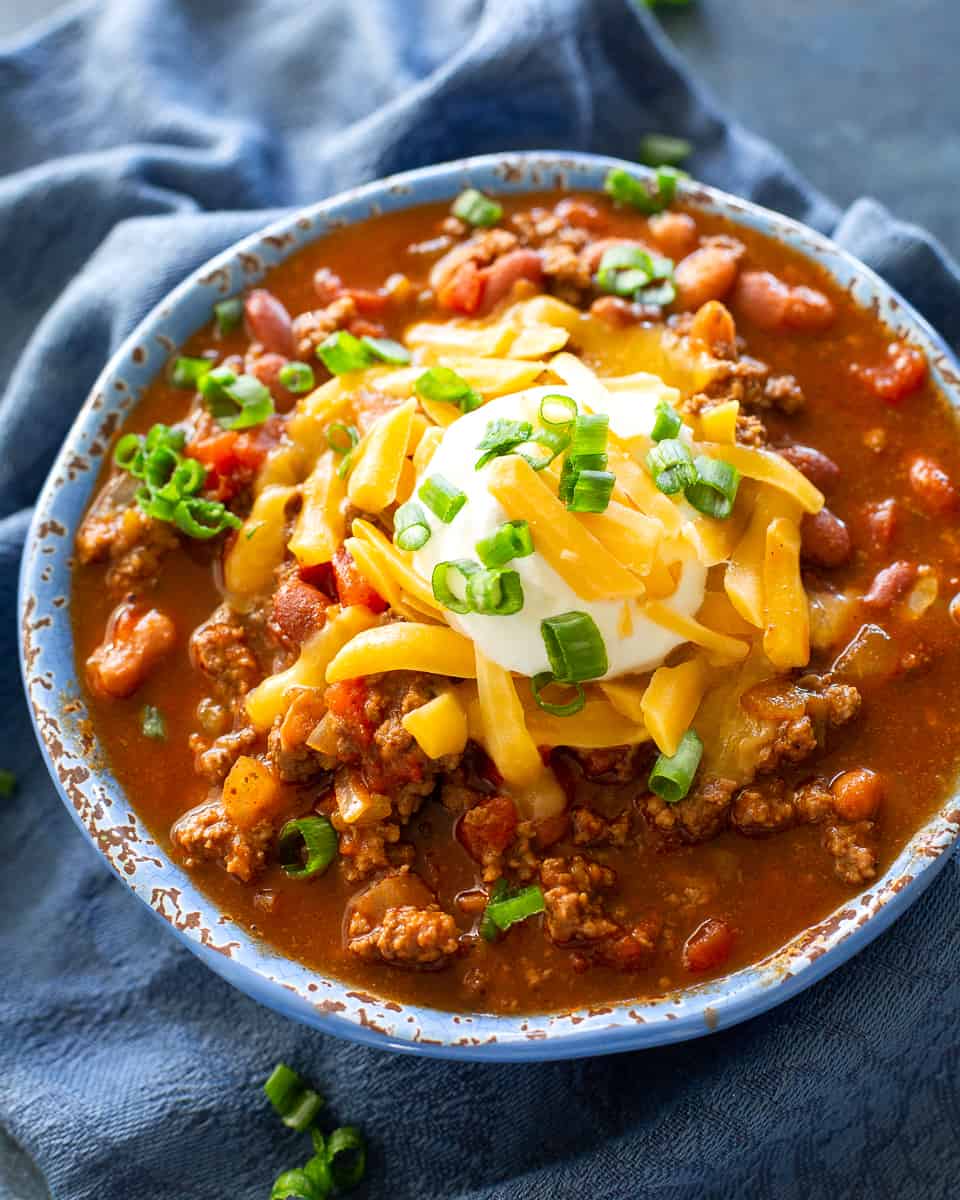
The pursuit of the perfect bowl of chili is a culinary endeavor that balances chemistry, history, and regional preference. At its core, a traditional red chili—often referred to as "Bowl of Red"—is a slow-simmered stew that relies on the interaction between protein, legumes, and a complex spice profile. A definitive version of this classic comfort food, often prepared using beef, kidney beans, and pinto beans, serves as a staple of North American home cooking. Whether prepared in a traditional Dutch oven on a stovetop or utilizing the convenience of modern slow-cooking technology, the objective remains the same: achieving a harmonious integration of flavors through low, sustained heat.
Historical Context and Evolution
Chili, or chili con carne, traces its origins to the American Southwest, specifically Texas, during the late 19th century. While the exact genesis remains a subject of debate among culinary historians—with some pointing to indigenous influences and others to the "chili queens" of San Antonio—the dish evolved from a rudimentary survival food into a cultural icon. By the early 20th century, chili parlors had become popular fixtures in urban centers, standardizing the use of dried chilies, cumin, garlic, and onions.
The integration of beans into the recipe, while controversial among purists of the "Texas Red" school, has become the standard for domestic cooking. The inclusion of both kidney and pinto beans provides a textural contrast and increases the nutritional density of the meal, contributing essential fiber and plant-based protein to the high-quality animal protein provided by the beef.
The Science of Thickening and Flavor Development
A significant shift in modern culinary technique involves the preparation of canned beans. Conventional wisdom has long suggested that the starchy liquid found in canned beans should be discarded to reduce sodium or remove metallic tastes. However, recent data from organizations such as America’s Test Kitchen suggests that this liquid, often composed of water, salt, and starch released from the beans, serves as an effective natural thickener.
When added to the chili base, this starch helps bind the spices and meat juices, creating a cohesive, velvety sauce rather than a watery broth. From a chemical perspective, the starches gelatinize as they reach the simmer point, improving the viscosity of the overall dish. Furthermore, letting the chili sit—a process known as flavor melding—allows the volatile compounds in the spices, such as capsaicin from the chili peppers and aromatic oils from the cumin, to permeate the proteins, resulting in a more complex flavor profile.
Culinary Methodology: Stovetop vs. Slow Cooker
The choice between a stovetop simmer and a slow cooker represents a choice between active culinary management and passive convenience. Stovetop cooking allows for the Maillard reaction to be carefully managed; by searing the beef in small batches, one creates a foundation of caramelized proteins that serve as the base for the dish. The constant monitoring of heat allows for a gradual reduction of the sauce, concentrating the flavors.
Conversely, the slow cooker operates on the principle of thermal stability. By maintaining a steady, low temperature over several hours—typically six to eight—the slow cooker ensures that the beef becomes tender through the slow breakdown of connective tissues. This method is particularly effective for large-batch production, making it an efficient choice for meal preparation or large gatherings.
Nutritional Profile and Dietary Considerations
From a nutritional standpoint, a serving of beef-based chili provides a robust profile of macronutrients. A standard 12-serving batch typically contains approximately 147 calories per serving, with a protein content of roughly 16 grams. The dish is also notable for its iron content, derived from both the beef and the beans, and its Vitamin A and C content, contributed by the aromatic vegetable base.
However, consumers must be mindful of sodium levels when using canned ingredients. While the bean liquid adds thickness, it also adds to the total sodium count. Chefs often balance this by utilizing low-sodium canned products or adjusting the added salt during the final seasoning phase. The inclusion of fresh toppings—such as diced bell peppers, cilantro, lime wedges, and green onions—not only adds textural contrast but also introduces fresh micronutrients that can help offset the heavy, savory profile of the stew.
Storage and Preservation Protocols
Chili is widely recognized as a "keeper" dish, meaning it often improves in flavor after being refrigerated for 24 hours. The storage life of a standard chili recipe is generally three to four days when held at a constant temperature of 40 degrees Fahrenheit or below.
For long-term storage, the dish is highly freezer-friendly. When frozen, the structural integrity of the beans and meat remains intact for up to three months if stored in an airtight, moisture-resistant container. To maintain quality, it is recommended that the chili be thawed slowly in a refrigerator rather than subjected to rapid temperature fluctuations, which can alter the texture of the beans.
Broader Impact and Culinary Trends
The enduring popularity of the classic chili recipe highlights a broader trend in domestic dining: the return to "scratch" cooking using accessible, affordable ingredients. In an era of rising food costs, the combination of legumes and ground beef offers a high-yield, cost-effective meal solution that fits the requirements of large families or meal-prepping individuals.
Furthermore, the versatility of the dish allows for significant customization. While the foundation—meat, beans, and red sauce—remains static, the flavor profile can be adjusted from mild to intense by varying the types of chilies used, such as ancho, chipotle, or habanero. This adaptability has allowed the dish to transcend its regional roots, becoming a staple across North America and influencing modern fusion cuisine, where it is increasingly found as a topping for everything from baked potatoes to savory pastries.
Conclusion and Best Practices
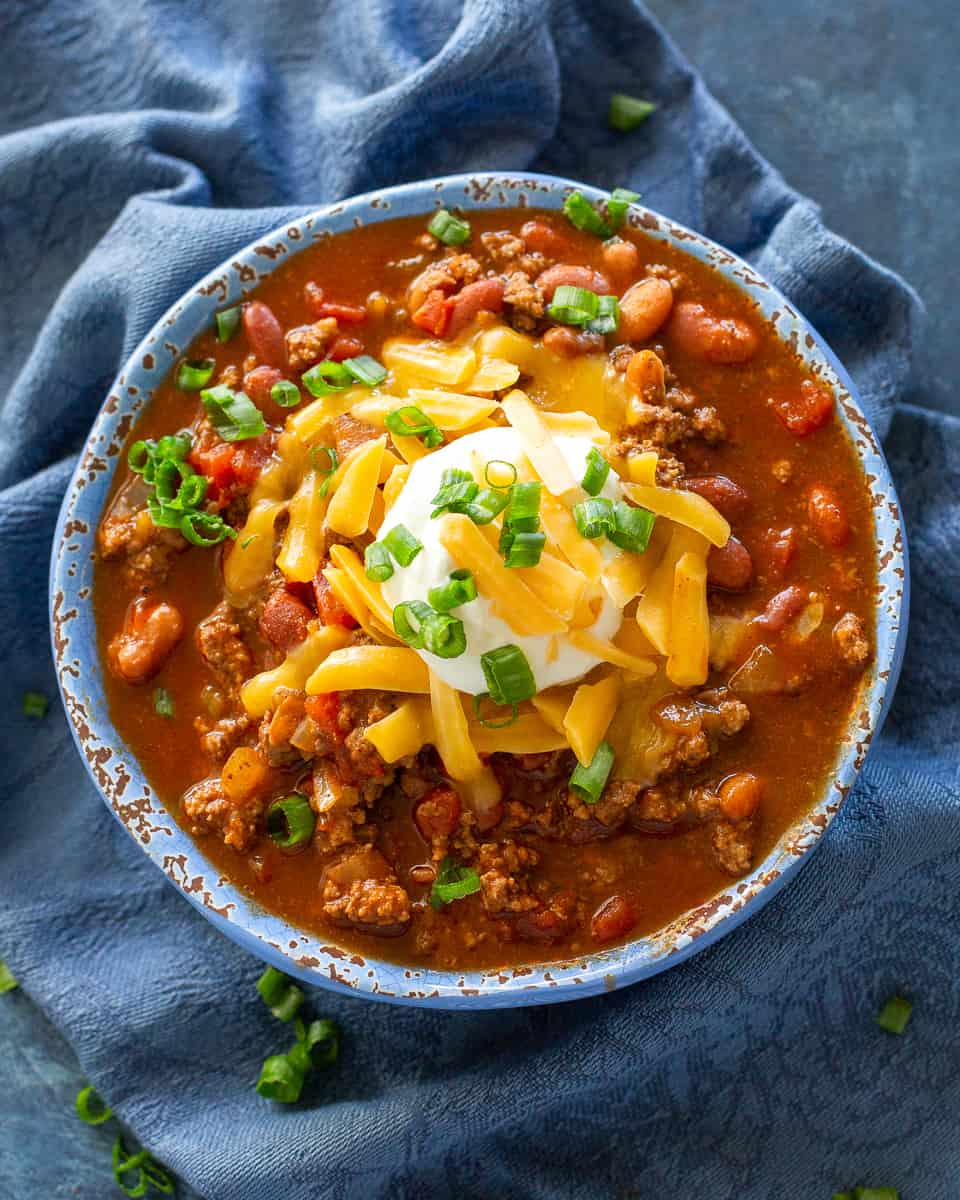
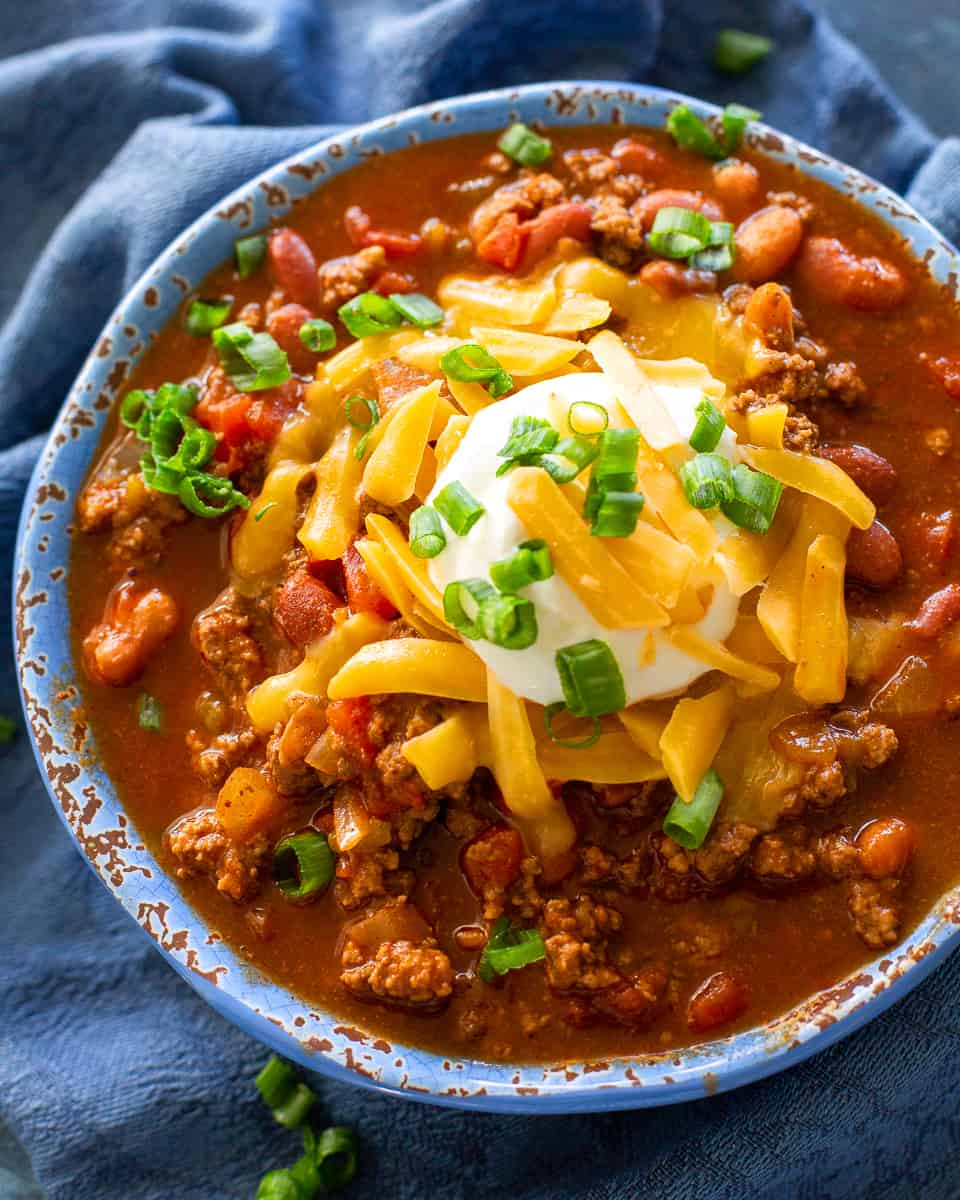
Achieving a superior chili requires adherence to foundational techniques: proper browning of the beef, a patient approach to simmering, and an understanding of how ingredients like bean starch function within the sauce. By focusing on these elements, home cooks can replicate the depth of flavor traditionally found in commercial kitchens. The ultimate success of the dish, however, lies in the final presentation. Providing a variety of toppings—sour cream for acidity, cheddar for fat, and jalapeños for heat—allows the consumer to tailor the dish to their personal palate, ensuring that this classic remains a consistent favorite at any table.