Halloween Culinary Trends and Seasonal Preparation Strategies for Home Entertaining

As the calendar approaches October 31, the intersection of seasonal culinary arts and holiday tradition becomes a significant focus for both home cooks and the retail food sector. The preparation of Halloween-themed food has evolved from simple candy distribution into a multi-faceted endeavor involving intricate baking, themed savory courses, and strategic event planning. This shift reflects broader trends in American holiday spending and home entertaining, where the "experience economy" increasingly permeates domestic activities.
The Historical Context of Halloween Culinary Traditions
The transition of Halloween from a Celtic harvest festival—known as Samhain—to its current iteration in the United States has been marked by a profound shift in dietary practices. Historically, the holiday centered on the preservation of harvest yields; however, modern customs have pivoted toward the commercialization of confectionery and themed culinary design.
Market research indicates that Halloween now stands as one of the most significant revenue-generating holidays for the food and beverage industry, trailing only the winter holiday season in terms of consumer spending. According to the National Retail Federation (NRF), annual spending on Halloween-related goods—a significant portion of which is dedicated to food and candy—consistently reaches multi-billion dollar figures, often exceeding $10 billion in recent years. This expenditure underscores the cultural imperative of "festive hosting," where the presentation of food is deemed as essential as the flavor profiles themselves.
Chronology of Modern Halloween Food Preparation
The modern home cook follows a structured timeline to manage the complexities of themed preparation. This schedule is typically divided into three distinct phases:
- Strategic Planning (Late September): During this phase, hosts assess requirements for school-related functions, trick-or-treat logistics, and private social gatherings. Culinary professionals recommend identifying "make-ahead" items—such as decorative barks, cookie doughs, and non-perishable pantry snacks—to mitigate time constraints as the holiday approaches.
- Execution and Assembly (Mid-October): This period is dedicated to the assembly of high-maintenance items, such as structural desserts or items requiring refrigeration. Incorporating family participation during this phase is a common strategy, as it reduces labor costs and enhances the communal aspect of the holiday.
- Final Presentation (October 30–31): The final stage involves the preparation of fresh, perishable items, such as savory appetizers or dinner courses. Culinary experts advise that menu items served during this window should prioritize safety and temperature stability, especially for gatherings involving large groups or outdoor elements.
Data-Driven Trends in Holiday Entertaining
Data from consumer behavior analysts suggest that there is a growing demand for "interactive" food items. These are dishes that require a final step of assembly or decoration by the guest or the host, such as puff-pastry-wrapped proteins or themed charcuterie arrangements.
"The rise of visual social media platforms has drastically altered the expectations for holiday food," says a lead consultant in culinary marketing. "It is no longer enough for a dish to be palatable; it must be aesthetically aligned with the ‘spooky’ or ‘harvest’ theme of the season."
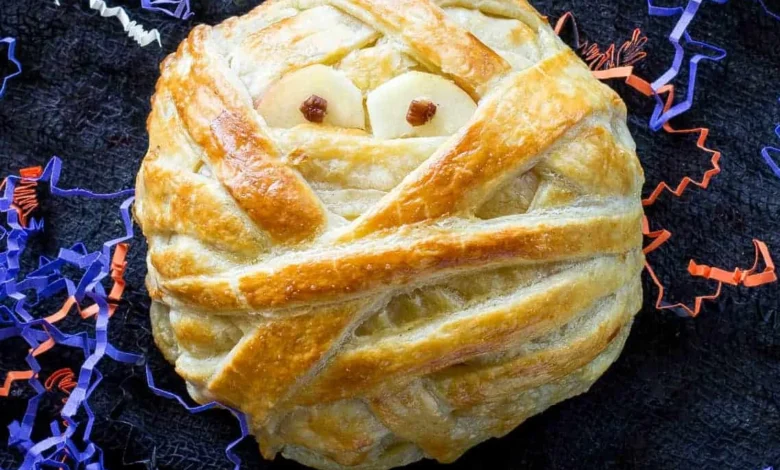
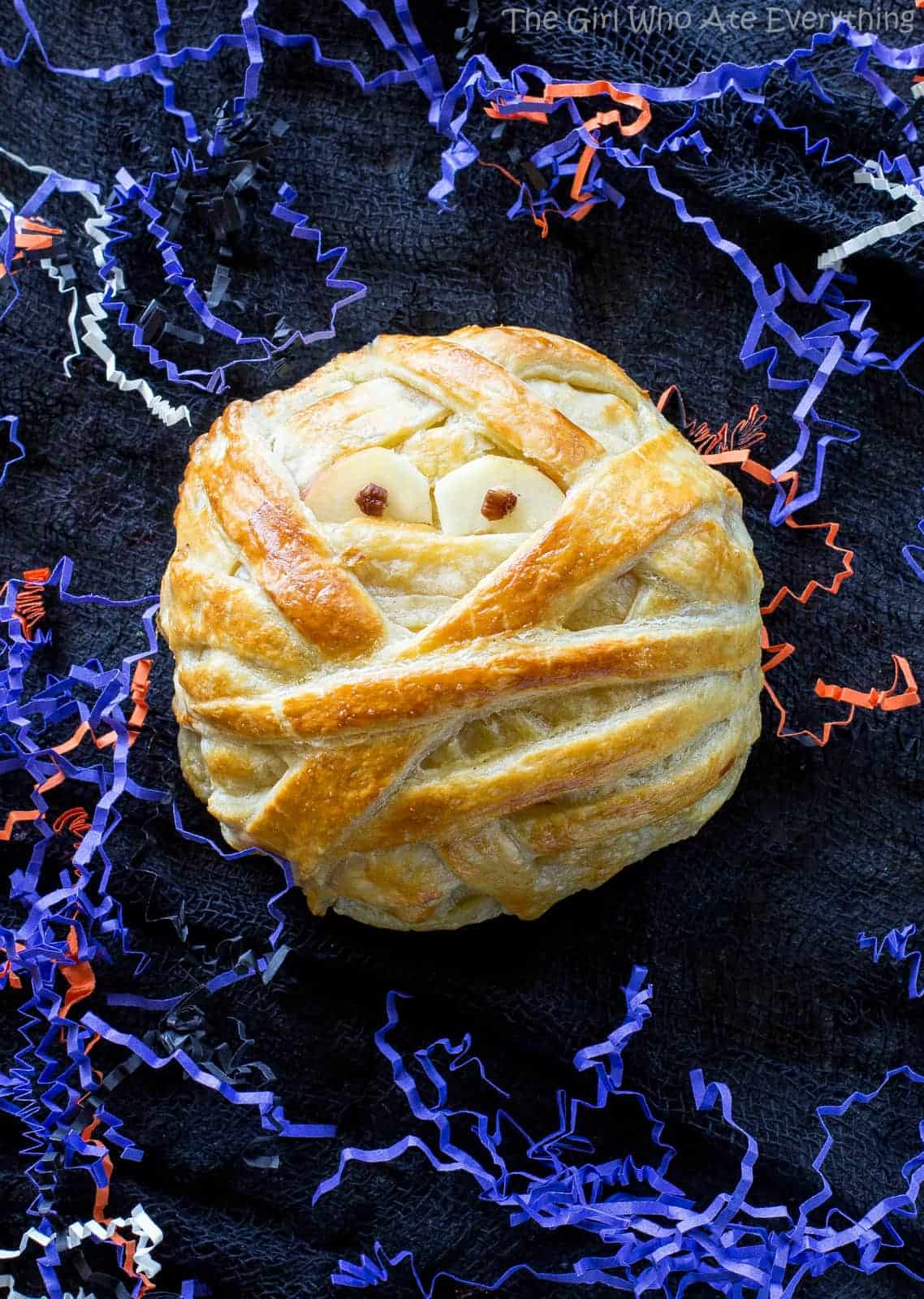
Supporting this, retail data shows a consistent surge in sales for specific ingredients during October, including puff pastry, decorative icing, candy corn, and seasonal spices like cinnamon and nutmeg. These ingredients are foundational to the "spooky" culinary aesthetic, where simple foods are elevated through thematic shaping—such as molding dough into "dentures" or wrapping brie in pastry to resemble a mummy.
Categorizing the Halloween Menu
To maintain efficiency in a high-volume entertaining environment, professional chefs suggest categorizing the menu into four core pillars:

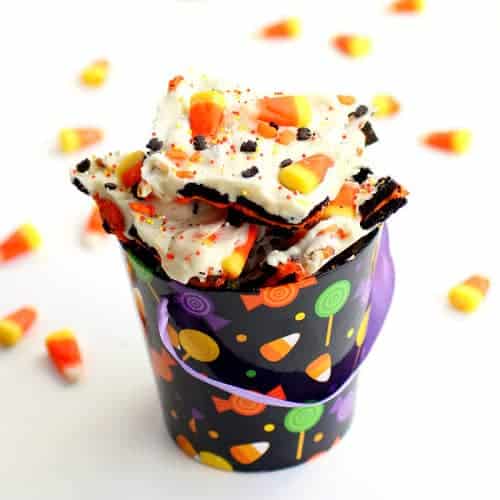
- Confectionery and Structural Desserts: This category includes high-sugar items like chocolate barks and cookies. These items are the most durable and should be prioritized in the preparation timeline, as they can be produced weeks in advance.
- Youth-Oriented Novelties: These include visually striking, child-friendly snacks that prioritize creative design over complex preparation. Examples include using confectioners’ sugar and food coloring to create thematic representations of classic tropes, such as monsters or ghosts.
- Savory Party Appetizers: This category serves as the anchor for adult-oriented gatherings. By utilizing seasonal ingredients like pumpkin, squash, and autumn pecans, hosts can create sophisticated appetizers that fit the theme while maintaining high nutritional and flavor standards.
- Themed Dinner Entrees: Often overlooked in favor of snacks, the main course can be integrated into the thematic experience through creative presentation. Utilizing traditional comfort foods—such as shepherd’s pie—and applying simple visual modifications can serve as the centerpiece of a holiday dinner.
Official Guidelines and Food Safety Considerations
While the primary focus of Halloween food is visual appeal, culinary health organizations emphasize the importance of food safety. With the influx of guests and the potential for food to sit out for extended periods during parties, the following safety protocols are recommended:
- Temperature Control: Perishable items, particularly those containing dairy or meat, should not remain at room temperature for longer than two hours.
- Allergen Awareness: Given the increased focus on community sharing and classroom treats, hosts are urged to maintain transparency regarding ingredients, particularly common allergens like nuts, dairy, and gluten.
- Sanitary Handling: For recipes involving the "shaping" of food by children, strict hand-washing protocols must be observed to prevent cross-contamination.
Broader Impact and Industry Implications
The trend toward "do-it-yourself" Halloween culinary projects has had a measurable impact on the kitchen appliance and retail supply industries. The popularity of specialized baking molds, food-safe dyes, and themed serving ware has created a robust secondary market. Furthermore, the emphasis on "tasty fall recipes"—including the expansion of the soup and stew category—indicates a consumer preference for comfort and seasonal authenticity as the temperature drops.
From an economic perspective, the shift toward home-prepared food items is a response to the rising costs of pre-packaged commercial holiday products. By creating themed meals at home, consumers are finding ways to balance the desire for holiday participation with fiscal responsibility.
Conclusion
As the holiday continues to evolve, the integration of culinary arts into the Halloween experience will likely become even more sophisticated. The current standard—a blend of high-efficiency, make-ahead sweets and visually creative savory dishes—provides a sustainable model for both novice and experienced home cooks. By adhering to a structured preparation timeline and prioritizing the integration of seasonal ingredients, hosts can effectively manage the logistical demands of the holiday while contributing to the ongoing tradition of festive, thematic, and communal dining. Whether through the preparation of complex pastries or the simple assembly of novelty snacks, the focus remains on enhancing the experience of the season through intentional, thoughtful, and creative food preparation.
Related posts: