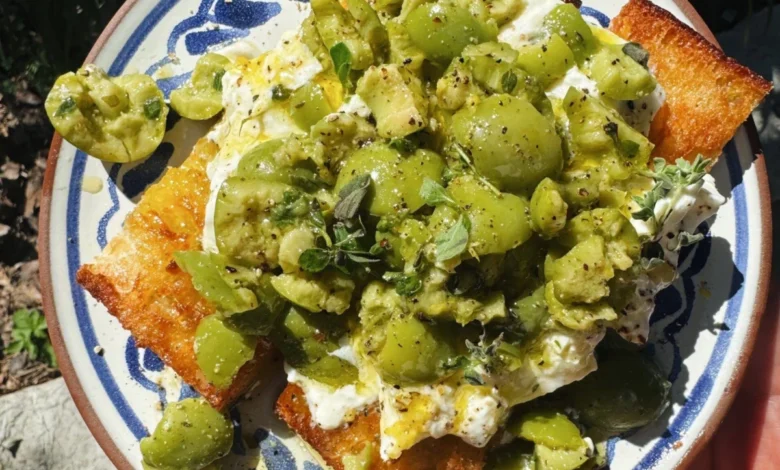
The culinary landscape of the summer season often sees a rapid rotation of viral sensations, driven largely by social media platforms and home cooks seeking simple yet elevated flavor profiles. Among the most recent additions to this seasonal canon is a dish combining smashed Castelvetrano olives, creamy burrata cheese, and crisp fried bread, a combination that has rapidly transitioned from digital feeds to domestic kitchens. The recipe, which highlights the versatility of Mediterranean ingredients, has captured widespread attention for its minimalist preparation and robust flavor contrasts, positioning itself as a defining casual dining trend for the warmer months.
Origin and Digital Virality
The trajectory of the dish began on Instagram, where food content creator Courtney, widely known on the platform as Cheese Gal, published a short-form video demonstrating the preparation of the olive and cheese pairing. Short-form video algorithms quickly amplified the content, a phenomenon that has increasingly dictated modern culinary trends by connecting creators with global audiences in real time.
Food writer and recipe developer Lindsay Ostrom encountered the post through the platform’s recommendation network and subsequently recreated the dish. Following her adaptation, which introduced minor variations such as substituting fresh basil with oregano, the recipe gained further traction among a broader demographic of home cooks. According to culinary analysts, recipes that require minimal cooking equipment, rely on readily available gourmet ingredients, and offer immediate visual appeal are uniquely positioned to achieve high rates of replication across social media networks.
Culinary Composition and Ingredients
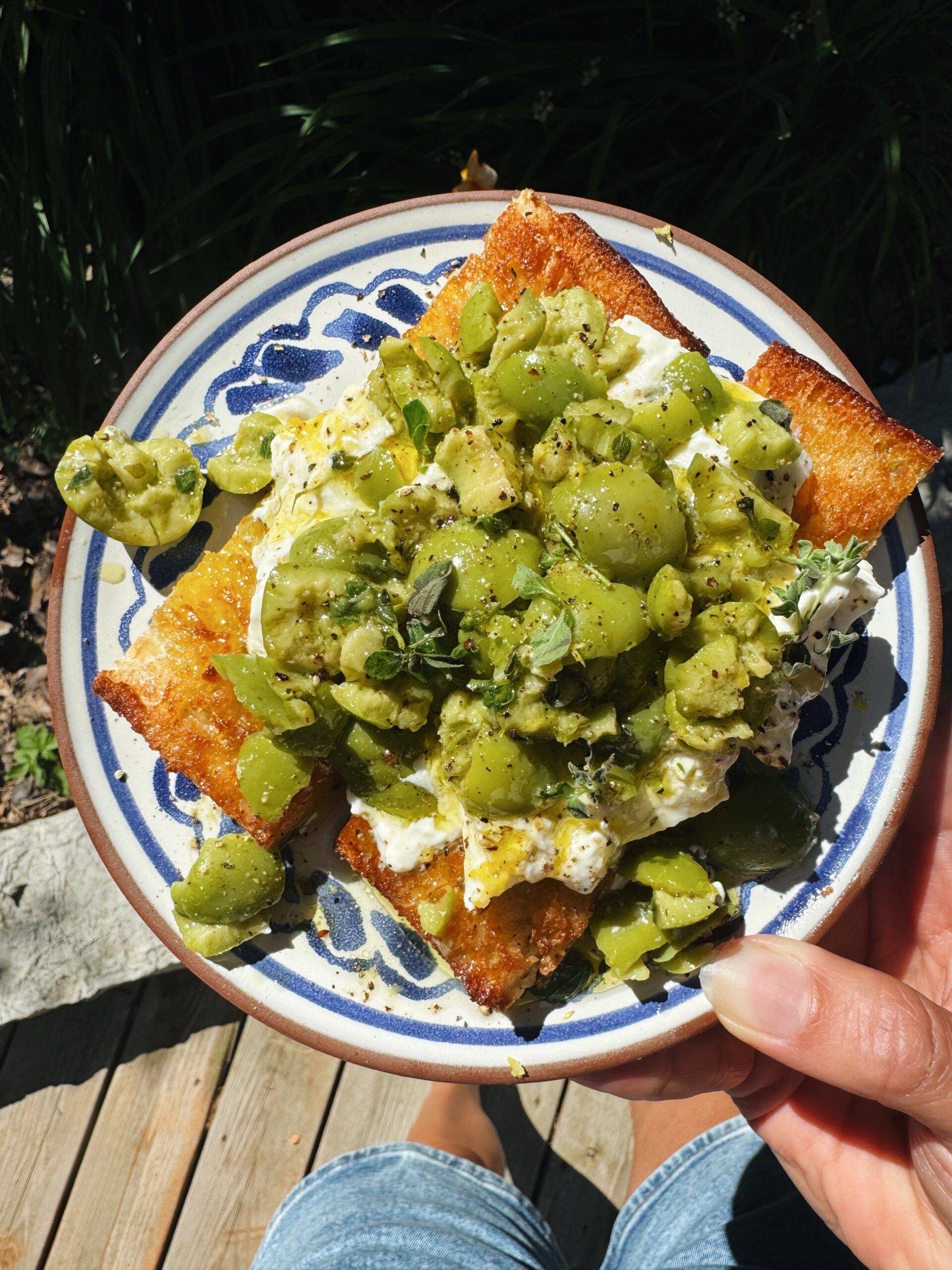
At the core of the trend is a deliberate play on textures and temperatures. The dish centers on Castelvetrano olives—known for their buttery flavor and mild, sweet profile—which are physically smashed to release their natural oils and create a rustic texture. These olives are then tossed with fresh lemon juice, high-quality extra virgin olive oil, and aromatic herbs.
The components of the dish are traditionally served alongside:
- Castelvetrano Olives: Smashed to enhance flavor absorption and alter texture.
- Burrata Cheese: Torn into generous portions to provide a rich, creamy contrast to the salty olives.
- Fried Bread: Prepared by crisping bread in olive oil or butter, serving as a structural base for the toppings.
- Acid and Aromatics: Fresh lemon juice, olive oil, and herbs such as oregano or basil to balance the richness of the cheese and fats.
Nutritional and culinary experts note that the reliance on a Mediterranean diet framework—incorporating healthy fats from olive oil, fermented or fresh dairy, and antioxidant-rich olives—aligns with broader consumer preferences for food that is perceived as both indulgent and health-conscious.
Chronology of Adoption
The timeline of the recipe’s rise reflects the fast-paced nature of contemporary food trends:

- Initial Publication: The concept is shared via digital channels by social media creators, establishing the baseline visual and structural components.
- Cross-Platform Adaptation: Prominent food bloggers adopt and modify the recipe, tailoring the ingredient ratios to suit individual preferences and seasonal availability.
- Household Integration: Home cooks incorporate the dish into weekly meal planning, frequently utilizing it as a modular component for midday meals, casual entertaining, or light appetizers.
- Mainstream Commercial Awareness: Specialty food retailers report localized increases in the demand for key components, specifically Castelvetrano olives and fresh burrata, during peak summer months.
Market Implications and Consumer Behavior
The widespread adoption of social media-driven recipes has measurable effects on specialty grocery retail. Supermarkets and specialty purveyors often experience shifts in inventory demand based on viral cooking trends. Ingredients like Castelvetrano olives, historically viewed as niche antipasti items, have seen steady growth in household penetration as consumers seek out specific flavor profiles popularized online.
Furthermore, the popularity of the dish highlights the evolution of the modern lunch culture, frequently referred to in lifestyle media as the "girl lunch" or structured snack plate. This dining style prioritizes assemblable, no-cook, or low-cook components over traditional hot meals, particularly during periods of elevated seasonal temperatures. By combining pantry staples with fresh dairy and artisanal bread, consumers are able to replicate restaurant-quality dining experiences at home with minimal preparation time.
Broader Industry Perspective
Culinary historians and market researchers suggest that the trend toward smashed olive and burrata pairings is part of a larger movement favoring tactile, interactive dining experiences. The physical action of smashing the olives and tearing the cheese engages multiple senses, a factor that contributes to the high engagement rates of such recipes on visual platforms like Instagram and TikTok. As digital networks continue to influence home cooking habits, simple assemblies that deliver high sensory rewards are expected to remain central to contemporary culinary culture.