The Ultimate Hybrid Morning Pastry: Banana Bread Scones Combine Two Breakfast Favorites Into One Innovative Bake

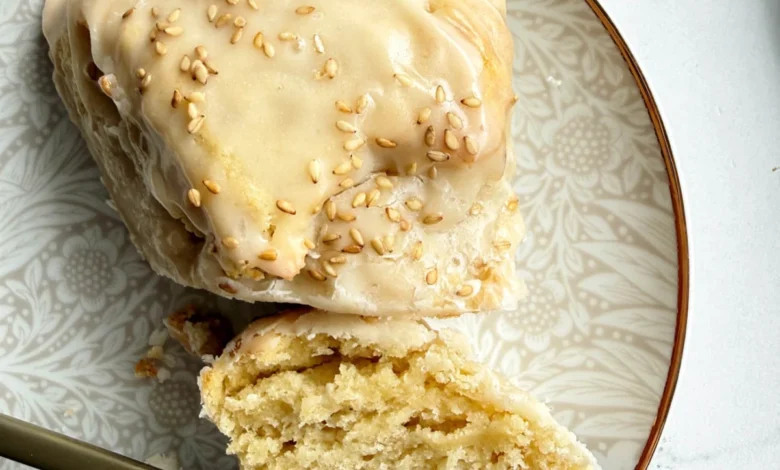
The culinary landscape of morning baked goods has long been divided between the comforting, dense crumb of traditional banana bread and the flaky, buttery layers of a classic bakery scone. Recently, home baking innovators and professional pastry chefs alike have sought to bridge this breakfast divide, introducing hybrid creations designed to satisfy dual cravings in a single serving. Among the most successful iterations of this trend is the newly developed banana bread scone, a pastry engineered to capture the rich, tropical sweetness of overripe bananas while maintaining the structural integrity and lofty, multi-layered texture of a high-end scone.
This development reflects a broader, ongoing evolution in home baking and commercial pastry arts. Over the past decade, hybrid pastries—ranging from the famous cronut to cruffins and cookie-croissants—have dominated consumer interest. Bakers continuously look for ways to merge familiar, nostalgic flavor profiles with contrasting, sophisticated textures. The banana bread scone represents a refined approach to this trend, prioritizing structural mechanics and flavor balancing over mere novelty.
The Culinary Mechanics of the Hybrid Scone
Creating a scone that successfully incorporates wet fruit purée without turning dense or soggy requires a precise understanding of baking chemistry. Traditional scone recipes rely on a high ratio of cold butter cut into dry ingredients, which creates pockets of steam in a hot oven, resulting in flakiness. Introducing banana introduces excess moisture and heavy starches, which can easily weigh down the dough.
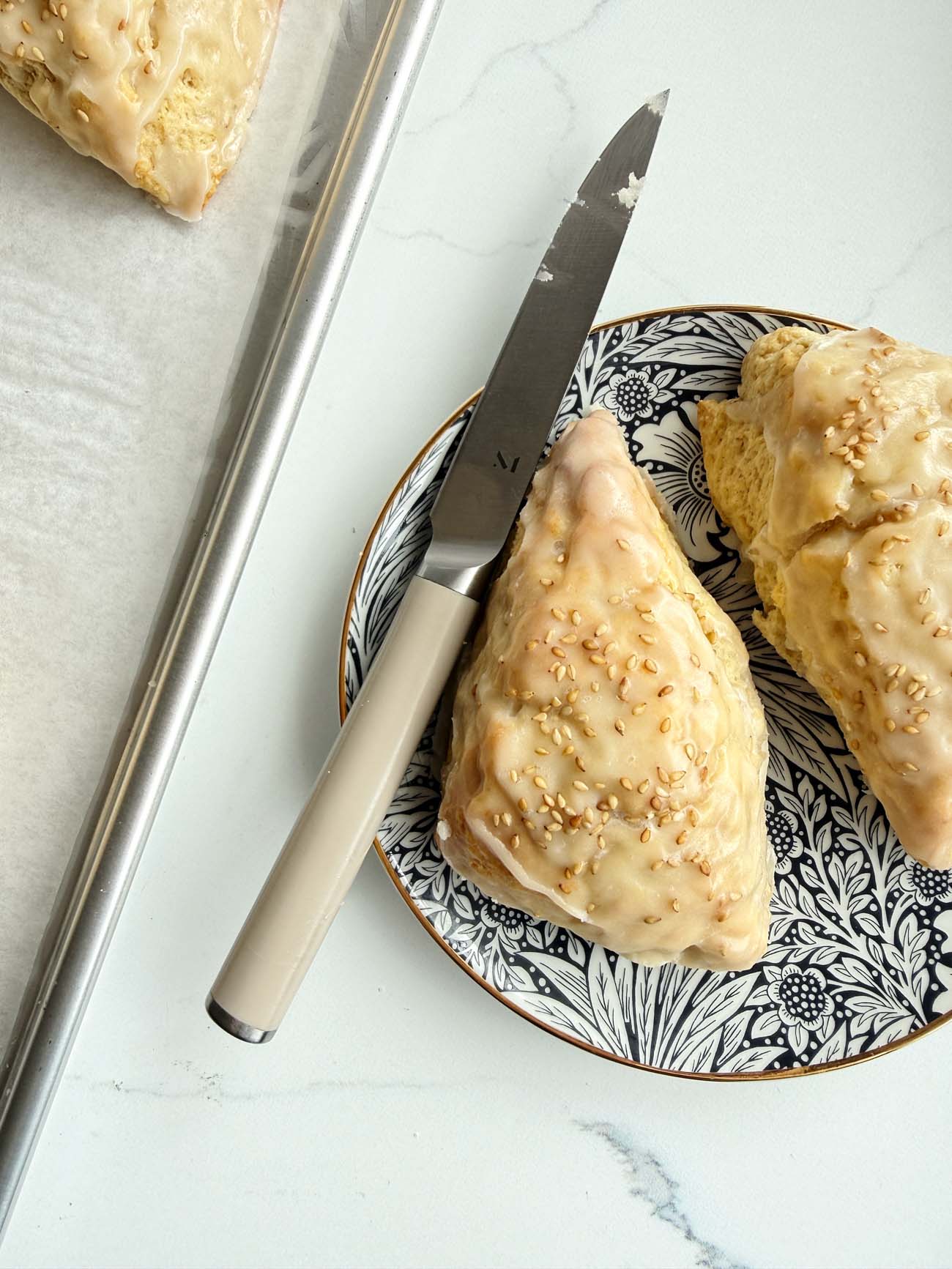
To counter this, recipe developers have utilized specific lamination techniques—namely, folding the dough over several times before cutting. This mechanical layering compensates for the heavier fruit content, ensuring that the final product bakes up tall and lofty rather than flat and heavy. Furthermore, bakers recommend strategic freezing protocols. Shaping the scones ahead of time and subjecting them to a deep chill not only allows for convenient, on-demand baking but also ensures that the cold butter holds its structure longer when exposed to heat, maximizing oven spring.
Professional Techniques for Perfection
Achieving consistent results with a high-moisture pastry requires adherence to specific technical guidelines developed through extensive recipe testing. Professional and advanced home bakers emphasize several critical phases in the preparation and execution of banana bread scones.
Temperature control remains paramount. Whether working by hand with a pastry cutter or utilizing a stand mixer fitted with a paddle attachment—a method favored by bakers managing repetitive strain or wrist fatigue—the butter must be kept as cold as possible until it enters the oven. The ideal butter distribution resembles small peas, ensuring that fat distribution remains even without melting prematurely into the flour.
Baking architecture also plays a significant role in the final presentation. Culinary experts note that the triangular tips of sliced scones have a natural tendency to slip or deform during the initial stages of baking. Active monitoring during the first few minutes in the oven allows bakers to gently correct shifting dough with a spatula or knife. Additionally, thermal management via double-pan insulation—nesting one baking sheet directly beneath the primary pan—prevents the bottoms of the scones from scorching or browning prematurely before the interior has fully set.
The Role of Finishing Elements: Glazes and Flavor Profiles
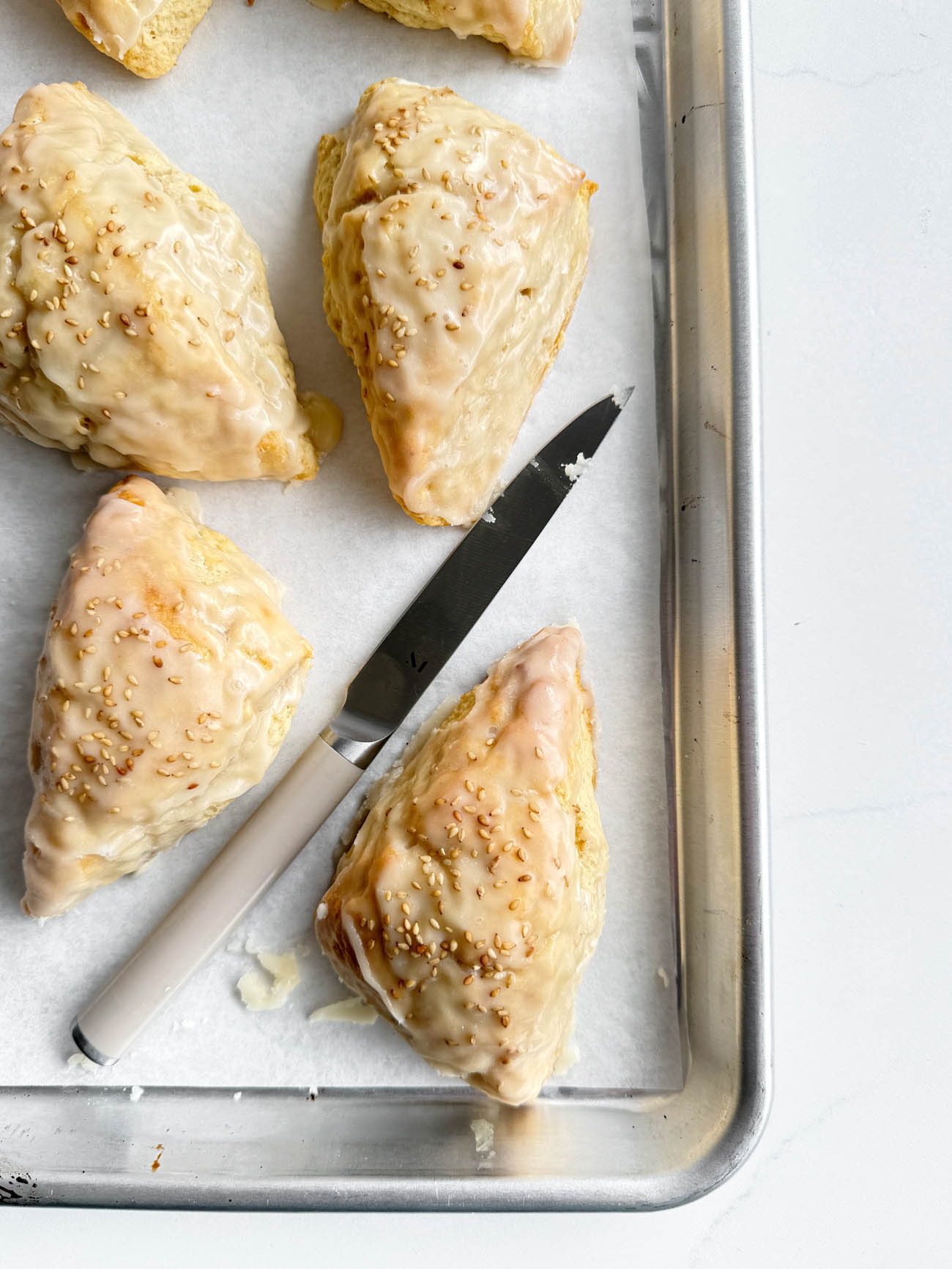
While the base pastry delivers the core flavor and texture, the finishing glaze serves a dual purpose of textural enhancement and moisture retention. Culinary professionals stress the importance of applying icing while the scones are still warm from the oven. This technique allows the glaze to partially absorb into the outer crust, sealing in internal moisture and keeping the crumb tender for hours after baking.
Traditional sugar glazes are frequently elevated in modern pastry kitchens through the addition of bold, contrasting flavor notes. Toasted sesame oil has emerged as a sophisticated pairing for banana-based pastries, offering a nutty, savory undertone that cuts through the intense sweetness of the fruit. For those unable to source toasted sesame oil, acceptable alternatives include dark rum or water, though pastry critics note that the sesame variation provides a distinct culinary depth that elevates the rustic nature of banana bread into the realm of artisanal dining.
Broader Industry Implications and Baking Trends
The rise of complex, make-ahead morning pastries underscores changing consumer habits in the post-pandemic culinary environment. With a sustained interest in scratch cooking combined with increasingly busy schedules, consumers demand recipes that offer maximum flexibility without sacrificing quality. Freeze-and-bake pastry formats—exemplified by scones that can be shaped, frozen for up to two weeks, and baked individually—meet the modern demand for fresh, artisanal food with minimal daily effort.
Furthermore, standardization in ingredient measurement remains a critical point of discussion within the baking community. Variations in flour density, protein content, and cup-to-gram conversions continue to be a leading source of inconsistency for home bakers. Leading culinary platforms increasingly advocate for precise weight measurements—such as standardizing one cup of all-purpose flour to approximately 142 grams—and specifying flour brands with consistent protein profiles, such as unbleached options for non-yeasted quick breads and pastries, to ensure uniform results across different kitchens.
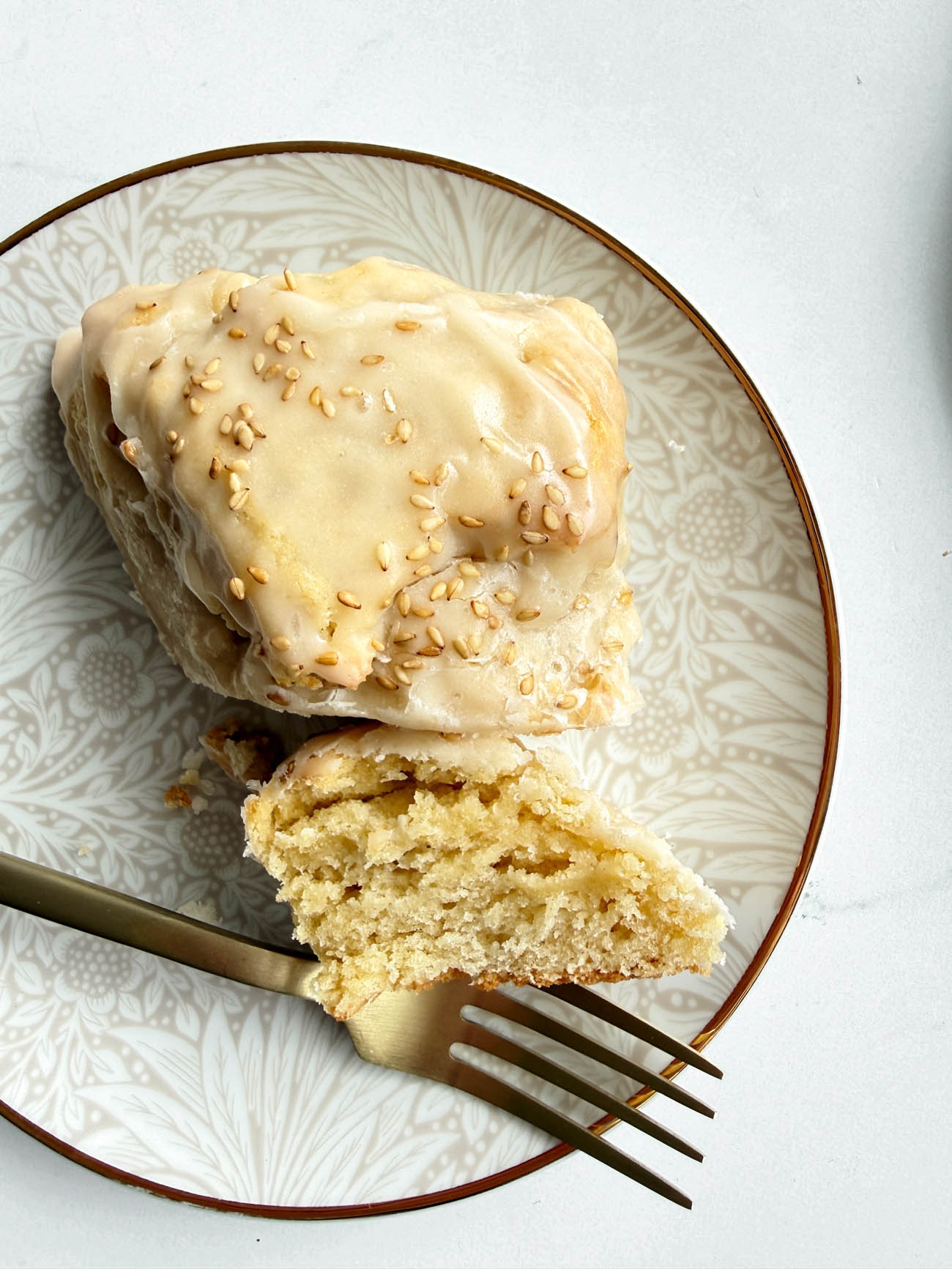
As the intersection of traditional comfort foods and modern baking techniques continues to expand, innovations like the banana bread scone demonstrate that even the most established recipes can be reimagined through careful attention to texture, temperature, and technique.