Diwali, the annual Festival of Lights, stands as the most significant cultural and religious event in the Hindu calendar, characterized by the illumination of homes, the exchange of gifts, and a profound focus on culinary excellence. As the festival approaches, households across Northern India and the global diaspora prepare to host elaborate feasts that symbolize prosperity and the triumph of light over darkness. This year, the culinary focus has shifted toward inclusive, plant-based interpretations of traditional North Indian cuisine, allowing for a broader demographic to participate in these time-honored festivities without compromising on the complexity or depth of flavor historically associated with the region.

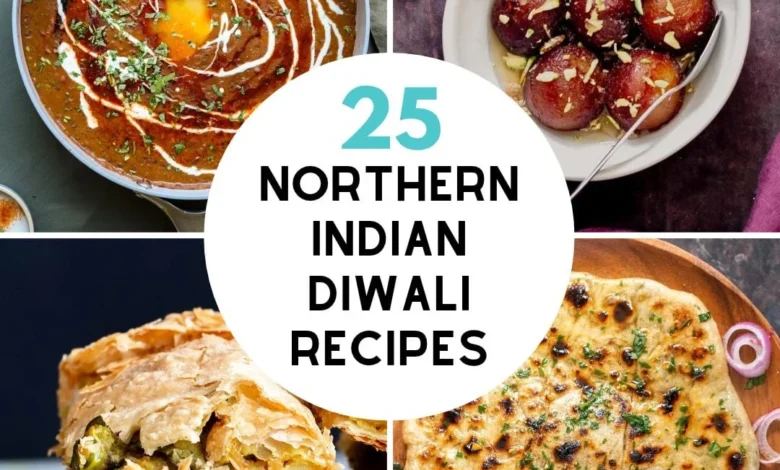
The evolution of these recipes represents a significant shift in modern Indian gastronomy. Traditionally, many North Indian celebratory dishes rely heavily on dairy products such as ghee, paneer, and heavy cream. However, recent trends indicate a growing demand for vegan alternatives that maintain the authentic textures and aromatic profiles of classics like Dal Makhani or Gulab Jamun. By leveraging ingredients like high-protein tofu, cashew-based creams, and nut-based milks, home cooks are successfully bridging the gap between traditional heritage and contemporary dietary requirements.
Historical Context and the Role of Food in Diwali
The significance of food during Diwali is rooted in the legend of Lord Rama’s return to Ayodhya after 14 years of exile. According to Hindu tradition, the residents of the city lit oil lamps (diyas) to guide his path and prepared an abundance of food to welcome him. This historical narrative established a precedent for Diwali as a time of immense generosity and hospitality. In Northern India specifically, the cuisine is defined by rich, robust gravies, heavy use of aromatics like ginger, garlic, and cardamom, and a variety of textures ranging from crispy deep-fried starters to velvety, slow-cooked lentils.

The modern celebration of Diwali has expanded beyond religious boundaries, becoming a global cultural phenomenon. As of 2024, data from culinary research organizations suggests that the global market for plant-based Indian cuisine is experiencing a compound annual growth rate of approximately 8.2%. This growth is driven by health-conscious consumers and those seeking to reduce their environmental impact during the holiday season. The inclusion of vegan-friendly, gluten-free, and soy-free recipes in the festive repertoire ensures that the inclusive spirit of the holiday is upheld, catering to diverse dietary needs at communal tables.

A Curated Approach to the Festive Menu
The construction of a Diwali menu generally follows a structured progression: appetizers to stimulate the palate, followed by a substantial main course characterized by a balance of protein-rich legumes and seasonal vegetables, and concluding with decadent, cardamom-infused sweets.

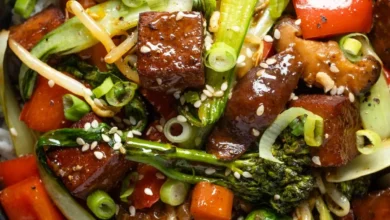
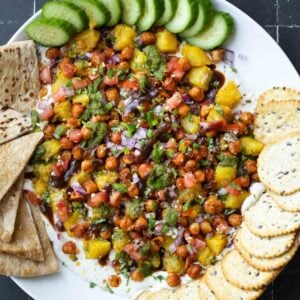
For the appetizer course, the emphasis is on textural contrast. The "Vegan Samosa Pie" and the "Samosa Dip (Chaat Platter)" serve as modern, communal interpretations of the classic samosa. The shift away from individual pastry folding toward a "deconstructed" platter format has gained traction in professional catering circles, as it allows for easier service during large family gatherings. The "Tikki Chole"—spiced potato patties paired with chickpea curry—remains a staple, providing a dense, satisfying starter that anchors the meal. The integration of Indo-Chinese influences, such as the "Chilli Garlic Tofu Puff Pastry," reflects the evolving palate of urban North India, where fusion cuisine has become a standard feature of festive menus.

Technical Innovations in Traditional Cooking
The transition of traditional recipes into vegan and health-conscious formats requires precise culinary technique. In the preparation of "Restaurant-Style Dal Makhani," the challenge lies in replicating the creamy mouthfeel typically achieved through butter and dairy. By utilizing black gram (urad dal) and kidney beans, and employing slow-cooking techniques or Instant Pot pressure cycles, chefs can achieve a similar viscosity without the use of animal fats.

Similarly, the "Butter Tofu Paneer" utilizes marinated, baked tofu to mimic the firmness and protein content of dairy paneer. This dish, alongside the "Tofu Barra" (a vegan take on the creamy, onion-based Mughlai classic), showcases the versatility of plant proteins in absorbing the complex spice blends—such as garam masala, cumin, and coriander—that define the North Indian culinary identity. The use of cashews for creating a silky, neutral-flavored base for these sauces has become a standard industry practice, providing a cholesterol-free alternative to traditional heavy creams.

The Significance of Traditional Sweets
Desserts are perhaps the most vital component of the Diwali experience, as they are frequently exchanged between friends and neighbors as a token of goodwill. Traditionally, sweets like Gulab Jamun and Burfi are dairy-heavy. The challenge of recreating these treats for a vegan diet has led to innovative solutions, such as the "Vegan Gulab Jamun Donuts," which use a specific dry-mix formulation to maintain the integrity of the dough during the frying process.

The "Vegan Rasmalai Tres Leches Cake" represents a cross-cultural synthesis, blending the delicate, saffron-scented milk bath of Indian Rasmalai with the structural properties of a sponge cake. This fusion dessert has seen a surge in popularity in North American and European markets, as it offers a manageable, make-ahead option for hosts managing complex cooking schedules. Furthermore, the "Kheer Ladoo"—essentially condensed rice pudding formed into truffles—demonstrates how traditional ingredients can be repurposed into convenient, bite-sized formats that are better suited for large-scale entertaining.

Societal Implications and Future Trends
The rise of these inclusive recipes has broader implications for the future of Indian holiday celebrations. By removing the barriers of dietary restrictions, the festival becomes more accessible. Research indicates that families who adopt more flexible, plant-forward menus during holidays report higher levels of satisfaction among guests, as it accommodates both the elderly with specific dietary restrictions and younger generations moving toward plant-based lifestyles.

Furthermore, the environmental impact of shifting to a plant-based Diwali menu is noteworthy. The livestock industry is a major contributor to greenhouse gas emissions; by substituting dairy and meat with legumes, vegetables, and grains, households can significantly lower the carbon footprint of their festive celebrations. This alignment with sustainable practices is becoming an increasingly important metric for the younger demographic of festival participants.

Chronology of Preparation for the Modern Host
To manage the logistics of a 25-recipe feast, culinary experts recommend a phased approach:

- Three Days Prior: Source all whole spices and dry ingredients. Prepare any make-ahead desserts like the Rasmalai Tres Leches Cake, as these benefit from time to set.
- Two Days Prior: Prepare base gravies for curries such as the Dal Makhani or Punjabi Chole, as these flavors intensify with time.
- One Day Prior: Assemble fillings for samosas or parathas. Prepare any doughs, such as the almond flour naan or spinach paratha, and store them under refrigeration.
- Day of the Event: Focus on the "final mile" of cooking—frying the samosa components, cooking the fresh breads, and applying final garnishes like fresh cilantro, pomegranate seeds, or silver leaf (vark) alternatives.
Conclusion
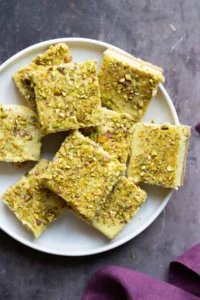
The curation of these 25 North Indian recipes offers a comprehensive roadmap for those wishing to celebrate Diwali with a modern, inclusive, and plant-forward approach. Whether through the savory complexity of a "Restaurant-Style Aloo Gobi" or the delicate sweetness of "Vegan Malai Burfi," these dishes honor the traditions of the past while embracing the nutritional and ethical considerations of the present. As the Festival of Lights continues to evolve, the ability to adapt, innovate, and share food that is both deeply rooted in culture and mindful of modern needs remains the hallmark of a truly successful celebration. By focusing on the core principles of spice, texture, and communal enjoyment, hosts can ensure that their Diwali remains a vibrant, flavor-filled, and inclusive tradition for years to come.