The Long-Awaited Update to Texture: A Hydrocolloid Recipe Collection Arrives After Six Years

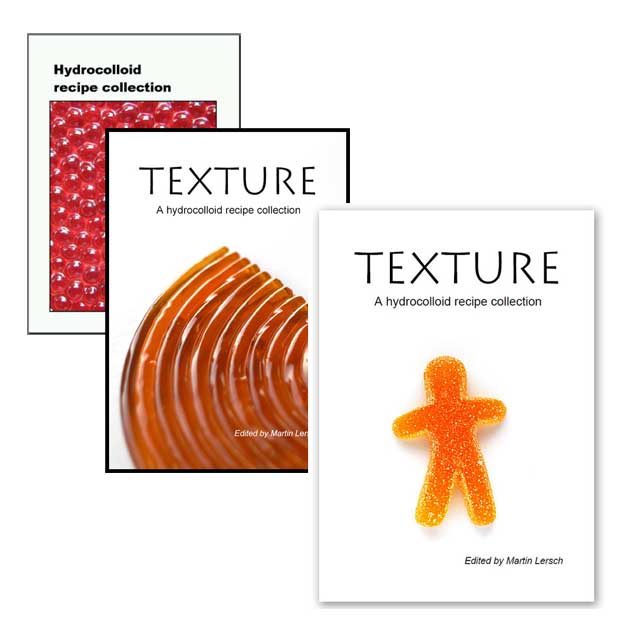
The culinary science community is preparing for a significant, albeit incremental, update to one of its foundational digital texts. After a six-year hiatus, plans are officially underway for the release of version 3.1 of Texture: A Hydrocolloid Recipe Collection. The popular open-access resource, widely utilized by both professional modernist chefs and enthusiastic home cooks, aims to refine its existing catalogue, correct historical errors, and expand its scope to include contemporary food trends and underrepresented ingredients.
The announcement, made by the collection’s creators, marks a renewed effort to curate the evolving landscape of molecular gastronomy and food science. While the upcoming release is designated as an incremental revision rather than a total overhaul, the update promises to address community feedback accumulated since the launch of version 3.0 in 2014. As the culinary world continues to embrace the physics and chemistry of food preparation, the forthcoming update underscores the growing importance of crowdsourced scientific documentation in modern kitchens.
A Rich History of Culinary Evolution
To understand the significance of the upcoming version 3.1, it is necessary to examine the chronology of the project. The evolution of Texture reflects the rapid democratization of modernist cooking techniques over the past two decades.
Version 1.0 of the collection was published in 2007, arriving at a time when modernist cuisine—often colloquially termed molecular gastronomy—was transitioning from elite, avant-garde restaurants into the hands of advanced home cooks and culinary educators. The initial release provided a much-needed standardized reference for hydrocolloids, substances that form gels, thicken, or stabilize liquid mixtures, which were previously documented only in dense, academic food science journals or proprietary restaurant manuals.
Building upon the initial success of the first volume, version 2.0 was released in 2008, introducing refined measurements and an expanded selection of gelling and thickening agents. The project then experienced a more substantial development cycle, culminating in the release of version 3.0 in 2014. This major iteration brought improved formatting, a broader range of recipes, and deeper technical explanations of how hydrocolloids interact with various food matrices, such as proteins, lipids, and sugars.
Now, following a six-year period of digital dormancy, the announcement of version 3.1 signals a return to active curation. The intervening years have seen profound shifts in culinary technology and food media, making an updated compendium both timely and necessary for the culinary arts community.
Addressing Community Feedback and Filling Gaps
The primary catalyst for the new version has been the continuous influx of user data. Over the past six years, the project’s administrators have received a steady stream of correspondence from global contributors. This feedback loop has served as an essential quality control mechanism, catching typographical errors, clarifying procedural steps, and identifying recipes that failed rigorous testing in home or professional kitchens.
According to project representatives, every piece of submitted feedback has been cataloged and analyzed. Version 3.1 will focus heavily on ironing out these historical wrinkles, ensuring greater reproducibility for readers attempting complex modernist techniques. Furthermore, the update serves as a call to action for visual documentation. The project has long emphasized that successful recipe testing should be paired with photographic evidence. Contributors have been encouraged to submit high-resolution images of completed dishes, a practice that not only verifies the efficacy of the recipe but also provides a visual standard for culinary students and professionals.
Beyond correcting existing entries, the editorial team has identified specific gaps in the current database. Certain hydrocolloids have suffered from historical underrepresentation. Ingredients such as guar gum, gum arabic, konjac, locust bean gum, and tara gum possess versatile functional properties—ranging from viscosity control to emulsion stability—yet have historically received less attention in modernist literature compared to heavy-hitters like agar-agar, xanthan gum, or sodium alginate. The editorial team is actively sourcing recipes that highlight the diverse applications of these underutilized gums across various food systems.
Navigating Proprietary Products and Novel Ingredients
The curation of a comprehensive culinary database requires careful decisions regarding commercial versus traditional ingredients. The upcoming update will maintain a clear boundary regarding proprietary and branded products.
Certain commercial ingredients, such as Ultra-Tex and Pure Cote (both specialized modified starches) as well as Trisol (a purified wheat fiber designed for frying and texture modification), remain intentionally omitted from the core collection. These products are typically protected by commercial patents and standardized formulation guidelines provided directly by their manufacturers. Conversely, the omission of rarer or newly developed hydrocolloids in past editions was often accidental. The project’s administrators have invited food scientists and chefs to submit documentation on novel gelling and thickening agents to ensure the collection remains exhaustive and up-to-date.
Capturing Global Food Traditions and Modern Viral Trends
One of the most distinctive sections of the collection is the category dedicated to "non-hydrocolloid recipes." This segment bridges the gap between traditional food science and cultural anthropology by examining regional culinary traditions that achieve unique textures without the addition of modern, purified hydrocolloids.
These traditional foods rely on endogenous gelling mechanisms—natural interactions between native proteins, starches, and enzymes within the primary ingredients. Existing entries in this category include classic regional preparations such as Junket and Cuajada (curled milk products), ginger milk custard (which relies on the enzymatic action of ginger protease on milk proteins), Aiyu jelly and grass jelly (derived from plant mucilages through traditional extraction), as well as foundational staples like tofu and hominy.
To expand this cross-cultural catalog, the curators are actively seeking additional examples of traditional gels and foams from global kitchens. This inclusive approach highlights the reality that culinary hydrocolloids and texturizing techniques are not modern inventions of the 21st-century laboratory, but rather ancient culinary technologies refined over centuries across diverse cultures.
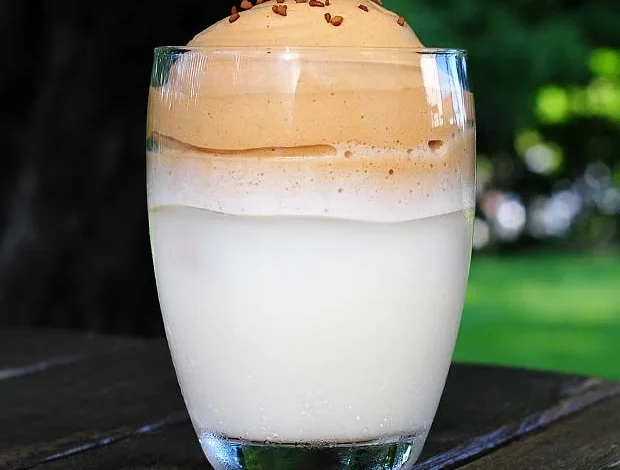
In a nod to contemporary culinary culture, version 3.1 will also incorporate recent viral food phenomena. Chief among these additions is the Dalgona coffee foam that captured global attention and dominated social media platforms. The whipped beverage, which achieves its stable, meringue-like foam through the high-speed agitation of instant coffee, sugar, and hot water, serves as a modern, accessible example of foam stabilization that fits neatly within the educational purview of the collection.
Broader Implications for Culinary Education and Modernist Cooking
The impending release of Texture v.3.1 highlights the ongoing shift toward open-source culinary education. In an era where specialized culinary techniques often hide behind paywalled courses or expensive proprietary manuals, free community-driven resources play a vital role in democratizing food science.
By systematically categorizing hydrocolloids—explaining their source materials, hydration temperatures, synergy with other ingredients, and behavioral limits—compendiums like Texture empower line cooks, pastry chefs, and home enthusiasts to experiment with confidence. The integration of rigorous testing, community-sourced error correction, and cultural food traditions ensures that the text remains a living document rather than a static recipe book.
As the culinary community awaits the official digital release of version 3.1, the collaborative effort behind its creation demonstrates the enduring value of shared knowledge in the culinary arts. Through continued contributions from chefs, food scientists, and home cooks, the collection will maintain its position as an indispensable reference for those seeking to understand the science of texture on the plate.