Morning Meal Transformation: How Coffee Bun Toast Is Redefining Urban Breakfast Culture in Indonesia

The modern urban lifestyle across major metropolitan areas in Indonesia has given rise to a persistent culinary challenge: balancing the nutritional necessity of a morning meal with the unforgiving demands of a fast-paced daily schedule. In Jakarta and other high-density commercial hubs, the traditional leisurely breakfast has largely been supplanted by grab-and-go options, often sacrificing both flavor and nutritional value. However, a recent shift in home-cooking trends, spearheaded by innovative culinary creators and food technologists, is bridging the gap between convenience and gourmet indulgence. At the center of this movement is the newly popularized Coffee Bun Toast featuring a rich, creamy filling—a simplified, highly accessible adaptation of the iconic, sweet-topped coffee buns commercialized by international bakery chains like Rotiboy. This culinary development reflects a broader sociological trend in Southeast Asia, where consumers seek affordable, premium-feeling comfort foods that can be prepared within the tight confines of contemporary morning routines.
The Evolution of Urban Breakfast Habits and Nutritional Realities
Comprehensive nutritional surveys conducted over the past decade consistently highlight breakfast as the most frequently skipped meal among urban professionals and students in Indonesia. Driven by early commutes, long working hours, and the friction of food preparation during peak morning hours, a significant percentage of the workforce begins their day on an empty stomach. Dietitians and public health researchers have repeatedly warned against this practice, noting that skipping the morning meal correlates with diminished cognitive performance, lower metabolic efficiency, and compensatory overeating later in the day.
Despite widespread awareness of these health implications, traditional Indonesian breakfast staples—ranging from complex rice dishes like nasi uduk to various traditional porridges—often require time-consuming preparation or early-morning outdoor acquisition. Consequently, convenience foods anchored by versatile staples like white bread have dominated household kitchen strategies. The white bread loaf, an omnipresent item in Indonesian households since the mid-20th century, provides an ideal canvas for culinary innovation. By transforming standard sliced bread into sophisticated bakery-style creations, home cooks are bypassing the need for complex dough-kneading processes while still achieving the sensory satisfaction associated with artisanal baked goods.
Culinary Anatomy of the Coffee Bun Toast
The newly trending Coffee Bun Toast is a masterclass in culinary translation, taking the complex chemical and mechanical processes of professional bread-making and condensing them into a home-friendly, time-efficient format. Traditional coffee buns require a yeast-leavened dough, precise proofing times, and a distinct piped-on cookie crust that bakes into a crisp, coffee-flavored shell. The modern toast iteration replicates these signature textures and flavor profiles using standard white bread as the structural base.
The production process relies on a two-part construction. First, a specialized coffee-flavored cream or paste is spread across the top surface of the bread. When subjected to dry heat, this topping caramelizes and solidifies, mimicking the signature crackly crust of a traditional coffee bun. Second, the interior is elevated through a rich filling composed of high-fat dairy components, specifically structured around a blend of quality margarine, rich sweetened condensed milk—a pantry staple deeply embedded in Indonesian culinary culture—and melting cheeses such as mozzarella.
Food science explains the broad appeal of this combination through the lens of sensory satisfaction and the Maillard reaction. The interaction between the amino acids in the dairy and bread proteins, combined with the reducing sugars present in the condensed milk and the aromatic compounds of coffee, generates a complex flavor profile encompassing bitterness, sweetness, and umami savory notes. Furthermore, the inclusion of ingredients like Frisian Flag Creamy Kental Manis ensures a luxurious mouthfeel that elevates a humble slice of white bread into a decadent culinary experience.
Chronology of Preparation: The Overnight Meal-Prep Strategy
One of the primary catalysts for the viral adoption of this recipe across digital platforms is its alignment with the "prep-ahead" methodology. Modern culinary logistics emphasize reducing morning friction by shifting labor-intensive steps to the evening hours.
The standardized preparation timeline for Coffee Bun Toast unfolds across two distinct phases:
Phase One: Evening Assembly (Night Before)
- Ingredient Staging: Home cooks gather standard white bread slices, along with the designated components for the coffee crust and the creamy filling.
- Core Filling Application: A rich mixture of margarine, sweetened condensed milk, and mozzarella cheese is spread evenly between two slices of bread, creating a secure, sealed sandwich structure.
- Topping Application: The liquid or semi-viscous coffee topping is carefully spread across the uppermost exterior surface of the assembled toast.
- Refrigeration and Staging: Unlike traditional doughs that require ambient proofing, the assembled toast can be securely stored or immediately processed. For optimal morning efficiency, many practitioners assemble the units the night before and store them covered in refrigeration, allowing the flavors to meld without compromising the structural integrity of the bread.
Phase Two: Morning Thermal Processing
- Equipment Activation: The air fryer, rapidly becoming the standard thermal processing appliance in Indonesian urban kitchens, is preheated to a precise temperature of 180 degrees Celsius.
- Rapid Thermal Transformation: The prepared toast is placed into the air fryer basket for a brief duration of approximately 15 minutes.
- Final Textural Development: During this heating cycle, the internal mozzarella melts to a stretchy consistency, the condensed milk and margarine blend into a rich emulsion, and the top coffee layer hardens into its characteristic crisp shell.
- Consumption: The dish is served immediately while hot, offering a contrast between the crisp exterior and the molten, creamy interior.
Empirical Data and Recipe Specifications
To understand the practical viability of this culinary trend, nutritionists and recipe developers have standardized the parameters for household replication. The technical specifications reflect a focus on speed, accessibility, and portion control suitable for modern households.
Recipe Specifications Table:
- Preparation and Cooking Duration: 20 minutes total active and thermal processing time
- Difficulty Level: Beginner-accessible (Mudah)
- Yield/Portion Size: 4 servings
- Geographic Origin: Indonesia (Modern Fusion Adaptation)
- Culinary Category: Bakery-style Breakfast Bread
- Recommended Thermal Appliance: Air Fryer (180°C for 15 minutes)
- Key Dairy Partner: Frisian Flag Creamy Kental Manis
The accessibility of these ingredients is a vital component of the trend’s widespread appeal. None of the required components necessitate specialized sourcing trips to gourmet supermarkets; standard neighborhood minimarkets and local grocery stores stock all necessary elements. This democratization of gourmet-style baking reflects a broader democratization of food culture in urban Indonesia, driven by social media video tutorials and culinary content creators.
Industry and Economic Implications
The rise of recipes like Coffee Bun Toast is not merely a localized social media phenomenon; it carries measurable implications for the fast-moving consumer goods (FMCG) sector, particularly concerning dairy manufacturers, local bakery supply chains, and kitchen appliance marketers.
Food industry analysts note that the surge in home-based baking and creative breakfast modifications directly influences market demand for complementary ingredients. Sweetened condensed milk, historically viewed in the region primarily as a beverage additive for coffee or a topping for shaved ice desserts, has found a revitalized market position as a core cooking and baking ingredient. Brands that actively market their products through recipe integration—demonstrating how classic items can be utilized in modern, fusion-style dishes—frequently report sustained consumer loyalty and increased household penetration.
Concurrently, the manufacturing sector for kitchen appliances, particularly air fryers and compact convection ovens, benefits immensely from trends that rely on rapid, smokeless indoor cooking methods. As urban housing shifts increasingly toward high-rise apartment living, traditional gas stoves and complex baking setups are frequently replaced by compact, multi-functional electric appliances. Recipes explicitly engineered to utilize these appliances find a readymade audience among young urbanites seeking maximum culinary output with minimal cleanup and equipment overhead.
Sociological Dimensions of Modern Morning Rituals
From a sociological perspective, the popularity of elaborately styled yet easily produced breakfasts speaks to a deeper human desire for ritual and comfort in an increasingly stressful world. Anthropologists studying foodways point out that the morning meal serves as a psychological anchor, providing a sense of control and predictability before an individual steps into the unpredictable environment of the workplace or school.
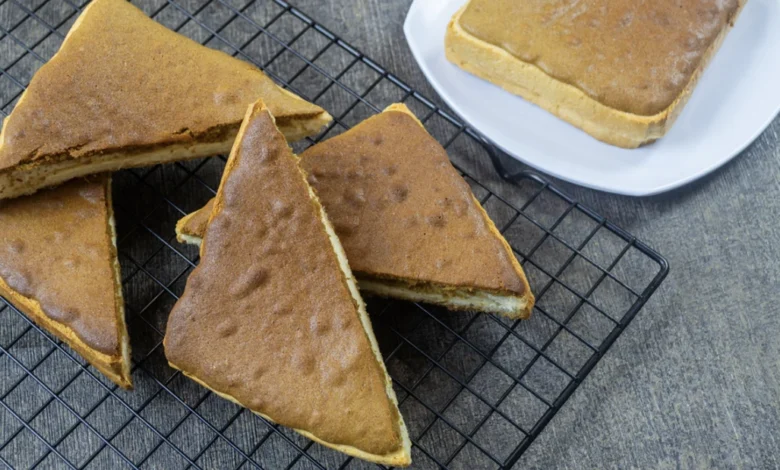
While a traditional coffee bun purchased from a commercial bakery carries a financial cost and requires physical travel, the home-produced equivalent offers a dual reward: the psychological satisfaction of creation combined with the sensory pleasure of consumption. Furthermore, the visual aesthetic of the finished dish—characterized by a rich, golden-brown coffee crust and a decadent, flowing cheese-and-milk center—makes it an ideal subject for digital curation. The sharing of these culinary creations across social media platforms reinforces community bonds among urban dwellers, establishing a shared culinary language centered on ingenuity, resourcefulness, and comfort.
Public Health and Nutritional Considerations
As with many modern comfort foods featuring high dairy and sugar content, health professionals emphasize the importance of moderation. While the incorporation of breakfast prevents the physiological pitfalls of fasting, nutritionists recommend balancing decadent items like Coffee Bun Toast with fiber-rich accompaniments, fresh fruits, or adequate hydration.
Public health advocates observe that home-cooking trends, even those utilizing processed ingredients like white bread and condensed milk, nevertheless represent a positive step away from highly processed, entirely manufactured commercial fast foods, as they re-engage consumers directly with the physical preparation of their food. By understanding the composition of their meals and controlling portion sizes, urban consumers retain a greater degree of agency over their dietary intake.
Conclusion and Future Outlook
The trajectory of trends like the Coffee Bun Toast illustrates the dynamic nature of contemporary food culture in Indonesia. By merging the nostalgic comfort of neighborhood bakery favorites with the logistical realities of high-speed urban life, home cooks have unlocked a sustainable pathway to better morning routines. Supported by accessible ingredients, ubiquitous kitchen technology, and a cultural appreciation for creative comfort food, simple ingredients like white bread and sweetened condensed milk continue to find new life in the modern kitchen. As urban lifestyles continue to evolve, the intersection of convenience, sensory indulgence, and digital culinary sharing will undoubtedly yield further innovations in the ongoing quest for the perfect morning meal.
Related posts: