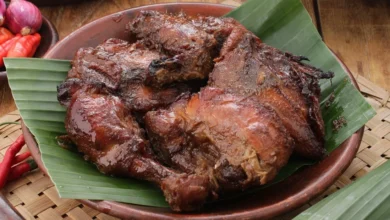
The Ultimate Guide to Indonesian Chicken Satay: Exploring History, Cultural Significance, and Three Iconic Regional Recipes

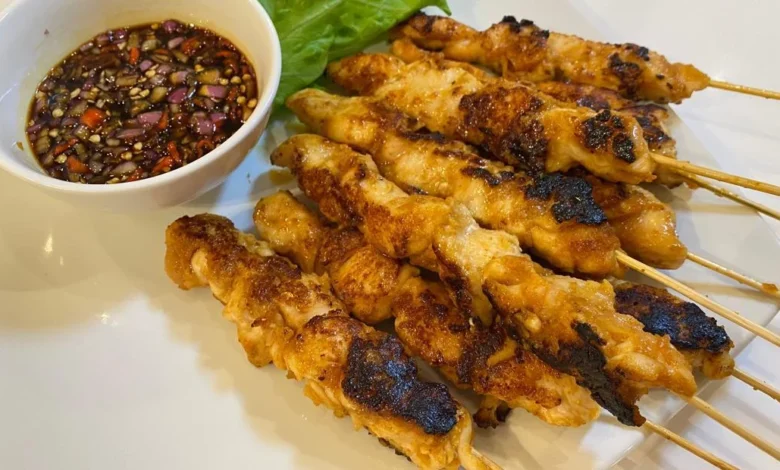
Chicken satay, universally recognized as one of Indonesia’s ultimate comfort foods, holds a foundational position in the archipelago’s rich and diverse culinary landscape. Known locally as sate or satai, this ubiquitous dish has transcended its humble street-food origins to become a celebrated national symbol, frequently lauded in international culinary rankings. While the core element remains skewered and grilled meat, the infinite variations of marinades, dipping sauces, and regional preparations reflect Indonesia’s profound gastronomic diversity. From the fiery, minimalist heat of Jakarta’s modern taichan variant to the complex, sweet-savory profile of the Madura classic, chicken satay offers a sensory journey through centuries of culinary evolution, trade influences, and local ingenuity.
Culinary Context and Cultural Significance
To understand the enduring popularity of satay in Indonesia, one must examine its historical roots. Food historians widely agree that satay evolved from the Indian kebab, introduced to the Indonesian archipelago by 15th-century Arab and Indian traders. However, local cooks rapidly indigenized the concept, replacing foreign spices with indigenous ingredients such as sweet soy sauce (kecap manis), peanuts, shallots, candlenuts, and fiery bird’s eye chilies. The dish found a particularly fertile ground in Java, where street vendors perfected the art of grilling meat over coconut shell charcoal, creating the signature smoky aroma that defines authentic Indonesian satay.
Over generations, satay evolved from a royal court delicacy into a staple of egalitarian street food, sold from mobile carts known as keren. Today, it is consumed across all socioeconomic strata, bridging cultural divides during national celebrations, street festivals, and casual family dinners alike. The flexibility of the protein allows for endless experimentation, though chicken remains a favorite due to its accessibility, rapid cooking time, and ability to absorb complex flavor profiles.
Anatomy of Modern Satay Variations
Modern Indonesian gastronomy recognizes dozens of distinct regional satay styles, differentiated primarily by the cut of meat, the preparation of the skewers, and, most importantly, the accompaniment sauces. The contemporary palate has embraced both traditional heritage recipes and modern street-food innovations.
Among the traditional giants, Sate Madura stands out as the historical benchmark. Originating from the island of Madura off the northeast coast of Java, this version is characterized by the use of chicken meat mixed with skin, providing a contrast of lean textures and renderable fat that crisps delightfully over hot coals. The defining characteristic, however, is its rich, velvety peanut sauce, ground painstakingly from fried peanuts, garlic, candlenuts, and palm sugar, then thinned with broth and enriched with sweet soy sauce.
Conversely, Sate Taichan represents a radical departure from traditional heavily-spiced and sauced variants. Emerging in Jakarta during the mid-2010s, taichan strips away the peanut and soy dressings entirely. Instead, the skewered chicken is grilled plain—seasoned only minimally with lime juice, salt, and powdered broth—and served stark white, accompanied exclusively by an intensely fiery, sharp chili relish (sambal rawit). Its massive popularity among urban youth underscores the culinary sector’s capacity for continuous reinvention while maintaining a reverence for chili-forward flavor profiles.
Bridging the gap between minimalism and traditional richness is the spicy-sweet satay variant, which utilizes a clever marinade combining peanut butter, chili sauce, sweet soy sauce, and aromatic spices. This style caters to modern home cooks seeking robust flavors without the time-intensive process of grinding fresh raw peanuts from scratch, making it a favorite for weeknight family meals and weekend gatherings.
Comprehensive Culinary Guide: Three Essential Chicken Satay Recipes
For culinary enthusiasts and home cooks wishing to recreate authentic Indonesian flavors, mastering these three distinct recipes offers a comprehensive overview of the nation’s satay repertoire.
- Classic Sate Taichan Recipe
Originating in the bustling capital of Jakarta, Sate Taichan has become a modern urban phenomenon. Unlike traditional satay coated in dark sauces, taichan is grilled clean and served with a searingly spicy raw chili paste and a squeeze of fresh lime.
Preparation and Cooking Metrics:
- Preparation and Cooking Duration: 45 minutes
- Difficulty Level: Moderate
- Yield: 3 portions
- Culinary Origin: Jakarta, Indonesia
- Primary Category: Poultry (Chicken)
Ingredients:
- 500 grams boneless chicken fillet, cut into bite-sized cubes
- 2 tablespoons vegetable oil
- Wooden skewers, soaked in water to prevent burning
- Marinade and Seasoning: 2 cloves of garlic (minced), 1 teaspoon salt, 1 teaspoon chicken bouillon powder, 2 tablespoons freshly squeezed lime juice.
- Fiery Sambal Taichan: 15 fresh bird’s eye chilies (cabe rawit), 3 cloves of garlic, 1 shallot, 1/2 teaspoon salt, 1/2 teaspoon sugar, 50 ml hot water, and a splash of lime juice.
Step-by-Step Instructions:
-
Clean the chicken fillet thoroughly and pat dry with paper towels. Cut the meat into uniform, bite-sized cubes to ensure even cooking.
-
In a mixing bowl, combine the minced garlic, salt, chicken bouillon powder, and half of the lime juice. Toss the chicken pieces in this mixture until evenly coated. Let the meat marinate in the refrigerator for at least 20 to 30 minutes to absorb the flavors.
-
Thread 3 to 4 pieces of marinated chicken onto each prepared wooden skewer.
-
To make the sambal, boil the bird’s eye chilies, garlic, and shallot until softened. Transfer them to a mortar and pestle or a small food processor, add salt and sugar, and grind into a smooth paste. Stir in the hot water and remaining lime juice. Set aside in a small dipping bowl.
-
Heat a flat-bottomed grill pan or skillet over medium-high heat and brush lightly with vegetable oil.
-
Place the chicken skewers on the hot pan. Grill, turning occasionally, until the chicken is thoroughly cooked, slightly charred at the edges, and maintains its pale, characteristic taichan appearance.
-
Remove from heat and serve immediately while piping hot, accompanied by the fiery sambal and extra lime wedges.
-
Sate Ayam Bumbu Pedas Manis (Spicy-Sweet Chicken Satay)
This simplified yet deeply flavorful variation is an ideal choice for a satisfying midday meal. By utilizing pantry staples such as peanut butter and bottled chili sauce alongside traditional aromatics, this recipe achieves a complex sweet-and-spicy profile with minimal preparation time.
Ingredients:
- 500 grams chicken fillet
- Vegetable oil for brushing
- Wooden skewers
Satay Marinade:
- 3 tablespoons smooth peanut butter
- 2 tablespoons bottled chili sauce
- 1 tablespoon sweet soy sauce (kecap manis)
- 1 teaspoon ground coriander
- 1/2 teaspoon ground black pepper
- 2 cloves garlic, freshly grated
- 1 teaspoon granulated sugar
- 1/2 teaspoon salt
Rich Soy Dipping Sauce (Sambal Kecap):
- 100 ml sweet soy sauce
- 1 tablespoon fresh lime juice
- 5 shallots, finely minced
- 10 bird’s eye chilies, thinly sliced
Step-by-Step Instructions:
-
Slice the chicken fillet thinly, then cut into approximately 2×3 cm rectangles, or to your preferred uniform size.
-
In a large bowl, prepare the marinade by whisking together the peanut butter, chili sauce, sweet soy sauce, ground coriander, black pepper, grated garlic, sugar, and salt until smooth and homogeneous.
-
Add the chicken slices to the marinade, ensuring every piece is thoroughly coated. Set aside to marinate for 15 minutes.
-
Thread 3 to 4 pieces of the marinated chicken securely onto each wooden skewer.
-
Prepare the sambal kecap by mixing the sweet soy sauce, lime juice, minced shallots, and sliced bird’s eye chilies in a small serving bowl. Stir well and set aside.
-
Heat a flat grill pan over medium heat and lightly grease it with vegetable oil.
-
Lay the skewers on the pan, cooking until the chicken is fully cooked through and exhibits a caramelized, brownish glaze on both sides.
-
Transfer to a serving platter and serve alongside the prepared sambal kecap.
-
Traditional Sate Ayam Madura (Maduranese Chicken Satay)
Widely regarded as the pinnacle of Indonesian satay craftsmanship, Sate Madura marries succulent pieces of chicken meat and skin with a rich, aromatic peanut sauce, enhanced by the deep umami of sweet soy sauce and caramelized palm sugar.
Ingredients:
- 500 grams chicken fillet (with a small portion of skin attached for optimal flavor)
- Wooden skewers
- 3 tablespoons sweet soy sauce
- 2 tablespoons vegetable oil
Peanut Sauce Ingredients:
- 300 ml water
- 150 g fried peanuts
- 5 red curly chilies
- 3 cloves garlic
- 2 tablespoons fried shallots (bawang goreng)
- 3 candlenuts
- 1/2 teaspoon ground black pepper
- 10 g palm sugar (gula jawa), finely chopped
- 2 teaspoons salt
Accompaniments:
- Compressed rice cakes (lontong), sliced
- Raw bird’s eye chilies
- Coarsely sliced shallots
- Fresh lime wedges
Step-by-Step Instructions:
- Cut the chicken fillet into precise rectangles measuring approximately 3x2x1/2 cm.
- Thread 4 pieces of chicken onto each skewer, ensuring a balance of lean meat and skin on each stick.
- Prepare the peanut sauce: Grind the fried peanuts, red curly chilies, garlic, fried shallots, candlenuts, black pepper, palm sugar, and salt together using a traditional stone mortar or food processor until completely smooth.
- Transfer the ground spice and peanut mixture into a saucepan, add the water, and simmer over low heat until the mixture thickens, emulsifies, and comes to a gentle boil. Remove from heat and allow to cool.
- In a shallow dish, combine 3 tablespoons of the prepared peanut sauce, sweet soy sauce, and vegetable oil, stirring to form a unified basting liquid.
- Dip each chicken skewer into the basting mixture, ensuring the meat is evenly coated before placing it over hot wood charcoal or a smoking-hot grill pan.
- Grill the satay, turning frequently and basting with additional sauce, until the chicken is fully cooked, aromatic, and charred at the edges.
- Serve warm, generously slathered with the remaining peanut sauce, accompanied by slices of lontong, fresh shallots, chilies, and a squeeze of lime.
Socioeconomic Impact and Culinary Tourism Potential
Beyond domestic consumption, the global promotion of Indonesian cuisine—spearheaded by government initiatives such as the "Indonesia Spice Up the World" program—has positioned dishes like chicken satay as vital diplomatic and economic assets. Culinary tourism contributes significantly to the local economy, supporting smallholder peanut farmers, poultry producers, palm sugar artisans, and micro-enterprises operating street-side food stalls throughout the archipelago.
Market analysts observe that as international palates increasingly embrace bold, complex Asian flavor profiles, Indonesian satay possesses immense potential for global commercial expansion. Whether prepared as a minimalist street snack in South Jakarta or a meticulously crafted heritage dish in fine-dining establishments worldwide, chicken satay remains a testament to Indonesia’s vibrant culinary heritage—a dish that successfully unites diverse communities through the universal language of exceptional food.
Related posts: