The Rise of Pastina Soup: How Italian Penicillin Became Modern Comfort Food in Times of Illness

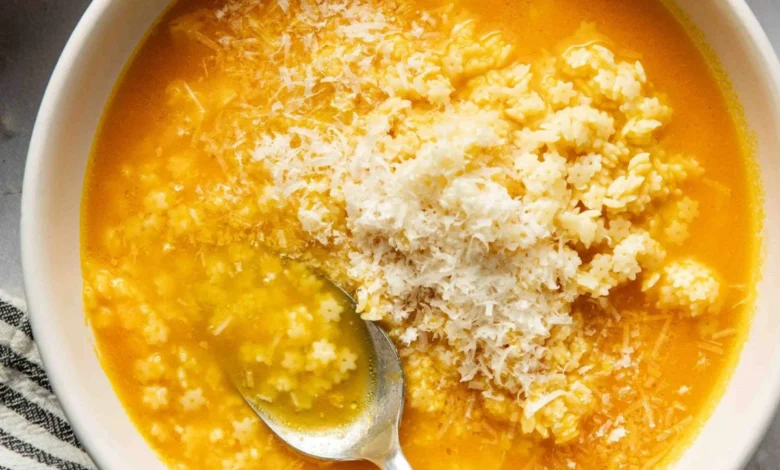
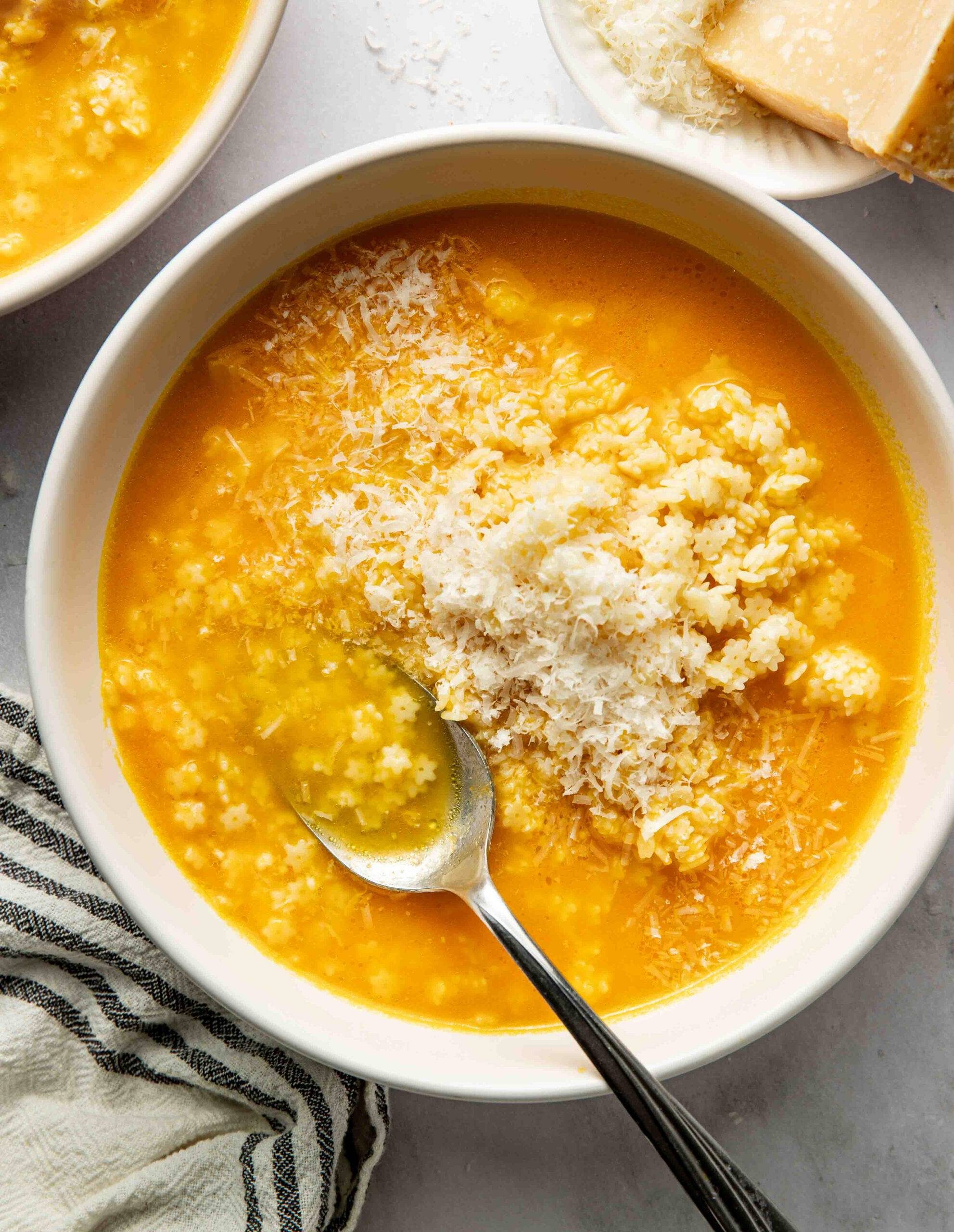
The culinary phenomenon affectionately known as “Italian penicillin” has once again captured the public spotlight, transitioning from generations of traditional Italian-American household remedies into a widespread viral sensation. Pastina soup—consisting of microscopic pasta shapes, most commonly tiny stars, served in a deeply nourishing, vegetable-infused broth—has seen a massive surge in popularity across social media platforms like TikTok, as well as mainstream culinary sites. Amid fluctuating seasonal health trends and a collective cultural desire for nostalgic, easily digestible foods, this unassuming dish has established itself as the definitive modern comfort food for households battling seasonal illness.
Historical Context and Cultural Origins of Pastina
The term “Italian penicillin” is not a modern marketing invention but rather a long-standing affectionate moniker passed down through generations of Italian and Italian-American families. Historically, grandmothers—known colloquially as nonnas—relied on simple, nutrient-dense broths paired with star-shaped or round pastina grains (meaning “little pasta” in Italian) to comfort children and adults suffering from colds, flus, and general malaise.
Unlike heavy, complex soups, traditional pastina was designed with recovery in mind. The dish requires minimal digestive effort, making it ideal for individuals experiencing diminished appetites or gastrointestinal sensitivity due to illness. The small surface area of the pasta allows it to cook rapidly while absorbing the rich flavors of a carefully simmered broth. Over the decades, the recipe became a cornerstone of domestic nursing lore, preserved primarily within family recipe boxes and regional Italian cookbooks.

The Viral Resurgence and Digital Culinary Trends
In recent years, the profile of pastina soup has expanded far beyond traditional family kitchens, propelled largely by digital food media. Culinary creators and lifestyle bloggers have reintroduced the dish to a global audience, generating millions of views under hashtags dedicated to comfort food and sick-day remedies.
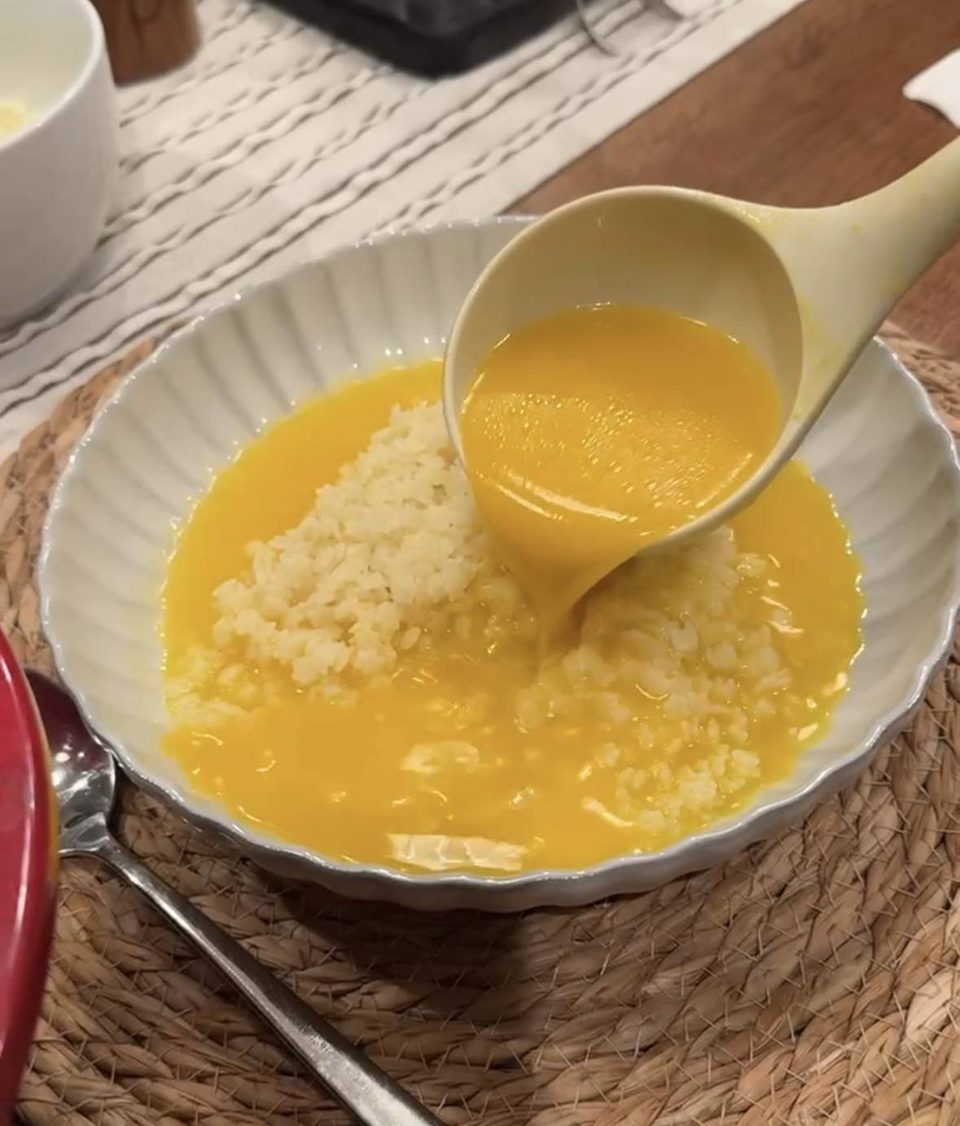
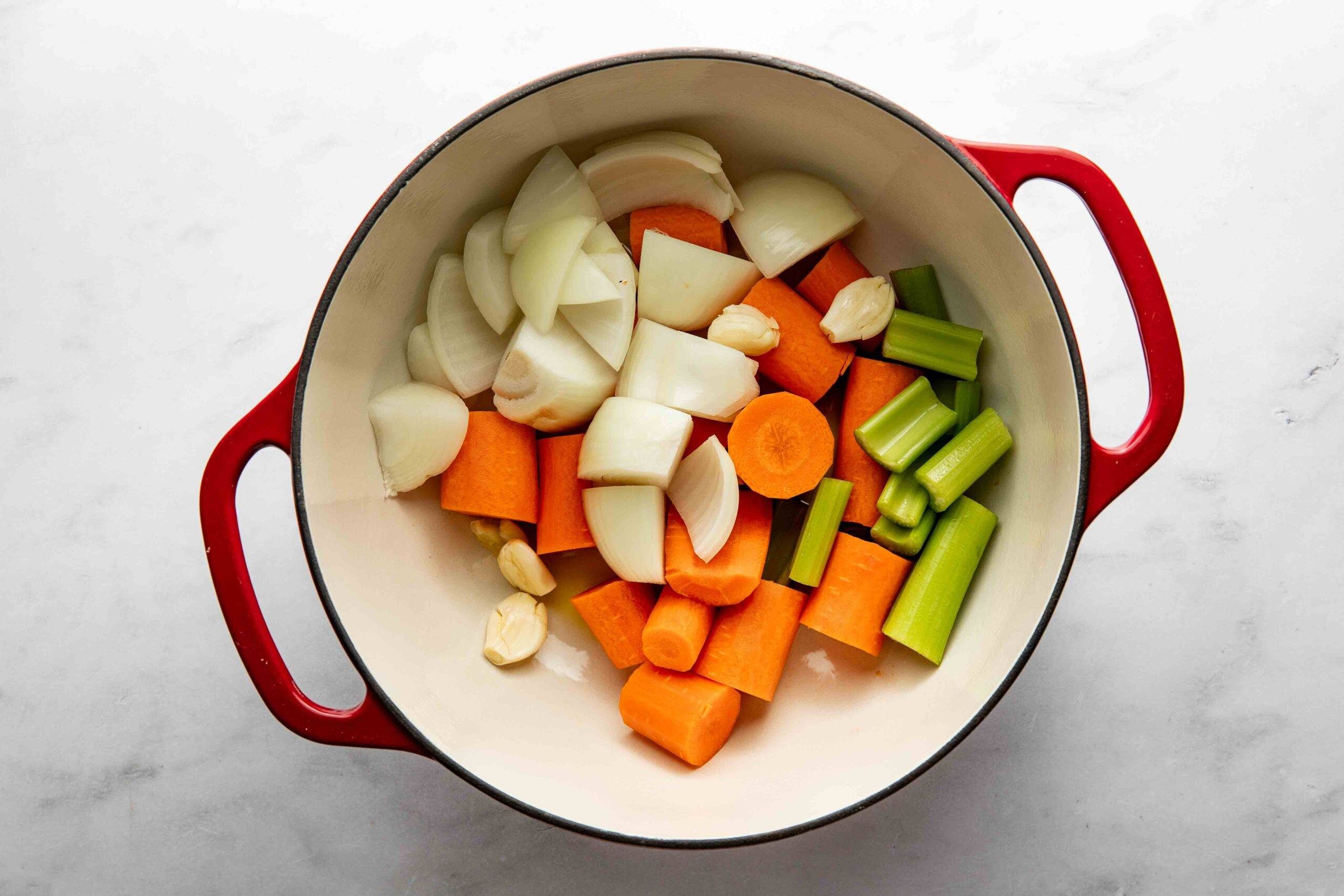
Food writers and recipe developers have documented how quickly illness can sweep through households, often debilitating entire families simultaneously and leaving caregivers with little energy for complex meal preparation. In these scenarios, pastina soup offers a practical culinary solution. Culinary authorities note that the dish bridges the gap between gourmet flavor and absolute simplicity. By utilizing aromatic vegetables—such as onions, carrots, and celery—sautéed in olive oil, followed by simmering with a high-quality broth base and a final blending step, home cooks can achieve a silky, vibrant broth that elevates standard clear soups into a luxurious dining experience.
Nutritional and Psychological Implications of Comfort Foods
Dietary and psychological experts have long studied the intersection of comfort foods and recovery, noting that psychological well-being plays a critical role in physical healing. Warm, carbohydrate-rich foods trigger the release of serotonin, a neurotransmitter that helps regulate mood, sleep, and appetite. When individuals are incapacitated by viral infections, the act of consuming familiar, warm nourishment provides both physiological hydration and psychological reassurance.
Furthermore, the nutritional profile of an upgraded pastina soup aligns with medical recommendations for managing acute respiratory illnesses. Clear broths provide essential electrolytes and hydration, while the incorporation of blended vegetables introduces vital micronutrients without requiring solid textures that might irritate a sore throat or an upset stomach. Finishing the dish with a generous dusting of Parmesan cheese adds a source of accessible protein and umami flavor, stimulating taste buds that have been dampened by congestion.

Industry Reception and Culinary Adaptation
Commercial food manufacturers and culinary brands have noticed the heightened demand for simple, nostalgia-driven meal components. Sales of miniature pasta varieties, including pastina, stelline, and acini di pepe, experience predictable spikes during peak cold and flu seasons. Additionally, premium bouillon bases, high-end olive oils, and artisanal cheeses frequently associated with gourmet interpretations of the dish have reported steady market performance.
Chefs and food historians suggest that the enduring appeal of pastina soup lies in its democratic nature. It requires no specialized culinary training, expensive equipment, or rare ingredients, making it universally accessible. As modern consumers increasingly seek out meals that offer emotional grounding alongside physical sustenance, recipes like pastina soup demonstrate that traditional remedies often outlast contemporary culinary fads.
Broader Impact on Public Wellness Culture
The widespread embrace of pastina soup reflects a broader cultural shift toward holistic, intuitive care during periods of illness. Rather than relying solely on pharmaceutical interventions, contemporary wellness culture increasingly values the restorative power of traditional home cooking.
As public health discussions continue to emphasize the importance of mental health and domestic self-care, simple comfort foods are being reevaluated not merely as nostalgic indulgences, but as legitimate components of wellness and recovery. Whether prepared by an experienced chef or a parent nursing a sick child for the first time, pastina soup remains a testament to the enduring power of simple, thoughtfully prepared food to heal and comfort.