The global culinary landscape has experienced a profound shift toward the Mediterranean diet, recognized not only for its vibrant flavor profiles but also for its documented health benefits, including cardiovascular support and longevity. At the heart of this gastronomic tradition is Greek cuisine, which elevates humble ingredients—such as seasonal vegetables, legumes, extra virgin olive oil, garlic, and sheep’s milk cheeses—into culinary centerpieces. In Greek gastronomy, side dishes do not merely accompany a protein; they frequently anchor the dining experience, showcasing ancient agricultural traditions and regional biodiversity. Culinary experts and home cooks alike increasingly turn to these preparations to infuse everyday meals with nutritional density and regional authenticity.

Historical Context and the Evolution of the Greek Table

The roots of traditional Greek side dishes trace back centuries, shaped by the Mediterranean climate, mountainous terrain, and historical trade routes that introduced spices, rice, and new produce to the region. Historically, Greek cooking was heavily plant-forward, driven by economic necessity, religious fasting periods, and seasonal abundance. The concept of lathera—dishes cooked in olive oil—developed as a method to preserve and soften vegetables during hotter months, creating rich, unctuous sauces meant to be absorbed by fresh crusty bread.

Over generations, regional variations emerged, influenced by Ottoman, Venetian, and Balkan cultures. Crete, the Peloponnese, and northern Greece each developed distinct approaches to pies (pites), grain dishes, and cheese-based preparations. Today, these historical staples have transitioned from regional survival foods to global symbols of healthy, sustainable eating. International nutritionists frequently cite the heavy reliance on pulses, leafy greens, and monounsaturated fats as key components of the celebrated Cretan diet, which gained widespread attention in mid-20th-century nutritional studies.

Anatomy of a Mediterranean Feast: Categorizing the Staples

Curating a Greek-inspired menu requires an understanding of how various flavor profiles interact across courses. The repertoire of side dishes can be broadly categorized into olive-oil-braised vegetables (lathera), fresh and roasted salads, pulse-based dishes, cheese-forward preparations (saganaki and baked dips), and grain or pasta accompaniments.
Olive-Oil-Braised Vegetables and Legumes

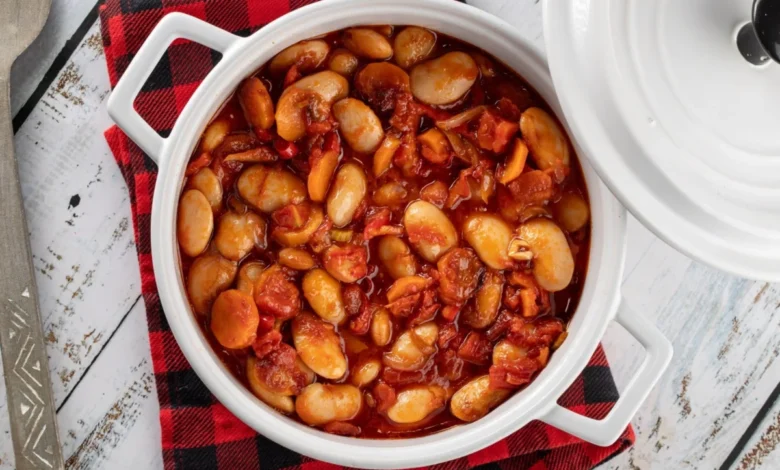
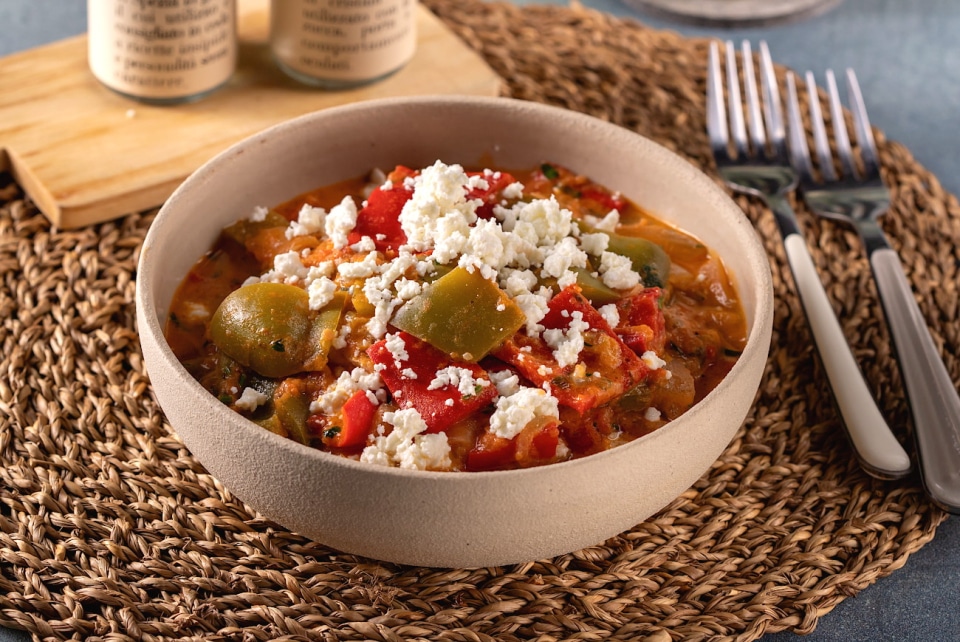
Among the most quintessential preparations are vegetable stews and bean dishes cooked low and slow. Fasolakia lathera utilizes tender green beans simmered in a concentrated tomato and olive oil emulsion, yielding a dish that is deeply flavorful yet light. Similarly, gigantes plaki—large butter beans baked in a savory tomato and herb sauce—provides a substantial, protein-rich option that frequently doubles as a vegetarian main course. These dishes highlight the Mediterranean reliance on legumes as a primary source of sustenance.

Salads as Substantial Accompaniments

While leafy green salads are common globally, Greek salads prioritize textural crunch and natural acidity. The traditional Horiatiki (Greek salad) omits lettuce entirely, relying on vine-ripened tomatoes, cucumbers, sliced red onions, Kalamata olives, and a block of authentic feta cheese dressed simply with extra virgin olive oil and red wine vinegar. Variations such as the Mediterranean salad with roasted potatoes bridge the gap between a refreshing vegetable side and a heavy starch, making them adaptable for year-round dining. Other regional iterations, like the Politiki salad from Constantinople, utilize finely shredded cabbage, carrots, and peppers in a sharp, vinegary dressing that cuts through rich, charred meats.
Dips, Cheeses, and Mezze Contributions

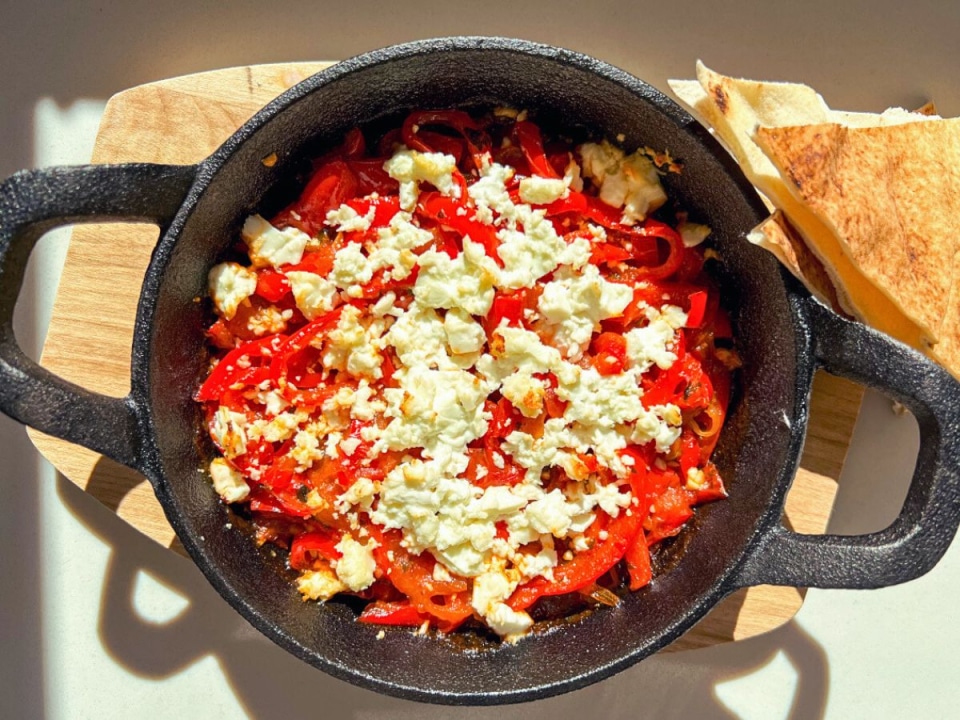
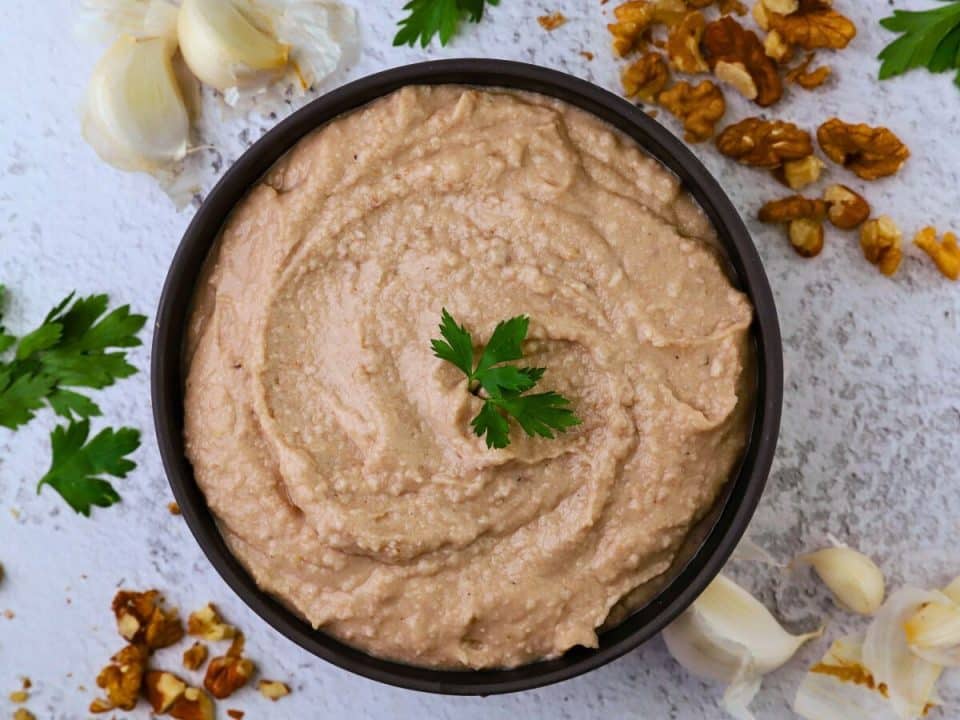
No Greek table is complete without a selection of dips and heated cheese dishes designed to be shared. Tzatziki, a foundational emulsion of strained yogurt, grated cucumber, garlic, dill, and mint, offers a cooling counterbalance to spiced meats like souvlaki and gyros. On the warmer side, Bouyourdi—feta cheese baked with tomatoes, peppers, and chili flakes—melts into a bubbling, savory dip that exemplifies the Greek penchant for combining sharp cheeses with sweet nightshades. Skordalia, a potent garlic and walnut dip traditionally paired with fried fish or boiled vegetables, demonstrates the historical use of nuts and stale bread as thickeners.
Grain and Pasta Traditions

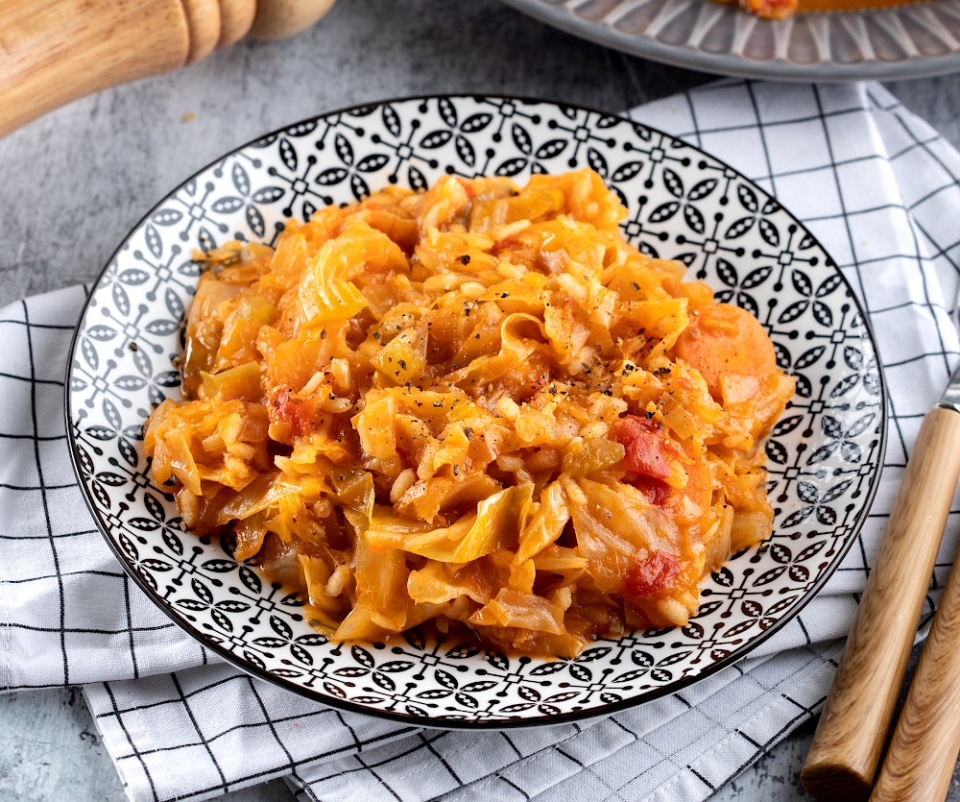
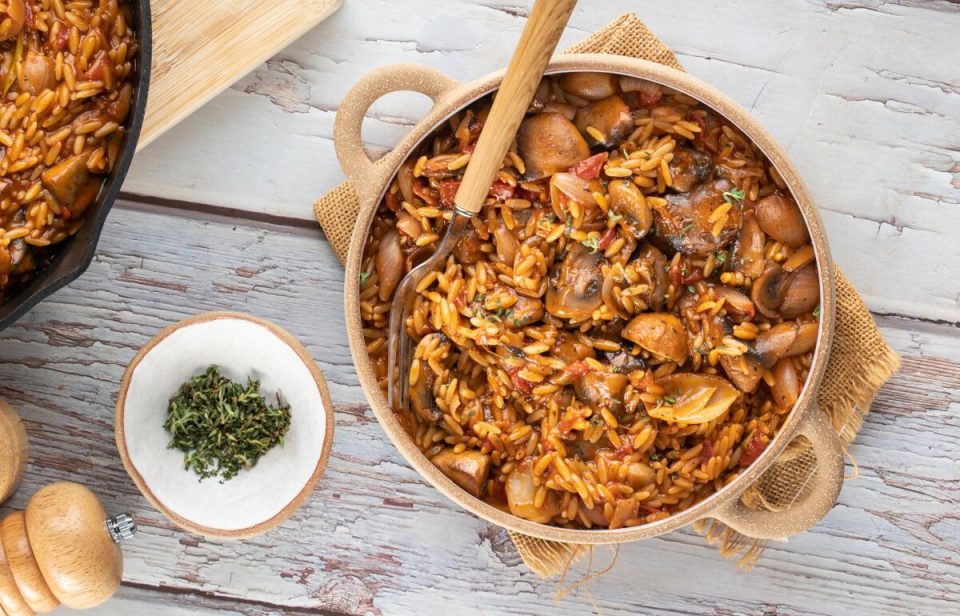
Grains and starches in Greek cooking are treated with equal reverence. Spanakorizo, a traditional spinach and rice pilaf finished with a generous squeeze of fresh lemon juice, transforms basic ingredients into a bright, comforting side dish. Alternatively, tomato-based variations of spanakorizo or pasta-based dishes like youvetsi—traditionally made with orzo that absorbs the surrounding stock and aromatics—offer deep, savory profiles. Regional specialties, such as Cretan skioufichta pasta served with garlic yogurt and toasted pine nuts, demonstrate the continuing evolution of contemporary Greek home cooking.
Nutritional Implications and Modern Culinary Trends
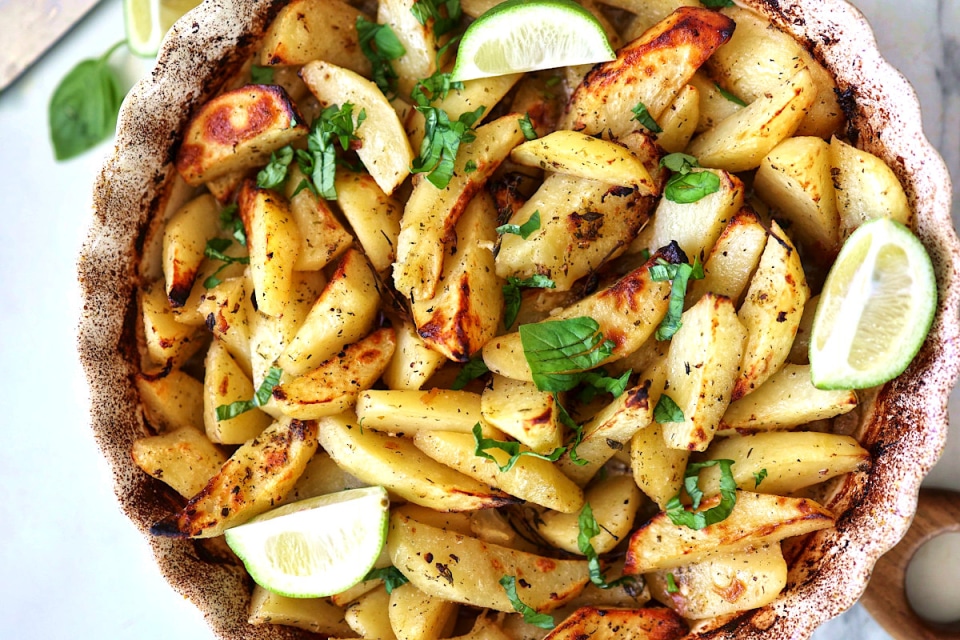
From a nutritional standpoint, the widespread adoption of Greek side dishes aligns with contemporary dietary guidelines emphasizing plant-based eating, healthy fats, and reduced processed sugar. Extra virgin olive oil serves as a primary source of polyphenols and healthy fats, while the abundance of legumes, leafy greens, and root vegetables delivers essential fiber, vitamins, and minerals.
Culinary analysts note that consumer interest in Mediterranean flavors has driven increased demand for specialty ingredients such as authentic feta, Greek strained yogurt, and imported olive oils in mainstream supermarkets. As home cooks seek approachable ways to elevate weeknight dinners, these 21 traditional recipes offer a versatile blueprint for incorporating Mediterranean dietary habits into daily life, proving that side dishes can successfully transition from supporting players to the star of the dining table.