Air Fryer Mofongo Recipe Brings Lighter Twist to Traditional Caribbean Comfort Food

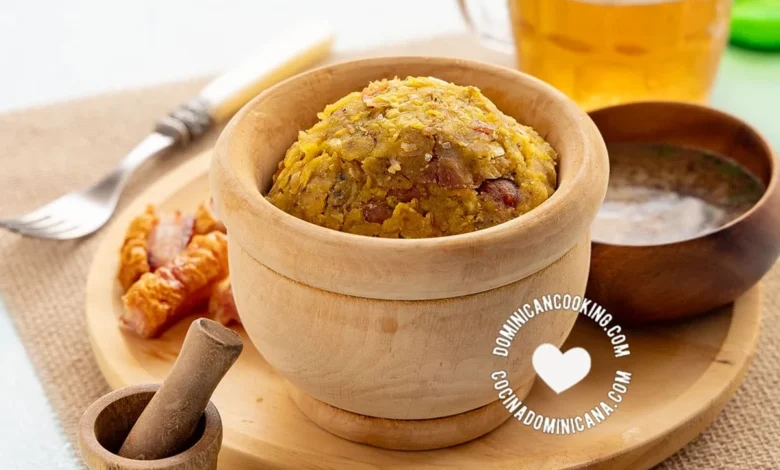
The culinary landscape of Caribbean cuisine is experiencing a modern evolution as home cooks and professional chefs alike find innovative ways to preserve traditional flavor profiles while adapting to contemporary health and lifestyle preferences. Among the latest adaptations gaining traction across digital cooking platforms is the air-fryer mofongo, a lighter variation of the iconic plantain-based dish deeply rooted in the gastronomic traditions of the Dominican Republic and Puerto Rico. Developed by culinary educator Clara Gonzalez, this recipe reinterprets a dish traditionally celebrated for its rich texture, heavy garlic infusion, and savory pork cracklings, offering a streamlined cooking process that eliminates deep-frying while maintaining the dish’s core identity.
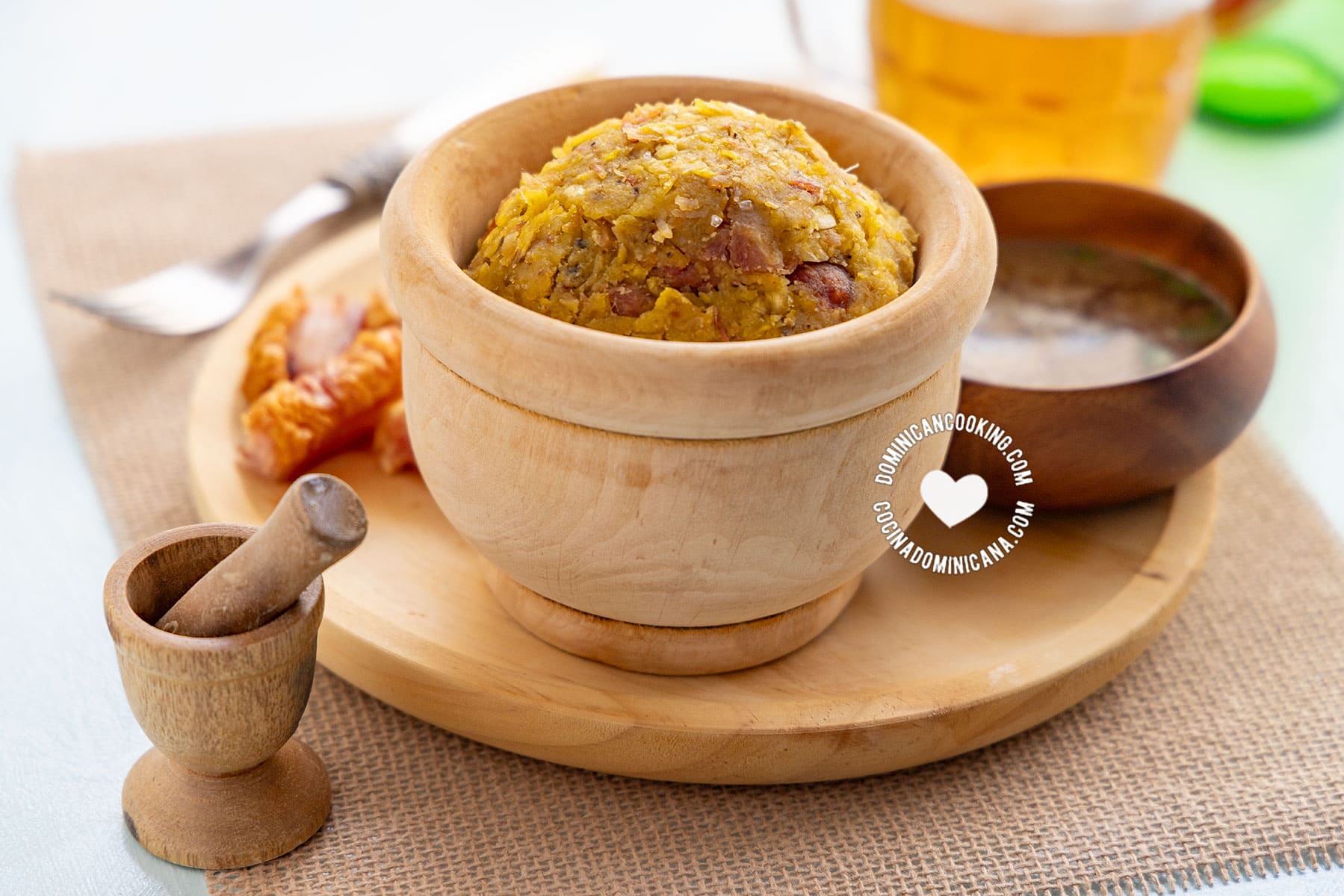
Mofongo holds a foundational place in Caribbean culinary heritage, serving as a staple comfort food across the Greater Antilles. Traditionally, the dish is constructed from green plantains that are peeled, sliced, and fried until tender yet firm, before being transferred to a wooden mortar—known as a pilón—and pounded together with garlic, salt, olive oil, or broth, and chicharrón (crispy pork skin). While deeply beloved for its robust umami flavor profile and satisfying density, the conventional preparation method presents notable challenges for modern households. Deep frying requires substantial quantities of cooking oil, generates significant kitchen cleanup due to oil splatters, and results in a high-calorie dish that may not align with contemporary dietary guidelines.
The integration of air-frying technology into traditional Caribbean kitchens represents a broader global shift toward appliance-assisted heritage cooking. Over the past decade, air fryers have transitioned from novelty kitchen gadgets to ubiquitous household appliances in both domestic and international markets. Culinary creators have increasingly focused on adapting criollo and tropical dishes—such as tostones, maduros, and various root vegetable preparations—to convection-based cooking methods. By utilizing circulating hot air, home cooks can achieve a comparable exterior crispness and interior tenderness in starchy vegetables while reducing overall fat absorption by up to seventy to eighty percent compared to traditional immersion frying.

According to nutritional data associated with Gonzalez’s air fryer mofongo recipe, a standard four-serving preparation yields approximately 690 kilocalories per serving, alongside 58 grams of carbohydrates, 37 grams of protein, and 36 grams of fat. While the inclusion of pork cracklings and healthy fats contributes to a higher calorie count, the air-frying technique successfully avoids the additional lipid absorption associated with deep-fat frying. The preparation timeline is structured to mimic the multi-step nature of authentic mofongo-making, requiring approximately 15 minutes of active preparation time and 35 minutes of cooking time, bringing the total time investment to roughly 50 minutes.
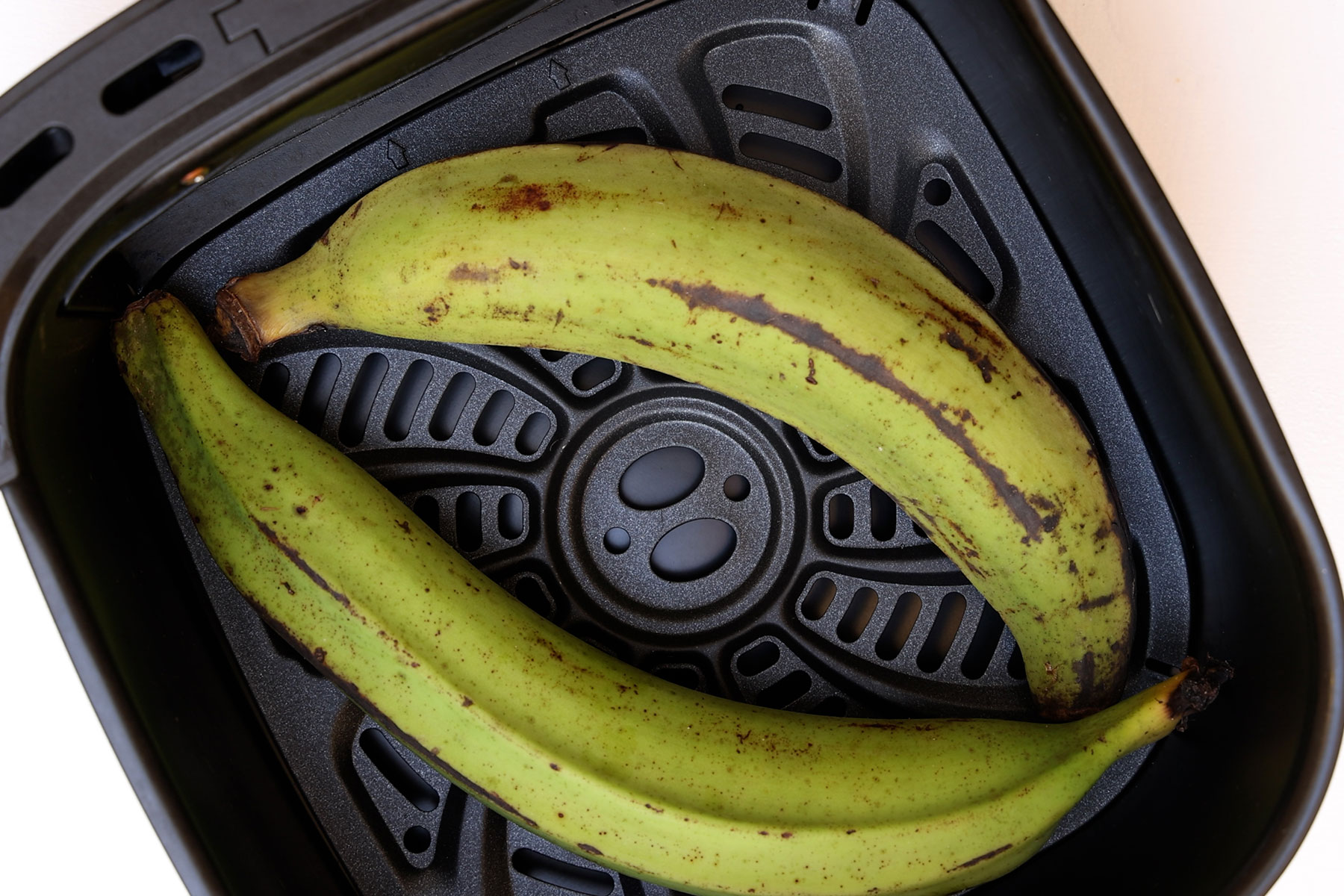
The standard execution of the recipe follows a chronological framework designed to replicate the chemical and physical transformations of the traditional dish. The process begins with the initial cooking phase of the raw green plantains, where they are seasoned and placed into the air fryer to soften adequately for mofongo’s distinct texture. Once softened, the plantains are peeled, chopped, and subjected to a secondary cooking phase to ensure complete internal readiness and optimal exterior texture. The final stages involve traditional manual mofongo construction: transferring the hot plantains to a mortar and pestle, where they are thoroughly mashed alongside garlic, fats, and savory proteins until cohesive, before being shaped into domes and served immediately.
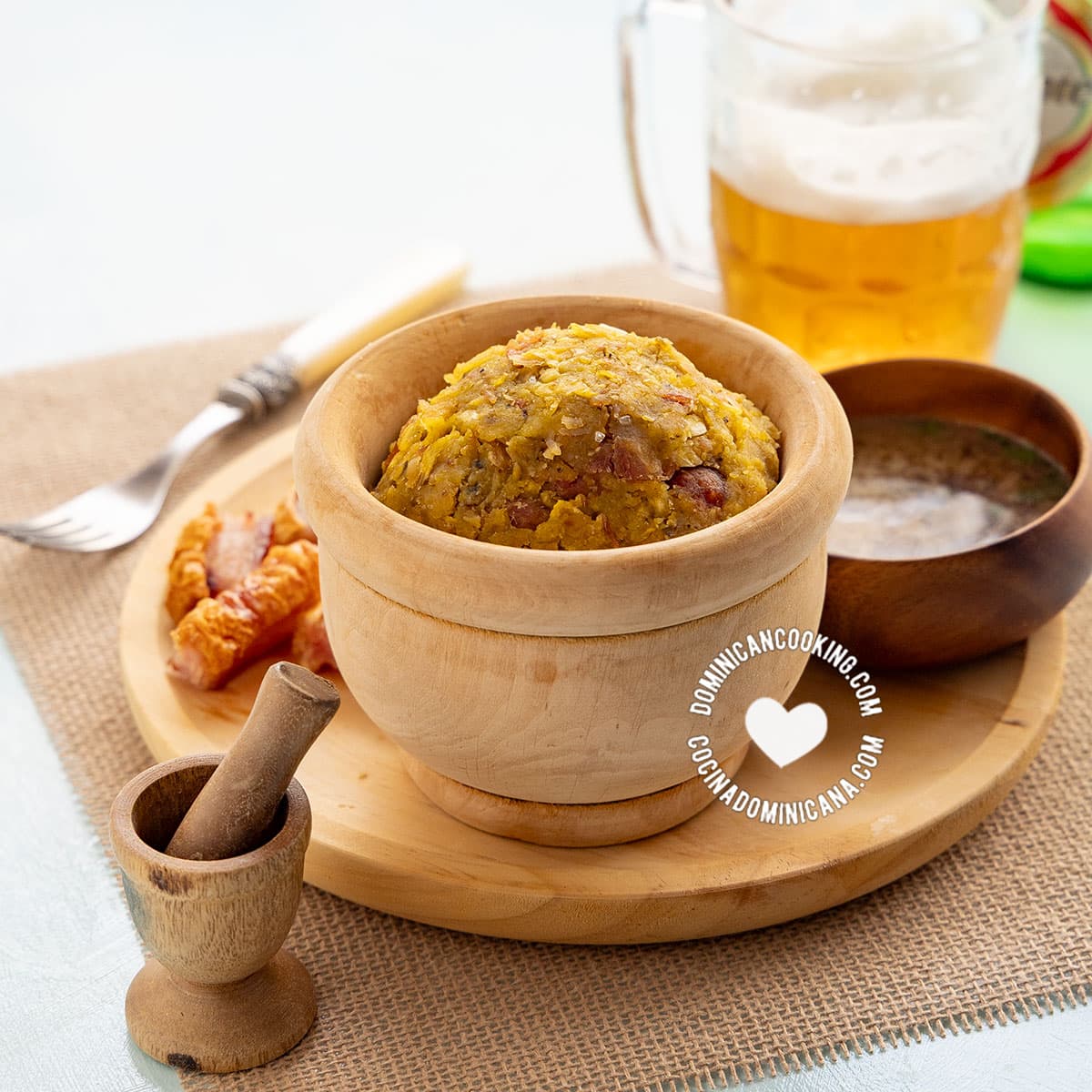
Beyond individual dietary modifications, the proliferation of air fryer adaptations for traditional ethnic recipes highlights the intersection of cultural preservation and culinary modernization. Food historians and cultural analysts note that diaspora communities and native populations alike use digital recipe sharing to pass down culinary traditions to younger generations who may prioritize cooking efficiency and nutritional mindfulness. Platforms dedicated to specific regional cuisines—such as Dominican and Puerto Rican food blogs—frequently feature dual-format recipes that offer both authentic heritage methods and modern appliance alternatives, ensuring that cultural dishes remain accessible and relevant in fast-paced contemporary lifestyles.
The broader implications of this culinary trend extend to home economics and kitchen safety. Traditional deep-frying methods pose documented risks regarding hot oil burns, stovetop smoke generation, and extensive grease accumulation on kitchen surfaces. By shifting high-heat frying tasks to enclosed countertop convection units, home cooks mitigate these domestic hazards while reducing single-use cooking oil consumption and disposal burdens. Furthermore, the standardization of recipes through precise time and temperature guidelines found in digital cooking guides allows novice cooks to achieve consistent results with culturally significant dishes that might otherwise intimidate them.
As culinary innovation continues to intersect with traditional gastronomy, recipes like the air-fryer mofongo demonstrate that cultural foods possess the structural and sensory flexibility to endure modern adaptations. By honoring the foundational ingredients of plantains, garlic, and savory proteins while embracing the efficiency of contemporary kitchen technology, home cooks can continue to celebrate Caribbean culinary heritage without compromise.