Dulce de Tayota (Chayote in Spiced Syrup) Unlocks the Versatility of a Caribbean Staple

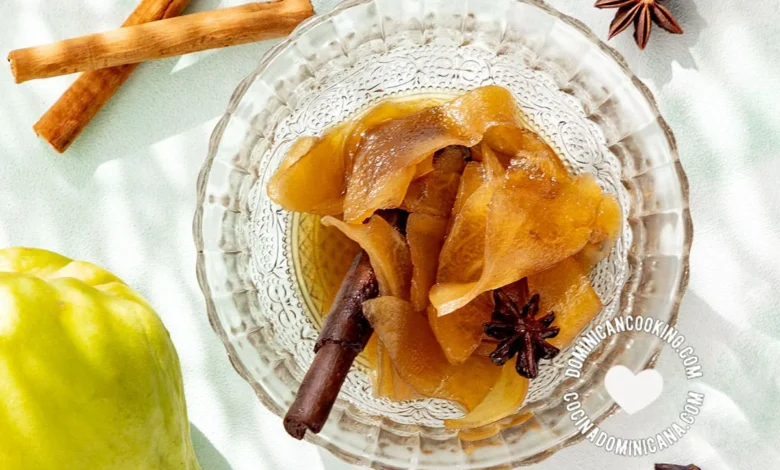
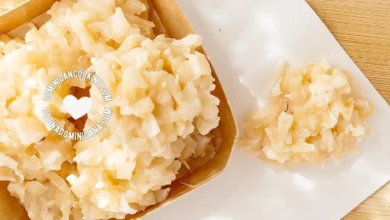
The humble chayote—known locally in the Dominican Republic as the tayota, and recognized globally by monikers such as christophine, mirliton, and vegetable pear—has long occupied a utilitarian role in Latin American and Caribbean agriculture and gastronomy. Traditionally relegated to the savory side of the culinary spectrum, this pale green, pear-shaped gourd frequently appears in stews, soups, and traditional lunch plates alongside rice and beans. However, culinary innovators and traditional home cooks alike are increasingly championing a lesser-known application for the vegetable: dulce de tayota, a candied dessert prepared by simmering the gourd in a heavily spiced sugar syrup until it achieves a translucent, tender consistency.
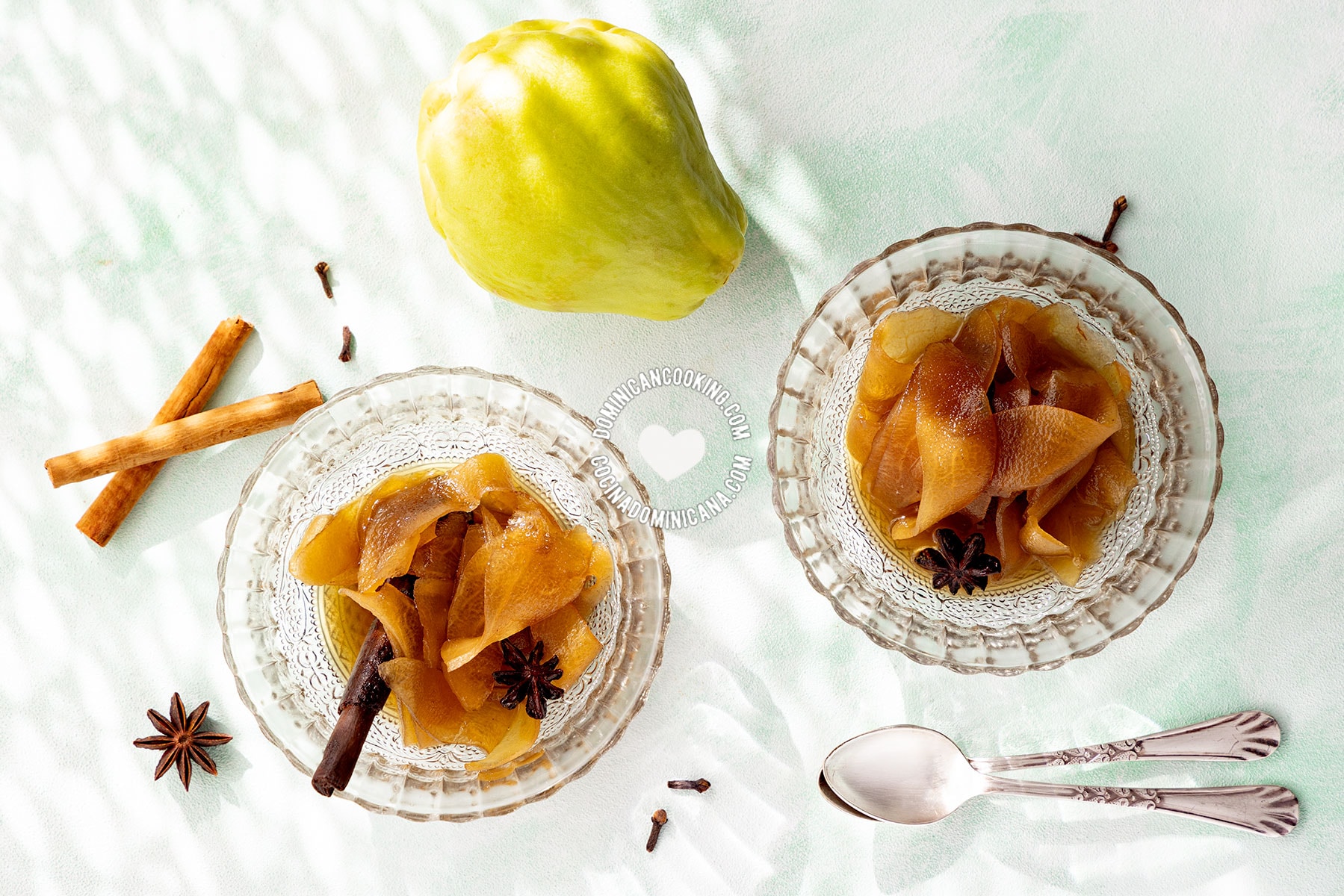
Developed and popularized through cultural preservation efforts by culinary figures such as Clara Gonzalez, known affectionately to her digital audience as Tía Clara, the recipe bridges the gap between everyday agrarian produce and artisanal confectionery. While the vegetable has historically faced lighthearted criticism for its exceptionally mild, neutral flavor profile, food scientists and culinary historians note that this very neutrality is its greatest asset. The spongy, absorbent cellular structure of the chayote allows it to act as a culinary sponge, readily soaking up the complex aromatics of cinnamon, cloves, star anise, and citrus zest during the boiling process.
Botanical and Agricultural Context of the Chayote
To understand the mechanics of dulce de tayota, one must first examine the botanical and agricultural footprint of the plant itself. Chayote (Sechium edule) is a perennial vine belonging to the gourd family, Cucurbitaceae, sharing a taxonomic lineage with cucumbers, pumpkins, and squash. Native to Mesoamerica—specifically the region spanning from southern Mexico to Guatemala—the plant was domesticated in the pre-Columbian era and subsequently disseminated throughout the Caribbean, tropical Asia, and parts of Africa via global trade routes established during the colonial period.
Agronomically, Sechium edule is prized for its high yield and resilience. The plant thrives in subtropical and tropical climates with high humidity and well-draining soils. Unlike many other vine crops, the chayote produces a single large seed embedded directly within the flesh of the fruit, meaning the entire fruit is planted to propagate the next generation. The plant’s vigorous climbing habit makes it a common sight on rural fences and trellises throughout the Dominican Republic.
Nutritionally, the vegetable is celebrated for its low caloric density and minimal carbohydrate content, making it a staple in regional diets geared toward weight management. A standard serving of raw chayote provides significant dietary fiber, vitamin C, folate, and essential minerals such as potassium and zinc. Because the standard preparation of dulce de tayota involves boiling the vegetable in a concentrated sugar syrup, the traditional iteration naturally carries a high glycemic load; however, the innate structural integrity of the vegetable has prompted the development of alternative, low-carbohydrate iterations utilizing sugar substitutes such as erythritol or monk fruit for diabetic and ketogenic consumers.

The Evolution of Dominican Confectionery Traditions
The practice of preserving fruits and vegetables in thick sugar syrups—collectively known in Spanish-speaking regions as dulces en almíbar—is deeply rooted in the culinary history of the Dominican Republic. Historically, sugar cane production has formed a foundational pillar of the Caribbean economy. Following the establishment of extensive plantations during the colonial era, refined sugar and molasses became abundant commodities, leading to the development of a rich repertoire of traditional sweets designed to preserve seasonal harvests.
Dishes such as mala rabia (guavas and plantains in syrup), dulce de coco tierno (tender coconut sweet), and almíbar de higos (figs in syrup) demonstrate a long-standing cultural preference for closing heavy midday meals, such as the quintessential Bandera Dominicana (rice, red beans, and meat), with something intensely sweet and aromatic. The integration of the tayota into this dessert canon represents a pragmatic adaptation of locally available resources. In rural communities where specialized dessert fruits might not always be accessible or affordable, the year-round availability of the chayote provided an economical alternative for home cooks seeking to prepare traditional sweets for family gatherings and religious holidays.
Culinary Preparation and Methodological Chronology
The preparation of dulce de tayota follows a precise sequence that prioritizes texture and flavor infusion. The culinary process can be broken down into four distinct chronological stages: preparation, combination, simmering, and chilling.
1. Preparation and Slicing
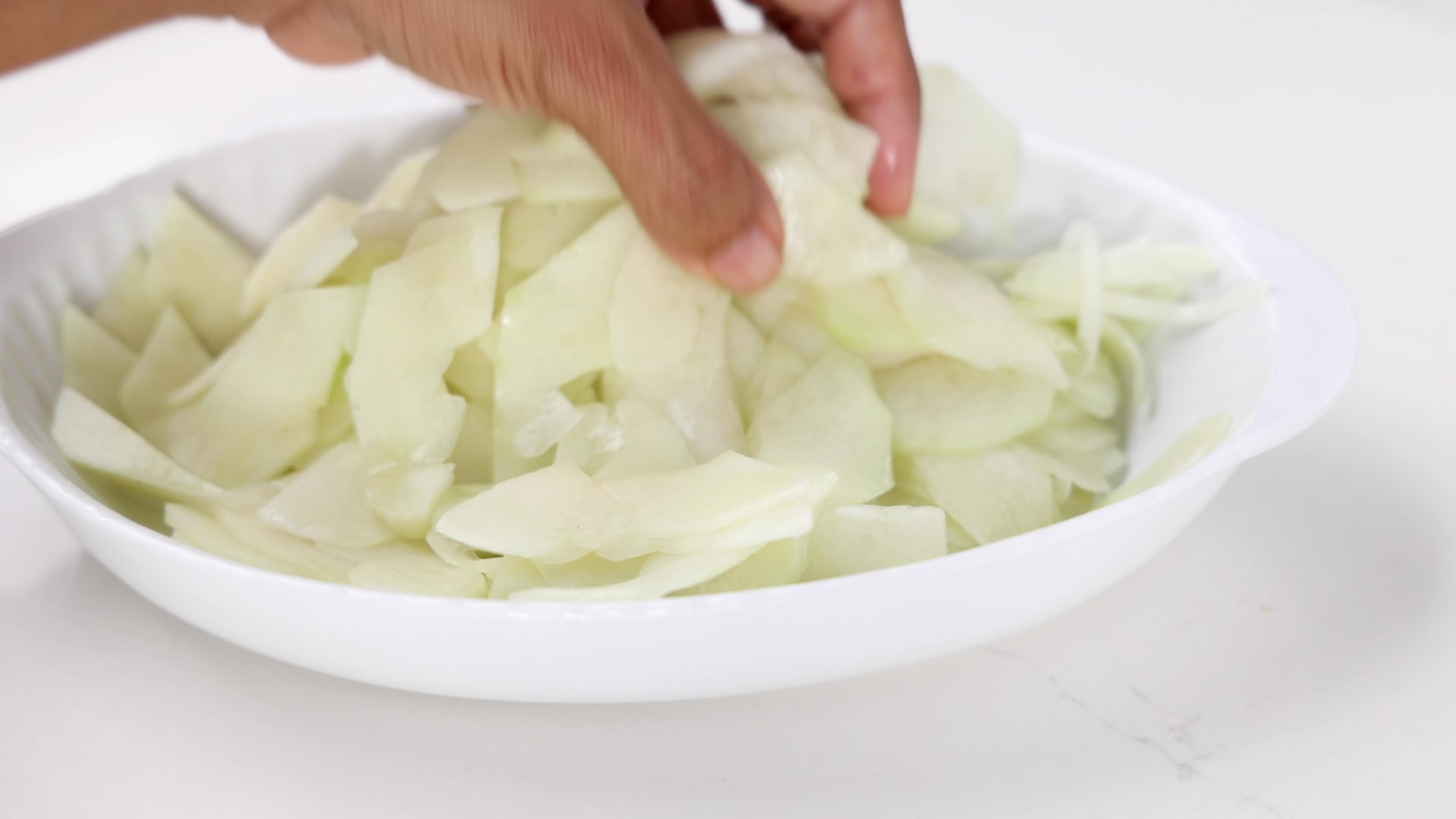
The process begins with the careful selection and peeling of firm, unblemished chayotes. Because the raw skin and the sap released during peeling can cause mild skin irritation for some individuals, cooks often handle the vegetable under running water or wear kitchen gloves. Once peeled, the fruit is halved, and the fibrous central seed is excised. The remaining flesh is then sliced uniformly—typically into wedges or thick chunks—to ensure even heat penetration during the cooking phase.
2. Flavor Combination
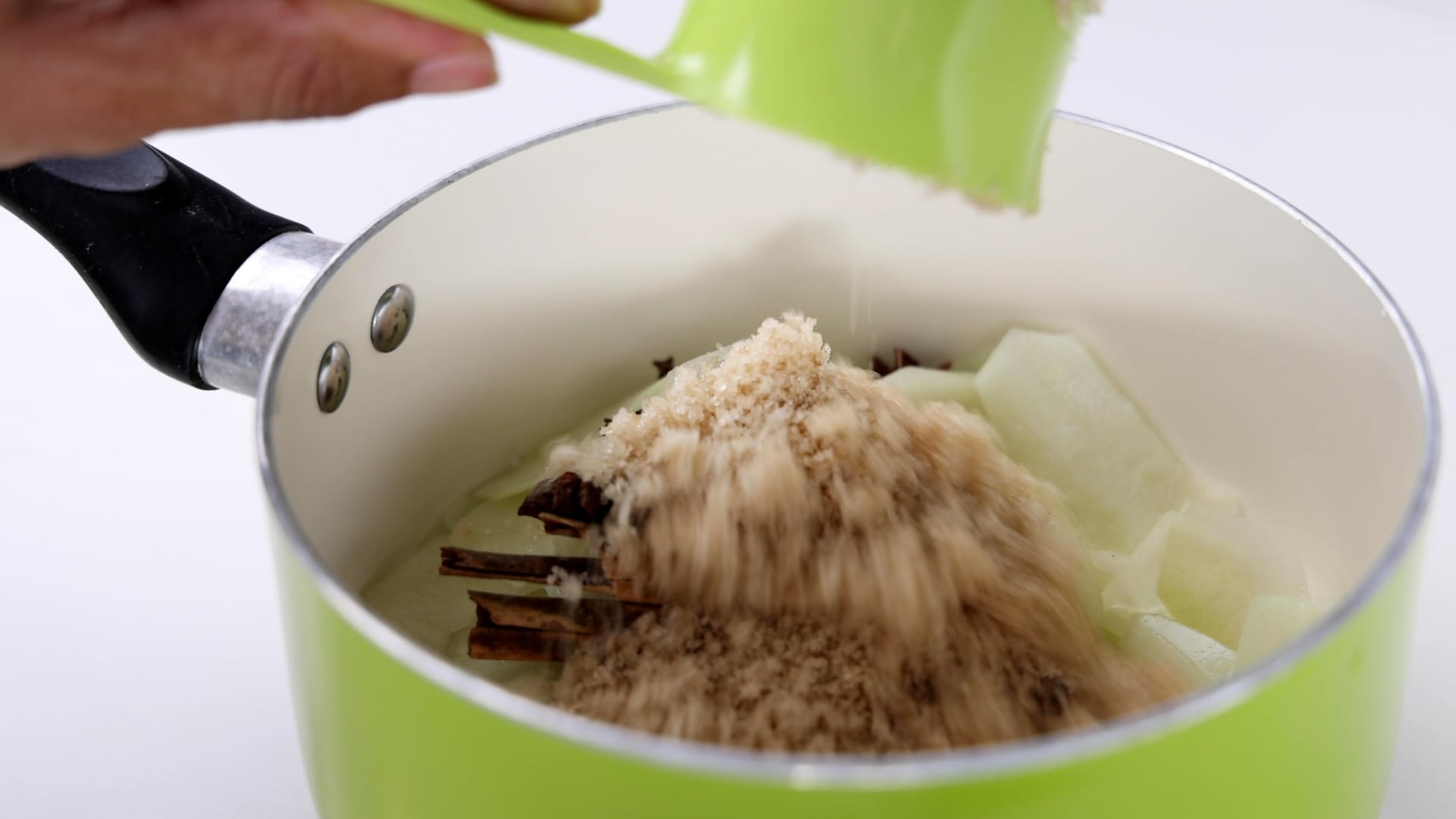
The sliced chayote is placed in a heavy-bottomed saucepan or Dutch oven alongside the syrup ingredients. The foundation of the syrup is water and granulated sugar (or panela/rapadura, depending on regional preferences). To impart the characteristic warmth of Caribbean desserts, aromatics are added directly to the cold liquid. Standard spice profiles incorporate whole cinnamon sticks, whole cloves, star anise, and occasionally strips of fresh lime or orange peel to introduce a bright, acidic counterpoint to the sweetness.
3. Simmering and Infusion
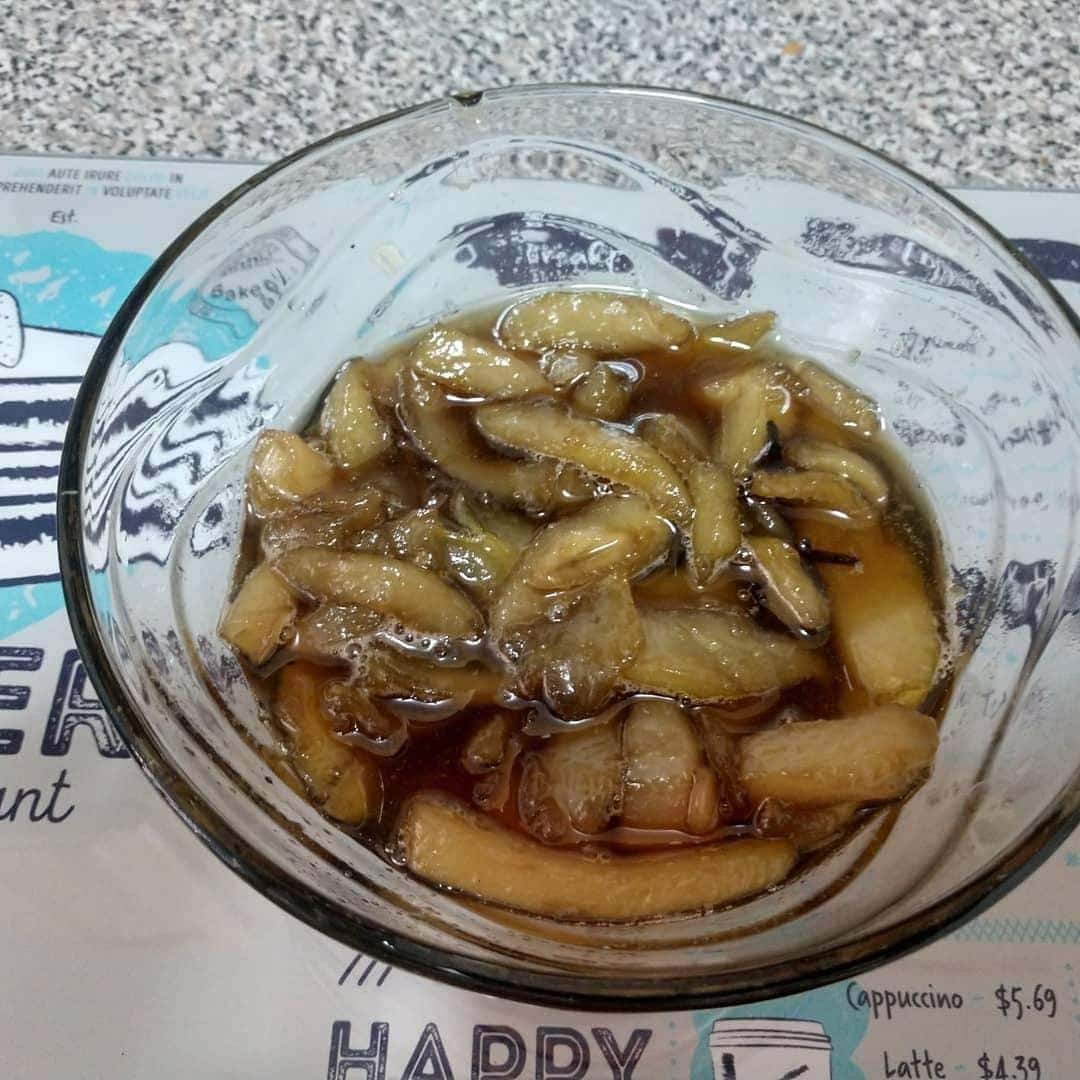
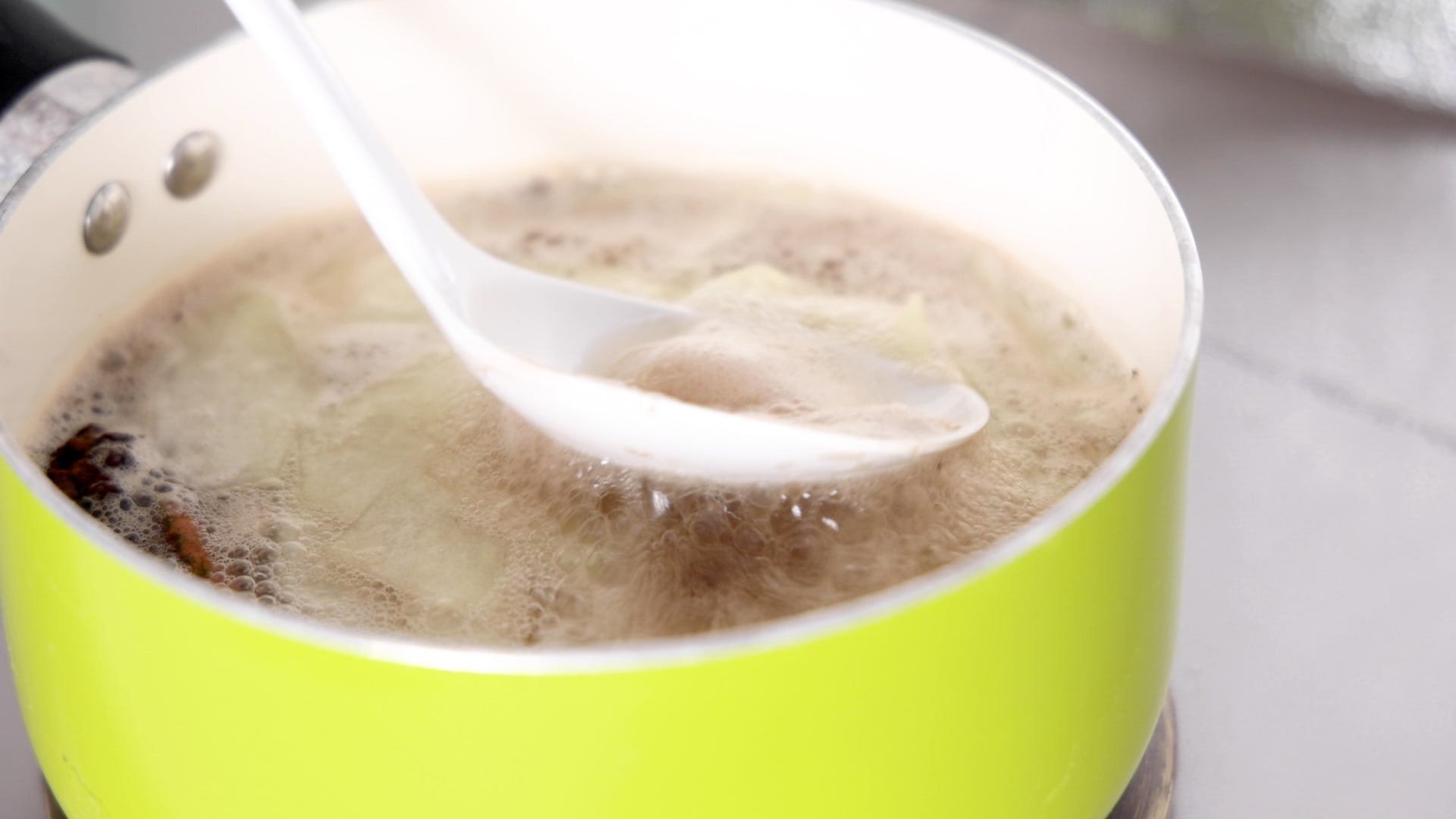
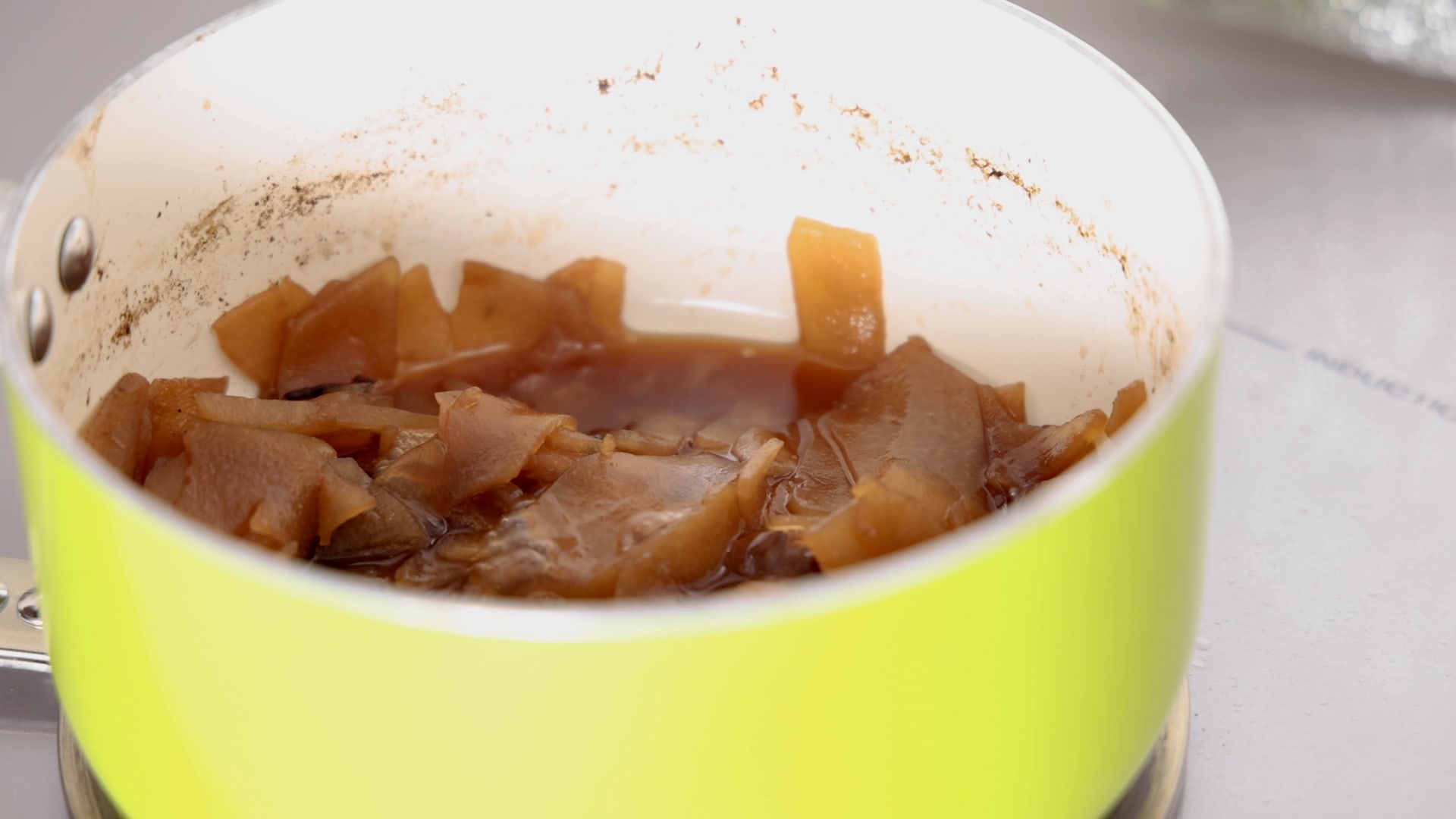
The mixture is brought to a gentle boil over medium heat before being reduced to a simmer. As the temperature rises, the cellular walls of the chayote soften, and the natural moisture within the vegetable begins to exchange with the surrounding sugar-and-spice solution. Over a cooking period of approximately 20 to 30 minutes, the liquid reduces and thickens into a rich, aromatic amber syrup. Concurrently, the chayote absorbs the essential oils of the spices and the sweetness of the sugar, transforming from an opaque, crisp vegetable into a translucent, tender morsel.
4. Chilling and Serving
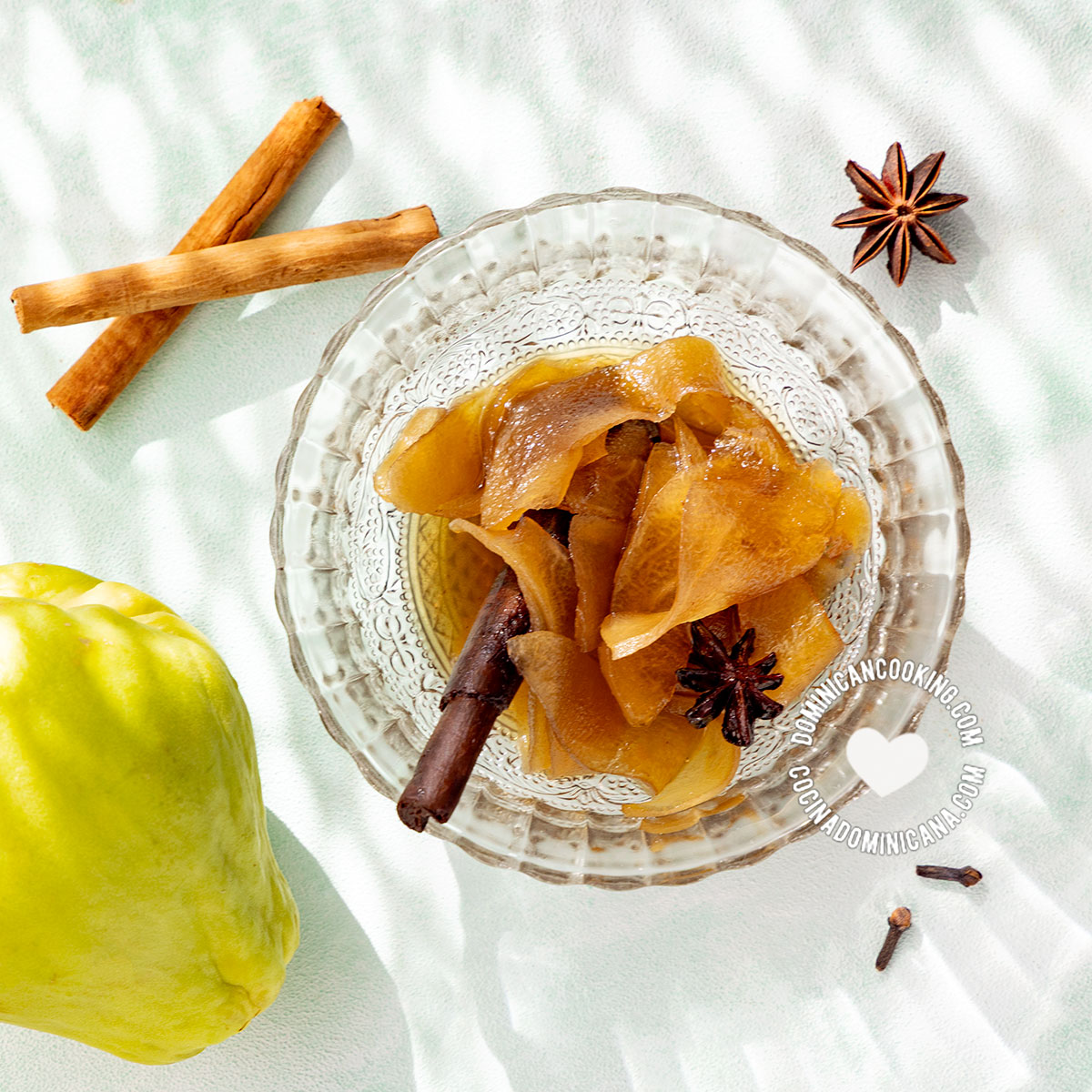
Upon completion of the cooking process, the dessert is removed from the heat source and allowed to cool to room temperature. Food safety and culinary guidelines recommend chilling the dish thoroughly in a refrigeration unit prior to consumption. Serving the dulce de tayota cold enhances its refreshing qualities, making it a popular choice during the warmer summer months. It is typically served in small bowls, drizzled generously with the spiced syrup in which it was cooked.
Nutritional and Economic Implications
The adaptability of the chayote from a savory side dish to a dessert medium highlights broader trends in modern nutrition and culinary resourcefulness. As global food systems face increasing pressures regarding sustainability, waste reduction, and the utilization of underutilized crops, traditional recipes that showcase the versatility of single ingredients gain renewed relevance.
From an economic perspective, the chayote remains an inexpensive crop for smallholder farmers and an accessible ingredient for consumers across diverse socioeconomic strata. Its long shelf life compared to soft fruits further enhances its viability in local supply chains. Nutritionists point out that while the traditional dessert version is high in simple sugars, the underlying vegetable retains micronutrients and dietary fiber, and the growing availability of sugar-free adaptations ensures that traditional flavors remain accessible to individuals managing metabolic health conditions.
Broader Cultural Impact and Digital Preservation
In contemporary digital spaces, traditional recipes like dulce de tayota are experiencing a renaissance. Platforms such as Instagram, YouTube, and specialized food blogs serve as archival tools where second- and third-generation diaspora communities, as well as international food enthusiasts, can access step-by-step video guides and written documentation of regional Caribbean dishes.
Culinary educators emphasize that the preservation of these recipes goes beyond mere gastronomy; it serves as a mechanism of cultural continuity. By demystifying ingredients that are often overlooked or mocked for their mildness—such as the tayota—food historians and digital creators foster a deeper appreciation for the ingenuity of Caribbean domestic cooking. As these traditional techniques are shared globally, the humble chayote continues to shed its reputation as a culinary afterthought, securing its place as a versatile ingredient capable of traversing the boundary between savory sustenance and sweet indulgence.
Related posts: