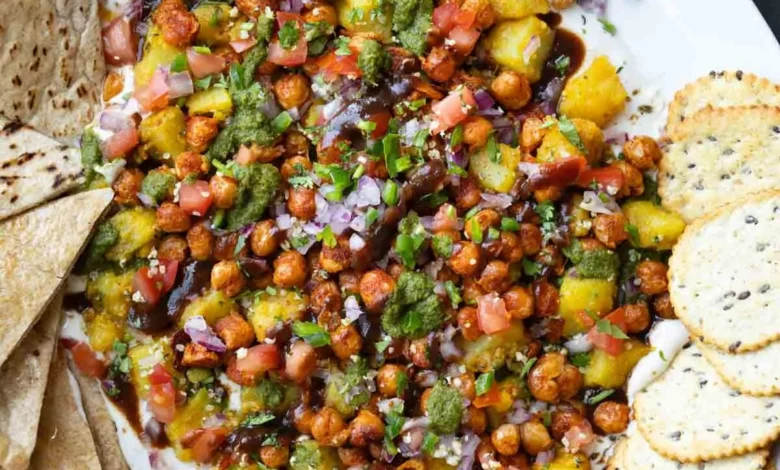
The culinary landscape of contemporary party hosting is undergoing a significant transformation, shifting away from labor-intensive traditional appetizers toward deconstructed, nutrient-dense alternatives. A prime example of this evolution is the emergence of the Samosa Chaat Platter, a dish that recontextualizes the iconic Indian street food staple into a shareable, dip-style format. By removing the traditional pastry-folding process, this version offers a high-protein, gluten-free, and nut-free solution that aligns with modern dietary preferences while maintaining the complex flavor profiles synonymous with South Asian cuisine.
The Origins and Evolution of Chaat
Chaat, a term derived from the Hindi verb "chaatna," meaning "to lick," refers to a diverse family of Indian street snacks characterized by a sophisticated interplay of textures and flavors. Traditionally, these dishes combine savory elements—such as deep-fried potato pastries or crispy wheat crackers—with a symphony of sauces, including tangy tamarind, sharp cilantro-mint, and cooling yogurt.
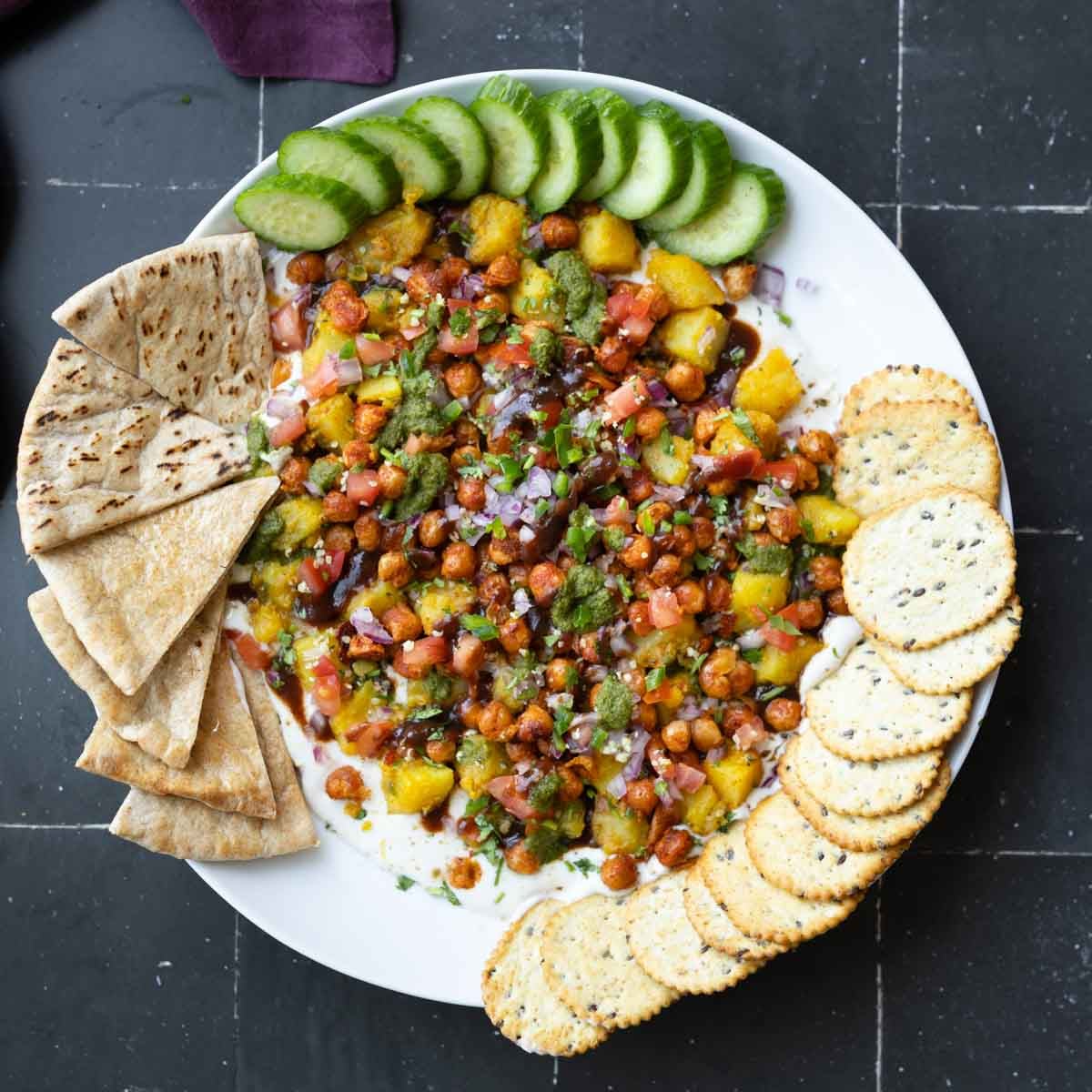
Historically, chaat evolved as a street food staple in North India, designed to be consumed quickly by commuters. However, the integrity of these dishes often suffers in a home-cooking context; the crispy elements, known as "sev" or papadum, tend to absorb moisture from the chutneys and yogurt, leading to a loss of structural integrity. The "Samosa Platter" innovation solves this by separating the crunchy, starch-based components—such as crackers or papadums—from the moist base of spiced potatoes, chickpeas, and sauces. This design ensures that the culinary experience remains crisp and fresh, even during extended social gatherings.
Nutritional Profile and Dietary Implications
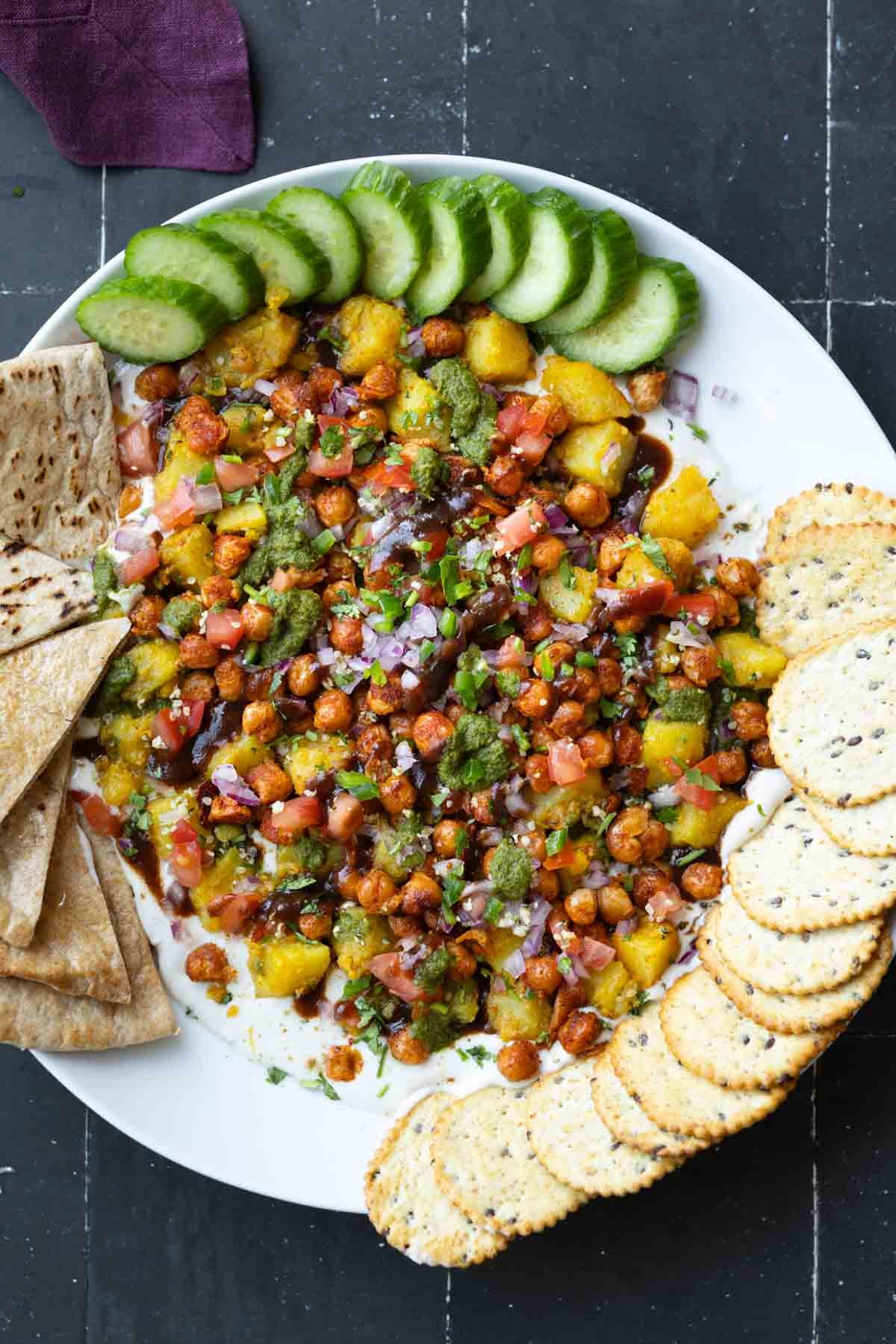
The Samosa Chaat Platter is notable for its nutritional density, a significant departure from traditional fried appetizers. Each serving provides approximately 13 grams of protein and 10 grams of dietary fiber. This profile is achieved primarily through the inclusion of chickpeas—a legume recognized for its high plant-based protein content—and a yogurt-based foundation.
When served with whole-grain or multigrain crackers, the total fiber content can increase by an additional 3 to 5 grams per serving. For health-conscious consumers, the dish offers a balanced macronutrient breakdown: approximately 328 kcal per serving, with 10 grams of fat, of which only 1 gram is saturated. The inclusion of fresh produce, including onions, tomatoes, and cucumber, contributes essential micronutrients such as Vitamin C and iron. This shift toward nutrient-dense, vegetable-forward party food reflects a broader consumer trend toward "conscious snacking," where social foods are expected to provide more than just empty calories.
Structural Components and Preparation
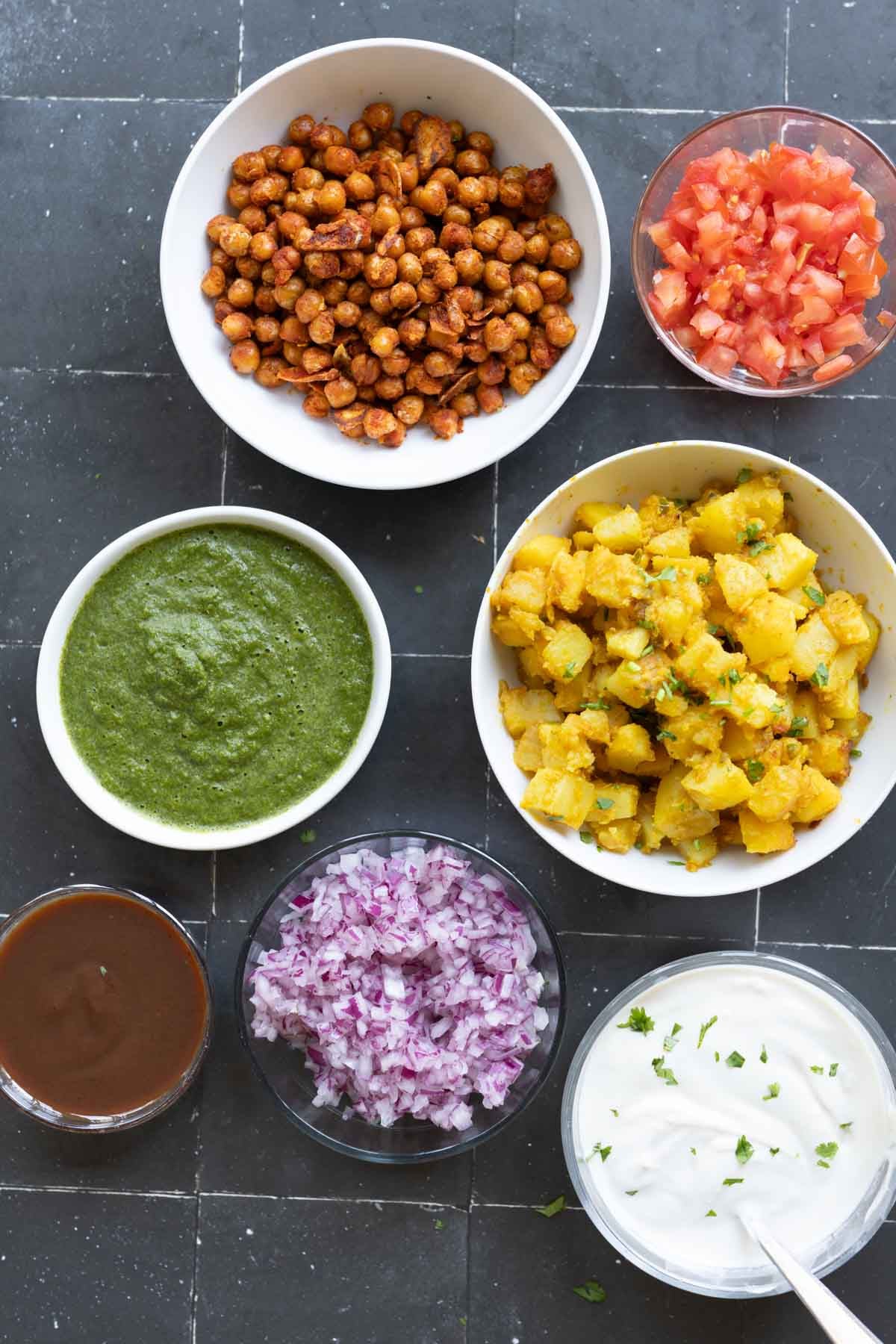
The preparation of the platter follows a structured methodology that prioritizes flavor development in each individual element. The process can be broken down into four primary phases:
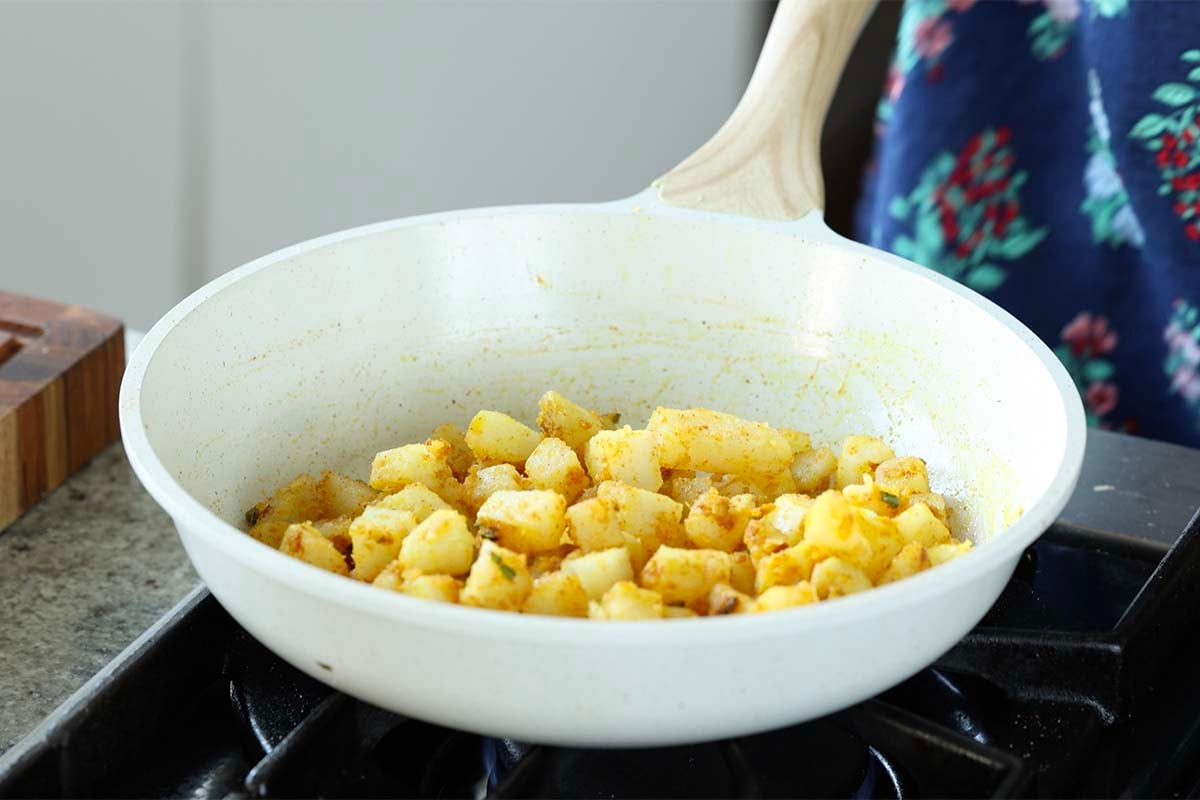
- The Potato Base: Utilizing boiled and cubed potatoes, the base is sautéed with aromatic ginger, green chilies, and a proprietary blend of traditional samosa spices. This process allows the starch to absorb the heat and aromatics before being finished with a brightening agent, typically lemon or lime juice.
- The Protein Layer: Crispy chickpeas are prepared in a separate skillet, sautéed until golden brown, and seasoned with garlic and a specific blend of legumes-focused spices. This adds a necessary texture contrast to the creamy yogurt and soft potatoes.
- The Chutneys: The green chutney serves as a vital acid and herbal component, blending fresh cilantro and mint with water and spices to achieve a thick, pourable consistency. The tamarind date chutney—or an alternative maple-lime variation—provides the necessary sweetness and tang to balance the savory spices.
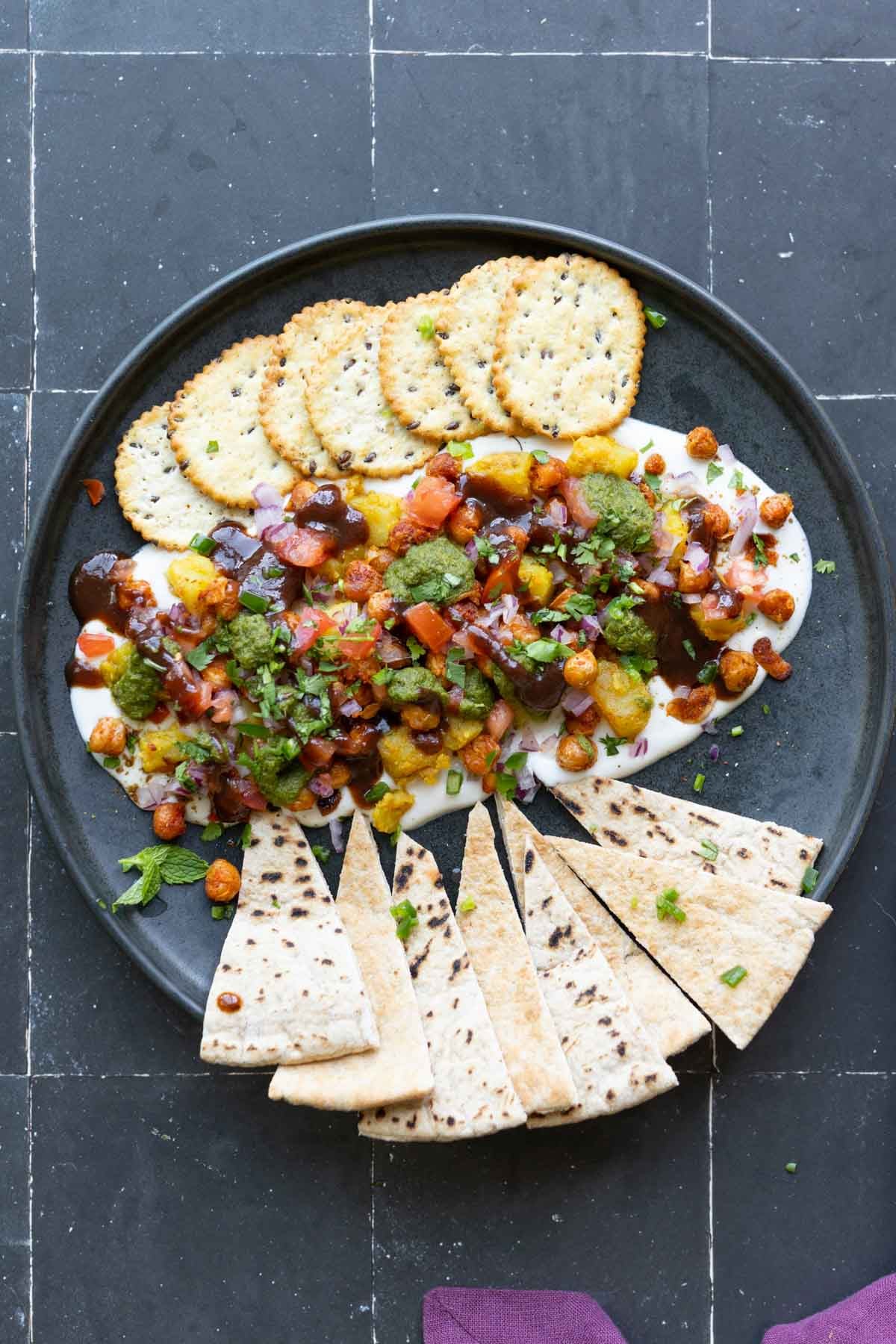
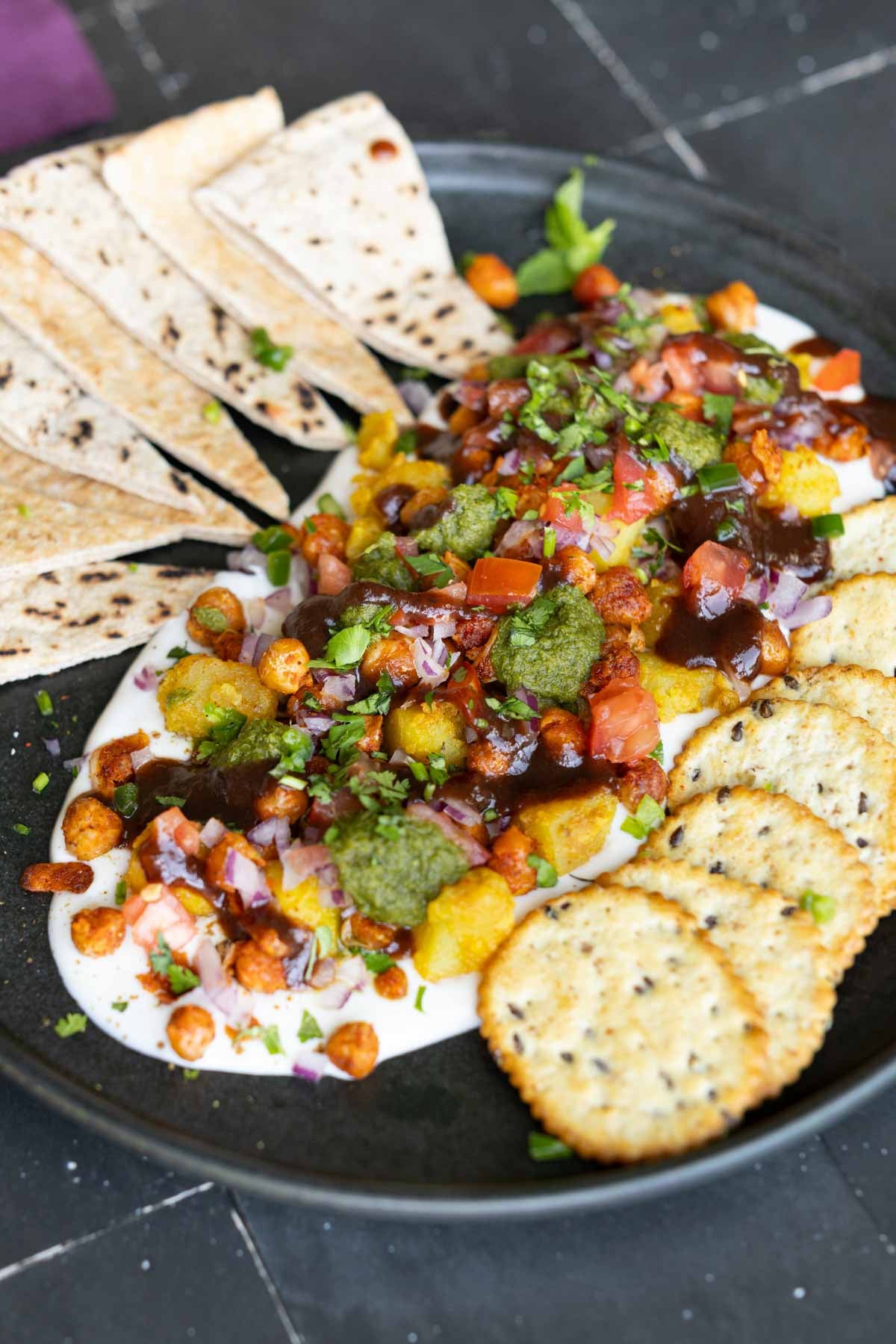
- Assembly: The platter is built by layering a base of chilled yogurt, followed by the spiced potatoes, the crispy chickpeas, and a final garnish of fresh onions, tomatoes, and cilantro.
Market Trends and Consumer Behavior
The popularity of this deconstructed approach is supported by current market research regarding home entertainment. According to recent industry reports on culinary trends, consumers are increasingly seeking "experience-based eating." This means that even at small gatherings, hosts are prioritizing dishes that allow for customization. By serving the components separately, the Samosa Chaat Platter allows guests to build their own plates, accommodating various dietary restrictions and personal preferences.
This trend is particularly relevant during the holiday and festival seasons, where the burden of cooking can be high. By creating a dish that can be prepared up to four days in advance—with the exception of the final garnish and the addition of the crackers—the platter provides a logistical advantage for hosts. The ability to store components in sealed containers until the moment of service mitigates the stress associated with last-minute meal preparation.
Technical Considerations for Optimal Results
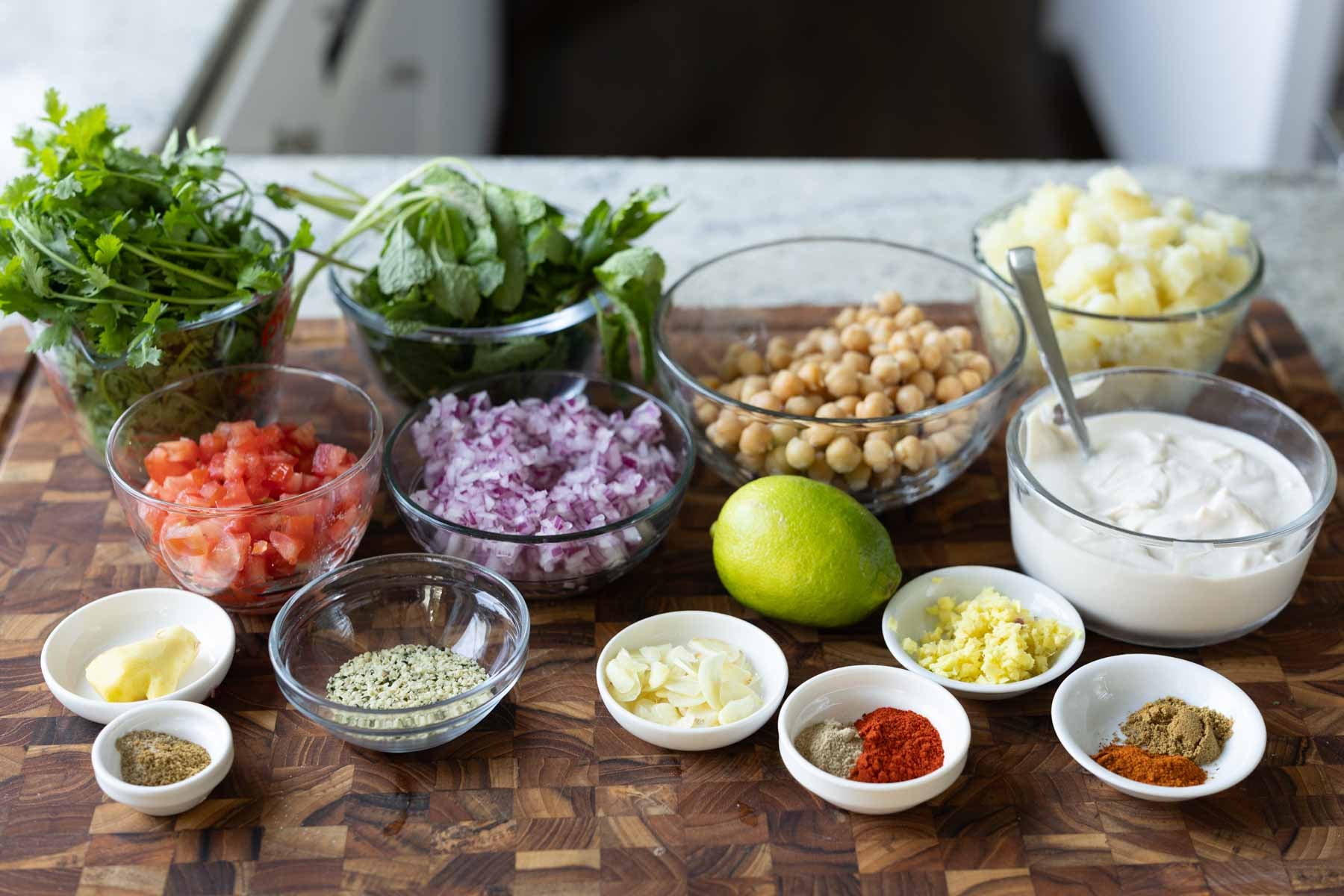
For professional or home chefs looking to replicate this dish, there are several technical nuances to consider. When preparing the green chutney, the choice of blender matters significantly. A high-speed, narrow-jar blender is often required to ensure that the fibrous herbs (cilantro and mint) are fully emulsified without the need for excessive liquid. Maintaining a thick, concentrated sauce is essential to prevent the platter from becoming overly runny.
Furthermore, the "roasted ground cumin" component serves as a flavor anchor. The process of dry-toasting whole cumin seeds in a skillet for three to four minutes before grinding them is a critical step that cannot be replaced by store-bought, pre-ground powder. The heat releases essential oils, which significantly deepens the profile of the dish.
Regulatory and Allergen Standards
The dish is inherently versatile regarding common allergens. It is naturally nut-free and, provided that soy-free, non-dairy yogurt is utilized, it remains completely soy-free. For those adhering to a gluten-free diet, the platter is fully compatible as long as the side-serving crackers, chips, or papadums are certified gluten-free. These features make it a highly inclusive option for catering diverse social groups.
The inclusion of detailed, transparent nutritional information—as is increasingly required by health-conscious consumers—further distinguishes this recipe from traditional, opaque catering options. While exact nutritional values can fluctuate based on the specific brands of ingredients used, the base calculation provides a reliable baseline for those monitoring their caloric and macronutrient intake.
Broader Impact on Modern Cuisine
The success of the Samosa Chaat Platter illustrates a significant shift in how global cuisines are integrated into Western home-cooking practices. By stripping away the more complex technical barriers—such as the mastery of pastry dough—the dish democratizes the consumption of authentic Indian flavors. It encourages home cooks to experiment with complex flavor profiles like tamarind and chaat masala without the fear of failure often associated with traditional baking or deep-frying.
As we look toward the future of home entertainment, the focus will likely remain on dishes that offer this specific combination of efficiency, health, and authentic flavor. The Samosa Chaat Platter stands as a testament to the fact that innovation in the kitchen does not always require new technology; sometimes, it simply requires a new perspective on how traditional components are assembled, shared, and enjoyed. This approach satisfies the contemporary demand for food that is both deeply comforting and nutritionally responsible, ensuring its place as a staple for future social gatherings.