Banana Bread Bars with Fudge Buttercream Offers a New Twist on a Classic Comfort Bake

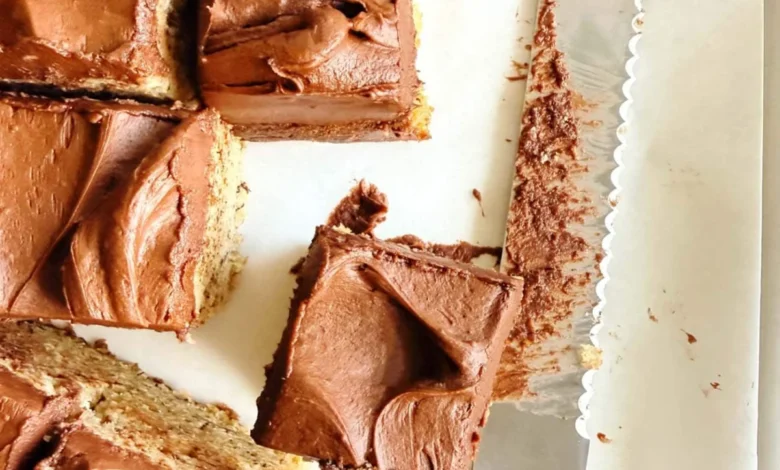
The intersection of traditional home baking and modern culinary innovation has yielded a new standout dessert with the introduction of banana bread bars paired with fudge buttercream frosting. Drawing inspiration from a collection of tested recipes featured in the cookbook 100 Afternoon Sweets, this latest creation merges the dense, fruit-forward profile of traditional banana bread with the rich, velvety texture of heavy chocolate frosting. Culinary developers note that while the concept relies on familiar flavor pairings, the structural redesign of the recipe addresses common time constraints and textural preferences voiced by home bakers.
Main Facts and Recipe Adaptation
The newly popularized recipe streamlines traditional baking methods into a simplified, one-bowl preparation, marking a departure from multi-step techniques typically required for complex desserts. Unlike standard loaf preparations that demand precise creaming of butter and sugar using a stand mixer, these bars are engineered for efficiency without sacrificing moisture or structural integrity.
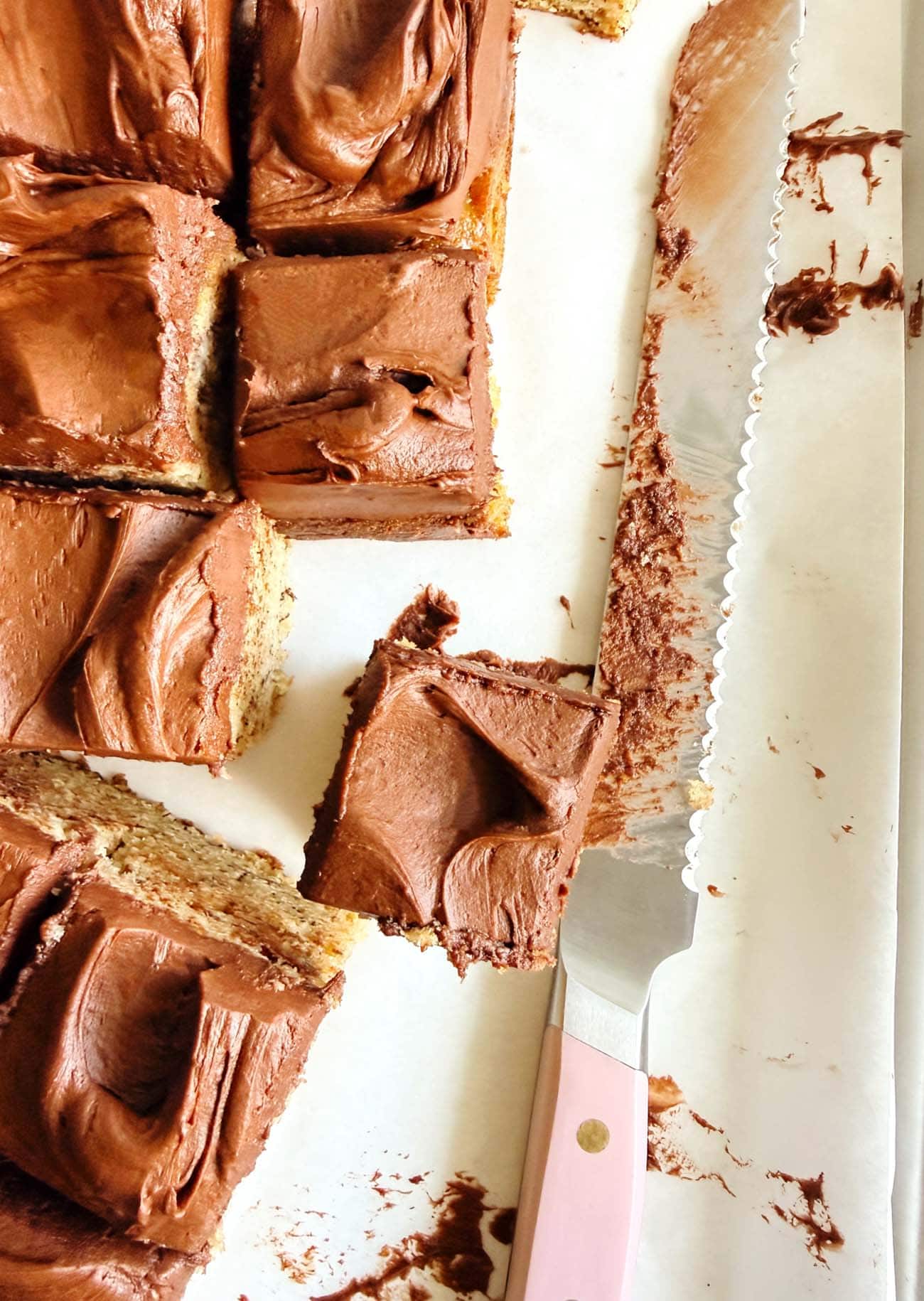
The base incorporates heavily ripened bananas to maximize natural sweetness and moisture retention, a fundamental chemical component in achieving the signature texture of classic banana bread. Atop this dense foundation sits a thick layer of fudge buttercream. Culinary notes accompanying the recipe indicate that while a standard single batch of frosting provides a moderate topping, doubling the buttercream measurement yields the signature high-profile swirl captured in promotional food photography.
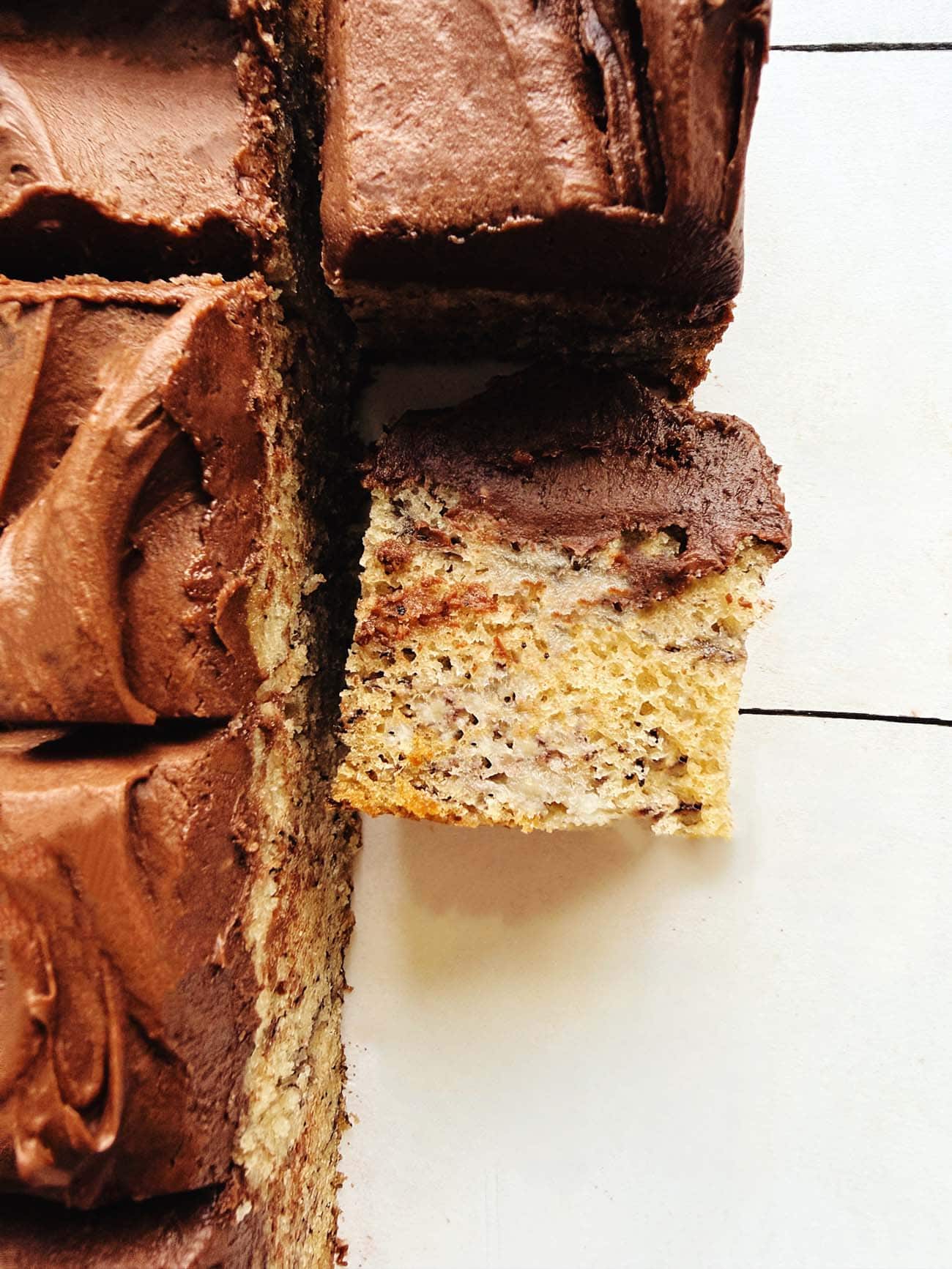
Furthermore, the batter is versatile: bakers preferring a traditional presentation can easily transition the recipe from a rectangular baking pan to a standard 8-by-4-inch loaf pan, requiring a bake time of 50 to 60 minutes until a toothpick test confirms doneness. The resulting loaf requires no specialized equipment, scales well for larger batches, and maintains its structural and flavor profiles through freezing.
Chronology and Development of the Recipe
The conceptualization of the banana bread bar stems from an ongoing culinary trend toward reimagining single-serving or bar-style iterations of traditional quick breads. The developmental timeline of this specific recipe highlights a methodical approach to home baking formulation:
- Initial Recipe Conception: The foundational components—specifically the banana bread base and the standalone fudge buttercream—originated during the development phase of the cookbook 100 Afternoon Sweets, where they existed as separate culinary entities.
- Recipe Synthesis and Streamlining: Recognizing a demand for faster, lower-effort weekday baking projects, culinary testers combined the two elements into a unified, one-bowl format designed to minimize kitchen cleanup and preparation time.
- Proportional Adjustment: Initial iterations of the combined recipe featured an overpowering amount of frosting relative to the bar base. Subsequent test kitchen adjustments resulted in a halved buttercream recipe for standard applications, with instructions for doubling when a more decadent presentation is desired.
- Public Release: The finalized recipe was formally published for home kitchens, accompanied by precise weight-based flour metrics (establishing one cup of flour at 142 grams) to ensure consistency across international kitchens where volumetric measurements often vary.
Supporting Data and Technical Specifications
Baking precision relies heavily on accurate measurement, a factor emphasized in the technical documentation of the banana bread bar recipe. Culinary testing reveals a frequent discrepancy in home baking results caused by the standard volumetric measurement of flour. While many culinary websites calculate one cup of flour between 120 grams and 142 grams, extensive kitchen trials for this recipe determined that standardizing flour weight at precisely 142 grams per cup yields the intended crumb structure and moisture balance.
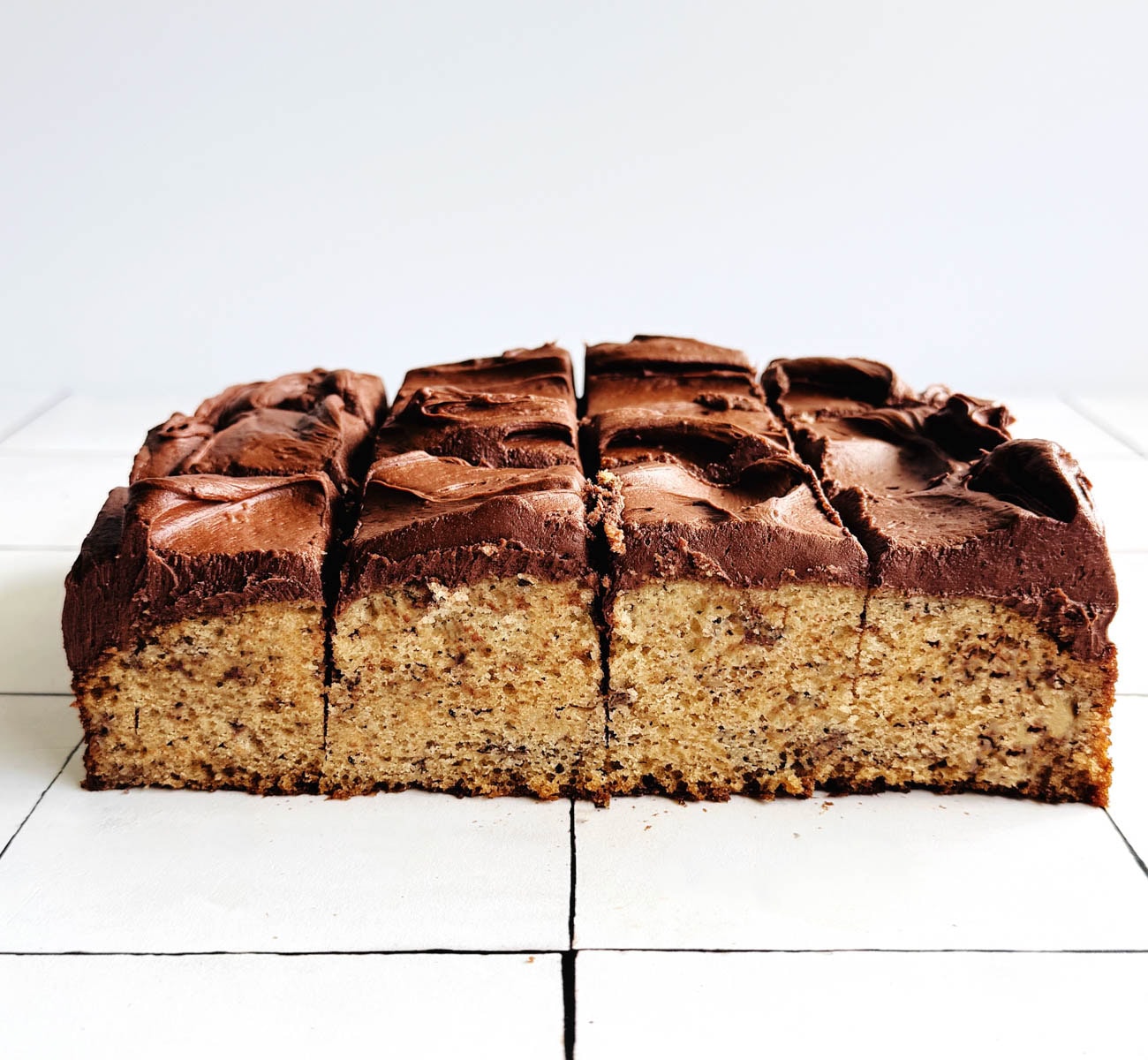
The recipe is calibrated for a yield of 12 standard servings, making it practical for small gatherings, family desserts, or meal-prep baking. Nutritional density is a primary characteristic of the dish, driven by the combination of high-starch tropical fruit, refined sugars, dairy fats in the buttercream, and all-purpose flour. The inclusion of fudge buttercream—composed of butter, confectioners’ sugar, and cocoa solids—adds significant caloric and fat content, positioning the item firmly in the category of a decadent dessert rather than a breakfast quick bread. To achieve optimal results with the frosting, culinary experts advise sifting the powdered sugar prior to incorporation to eliminate persistent lumps that resist standard beating methods.
Industry Perspective and Culinary Implications
The release and reception of hybrid baked goods such as banana bread bars reflect broader shifts in consumer baking habits. Following a sustained surge in home baking initiated during the early 2020s, consumers have increasingly sought recipes that balance nostalgic comfort flavors with modern efficiency. Traditional banana bread achieved unprecedented popularity as a comforting, low-stress staple; however, contemporary food trends favor accelerated formats, portable shapes (such as bars), and elevated flavor pairings like chocolate fudge.
Food industry analysts note that comfort food innovations often succeed by bridging the gap between familiar domestic baking and bakery-style indulgence. By pairing a rustic, fruit-based quick bread with a polished, confectionery-grade buttercream, the recipe appeals to both traditionalists and enthusiasts of rich, decadent desserts. Additionally, the adaptability of the batter—functioning equally well as flat bars or a traditional loaf—highlights a growing consumer preference for versatile recipes that can be modified based on available kitchen equipment or serving occasions.
Broader Impact on Home Baking Trends
The emphasis on weight-based measurements in this recipe also underscores a wider educational movement within the culinary community. As home bakers increasingly adopt kitchen scales over volumetric measuring cups, recipe developers are providing dual data points to improve consistency and reduce baking failures. This technical rigor, combined with accessible preparation methods, signals a maturation in how digital food media and cookbooks communicate foundational baking science to the general public.
As home kitchens continue to adapt to fast-paced lifestyles without compromising the desire for scratch-made comfort foods, recipes that streamline traditional processes while elevating final presentation are expected to remain central to culinary media and cookbook publications.