The Quest for the Lost Bakery-Style Chewy Lemon Sugar Cookie Comes to an End After Years of R&D

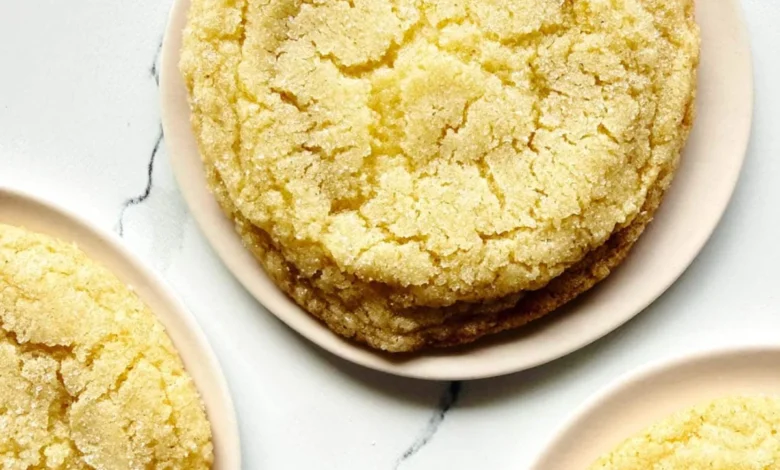
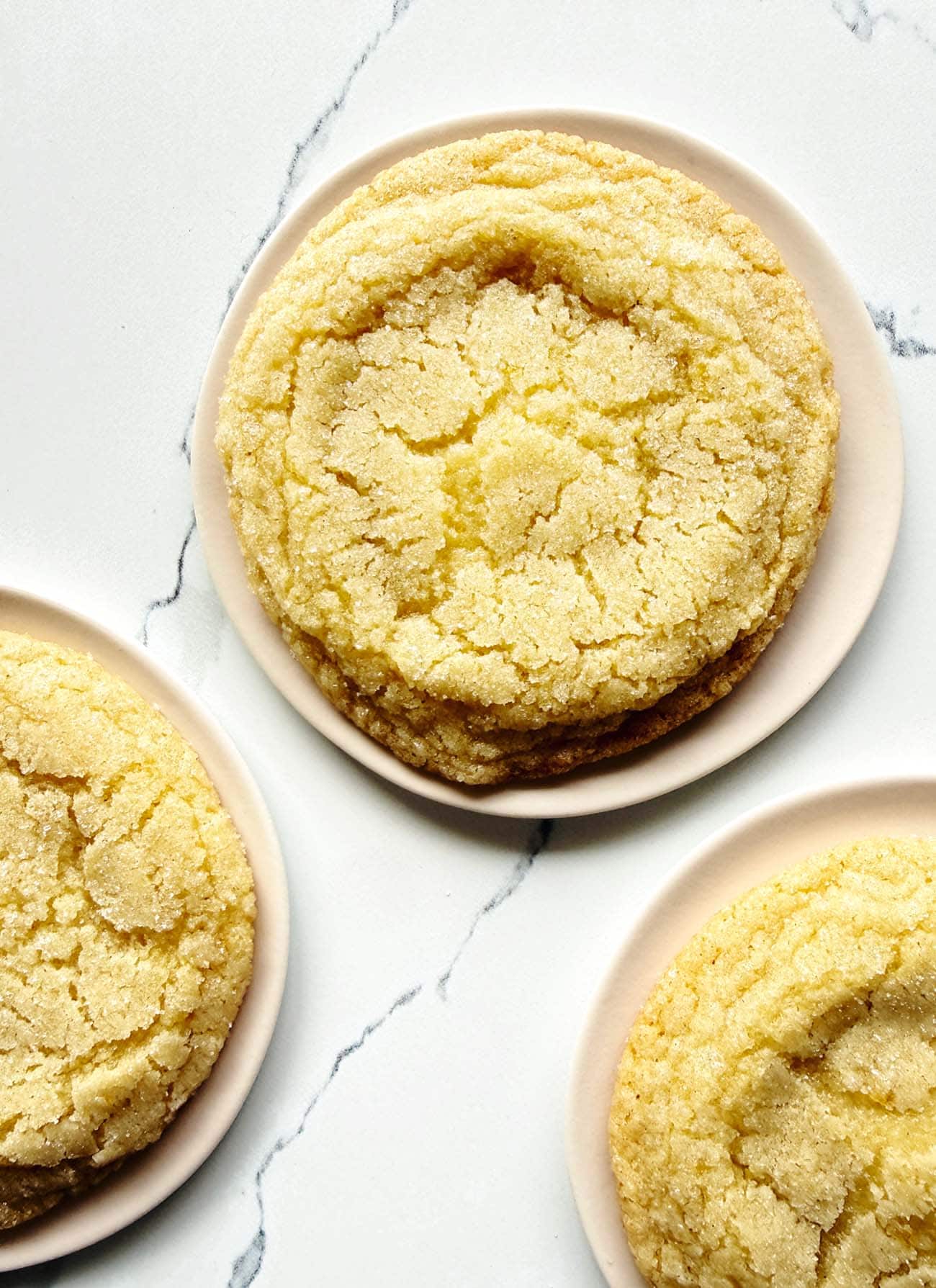
The culinary landscape of artisan coffeehouses often leaves behind a trail of nostalgic flavors, few as lamented as discontinued signature baked goods. For years, patrons and former employees of a popular neighborhood coffeehouse mourned the disappearance of a colossal, bright lemon sugar cookie that vanished from display cases following the departure of its creator. What began as an elusive workplace memory has finally been transformed into a reproducible culinary reality, thanks to a multi-year development effort by a former staff member determined to decode the beloved treat’s exact composition. The resulting recipe not only replicates the distinct sensory profile of the original café-style cookie—characterized by lightly crisp edges and a dense, chewy center—but also offers home bakers a technical blueprint for mastering large-format citrus cookies.
The Origins of a Coffeehouse Staple
During the mid-2010s boom of independent third-wave coffee shops, baked goods served as a critical differentiator for local establishments competing against corporate chains. The coffeehouse in question, known for its high-volume morning rush, relied heavily on scratch-baked pastries that offered a balance of comfort and sophistication. Among the most sought-after items was a lemon sugar cookie that broke traditional mold constraints. Unlike standard tea cookies or drop shortbreads, these confections were engineered on a grander scale: gigantic in physical footprint, subtly fragrant with natural citrus oils, and finished with a granular dusting of coarse sugar that provided a contrasting crunch to the soft interior.
The abrupt departure of the head pastry chef, who took several proprietary recipes upon exit, created an immediate void in the bakery’s daily offerings. Management attempted to reverse-engineer the item, but without the precise formulas, subsequent batches lacked the structural integrity and flavor balance of the original. Within months, the cookie was permanently retired from the menu, leaving regulars and staff alike to rely solely on culinary memory.
A Multi-Year Chronology of Recipe Development
Recreating a lost commercial recipe without a baseline ingredient list requires a methodical, empirical approach. The developer’s journey spanned several years of intermittent kitchen trials, marked by structural failures common in high-butter, citrus-infused doughs.
Phase One: Initial Trials and Structural Flaws
Early attempts focused primarily on replicating the bright citrus flavor profile. Initial batches utilized standard lemon juice and commercial extract combinations. However, these early formulations encountered a major chemical hurdle: liquid citrus additives introduced excess moisture into the dough matrix, causing the cookies to spread excessively thin in the oven and lose their signature hefty, bakery-style chew. Furthermore, commercial extracts often imparted an artificial, medicinal aftertaste rather than the clean, vibrant zest profile characteristic of the original coffeehouse offering.
Phase Two: Fat and Protein Adjustments
Through iterative testing, the developer identified that moisture control required shifting away from liquid juices and leaning entirely into concentrated natural oils. The breakthrough came with the integration of substantial volumes of fresh lemon zest—specifically standardized to two tablespoons per batch—rubbed directly into the granulated sugar to release the essential oils. To combat the drying effects of high acid content and to enhance the interior density, the fat-to-protein ratio was recalibrated. The addition of a standalone egg yolk alongside whole eggs provided the necessary phospholipids and extra lipids to yield a rich, tender center crumb while naturally enhancing the bright yellow hue without artificial food coloring.
Phase Three: Leavening Synergy and Thermal Dynamics
Achieving the dual texture of crisp edges and a soft, yielding center required precise manipulation of chemical leaveners. Relying solely on baking powder or baking soda produced mediocre results; the former yielded a cakey texture, while the latter failed to provide adequate lift. The final formulation incorporated a balanced ratio of both baking powder and baking soda. This dual-leavening system caused the cookie centers to puff significantly during the initial baking phase, only to settle gently as the pan cooled outside the oven, creating a distinctive crinkled surface texture and a dense, chewy core.
Technical Specifications and Analytical Insights
Baking science relies heavily on standardized measurements, a factor heavily emphasized in the finalized recipe guidelines. Culinary data indicates that discrepancies in flour volume represent the single greatest variable in home baking failures. Standard cup measurements can vary drastically depending on how flour is scooped, often resulting in up to a 20 percent variance in total dry weight.
To ensure consistency, testing established that one cup of all-purpose flour should be standardized to precisely 142 grams. Transitioning home bakers from volumetric cups to mass-based metric measurements (grams) eliminates the variability of packed flour, ensuring that the butter-to-flour ratio remains optimal for the desired spread and chew.
Nutritional and sensory data points for the finalized bakery-style cookie include:
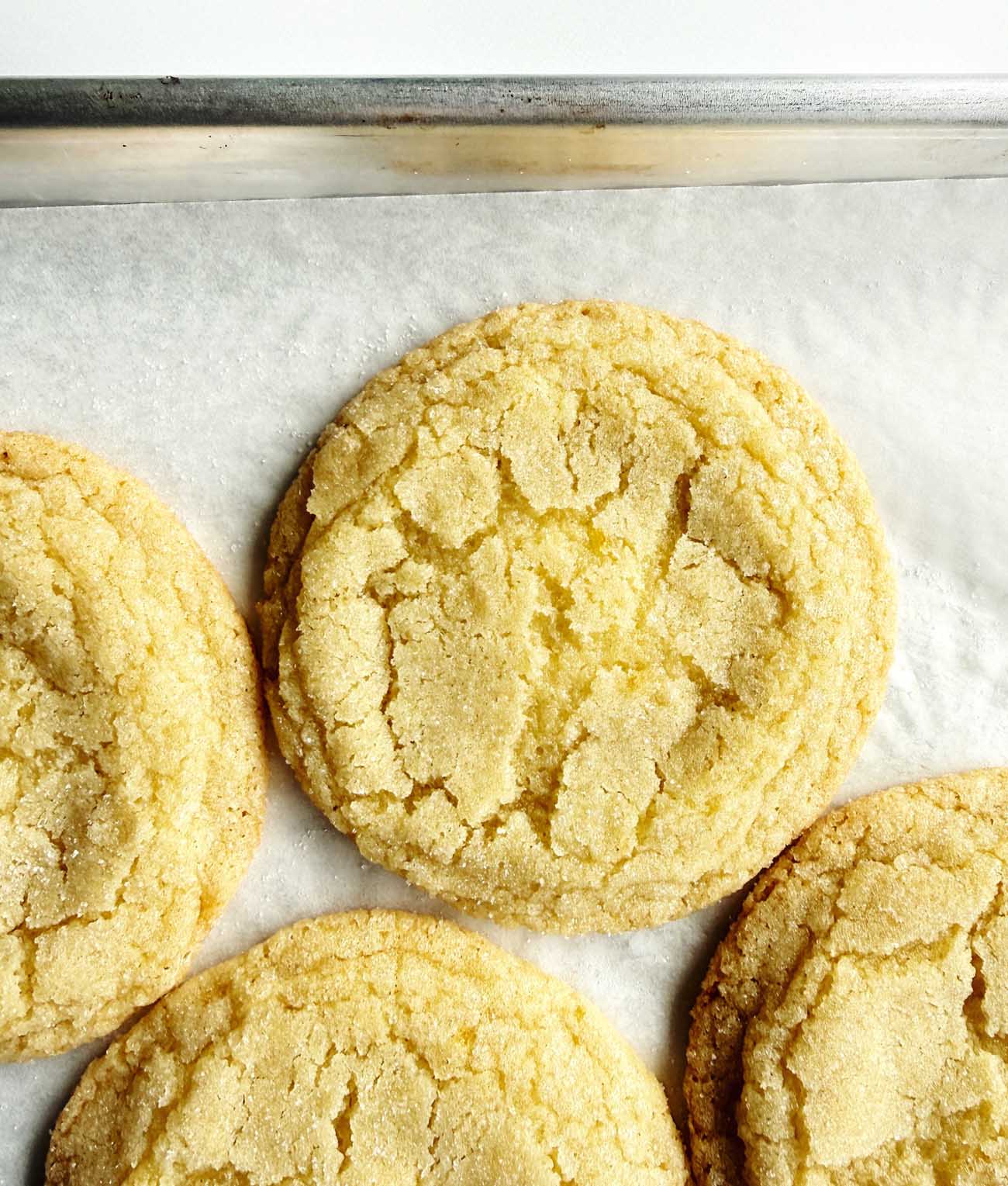
- Yield: 12 oversized, bakery-format cookies per standard batch.
- Citrus Load: 2 tablespoons of fresh lemon zest incorporated into the base dough, with an optional secondary addition of 2 teaspoons of zest mixed into the rolling sugar for intensified surface tartness.
- Textural Profile: Exterior peripheral crispness measuring approximately 0.5 inches inward, transitioning into a moisture-retaining, chewy interior matrix.
Adaptations and Regional Variations
As standardized recipes move from professional test kitchens to consumer platforms, adaptability remains a key driver of culinary longevity. The core dough structure serves as a versatile chassis for secondary mix-ins. Official recipe notes highlight the Lemon-Poppy Seed Sugar Cookie variation, which incorporates one tablespoon of whole poppy seeds directly into the dry ingredients prior to fat incorporation. This variation introduces a subtle textural pop that complements the citrus oil profile without disrupting the structural integrity of the crumb.
Industry Implications and the Appeal of Nostalgia-Driven Baking
The successful revival of this specific coffeehouse item underscores a broader trend within the contemporary food and beverage sector: the commercial and emotional value of culinary nostalgia. As supply chain disruptions and shifting consumer habits have altered many traditional restaurant menus, home kitchens have increasingly become laboratories for resurrecting discontinued favorites.
Food historians and consumer psychologists note that flavor-memory linkages are among the strongest sensory triggers in human cognition. The disappearance of a regional or establishment-specific food item often creates a psychological vacuum that consumers are eager to fill. By documenting the exact parameters of flour weights, zest ratios, and leavening mechanics, recipe developers bridge the gap between commercial food manufacturing and home-accessible gastronomy.
The formal release of this perfected recipe closes a multi-year chapter for those who once stood on the other side of the coffeehouse counter. By treating a simple sugar cookie with the rigorous methodology of a scientific experiment, the developer has permanently preserved a piece of local culinary history, ensuring that the legacy of the lost bakery cookie lives on in home kitchens worldwide.