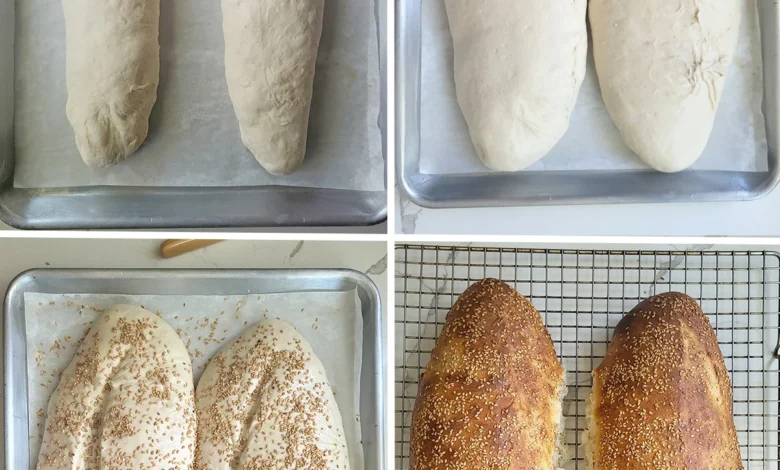
The resurgence of artisanal baking in the 2020s has brought renewed attention to traditional fermentation techniques, specifically the revival of sourdough as a preferred method for crafting classic Italian-style breads. Unlike conventional loaves leavened with commercial active dry yeast, which rely on rapid carbon dioxide production, sourdough Italian bread utilizes a symbiotic culture of wild yeast and lactic acid bacteria. This biochemical process, known as long-form fermentation, alters the structural integrity of the gluten network and enhances the final organoleptic properties—specifically the signature tang and the preservation of the crumb’s moisture.
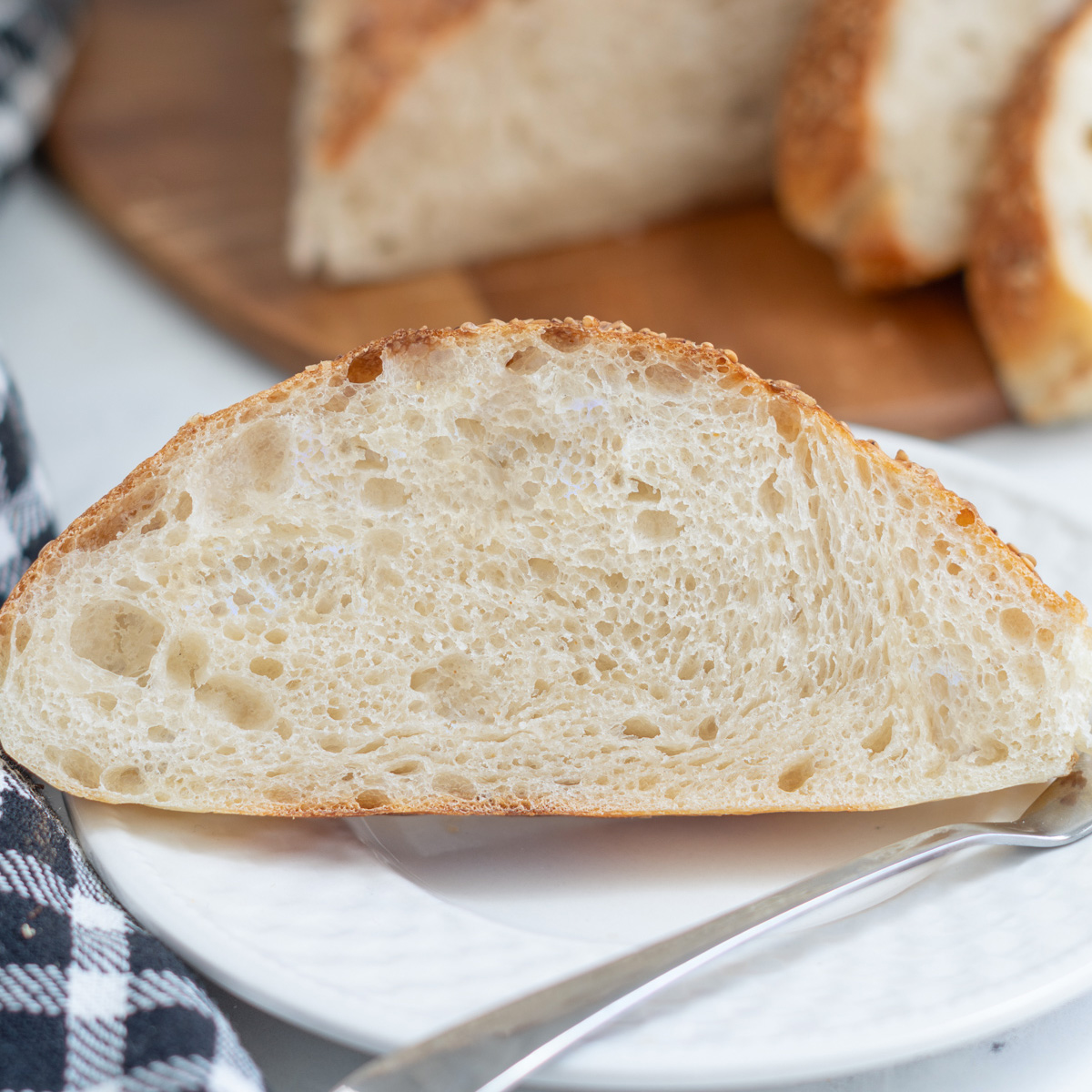
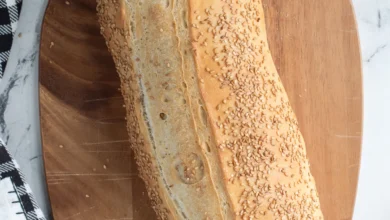
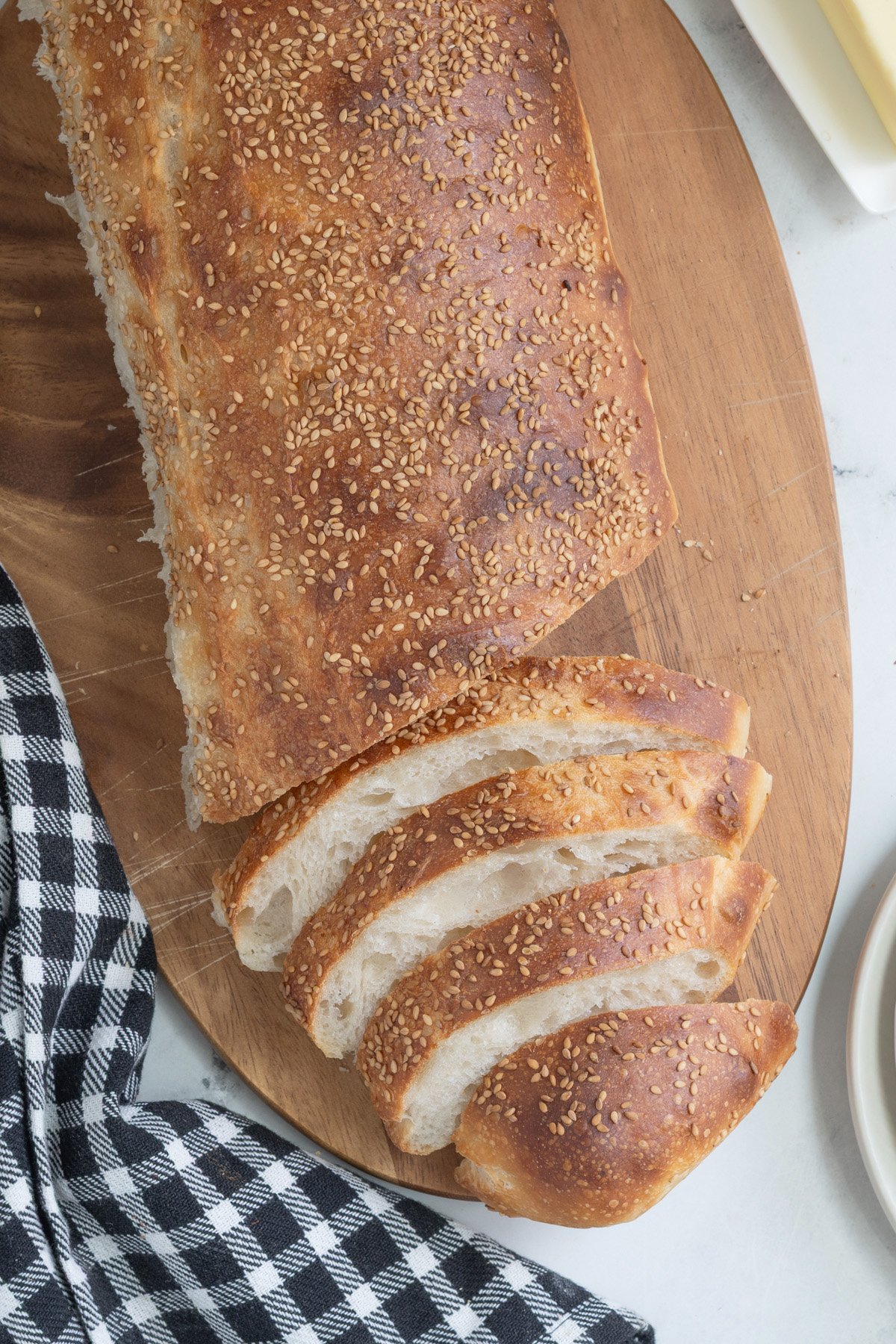
For many home bakers and culinary enthusiasts, the goal is to replicate the specific morphology of the traditional torpedo-shaped loaf: a bread characterized by a robust, mahogany-hued, crackly exterior and an airy, open interior. Achieving this standard requires a transition from the fast-paced, high-yeast baking common in modern supermarkets toward a method that prioritizes patience and environmental control.
The Science of Fermentation and Texture
At the heart of the sourdough process is the sourdough starter—a fermented mixture of flour and water that acts as the biological engine of the loaf. When this starter is introduced to the dough, it begins the enzymatic breakdown of starches into simple sugars. This provides the wild yeast with food to create carbon dioxide, which causes the dough to rise, while the lactic acid bacteria produce acetic and lactic acids.
These organic acids do more than provide flavor; they actively strengthen the protein structure of the dough. Recent studies in food chemistry suggest that the slow fermentation process inherent in sourdough production can make nutrients more bioavailable and lower the glycemic index of the bread compared to loaves produced through quick-rise methods. For the Italian-style loaf, this slow rise is critical. A loaf that is rushed will lack the complex flavor profile and the characteristic light, aerated "open crumb" that distinguishes high-quality artisan bread from standard mass-produced rolls.
Chronological Breakdown of the Baking Process
The production of a professional-grade sourdough loaf is a multi-stage operation that typically spans approximately 14 hours.
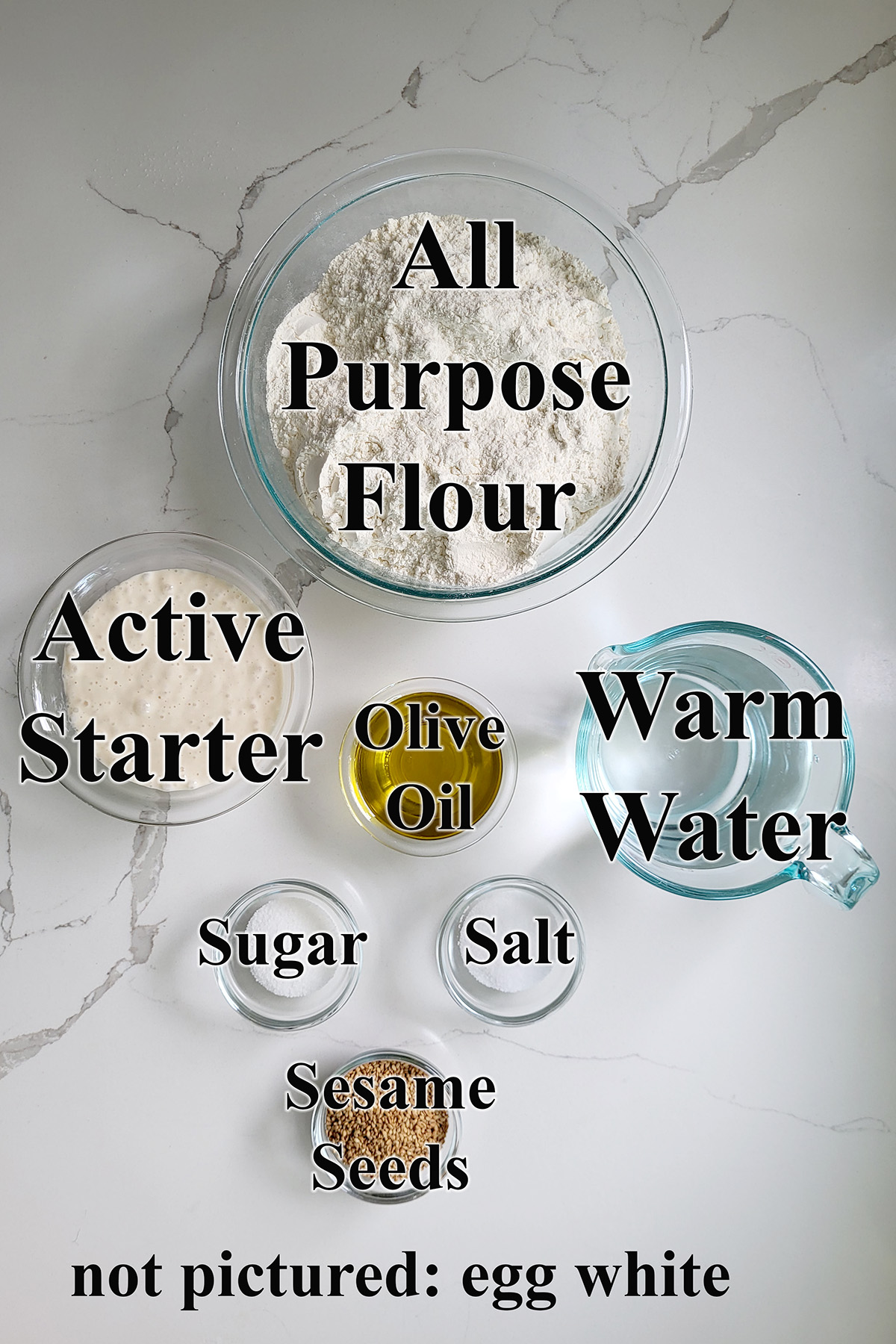
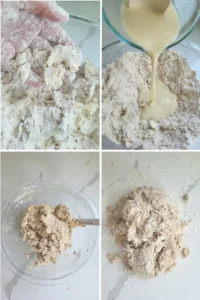
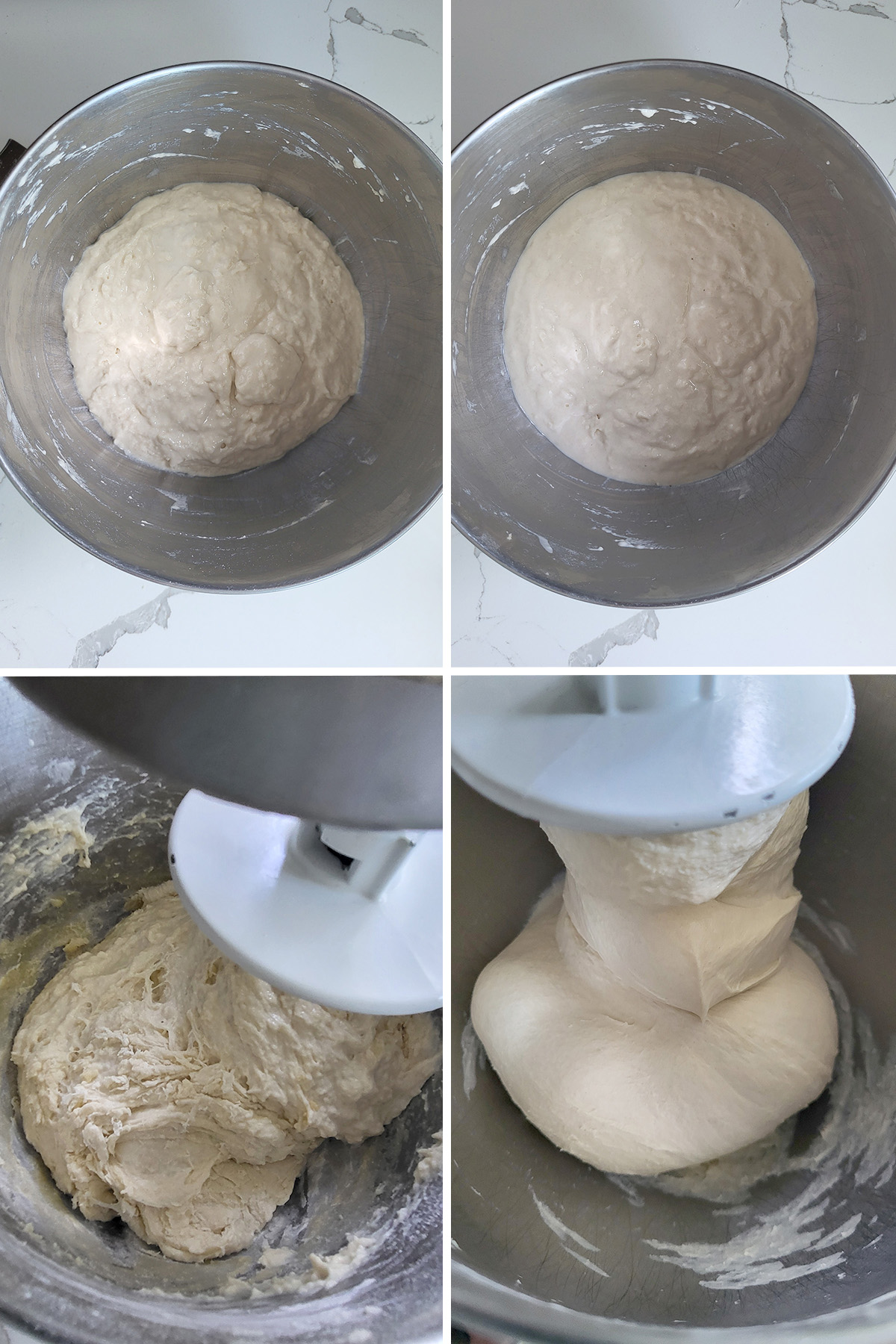
- The Mixing Phase (0-2 hours): The process begins with the integration of the sourdough starter, water, and bread flour. Following the initial mix, the dough undergoes a resting period, often referred to as an autolyse, which allows the flour to hydrate fully and the gluten strands to begin organizing before the addition of salt.
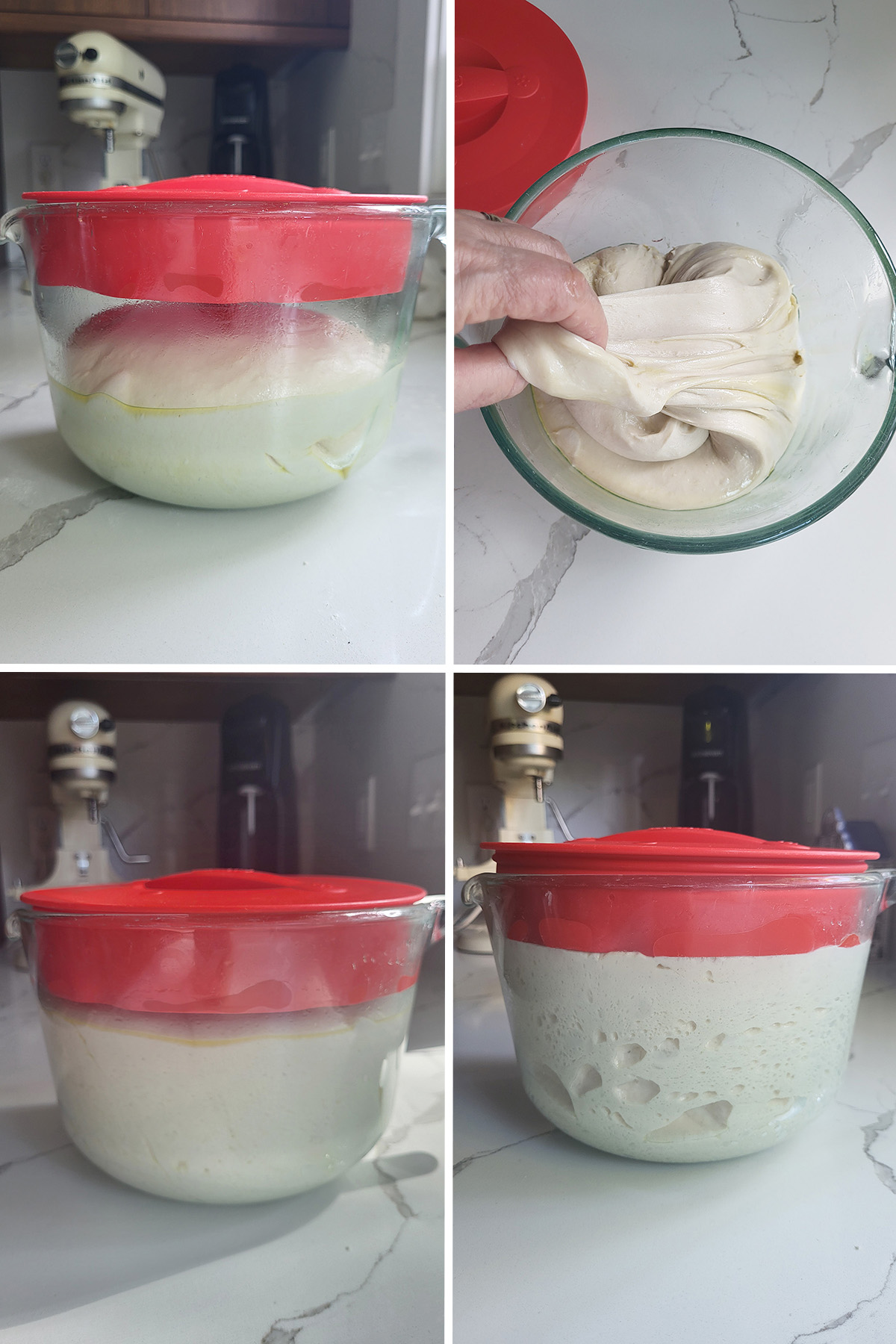
- Bulk Fermentation (2-12 hours): This is the most critical stage for flavor development. During this period, the dough is kept at a controlled ambient temperature. Bakers often perform a series of "folds" to redistribute the yeast and strengthen the dough without the need for aggressive mechanical kneading.
- The Cold Retardation (Optional but Recommended): Many professional bakers utilize a 12-hour overnight chill in a refrigerator. This step, known as retarding, slows the yeast activity while allowing the bacteria to continue producing flavor-enhancing acids. It also firms the dough, making it easier to score and handle before baking.
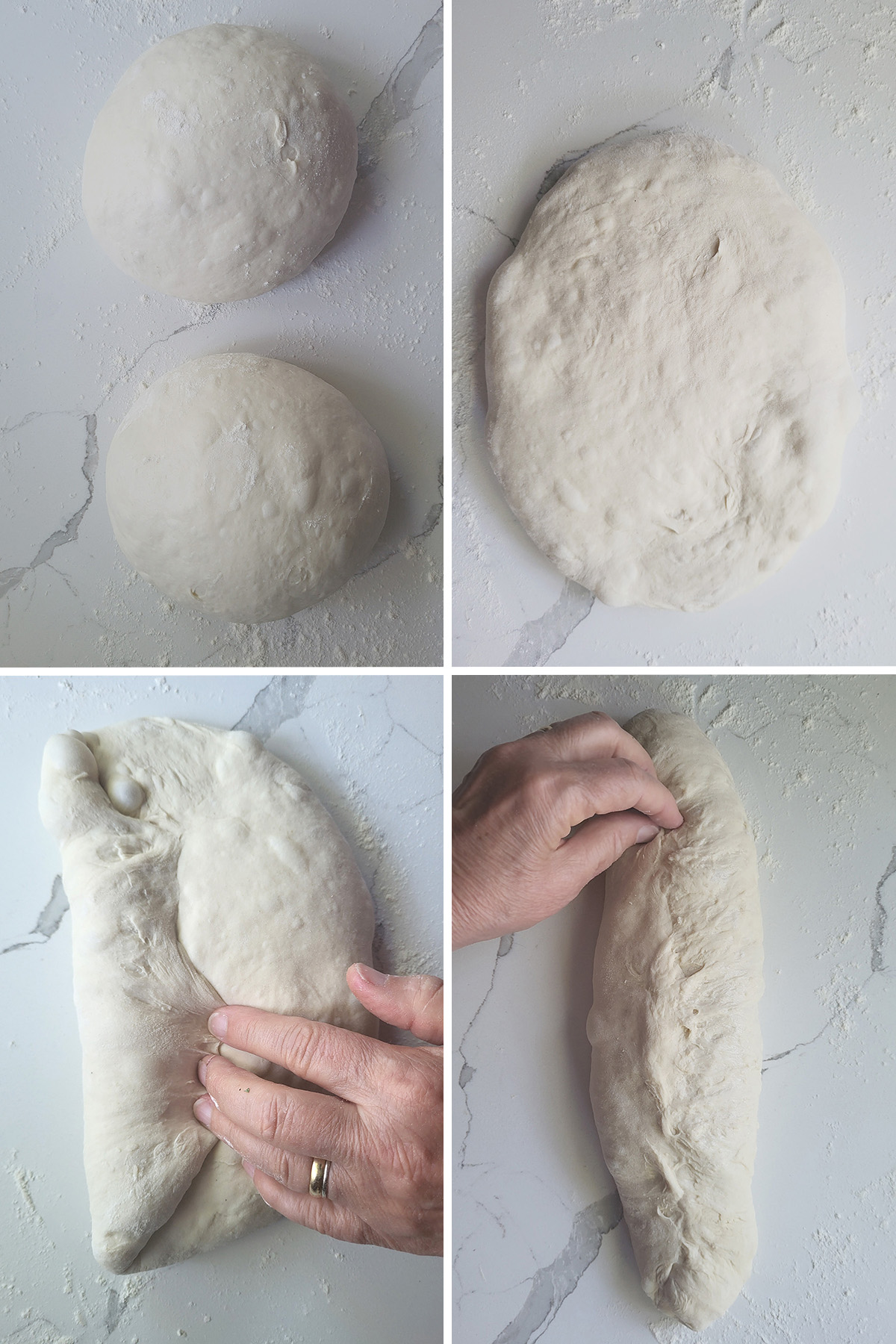
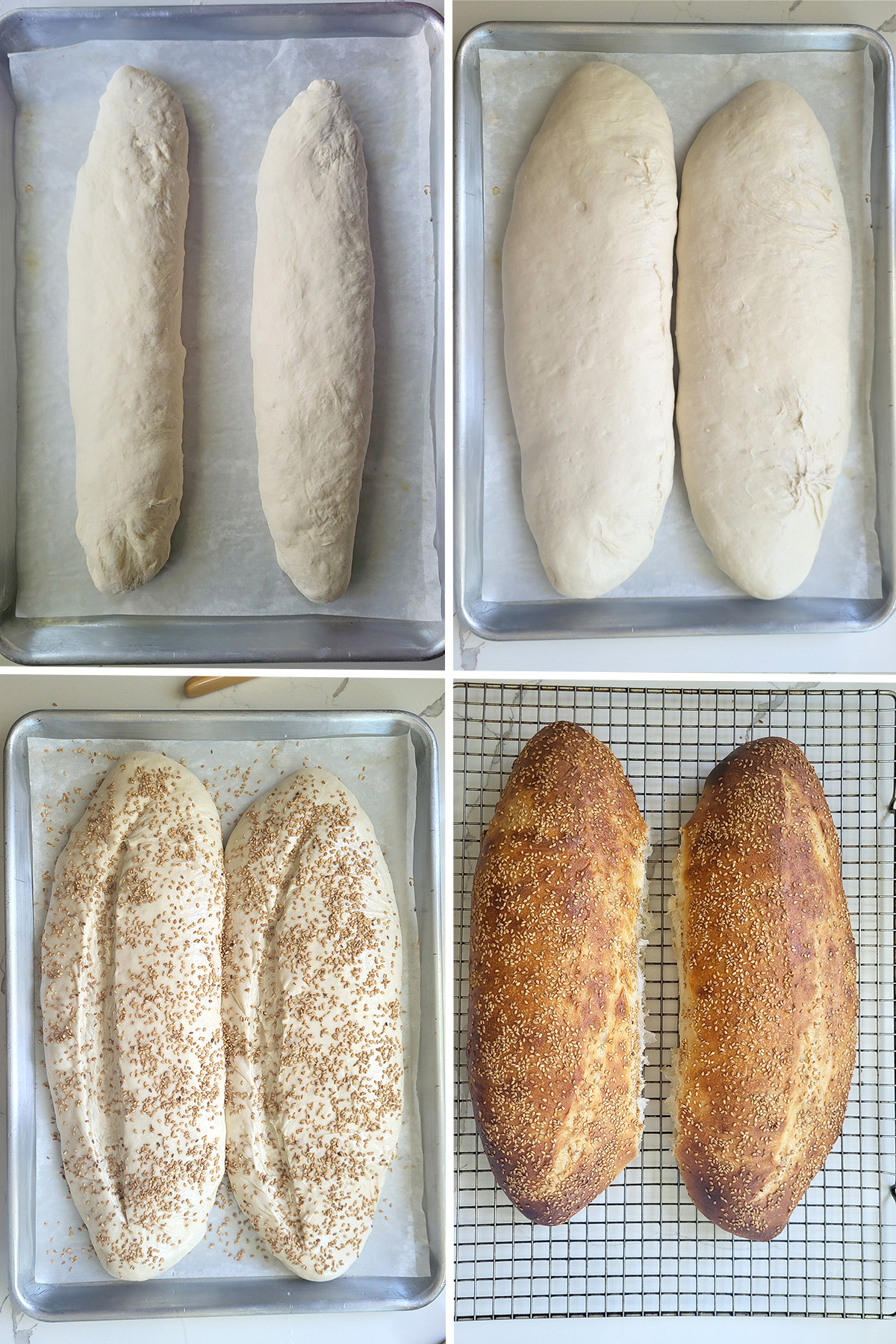
- Shaping and Final Proof (12-13.5 hours): The dough is divided and shaped into the traditional elongated "torpedo" or batard form. The tension applied during shaping is what dictates the rise of the bread in the oven.
- The Bake (13.5-14 hours): Baking at high temperatures—typically 425°F to 450°F—is essential. The use of steam in the early stages of the bake allows the loaf to expand fully before the crust sets, resulting in the desired thin, crackly surface.
Industry Standards and Measuring Techniques
One of the most persistent challenges in home baking is the discrepancy between volume-based and weight-based measurements. Professional kitchens strictly adhere to the metric system, weighing ingredients in grams. This is because flour density can vary by as much as 20% depending on how it is packed into a measuring cup.
For those attempting to replicate high-end results at home, industry experts recommend the "dip and sweep" method if a scale is unavailable, though they emphasize that precision is the primary factor in achieving consistency. According to data from culinary research databases, a standard Italian sourdough loaf contains approximately 104 kilocalories per slice, with a protein content of roughly 2 grams. The sodium content is generally monitored to remain around 220mg per serving, though this can be adjusted depending on the baker’s preference for salt levels in the crust.
Socio-Cultural Context of Italian Bread
The "torpedo" shape referenced by regional bakers in areas like Central New Jersey or traditional Italian-American enclaves is a distinct cultural marker. It sits between the thin, crusty French baguette and the softer, more pillowy loaves found in other Mediterranean regions. Historically, this bread was a staple of the working class, designed to be durable enough to last for several days, yet tender enough to accompany "red gravy" (tomato-based sauces) during evening meals.
Modern adaptations of this bread have expanded its utility. Beyond its traditional role as a dinner accompaniment, the loaf is increasingly used as a base for robust sandwiches, such as those featuring roasted pork, broccoli rabe, or sharp provolone cheese. The structural strength of the sourdough crust, paired with a soft interior, allows the bread to withstand the weight and moisture of hearty sandwich ingredients without collapsing.
Expert Insights and Troubleshooting
The transition from amateur to proficient sourdough baking often involves navigating several common failure points. The most frequent issue reported by new bakers is a "gummy" interior, which is usually the result of slicing the loaf while it is still cooling. Bread is technically still cooking through residual heat as it cools; cutting into it too early releases moisture as steam, ruining the texture.
Bakers are also advised to utilize the "Sourdough Hub" resources often found in professional baking schools to troubleshoot fermentation issues. If a kitchen is too cold, the fermentation will stall, leading to a dense loaf. Conversely, if the temperature is too high, the yeast will over-process the sugars, resulting in a bread that loses its structural integrity.
Broader Economic and Nutritional Implications
The trend toward sourdough is part of a larger shift in consumer behavior toward "slow food." There is a documented increase in the sale of kitchen scales, Dutch ovens, and high-protein bread flours, suggesting that consumers are increasingly valuing the transparency of home-produced goods over the ultra-processed options found in convenience stores.
From a nutritional standpoint, the sourdough process offers distinct advantages. The lactic acid bacteria present in the fermentation process help to neutralize phytic acid, an "anti-nutrient" found in wheat that can interfere with mineral absorption. By extending the fermentation time, the bread becomes not only more flavorful but arguably more digestible for individuals with mild sensitivities to non-fermented wheat products.
Conclusion: The Future of Home Baking
As the culinary world continues to embrace the intersection of tradition and science, the sourdough Italian bread remains a cornerstone of the home kitchen. It represents a synthesis of chemistry, patience, and history. Whether being used as a vessel for savory ingredients or enjoyed simply with butter, the loaf remains a testament to the fact that minimal ingredients—flour, water, salt, and time—can yield a product of significant depth and character.
For those looking to transition from commercial yeast to a sourdough culture, the path is well-documented. By adhering to weight-based measurements, controlling the fermentation environment, and respecting the necessary cooling times, any home baker can produce a loaf that rivals the quality of artisanal bakeries. The resurgence of this craft is not merely a passing trend, but a return to the foundational techniques that have defined European baking for centuries.