The intersection of viticulture and culinary arts has long established the pairing of wine and red meat as a foundational pillar of gastronomic exploration. As consumer interest in artisanal foods and curated dining experiences continues to expand globally, understanding the precise chemical and textural interactions between specific cuts of beef and varietal red wines has evolved from a culinary preference into a refined science. Market research within the hospitality sector indicates a steady 14 percent year-on-year increase in premium wine sales paired specifically with beef entrees across upscale and casual-fine dining establishments. This guide examines the fundamental principles governing these pairings, analyzing the structural attributes of various cuts of beef—ranging from lean tenderloins to heavily marbled ribeyes—and detailing the specific chemical properties of red wines required to complement, contrast, or elevate each dish.
Fundamental Principles of Protein and Tannin Mechanics
At the core of any successful beef and wine pairing lies the interplay between fat, protein, and wine structure, specifically acidity, alcohol, and tannins. Tannins, which are naturally occurring polyphenols found in grape skins, seeds, and stems, bind to proteins and lipids in the human palate. When a high-tannin wine is consumed alongside a rich, heavily marbled cut of beef, the lipids in the meat coat the tongue, softening the perception of astringency in the wine. Simultaneously, the tannins scrub the palate, cleansing the residual fat and preparing the taste buds for the next bite.

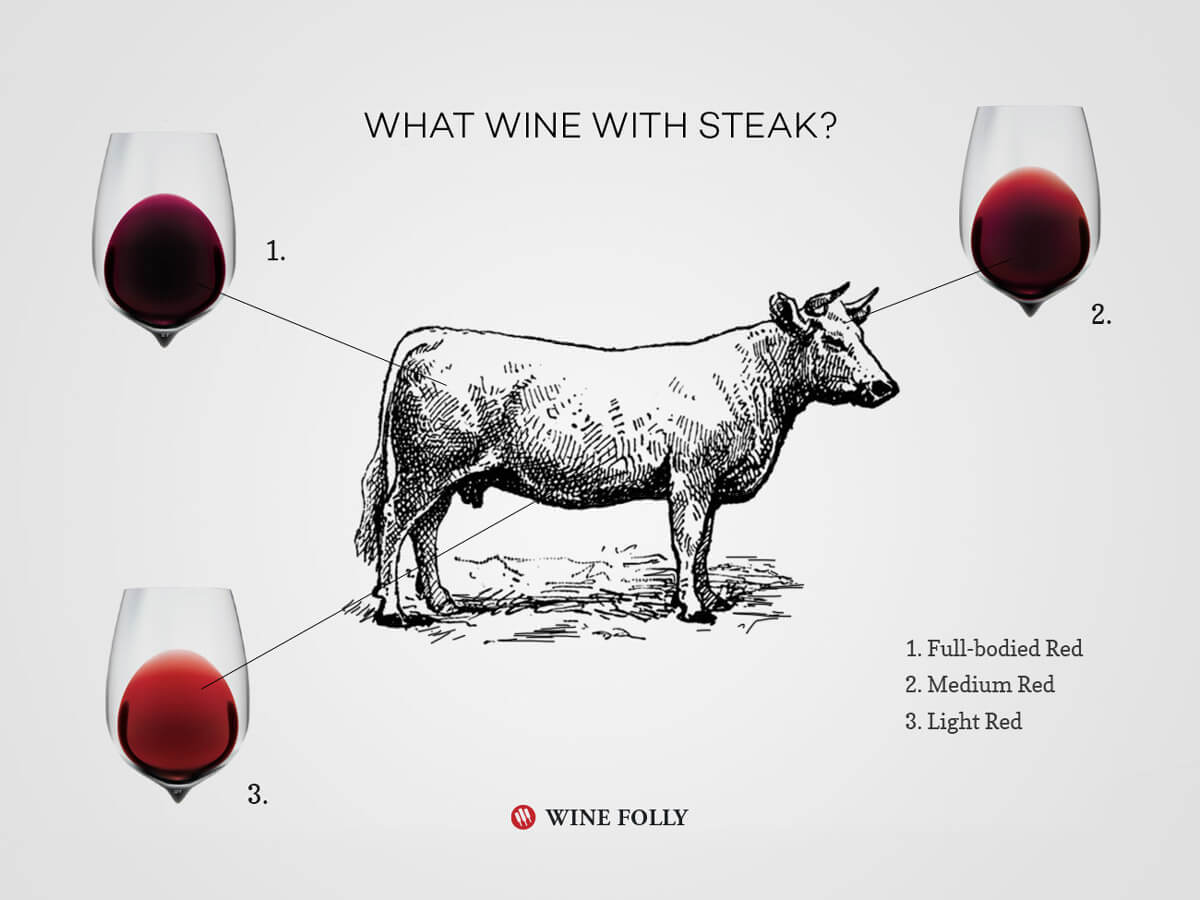
Conversely, leaner cuts of meat lack the abundant intramuscular fat necessary to neutralize aggressive tannins. Pairing a highly tannic wine, such as a young Cabernet Sauvignon, with a lean cut like a filet mignon often results in a metallic taste and a perception of excessive dryness, as there are insufficient lipids to temper the structural grip of the wine. Consequently, culinary professionals and sommeliers adhere to a foundational rule of thumb: leaner cuts necessitate lighter-bodied, lower-tannin wines with vibrant acidity, whereas richer, high-fat cuts require robust, high-tannin counterparts capable of cutting through the richness.
Sirloin: Versatility and Structural Balance
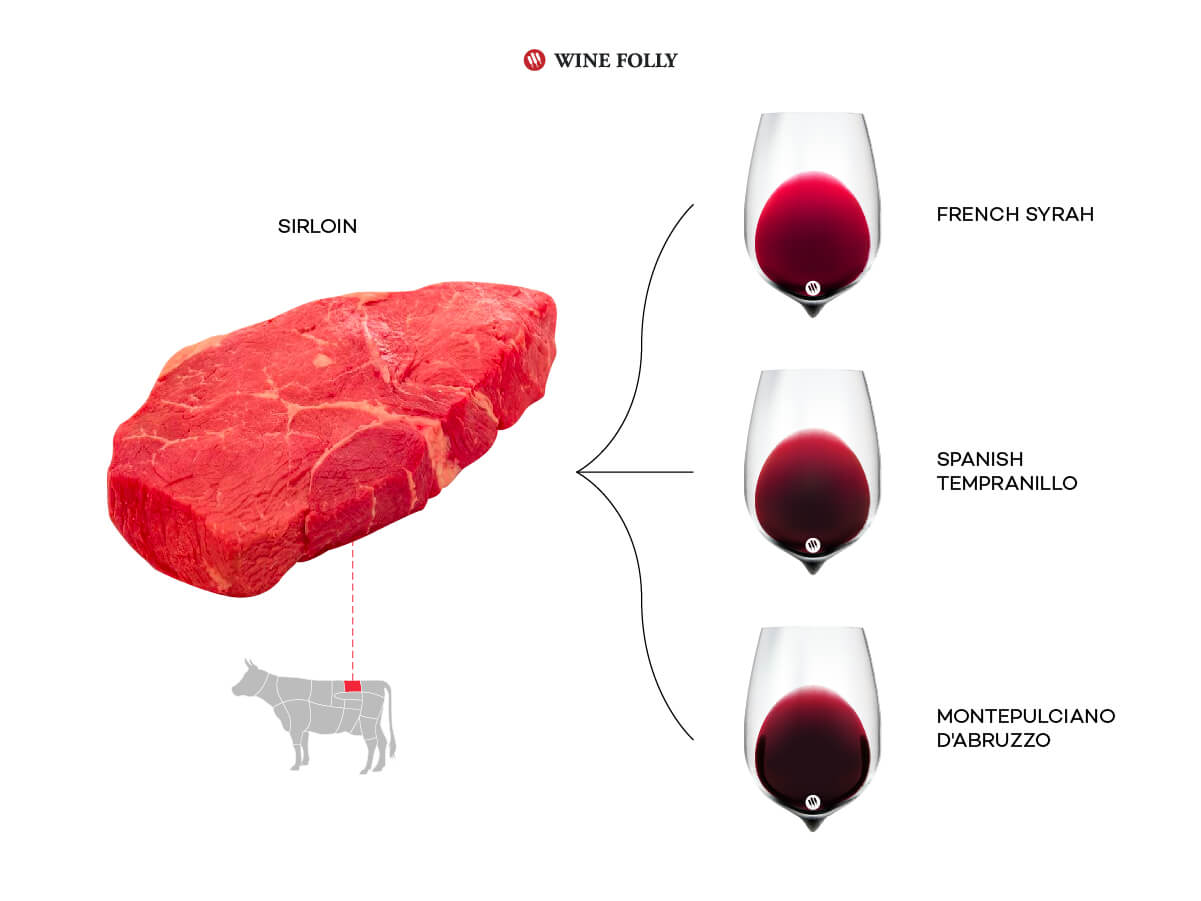
The sirloin remains one of the most widely consumed cuts in contemporary households and restaurant menus alike, prized for its balance between robust beef flavor and moderate fat marbling. Typically featuring a distinct strip of external fat, the sirloin adapts exceptionally well to various cooking methodologies, including dry-heat grilling, broiling, and pan-searing. Because sirloin can be prepared with an array of spice rubs, marinades, or pan sauces, selecting a complementary wine requires an understanding of both the meat’s baseline texture and the secondary flavor compounds introduced during cooking.
Industry data from culinary institutes highlights that sirloin accounts for nearly 30 percent of all home-cooked steak meals. To match its medium-bodied profile, pairing strategies generally focus on versatile red wines that offer moderate acidity and approachable tannins. Options such as a classic Merlot, a medium-bodied Garnacha, or an earthy Chianti Classico provide sufficient fruit concentration to match the savory character of the beef without overwhelming its natural lean-to-fat ratio. If the sirloin is prepared with heavy peppercorns or a mushroom reduction, shifting toward a slightly more structured Syrah or a cool-climate Cabernet Franc can bridge the gap between the savory sauce and the underlying protein.
Ribeye and Bone-In Cuts: Managing Richness Through Tannin and Acid
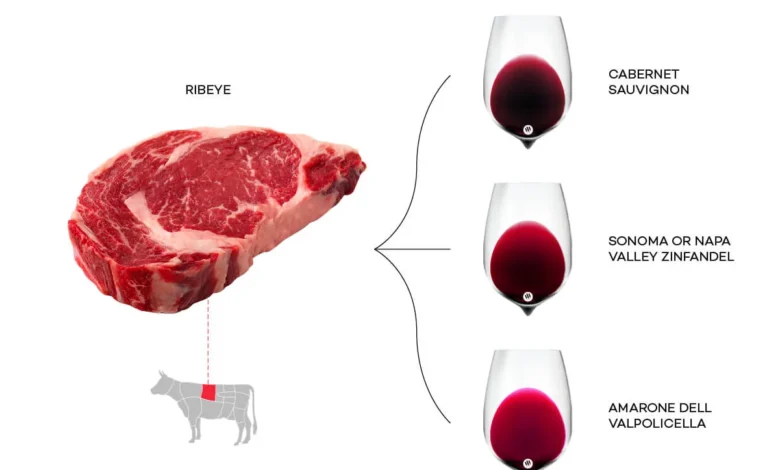
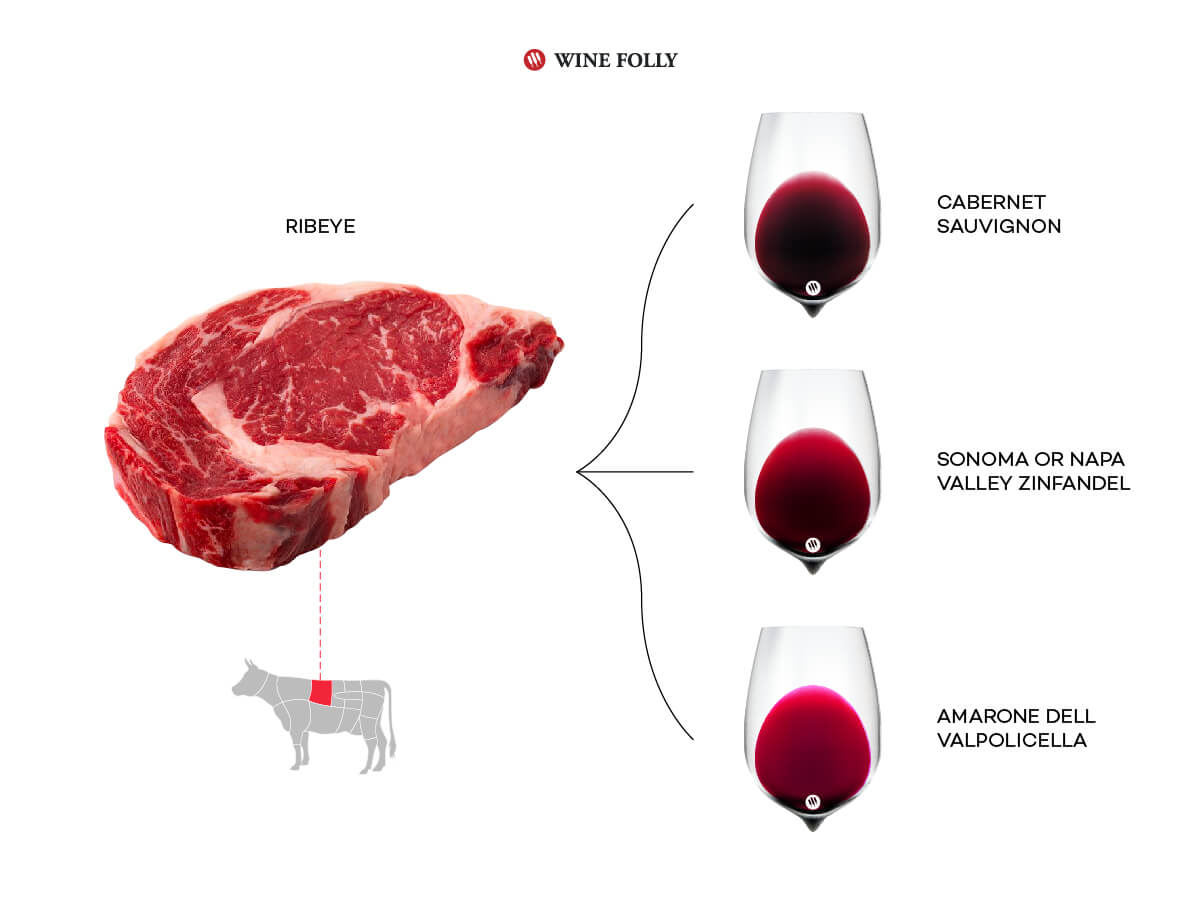
Representing the pinnacle of rich, indulgent steak experiences, the ribeye and its bone-in counterpart are defined by extensive intramuscular fat marbling—commonly referred to as "the fat of the land." This high fat content melts during the cooking process, imparting a buttery texture and intense umami flavor that demands significant structural support from its accompanying beverage. Bone-in ribeyes add an additional layer of complexity, as the bone marrow releases savory compounds during cooking, further intensifying the richness of the meat.
Nutritional and culinary analyses indicate that ribeye cuts can contain up to double the lipid content found in leaner cuts such as the tenderloin. To successfully counterbalance this density, wine selections must feature either high levels of astringent tannins or intense, concentrated fruit profiles that provide a contrasting flavor dynamic. Classic pairings for ribeye include full-bodied Cabernet Sauvignon, Barolo, or bold Australian Shiraz. The high acidity and firm tannins present in these varietals act as a palate cleanser, slicing through the heavy lipid coating and refreshing the palate between bites, thereby preventing palate fatigue over the course of the meal.
Porterhouse and T-Bone: Navigating Dual-Texture Profiles
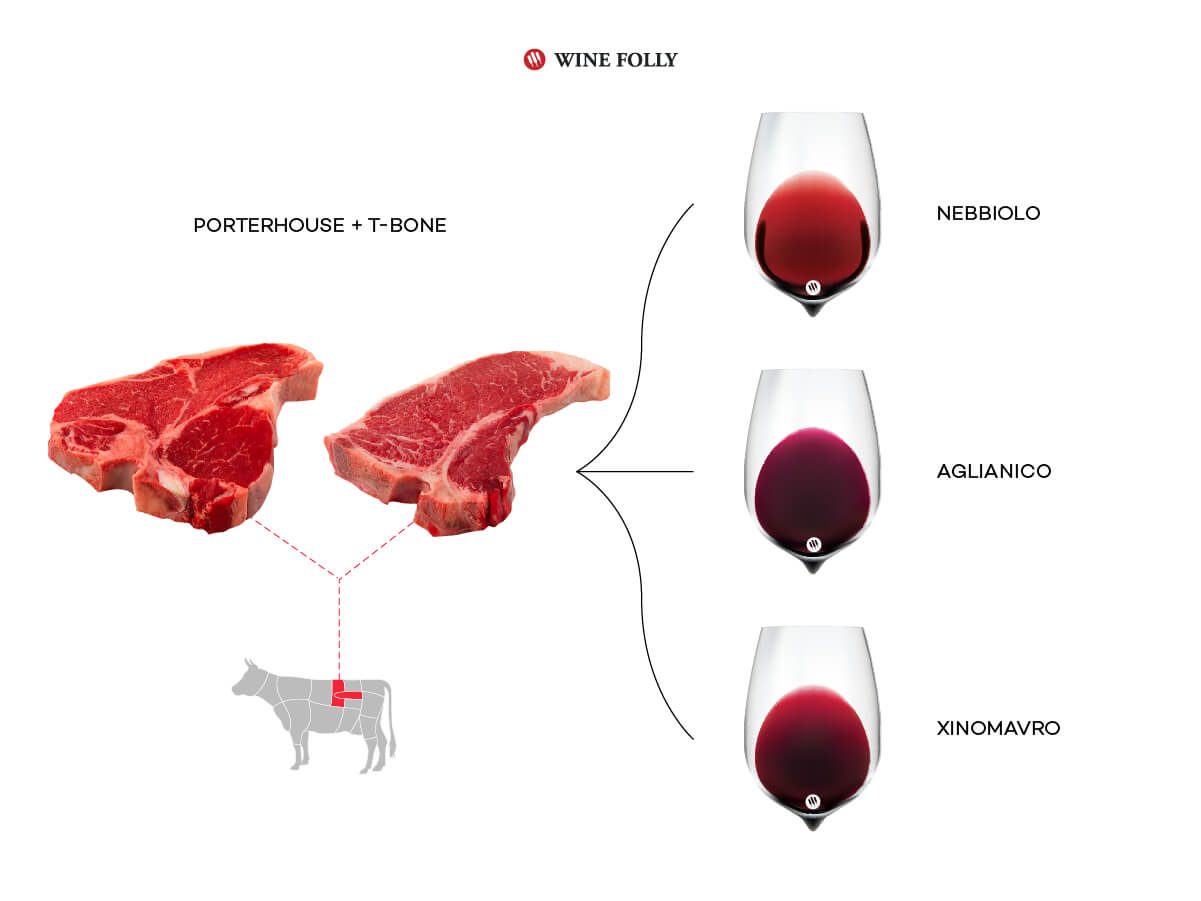
The Porterhouse and the T-Bone offer a unique culinary paradox: a single cut of meat divided by a T-shaped lumbar vertebra, separating a tender, delicate filet on one side from a firmer, highly flavorful strip steak on the other. This duality presents a unique challenge for wine pairing, as diners alternate between two distinct textures and flavor concentrations within the same meal.
Historical butchery records trace these cuts back to 19th-century New York steak tradition, where they quickly became a symbol of hearty, no-nonsense dining. Because the meat combines the lean, delicate nature of the tenderloin with the robust grain of the strip, the ideal wine must straddle the line between elegance and power. Medium-to-full-bodied red wines with expressive aromatics and balanced structure—such as a refined Bordeaux blend, a velvety Super Tuscan, or a well-balanced Malbec—prove exceptionally well-suited. These wines possess enough fruit weight to complement the strip side while maintaining sufficient grace to avoid overpowering the subtle nuances of the filet.
Filet Mignon: Preserving Subtlety and Elegance
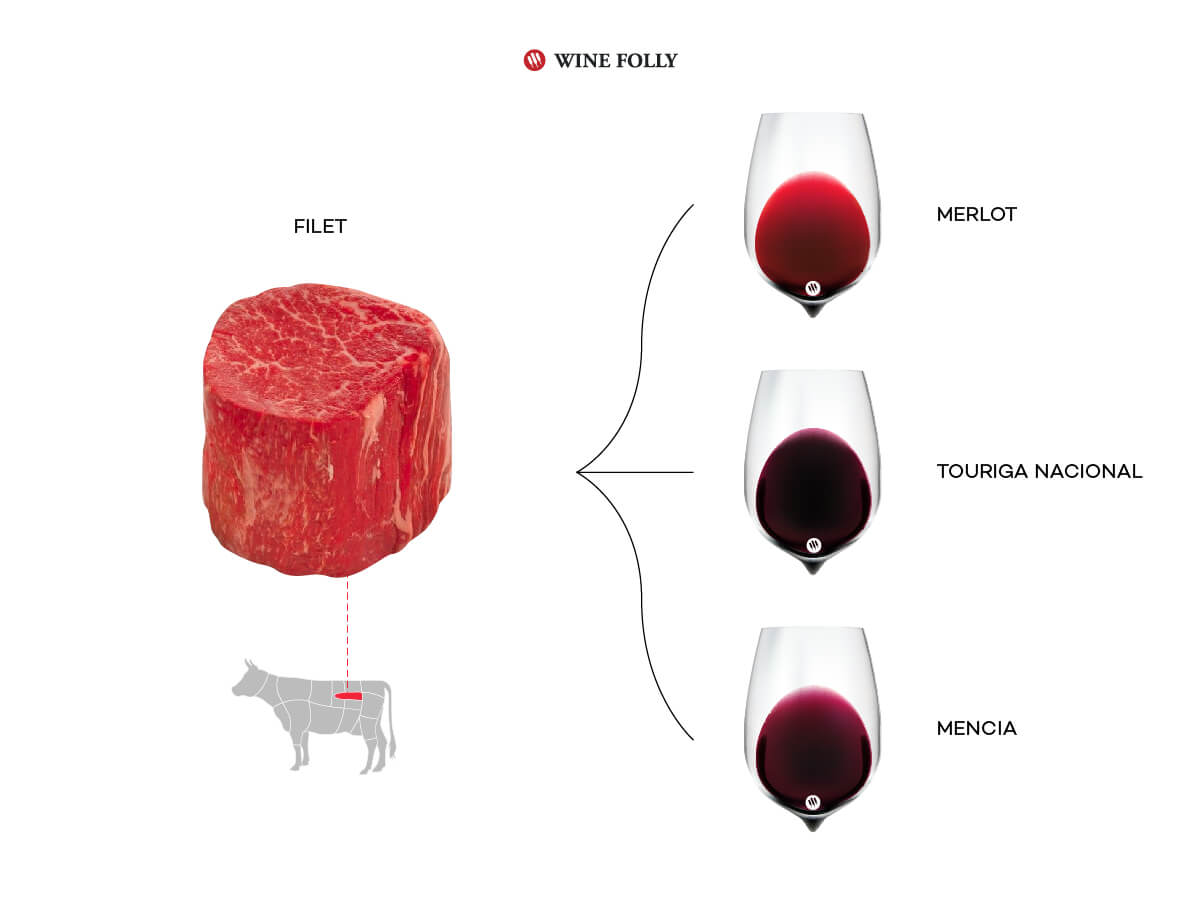
Renowned globally as the premier cut of beef, the filet mignon is harvested from the tender Psoas major muscle, which does little physical work during the animal’s life. This lack of exertion results in a cut that is extraordinarily tender and lean, though traditionally milder in overt beef flavor compared to working muscles like the chuck or round. Frequently prepared via high-heat pan-searing followed by butter-basting, the filet mignon relies heavily on its melt-in-the-mouth texture rather than heavy fat content to deliver a luxurious dining experience.
Because of its delicate flavor profile, pairing a heavy, aggressively tannic wine with a filet mignon is a common culinary misstep that risks masking the subtle qualities of the meat. Culinary experts advise selecting elegant, lower-tannin red wines that offer complementary red-fruit notes and refined acidity. Pinot Noir, aged Tempranillo, or a restrained Northern Italian Nebbiolo function harmoniously in this context. These wines provide a silky texture and nuanced secondary aromas of earth, spice, and red berries that enhance the natural flavors of the beef without dominating the palate.
Strip Steak: Structural Grain and High Flavor Intensity
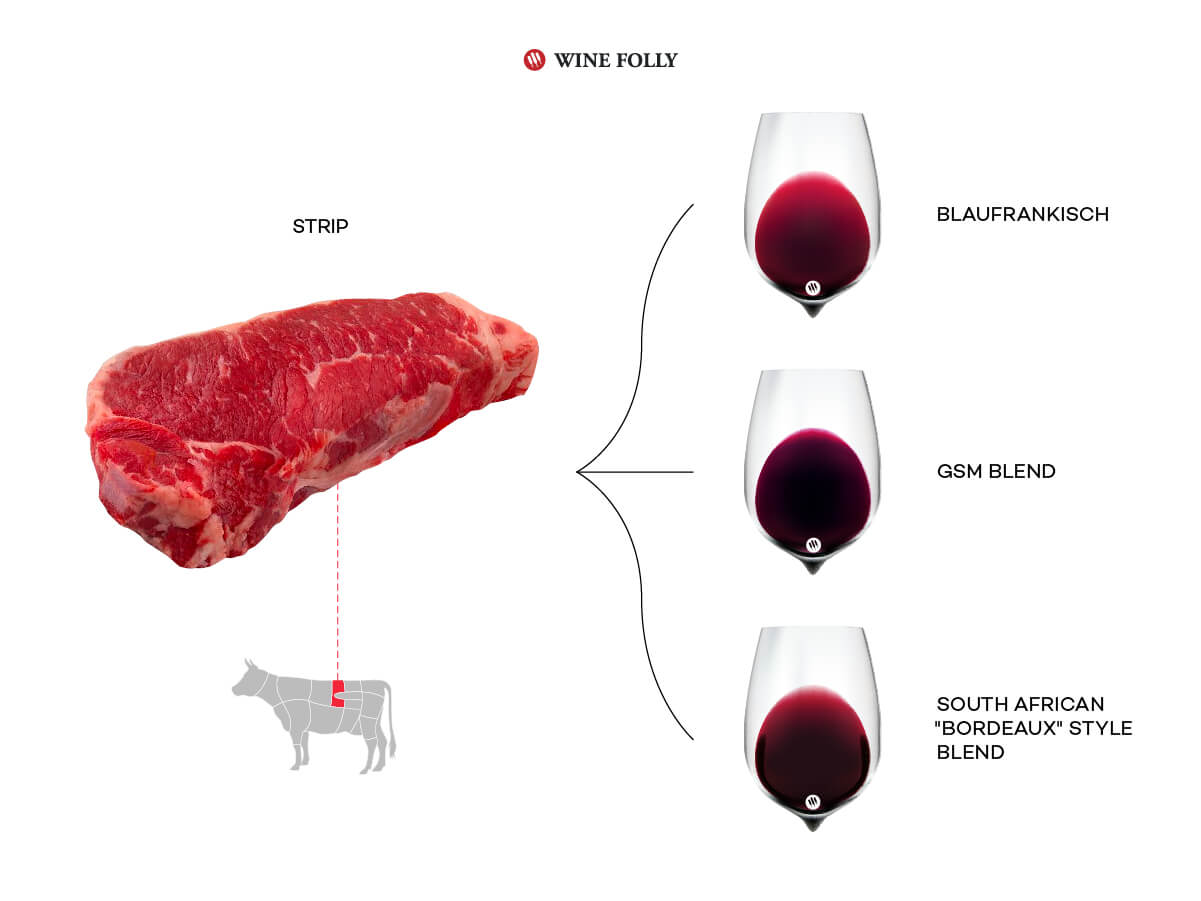
Known by a variety of regional designations—including New York Strip, shell steak, and Kansas City strip—the strip steak is harvested from the short loin section of the steer. It features a pronounced grain and a distinct strip of fat along one edge, contributing to a deeply savory flavor profile and a firmer bite than the tenderloin. The presence of connective tissue and well-distributed intramuscular fat requires a cooking method that renders the fat effectively, such as cast-iron pan-searing with continuous butter basting followed by an adequate resting period.
From a gastronomic perspective, the strip steak demands a wine that can simultaneously match the beef’s intense flavor and cut through its rich edge fat. Zinfandel, Petite Sirah, and robust Chilean Cabernet Sauvignon are frequently cited by beverage directors as ideal matches. The combination of high alcohol, strong fruit extraction, and firm structure in these wines stands up robustly to the dense protein fibers and savory char developed during high-heat searing.
Rump and Hard-Working Muscle Cuts: Overcoming Firm Textures
Derived from the hindquarters of the animal, the rump steak originates from a hard-working muscle group characterized by lower fat content and denser muscle fibers. While this results in a firmer texture that requires careful preparation—often involving marinades or precise low-temperature cooking techniques—it also yields an exceptionally deep, concentrated beef flavor that appeals to traditionalists.
When pairing wine with rump steak, the primary consideration shifts toward the preparatory methods and sauces utilized in the dish rather than the intrinsic fat content alone. If the cut is marinated in acidic or wine-based reductions, the beverage must harmonize with those introduced flavors. Versatile, fruit-forward reds with approachable acidity, such as a youthful Côtes du Rhône, a bright Blaufränkisch, or an accessible Carmenère, offer the necessary flexibility. These selections support the firm texture of the meat and adapt fluidly to accompanying sauces without creating flavor clashes.
Flank and Skirt: Navigating Lean, Chewy Textures
Flank and skirt steaks are harvested from the abdominal muscles of the steer, presenting a long, visible muscle grain and a lean, highly flavorful profile. Historically popular in Latin American and Asian culinary traditions for preparations like fajitas and stir-fries, these cuts are prone to becoming tough and dry if overcooked. Consequently, culinary standards dictate quick, high-heat cooking methods or prolonged marinades to break down the dense muscle fibers, followed by slicing strictly against the grain to ensure tenderness.
Because these cuts possess a chewy texture and intense beef flavor without an abundance of internal fat, wine pairings must focus on providing juicy fruit character and moderate acidity to enhance mouthfeel. Medium-bodied red wines such as a fruit-forward Nero d’Avola, a vibrant Barbera, or a savory Cabernet Franc bridge the textural gap effectively. These varietals soften the perception of chewiness, transforming a potentially tough cut into a savory and satisfying dining experience.
Brisket and Smoked Meats: Integrating Smoke, Spice, and Char
While brisket is traditionally classified as a cut for prolonged, low-and-slow barbecue rather than a conventional steak, its prominence in modern meat-and-wine pairing discourse warrants detailed examination. Harvested from the breast or lower chest of the beef, brisket is heavily laced with connective tissue and fat, requiring hours of indirect heat and smoke—typically utilizing woods such as hickory, oak, or mesquite—to render the collagen into gelatin and achieve fork-tender results.
The introduction of smoke, dry rubs, and caramelized exterior bark (the "bark") fundamentally alters the chemical profile of the meat, requiring a wine that can interact harmoniously with guaiacol and other smoke-derived aromatic compounds. Sommeliers frequently recommend full-bodied, high-alcohol wines with rich fruit profiles and spicy undertones, such as a bold California Zinfandel, an Argentinian Malbec with extended oak aging, or a structured Syrah from the Rhône Valley. The dark fruit intensity and subtle smokey or peppery notes inherent in these wines mirror and elevate the complex flavors imparted by the smoker, creating a cohesive and deeply satisfying sensory experience.
Broader Economic and Cultural Implications
The sophisticated categorization of beef cuts and their respective wine pairings reflects a broader cultural shift toward intentional consumption and culinary education among modern consumers. Market analysis reports from the global food and beverage sector indicate that consumer spending on premium home-dining ingredients, including specialty butcher-cut beef and curated wine selections, has risen steadily over the past decade. This trend is further supported by the proliferation of digital culinary platforms, specialized masterclasses, and direct-to-consumer wine clubs designed to educate the public on the science of flavor profiling.
Ultimately, while established guidelines provide a reliable framework for achieving culinary harmony, the ultimate arbiter of any pairing remains individual palate preference. As the culinary landscape continues to evolve, diners are increasingly encouraged to use foundational pairing principles as a starting point for personal experimentation, ensuring that the intersection of wine and steak remains an accessible, dynamic, and deeply enjoyable aspect of modern gastronomy.