Beyond the Margarita: Reimagining Tequila for the Chilly Months of Autumn and Winter

For decades, the global perception of tequila has been inextricably linked to the heat of the summer season. Whether it is the salt-rimmed, citrus-forward Margarita or the refreshing, high-ball simplicity of the Paloma, tequila has long served as the industry’s premier vehicle for bright, shaken, and ice-cold refreshments. However, as the beverage industry experiences a broader evolution in consumer taste, bartenders and mixologists are increasingly challenging the assumption that agave-based spirits are strictly for warm-weather consumption. By pivoting toward stirred, spirit-forward preparations, the industry is successfully demonstrating that tequila possesses the structural integrity, earthy complexity, and herbaceous depth required to anchor colder-weather, cozy cocktails.
The Shift in Agave Consumption Trends
Data from the Distilled Spirits Council of the United States (DISCUS) has consistently shown that tequila is one of the fastest-growing categories in the spirits sector, often vying with vodka and whiskey for total market share. While premiumization has driven this growth, the traditional reliance on high-acid, citrus-heavy recipes has limited the spirit’s versatility in the eyes of the average consumer. In recent years, a shift has occurred. As craft cocktail programs move toward a year-round approach, the focus has expanded to include stirred drinks—cocktails that rely on the dilution of ice and the integration of modifiers like amari, vermouth, and fortified wines rather than fruit juices.

This shift mirrors the broader "brown spirits" boom, where consumers have sought out more contemplative, slow-sipping beverages during the fall and winter months. By treating tequila with the same reverence historically reserved for rye whiskey or cognac, practitioners are uncovering a vast, untapped potential for agave spirits to stand up to the richer, bolder flavors associated with winter drinking.
Chronology of the Tequila Evolution
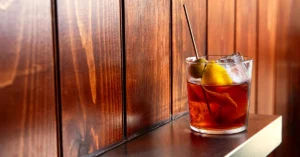
The transition of tequila from a party spirit to a sophisticated base for stirred cocktails did not happen overnight. The timeline of this transformation can be traced back to the early 2000s, with the emergence of the Oaxaca Old-Fashioned, created by Phil Ward at the legendary Death & Co in New York City. By substituting tequila and a splash of mezcal for the traditional whiskey, Ward proved that the spirit’s inherent vegetal notes could harmonize perfectly with the sweetness of agave nectar and the bitterness of Angostura bitters.
This moment served as a catalyst for a decade of experimentation. In the mid-2010s, cocktail bars began incorporating European aperitifs and amaros into their agave programs. Recipes such as the Noche Triste, which utilizes the complex, bitter profile of Gran Classico, and the Mexico, ME, which leans into the savory interplay between coffee-flavored spirits and agave, gained traction in high-end establishments. By 2020, the trend had solidified into a permanent fixture of modern cocktail menus, with specialized, stirred riffs on classic templates—like the Grasshopper and the 20th Century—becoming standard practice in discerning bars.

Analyzing the Flavor Profile: Why It Works
From a technical standpoint, the efficacy of tequila in stirred cocktails relies on its chemical composition. Unlike vodka, which is largely neutral, or gin, which relies on botanical infusion, tequila is defined by the terroir of the agave plant. Tequila, particularly reposado or añejo expressions, offers notes of roasted agave, vanilla, caramel, and wood spice when aged. These profiles provide a robust backbone that is not easily masked by heavy modifiers.
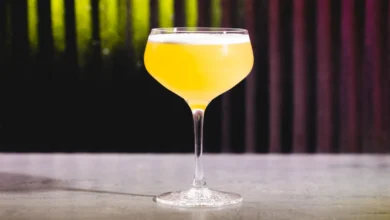
When combined with ingredients like yellow Chartreuse, crème de cacao, or dry sherry, the spirit acts as a bridge. For instance, the "Golden Phone"—a modern take on the 20th Century cocktail—uses the herbal, honeyed notes of yellow Chartreuse to soften the sharp, spicy edge of a blanco tequila, while the inclusion of crème de cacao adds a creamy, dessert-like finish that is perfectly suited for a winter evening.
Notable Developments in Modern Stirred Tequila Cocktails
Industry professionals point to several key recipes that have become hallmarks of this movement:

- Noche Triste: A masterclass in balance, this drink demonstrates how the inclusion of dry sherry can impart a nuttiness that complements the earthy qualities of tequila, while the bitter modifiers provide a length of flavor that lingers on the palate—a necessary trait for cold-weather sipping.
- The Stone Raft: This variation on the Oaxaca Old-Fashioned introduces spicy elements, often involving chile-infused components or tinctures, which provide a warming sensation that is physically and sensorially appropriate for winter.
- Green Mango Martini: Perhaps the most experimental of the current trends, this preparation uses chile oil. By incorporating a savory, spicy fat-wash or garnish, bartenders are able to mimic the complexity of culinary flavor pairings, bringing a sophisticated, "gourmet" approach to the glass.
Official Industry Reactions and Market Implications
According to industry analysts, the move toward stirred tequila cocktails is not merely a creative whim but a strategic necessity. With tequila consumption rising across all demographic groups, retailers and bar owners are eager to ensure that inventory turnover remains high throughout the winter, a period traditionally dominated by whiskey and dark spirits.
"We are seeing a permanent shift in how consumers view agave spirits," says a representative from a leading trade association. "The narrative has moved from ‘tequila is for margaritas’ to ‘tequila is a versatile base for any season.’ This allows venues to maintain a consistent revenue stream from their highest-selling category regardless of the temperature outside."
The implication for the home bartender is equally significant. With the proliferation of premium tequila brands and the increased availability of specialty modifiers—such as artisanal bitters and regional amaros—the barriers to creating high-quality, stirred cocktails at home have significantly lowered. This democratization of the craft ensures that the "stirred tequila" trend will continue to expand in the coming years.

Broader Impact on the Hospitality Landscape
The rise of winter-ready tequila cocktails has forced a reevaluation of traditional menu structures. Where menus were once divided into "summer" and "winter" sections, the contemporary approach is to offer a cohesive, seasonally fluid list that emphasizes the method of preparation—shaken versus stirred—rather than the base spirit. This has allowed for greater flexibility in staffing and training, as bartenders are no longer required to memorize seasonal menu shifts that render their tequila skills obsolete for six months of the year.
Furthermore, the environmental and economic impact of this trend cannot be ignored. By promoting the use of tequila in stirred, spirit-forward drinks, the industry is encouraging a more measured, thoughtful consumption of the product. These drinks, which often have a higher ABV and a more intense flavor profile, are designed to be sipped slowly, aligning with modern consumer trends toward "quality over quantity."
As we look toward the future, the integration of tequila into the winter cocktail canon represents a maturation of the beverage industry. It acknowledges that spirit-based cocktails are dynamic, historical, and deeply tied to the environment, yet flexible enough to be reimagined through the lens of modern mixology. The next time the temperature drops, the most appropriate choice for a sophisticated evening may not be a glass of Scotch or a hot toddy, but a carefully stirred, spirit-forward tequila cocktail that honors the complexity of the agave plant.