Beyond the Equal Parts: A Comprehensive Exploration of the Negroni’s Global Evolution

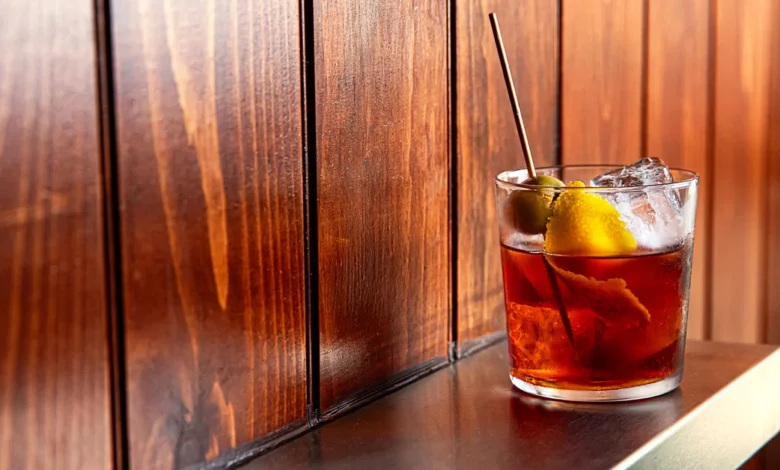
The Negroni, a cornerstone of the global aperitivo culture, has transcended its origins as a simple Italian cocktail to become a foundational template in modern mixology. Traditionally composed of equal parts gin, sweet vermouth, and Campari, the drink has achieved a near-mythic status, frequently cited as the "kale of cocktails" due to its ubiquity on bar menus worldwide. While the classic preparation remains a benchmark for bartenders, the past decade has seen an explosion of creative adaptations. From the smoky depth of mezcal-based variations to the whimsical inclusion of root beer, the Negroni has proven itself to be one of the most resilient and versatile structures in the history of liquid craft.

A Historical Foundation: The Birth of an Icon
To understand the current state of the Negroni, one must first look at its origins, which are as contested as they are legendary. The most widely accepted account traces the drink to 1919 at Caffè Casoni in Florence, Italy. Count Camillo Negroni, a frequent patron, is said to have requested that the bartender replace the soda water in his Americano—a combination of Campari, sweet vermouth, and club soda—with gin, in an effort to provide a stronger, more robust kick. The resulting creation was an immediate success, perfectly balancing the bitter profile of Campari with the botanical complexity of gin and the oxidative sweetness of fortified vermouth.
For much of the 20th century, the drink was a steady staple of Italian bars, but it did not gain international traction until the early 2000s. The cocktail’s rise in the United States and beyond can be attributed to the "cocktail renaissance," a period characterized by a renewed interest in pre-Prohibition recipes and a move away from the hyper-sweet, neon-colored drinks that dominated the 1980s and 1990s. As consumers’ palates matured, the bitter, sophisticated profile of the Negroni became a hallmark of a serious cocktail program.

The Mathematics of the Perfect Pour
The "equal parts" formula—typically 1 ounce of each ingredient—is the backbone of the Negroni, but it is also the primary site of modern innovation. Data from industry analysts suggests that the demand for "low-ABV" and "aperitivo-style" drinking has driven a surge in Negroni variations that manipulate these ratios. By adjusting the proportions, bartenders can highlight specific flavor notes: increasing the gin creates a more herbaceous, dry profile, while tilting the balance toward the sweet vermouth emphasizes the drink’s spiced, raisinated characteristics.
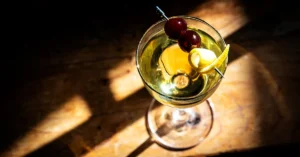
Recent trends have moved beyond mere ratio adjustments, venturing into the territory of ingredient replacement. The "Dirty Negroni," for instance, introduces a splash of olive brine, mirroring the savory profile of a dirty martini. This shift indicates a broader movement in the culinary world toward savory cocktails, where salt and umami are utilized to enhance the botanical qualities of the spirits.

Taxonomy of the Modern Negroni
The evolution of the Negroni can be categorized into several distinct schools of thought, each reflecting a different approach to the classic template.
The Classics and Refined Variations
The most conservative approach involves substituting a single component while maintaining the structural integrity of the original. The "Valentino," which swaps gin for vodka, is perhaps the most famous example. While some purists argue that vodka strips the drink of its complexity, proponents suggest that the neutral spirit allows the bitterness of the Campari and the herbal notes of the vermouth to take center stage.

The Crowd-Pleasers and Botanical Experiments
These riffs often aim to broaden the appeal of the Negroni for those who find the traditional version too bracingly bitter. The use of mezcal, which has become a standard alternative to gin in high-end bars, introduces a smoky, earthy quality that bridges the gap between the bitter aperitif and the world of agave spirits. In some instances, such as the "Negroni Absinthe," a small amount of crème de cacao or absinthe is added to provide a nuanced, aromatic finish that rounds off the sharp edges of the Campari.
The Wildcards: Pushing the Boundaries
The most experimental sector of the Negroni landscape includes drinks like the "Nuked Negroni" and the "Misi’s Negroni Sour." The "Nuked" variation, which utilizes a microwave to expedite the infusion of botanicals, challenges the traditional dogma of slow-stirring and patience. Meanwhile, the "Misi’s Negroni Sour" incorporates egg white and citrus to create a texture more akin to a whiskey sour, effectively turning a sharp, stir-down cocktail into a creamy, shaken experience. These innovations demonstrate a "molecular" approach to the classic, proving that even a three-ingredient drink can sustain significant technical manipulation.

The Impact of the "Negroni Culture"
The rise of the Negroni has had tangible implications for the hospitality industry. Its simplicity makes it an ideal drink for high-volume settings, allowing bartenders to batch the components in advance. This efficiency has made the Negroni a fixture in upscale restaurants, where speed of service is paramount. Furthermore, the cocktail’s popularity has spurred the creation of a global industry of "Negroni Week," a recurring event that sees bars across the world donate portions of their proceeds to charitable causes.
From an economic standpoint, the success of the Negroni has benefited the producers of bitter aperitifs. The demand for Campari and its competitors, such as Aperol or Cappelletti, has seen consistent year-over-year growth. As a result, the market has become saturated with artisan bitters and vermouths, providing bartenders with an unprecedented range of options to tailor their Negroni to specific local tastes.

Looking Toward the Future
The endurance of the Negroni lies in its flexibility. It functions as a "blank canvas" for the bartender, inviting experimentation while remaining instantly recognizable. Whether it is the inclusion of a rice-wash for a creamy mouthfeel in the "Negroni de Nubes" or the playful nostalgia of a "Root Beer Negroni" that channels the flavors of an old-school soda fountain, the drink continues to evolve.
The implications for the future of cocktail culture are clear: the era of strict adherence to classic recipes is being replaced by a more interpretive, creative approach. While the original 1919 recipe will likely never lose its appeal, the ongoing development of the Negroni shows that the drink has successfully transitioned from a static historical artifact into a living, breathing component of modern culinary expression. As consumers continue to seek out drinks that offer both heritage and novelty, the Negroni remains the most reliable vehicle for that exploration. Whether served in a classic rocks glass with a single, clear ice cube or transformed into an effervescent, shaken creation, the Negroni will undoubtedly continue to anchor the world of mixology for generations to come.