Chuleta Valluna: The Cultural and Culinary Significance of Colombia’s Iconic Breaded Pork Cutlet

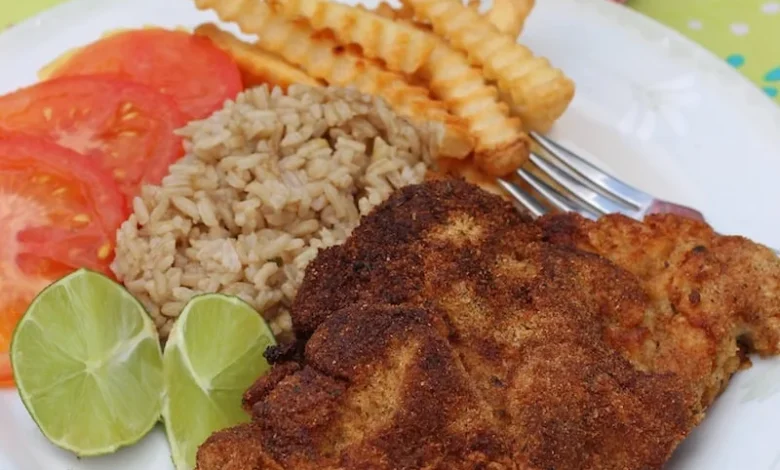
The Chuleta Valluna stands as a cornerstone of Colombian gastronomy, representing not just a regional dish but a historical bridge between the traditions of the Valle del Cauca department and the evolving modern palate of Latin American cuisine. Characterized by its expansive, paper-thin pork loin or leg preparation, the dish is a testament to the intersection of European breading techniques and the vibrant, aromatic flavor profiles endemic to Western Colombia. As one of the most recognizable items on menus in Colombian restaurants both domestically and internationally, the Chuleta Valluna offers a lens through which to view the socio-economic and culinary evolution of the region.

The Origins and Historical Context
The narrative of the Chuleta Valluna is deeply rooted in the mid-20th century, a period marked by significant cultural exchange and urban growth in cities like Cali. Historical accounts frequently trace the popularization of the dish to the late 1950s, specifically to an establishment known as El Bochinche, operated by Fabio Medina and his mother, Doña Ema.
According to culinary archives, the creation of the dish was a response to the need for innovation in a competitive local food market. The legend suggests that a cook hailing from the Pacific coastal city of Buenaventura proposed adapting the breaded fish techniques common to the littoral region to the more readily available pork supplies in the valley. By substituting fish with thin-cut, mallet-tenderized pork loin, the kitchen at El Bochinche effectively created a new standard for local dining. This synthesis of Pacific-influenced preparation and interior agricultural resources defined the "Valluno" culinary identity, cementing the dish as a regional staple that would eventually transcend its humble origins to achieve national acclaim.

Culinary Composition and Preparation Standards
At its core, the Chuleta Valluna is defined by precision and patience. The preparation begins with high-quality pork loin or leg, which is sliced thinly—a process that requires professional skill to ensure uniformity. The meat is subsequently beaten with a mallet, a mechanical step that serves the dual purpose of increasing the surface area of the cutlet and tenderizing the muscle fibers to ensure a consistent, rapid cook time.
The flavor profile is achieved through a rigorous marination process. Traditional preparations involve a complex blend of onions, scallions, garlic, and cumin. Some artisanal variations incorporate grated panela, or unrefined whole cane sugar, to balance the savory notes of the garlic and onion with a subtle sweetness. Culinary experts recommend a minimum of three hours for the marinade to penetrate the meat, though an overnight soak is standard for achieving the depth of flavor associated with authentic renditions.

The final stage of preparation—the "breading" or "empanado"—is the most critical for achieving the characteristic texture. The pork is dredged in flour, dipped in beaten egg, and coated in breadcrumbs. The frying process, conducted in hot oil, is designed to produce a golden-brown crust with delicate, lacy edges. When executed correctly, the contrast between the crispy exterior and the succulent, thin interior remains the gold standard for chefs specializing in the dish.
Nutritional and Economic Impact
From a nutritional perspective, the Chuleta Valluna is a high-protein, energy-dense meal. A single serving provides approximately 42 grams of protein and 512 calories, making it a substantial main course. While the dish is fried, modern culinary practices have emphasized the importance of maintaining an oil temperature of approximately 350°F. When the oil is held at this temperature, the breading forms a barrier that prevents excessive oil absorption, preserving the integrity of the cutlet.

Economically, the Chuleta Valluna serves as a significant driver for the regional restaurant industry in the Valle del Cauca. The ubiquity of the dish has led to the development of a specialized supply chain, involving local pork producers and agricultural suppliers of aromatic herbs and spices. Furthermore, the dish has become a reliable staple for the hospitality sector, providing a predictable revenue stream for both small, family-owned "corrientazo" eateries and high-end dining establishments.
Cultural Implications and Modern Evolution
The Chuleta Valluna is more than a recipe; it is a symbol of regional pride. In the Valle del Cauca, the dish is almost always accompanied by a specific set of sides: white rice, crisp french fries, a fresh garden salad, and slices of lime. Regional variations may include tajadas de plátano (fried plantains), patacones (twice-fried green plantains), yuca, and fresh avocado. This combination is colloquially referred to as a "balanced plate" in local dining culture, offering a comprehensive representation of the agricultural bounty of the valley.

In recent years, the dish has faced challenges regarding modernization and standardization. As culinary globalization trends reach Colombia, some chefs have experimented with fusion techniques or alternative breading materials. However, the consensus among traditionalists remains that the integrity of the dish relies on the adherence to the original, labor-intensive preparation method. This has led to an informal "certification" process among local food critics, where the quality of a restaurant is often judged by the consistency and authenticity of its Chuleta.
Expert Guidelines for Preparation
For home cooks attempting to replicate the dish, professionals offer several key technical recommendations:

- Tenderization: Never skip the mallet. Pounding the meat is essential for the characteristic thinness that distinguishes the Chuleta from standard pork chops.
- Temperature Control: Overcrowding the frying pan is a common error. Adding too many cutlets at once drops the oil temperature, leading to a greasy, heavy result rather than a light, crisp crust.
- Timing: The marinade should never be rushed. While 30 minutes may impart surface flavor, it fails to permeate the meat sufficiently. A minimum of three hours is required for professional-grade results.
- Storage: If preparing in bulk, breading can be completed up to an hour before frying, provided the cutlets are stored on a rack in a refrigerated environment. This prevents the moisture from the meat from softening the breading before it reaches the oil.
Broader Impact and Future Outlook
The endurance of the Chuleta Valluna in the face of changing dietary habits—such as the move toward less fried food—speaks to its cultural resilience. While nutritionists often advise moderation regarding deep-fried items, the dish remains a celebratory meal in Colombian households. Its presence at weddings, birthdays, and national holidays ensures that the culinary traditions associated with the Valle del Cauca continue to be passed down through generations.
Looking ahead, the challenge for the dish lies in sustainability and sourcing. As the pork industry in Colombia continues to modernize, there is a growing demand for locally sourced, high-quality proteins that meet the strict standards required for the perfect Chuleta. Furthermore, as the Colombian diaspora expands, the Chuleta Valluna has become a signature item for international Colombian restaurants, serving as a culinary ambassador for the nation’s culture in cities across North America and Europe.

Ultimately, the Chuleta Valluna remains a masterpiece of simplicity. By combining basic ingredients—pork, aromatics, and breading—with precise technique, it has secured its place as a pillar of Colombian gastronomy. Whether served in a bustling downtown market in Cali or a modern bistro in a global capital, the dish remains a reliable, flavorful, and deeply cultural experience that continues to define the spirit of the Colombian table. Through the preservation of its history and the rigorous maintenance of its preparation standards, the Chuleta Valluna is poised to remain a defining element of the nation’s culinary landscape for the foreseeable future.