Apple Cranberry Crumble Recipe Brings Pacific Northwest Flavors to Fall and Holiday Tables Across the United States

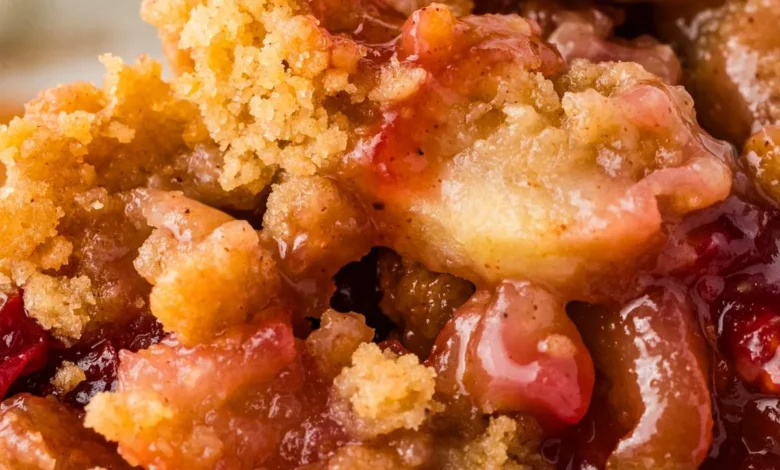
Culinary traditions in the United States often undergo seasonal adaptations, particularly during the autumn and winter holidays when home cooks seek desserts that balance rich warmth with bright, seasonal fruit flavors. A prime example of this evolution is the classic apple cranberry crumble, a comforting dessert that merges the deeply rooted agricultural heritage of the Pacific Northwest with traditional baking techniques. Inspired by regional ingredients, home cooks and culinary professionals alike have embraced this dessert as a staple for Thanksgiving gatherings, winter dinner parties, and casual family meals.
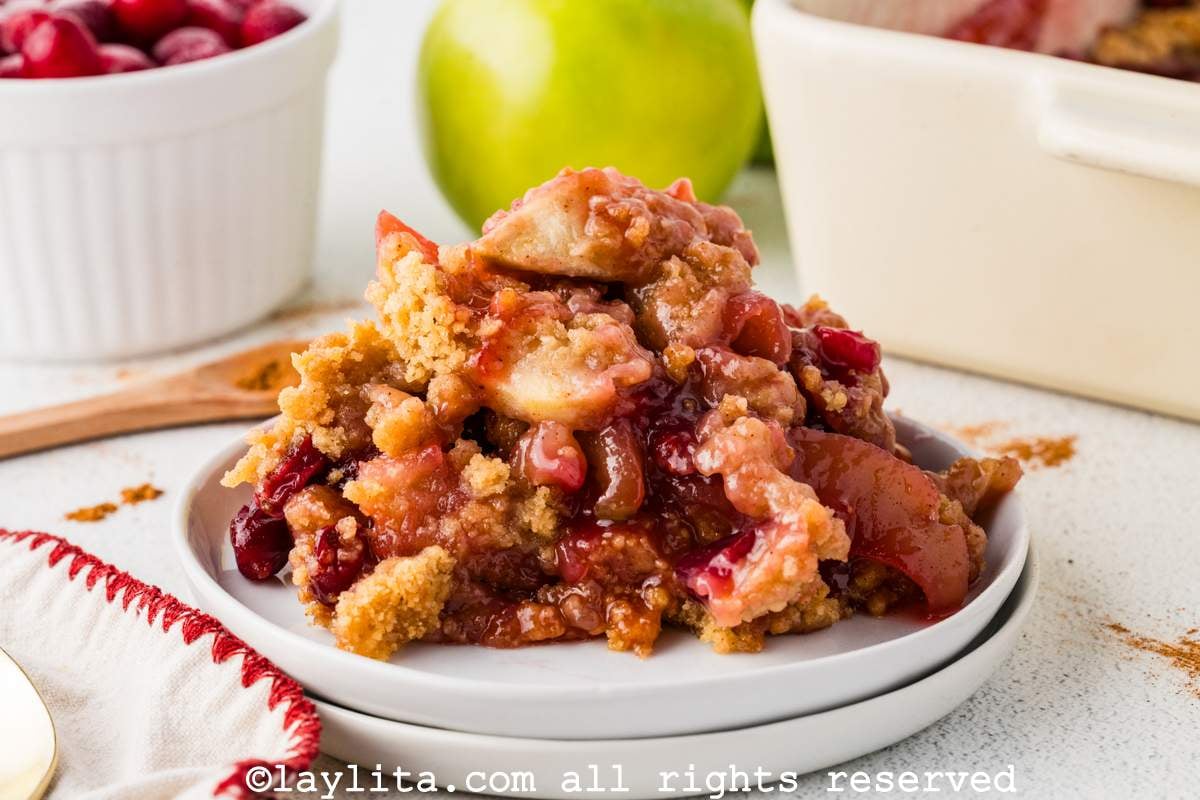
The popularity of combining apples and cranberries in baked goods is deeply rooted in the agricultural landscape of regions like Washington State and Oregon. For decades, the Pacific Northwest has served as a primary hub for domestic apple production, cultivating varieties ranging from tart Granny Smiths to sweet Galas. Meanwhile, the region—alongside parts of the Upper Midwest and the Northeast—is a leading producer of cranberries. When these two fruits are baked together, the natural tartness of fresh or frozen cranberries cuts through the dense sweetness of the apples, creating a balanced flavor profile that distinguishes the crumble from more uniform, one-note desserts. Culinary historians note that while fruit crisps and crumbles became widely popular in American households during the mid-20th century, regional adaptations incorporating local harvests have continued to refine these traditional recipes.
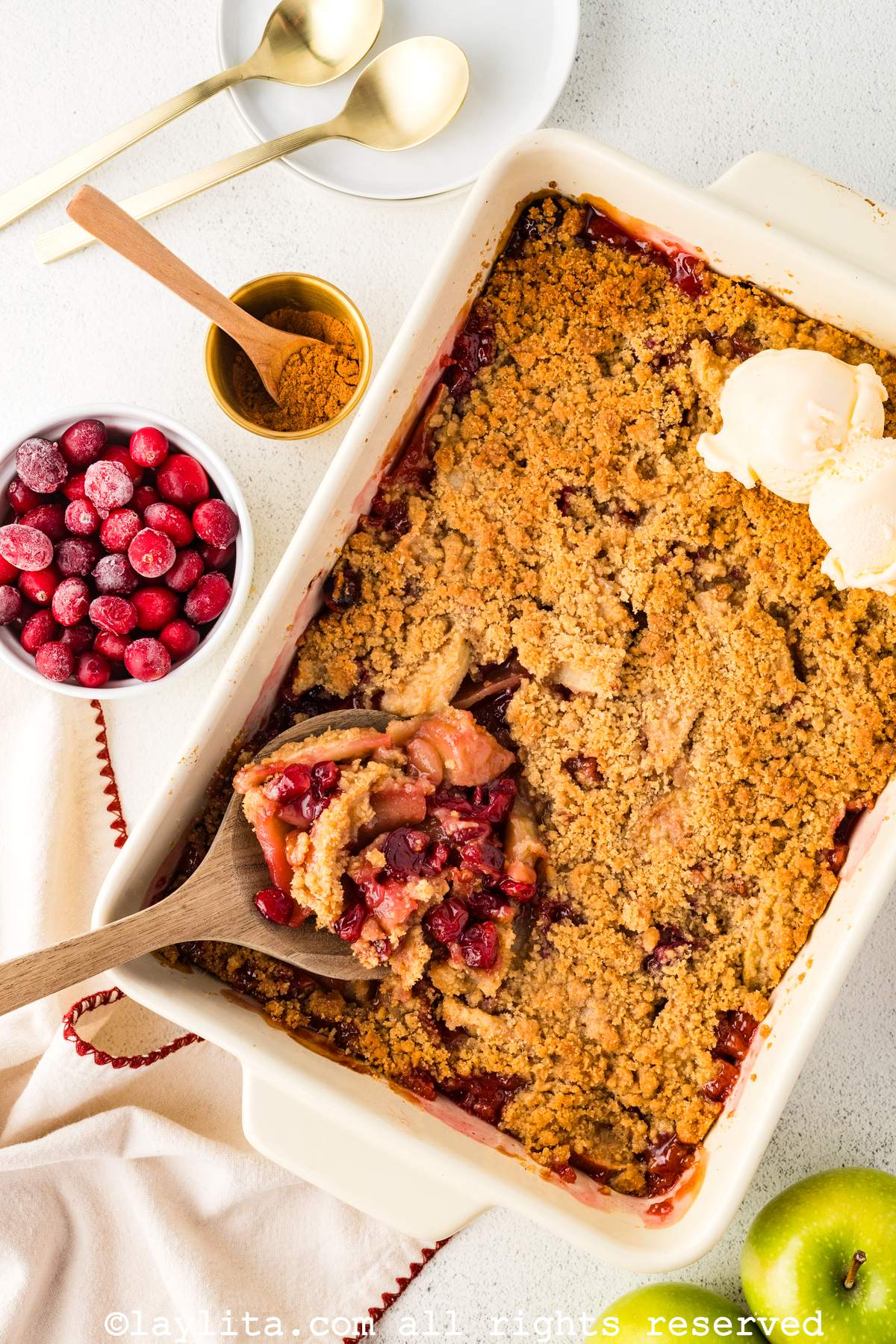
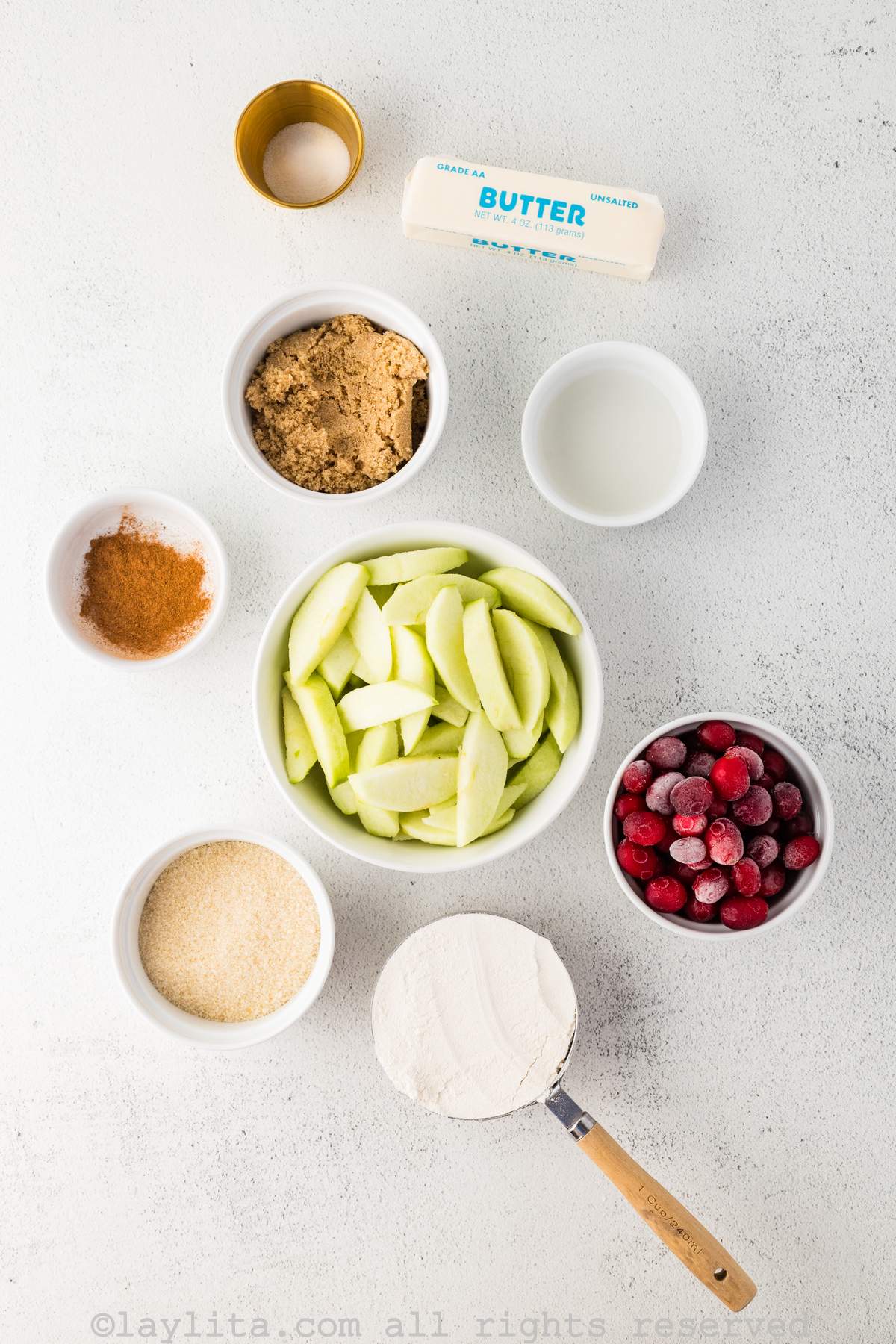
Preparing a traditional apple cranberry crumble requires a straightforward approach that prioritizes fresh ingredients and simple technique. The filling typically consists of sliced apples, whole cranberries, granulated sugar, a touch of vanilla extract, and warm spices such as cinnamon and nutmeg. To achieve the signature texture, this fruit base is topped with a mixture of all-purpose flour, brown sugar, cold unsalted butter, and a pinch of salt, which bakes into a golden-brown, crispy layer. Culinary experts emphasize the importance of using cold butter and ensuring the baking dish reaches a proper bubbling point in the oven to prevent the topping from becoming soggy. For serving, standard culinary recommendations suggest pairing the warm crumble with vanilla ice cream, cinnamon-infused gelato, or lightly whipped cream to contrast the tart fruit filling.
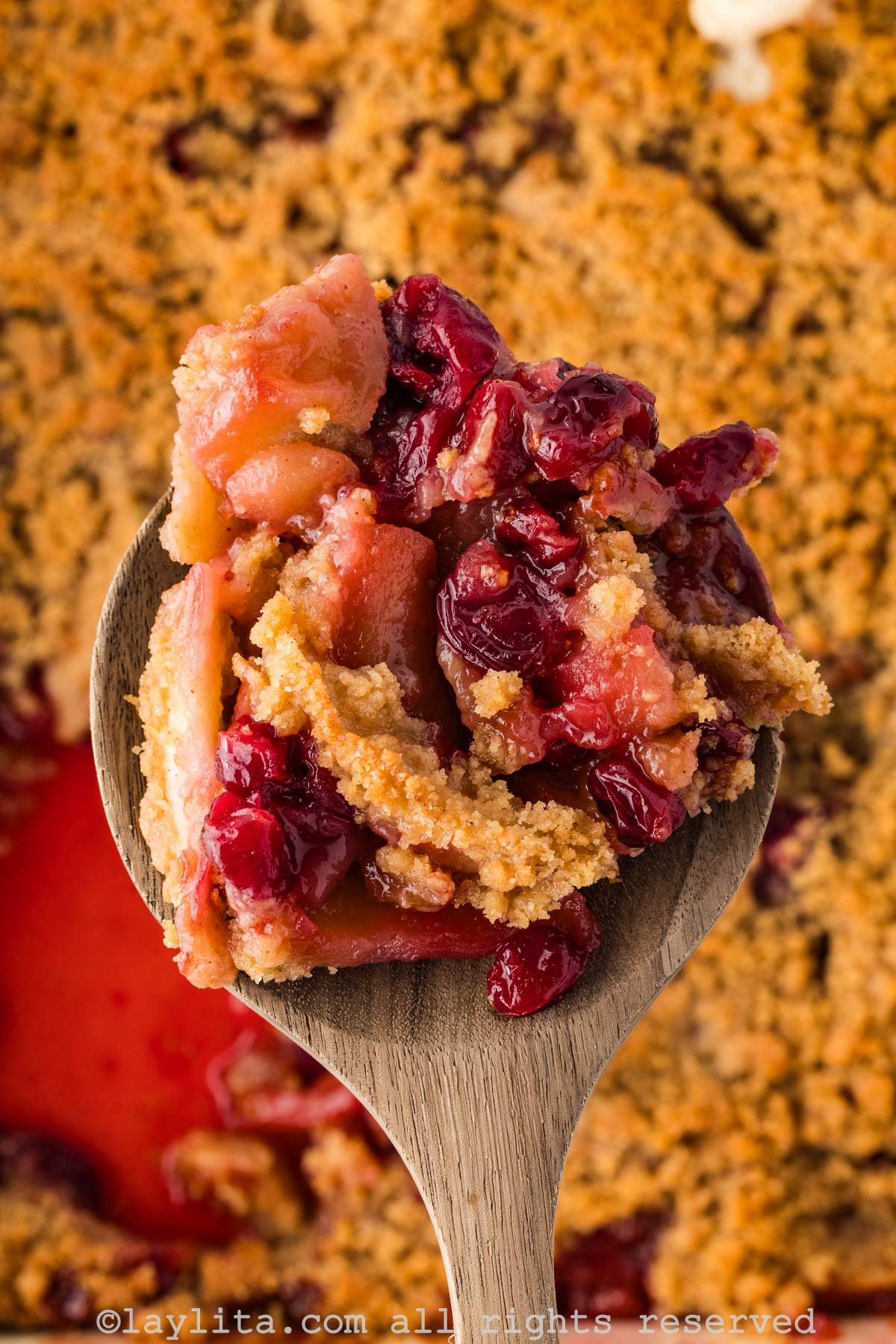
Food industry analysts and home-baking trends indicate a steady increase in the popularity of rustic, comforting desserts during the holiday season. Market research focusing on seasonal grocery purchases often highlights a surge in demand for fresh baking ingredients, including baking apples, seasonal berries, and spices, starting in October and peaking around late November. This shift reflects a broader consumer preference for homemade, customizable comfort foods over commercially manufactured pastries. Furthermore, the versatility of the apple cranberry crumble—which accommodates various dietary adjustments, such as gluten-free flour substitutes or alternative sweeteners—contributes to its enduring presence in modern American kitchens.
As home cooks continue to experiment with traditional recipes, variations such as apple-cranberry crisps, cobblers, and spiced bread puddings remain central to autumn entertaining. Nutritional data indicates that while such desserts are indulgences rich in butter and sugar, the inclusion of whole fruits provides notable amounts of dietary fiber, vitamin C, and antioxidants derived from the fruit skins and tart berries. Ultimately, the apple cranberry crumble endures not only as a practical, easy-to-prepare holiday dessert but also as a testament to the rich agricultural diversity found across American orchards and berry farms.