The Evolution of Halloween Culinary Traditions
Historically, the consumption of food during Halloween was rooted in the ancient Celtic festival of Samhain, where offerings were left to appease spirits. Over centuries, these traditions merged with Christian observances and eventually transformed into the secular, consumer-driven holiday recognized today. In the mid-20th century, the rise of pre-packaged candy solidified the holiday’s association with sugar-centric consumption. However, the contemporary focus has shifted toward "DIY" culinary experiences. Data from the National Retail Federation (NRF) consistently indicates that Halloween spending remains one of the most significant seasonal economic drivers, with a substantial portion of consumer budgets allocated to food and candy. Recent trends show that consumers are increasingly seeking "experience-based" food preparation, where the process of making treats—such as molded chocolate barks, savory puff-pastry appetizers, and thematic main courses—is as valued as the final product.
Chronology of Seasonal Preparation
For the modern home cook, the preparation for Halloween typically follows a structured timeline.
- Early October (Weeks 1-2): Planning phase. This period is dedicated to menu development, sourcing non-perishable ingredients, and determining which dishes can be prepared in advance. Culinary experts emphasize the importance of "make-ahead" components, such as doughs or garnishes, to reduce stress on the final day.
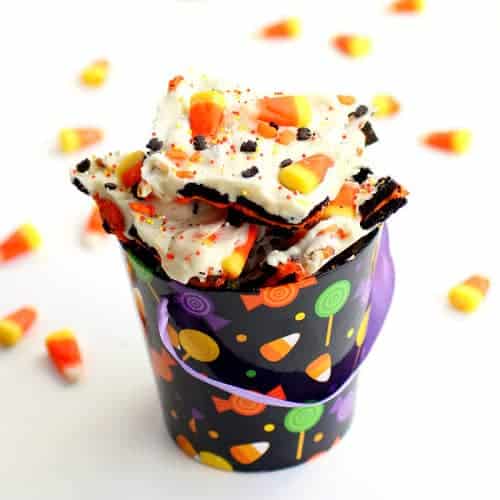
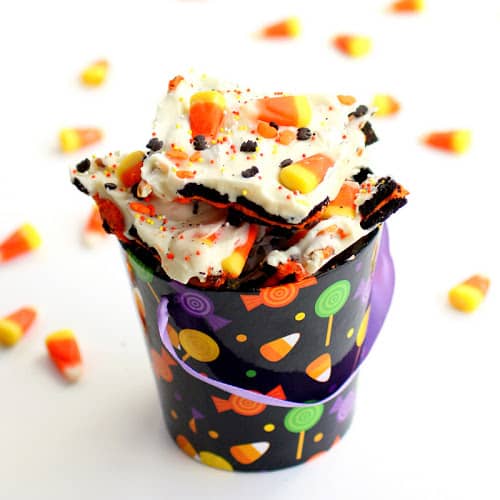
- Mid-October (Weeks 3-4): Execution of shelf-stable items. This is when individuals often prepare candies, chocolate barks, or dry-mix snacks. These items benefit from being stored in airtight containers, allowing the cook to focus on perishables as the holiday nears.
- Late October (Final 48 Hours): Fresh assembly. This window is reserved for temperature-sensitive items, such as baked brie, pastry-wrapped proteins, or complex dessert decorations.
Nutritional Considerations and Market Trends
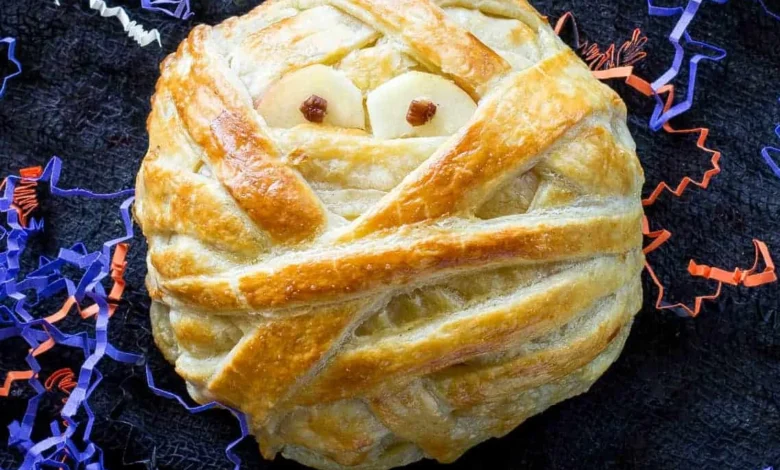
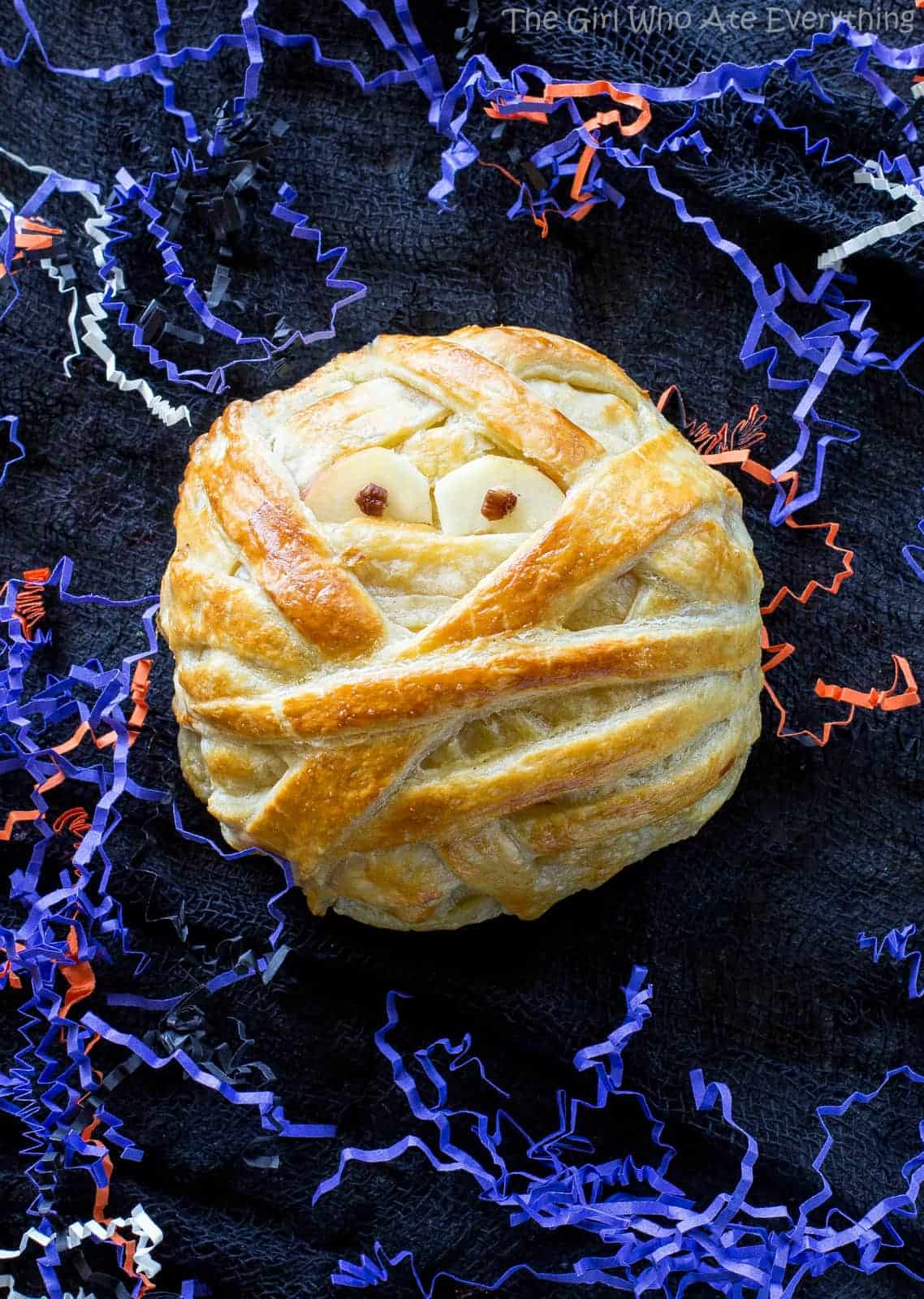
From a nutritional perspective, the Halloween season presents a challenge for public health advocates, yet the culinary industry continues to see a demand for "better-for-you" alternatives. While traditional candy remains the volume leader, there has been a measurable increase in the search for savory alternatives that retain a "spooky" aesthetic. Items like puff-pastry-wrapped brie, often fashioned to resemble mummies, provide a protein-rich, sophisticated option for adult gatherings, contrasting with the high-sugar focus of children’s treats.
Industry analysts suggest that the rise of social media platforms dedicated to food aesthetics has significantly influenced how home cooks approach Halloween. The "visual plate" has become a priority; even simple dishes, such as shepherd’s pie, are now frequently modified with potato piping or coloring to mimic thematic motifs. This trend of "gamified" cooking suggests that the act of food preparation is increasingly serving a dual purpose: sustenance and social signaling.
Analysis of Household Culinary Engagement
Professional chefs and home economics experts often note that Halloween is an ideal "gateway" event for family cooking. Because many recipes—such as the construction of "Dracula-inspired" apple-and-marshmallow dentures or simple chocolate bark—require low technical skill but offer high visual impact, they serve as an effective educational tool for children in the kitchen.
According to kitchenware market research, there is a distinct surge in the sale of themed baking molds, silicone decorations, and food-grade dyes during the month of October. This suggests that the holiday is not merely a day of consumption, but a month-long project for many demographics. The economic implications are clear: retailers who capitalize on this "experience economy" by bundling ingredients for themed recipes report higher basket sizes than those relying solely on individual item sales.
Sustenance Beyond Sugar: The Rise of Themed Dinner
One of the most notable shifts in recent years is the inclusion of the "spooky dinner" as a centerpiece of the evening. While the morning and afternoon are often reserved for snacks, the transition to dinner on October 31 often involves a collaborative family meal. Recipes that utilize traditional comfort foods—such as shepherd’s pie or heavy stews—modified with artistic toppings, allow for a nutritious meal before the anticipated intake of holiday sweets.
Health and wellness experts often encourage this "balanced approach," suggesting that a robust, savory dinner can help mitigate the effects of excessive sugar consumption later in the evening. Furthermore, these dinners provide a sense of structure to a day that is often characterized by chaotic schedules and high-energy social interactions.

Broader Impact and Industry Responses
The culinary industry has responded to these changing consumer behaviors by diversifying their seasonal offerings. Major grocery retailers now dedicate significant shelf space to "baking kits" that facilitate the creation of thematic snacks. This shift has democratized the ability to create visually impressive food, removing the barrier of entry for those who may lack professional culinary training.
Furthermore, the influence of online food communities has created a feedback loop where recipes are constantly refined and updated. A recipe that may have originated as a simple, static instruction is now frequently accompanied by video tutorials, ingredient variations, and allergen-friendly alternatives. This accessibility has arguably made Halloween the most "participatory" holiday in the culinary calendar, surpassing even traditional feasts like Thanksgiving in terms of the number of households actively engaged in creative food production.
Future Projections
As we look toward the future of seasonal culinary trends, it is likely that the focus will continue to shift toward personalization and health-conscious adaptations. While the traditional staples of chocolate, caramel, and pastry will remain dominant, the underlying methods of preparation are becoming more sophisticated. Consumers are moving away from purely processed, store-bought items and toward recipes that utilize high-quality, whole ingredients, even when the final presentation is playful or whimsical.
In conclusion, the preparation for Halloween is a complex, multi-week undertaking that serves as a vital touchpoint for social interaction and domestic creativity. By integrating careful planning, thematic execution, and a balance between indulgence and nutrition, households can successfully navigate the culinary demands of the season. The tradition of Halloween food is not merely about the consumption of treats; it is an annual exercise in imagination, timing, and community, reinforcing its position as a cornerstone of the modern autumn experience. Whether through a simple bowl of snacks or a meticulously crafted themed dinner, the focus remains on creating shared memories that define the spirit of the season.
Related posts: