Classic Chili Recipe: A Comprehensive Guide to Traditional Culinary Techniques and Preparation

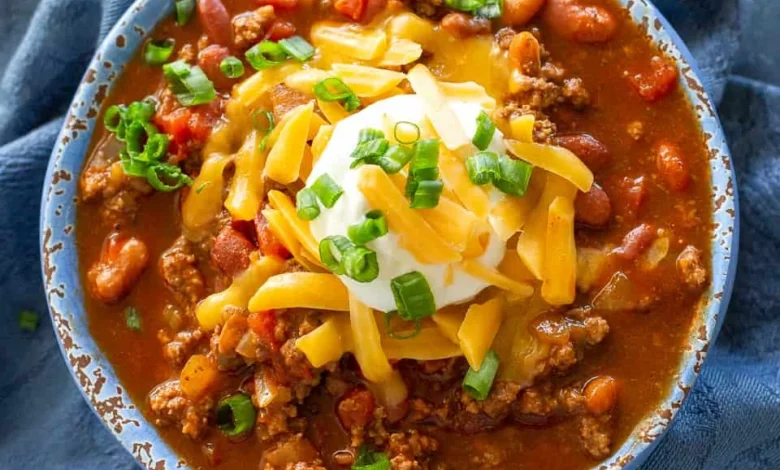
The classic chili recipe, a staple of North American comfort food, represents a sophisticated balance of proteins, legumes, and aromatic spices that has evolved significantly since its origins in the American Southwest. While modern variations are numerous, the traditional red chili—comprising ground beef, kidney beans, and pinto beans—remains the gold standard for home cooks and culinary professionals alike. Achieving the optimal flavor profile requires a disciplined approach to ingredient selection, heat management, and the science of reduction.
Historical Context and Evolution
The culinary roots of chili con carne are often traced back to the late 19th century in San Antonio, Texas. Originally developed as a low-cost, shelf-stable meal for laborers, the dish has transformed from a humble frontier ration into a central fixture of American cultural events, ranging from professional football tailgates to competitive cook-offs. Historically, the debate surrounding the inclusion of beans in chili has been a point of contention among purists, particularly in Texas, where "Bowl of Red" recipes strictly omit legumes. However, the inclusion of kidney and pinto beans has become the preferred standard for home-style chili, providing essential texture, fiber, and nutritional density.
The Science of Ingredient Preparation
The technical success of a chili recipe depends heavily on the preparation of the base ingredients. Contemporary culinary research, including findings from institutions such as America’s Test Kitchen, has challenged long-standing myths regarding bean preparation. Many home cooks have historically rinsed canned beans to remove excess sodium or starches. However, the liquid found in canned beans—often referred to as aquafaba—contains starches that act as a natural emulsifier and thickening agent. By incorporating this liquid into the base, cooks can achieve a velvety, cohesive consistency without the need for additional artificial thickeners or excessive reduction times.
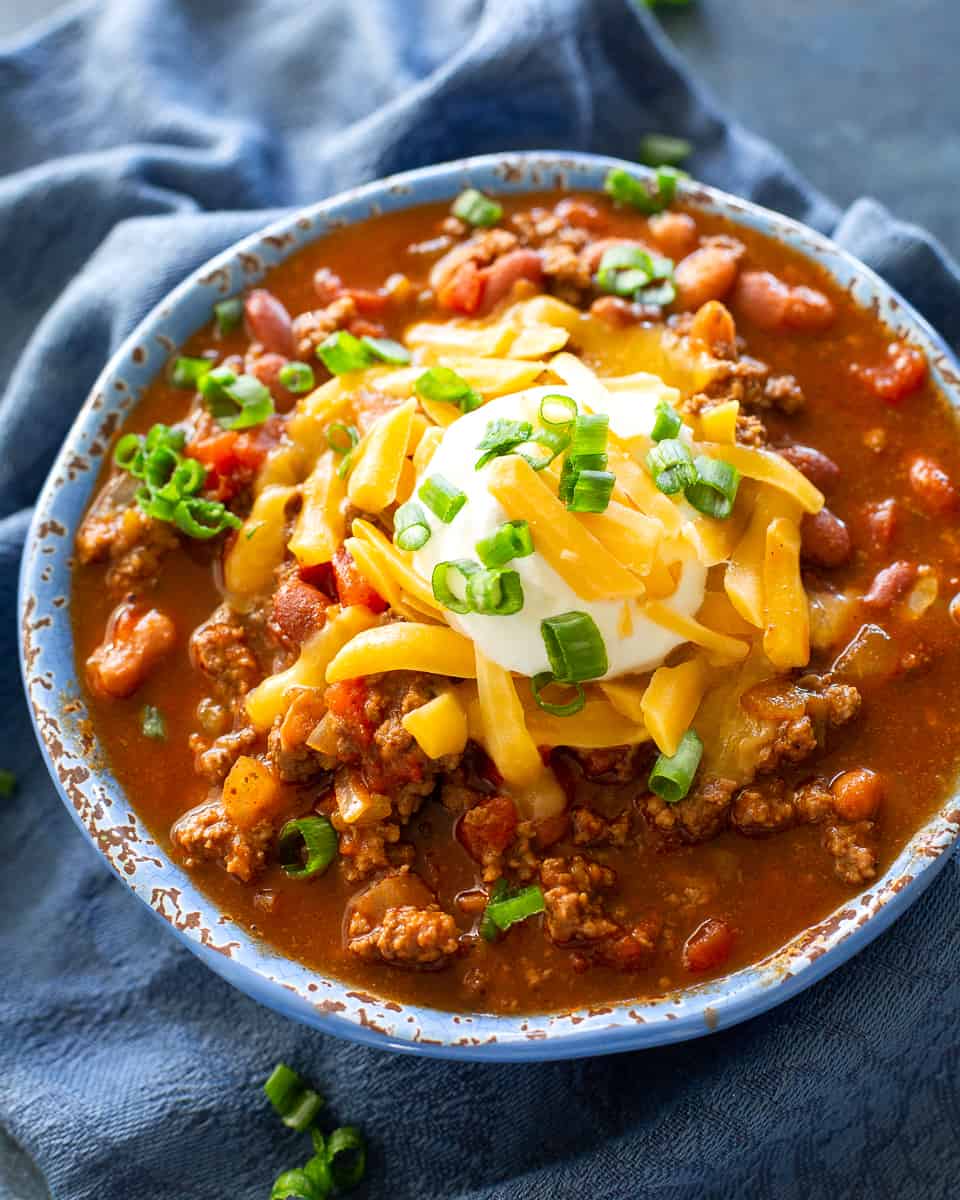
The protein component, typically ground beef, should be handled to ensure browning occurs before the introduction of liquid ingredients. The Maillard reaction, a chemical reaction between amino acids and reducing sugars, is essential for developing the complex, savory flavor profile necessary for a high-quality chili. Overcrowding the pan during the browning phase can lead to steaming rather than searing, which negatively impacts the final depth of the flavor profile.
Chronology of Preparation
To achieve the best results, the preparation process should follow a structured timeline:
- Initial Searing (Minutes 0–15): Ground beef is browned over medium-high heat. Excess fat is drained, though a small amount is often retained to carry the flavor of the aromatics.
- Aromatic Integration (Minutes 15–20): Onions, garlic, and bell peppers are sautéed in the rendered beef fat until translucent, ensuring the foundation of the flavor base is established.
- Spice Bloom (Minutes 20–25): The introduction of dry spices—chili powder, cumin, oregano, and smoked paprika—directly to the heat source "blooms" the essential oils, significantly increasing the intensity of the aroma.
- The Simmering Phase (Minutes 25–120+): The liquids (typically tomatoes, broth, and the aforementioned bean liquid) are added. A low, slow simmer is critical. This phase allows the proteins to soften and the complex spice compounds to permeate the beans and meat. The longer the simmer, the more the flavors meld into a singular, cohesive dish.
Nutritional Profile and Dietary Implications
From a nutritional standpoint, a serving of traditional beef chili provides a significant amount of macronutrients. A standard serving (approximately 250–300 grams) contains high levels of protein, derived from both the beef and the legumes. Fiber content is a notable benefit, provided by the beans, which aids in digestion and satiety.
While concerns regarding sodium content in canned products persist, modern grocery trends have seen an increase in "no-salt-added" bean options, allowing cooks to maintain control over the total sodium profile of the dish. Furthermore, the inclusion of ingredients such as diced tomatoes and bell peppers provides essential micronutrients, including Vitamin C and Vitamin A, which are often lacking in heavier comfort foods.
Culinary Techniques for Superior Texture
Professional chefs often emphasize the importance of "resting" the chili. Similar to a brisket or a roast, chili benefits significantly from being allowed to cool and then reheated the following day. This process, known as tempering, allows the starches in the beans and the connective tissues in the beef to stabilize, resulting in a more uniform texture.
The use of a slow cooker versus a stovetop involves a trade-off between convenience and control. Stovetop preparation allows for a more aggressive reduction of the liquid, leading to a more concentrated flavor. Conversely, the slow cooker provides a controlled environment that prevents scorching, which is ideal for long-duration cooking (6–8 hours). Both methods yield successful results provided the liquid-to-solid ratio is carefully managed.
Service and Presentation Standards
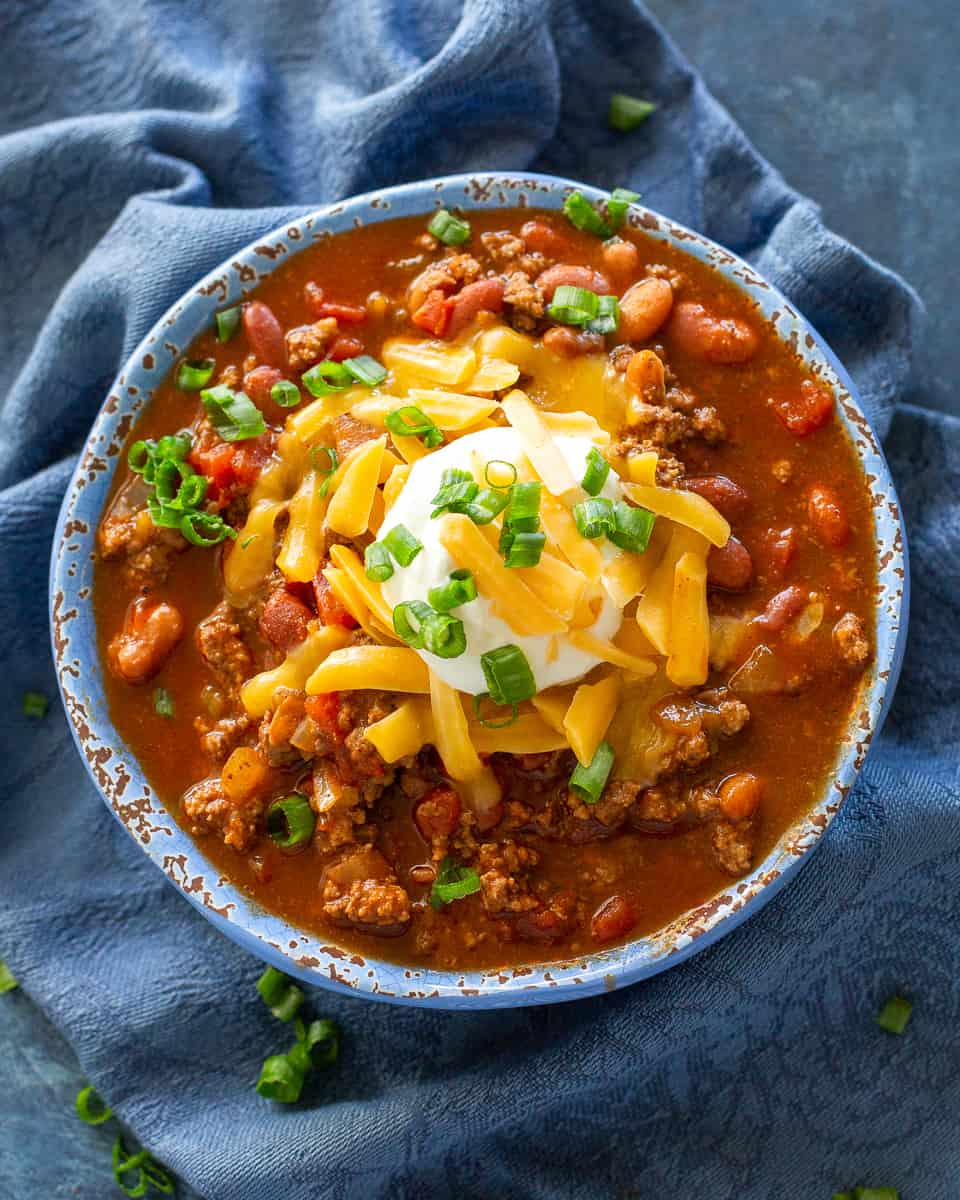
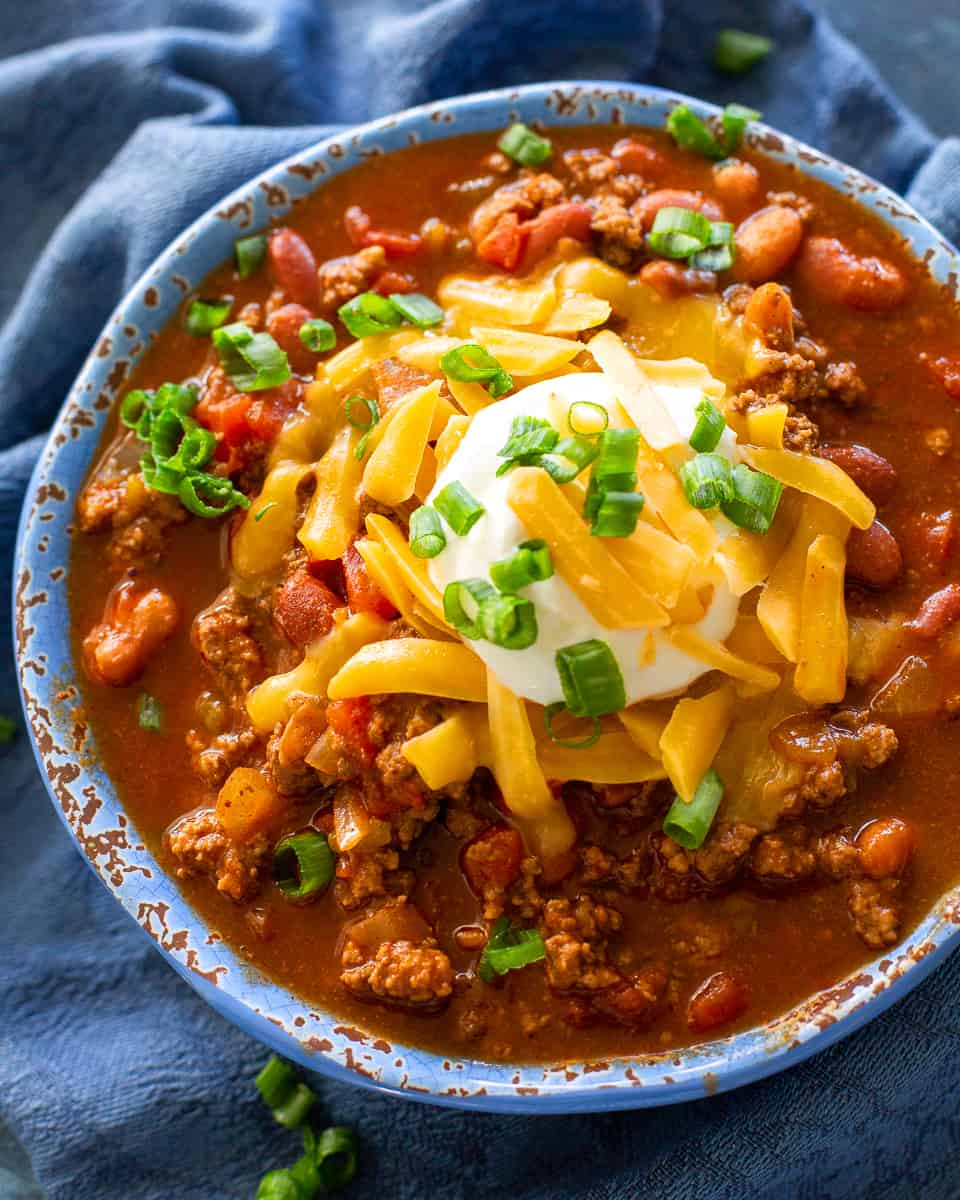
The final presentation of chili is as much a part of the experience as the cooking process itself. Providing a variety of toppings allows for individual customization and balances the heat of the spices with cooling elements. Standard accompaniments include:
- Dairy: Sour cream or Greek yogurt to neutralize the capsaicin found in chili powder.
- Aromatics: Fresh cilantro, diced green onions, and jalapeños for brightness and a secondary layer of heat.
- Texture: Shredded cheddar cheese and avocado slices to provide a creamy, rich mouthfeel that contrasts with the fibrous beans.
- Carbohydrates: Traditional sides like cornbread serve as the ideal vessel for absorbing the chili sauce, providing a sweet contrast to the savory notes of the beef.
Broader Impact and Industry Trends
The enduring popularity of the classic chili recipe highlights a broader trend in home cooking: the return to "slow-food" principles. Despite the availability of rapid-cook processed meals, consumers are increasingly seeking recipes that offer high yield, freezer-friendly storage, and the ability to be prepared in bulk.
Chili is uniquely positioned in the modern food landscape as an ideal meal-prep candidate. Its ability to remain stable for up to three months in a freezer environment makes it a practical solution for households seeking to minimize food waste and optimize grocery budgets. Economically, the dish remains one of the most cost-effective methods for feeding large groups, as it utilizes affordable cuts of meat and shelf-stable pantry staples.
Analysis of Expert Recommendations
Culinary experts continue to advocate for the "less is more" approach regarding spice intensity. While some regional variations prioritize extreme heat, the hallmark of a "classic" recipe is a medium heat profile. This allows the nuanced flavors of the cumin and the richness of the beef to remain perceptible. The consensus among food scientists is that the interaction between the acidity of the tomatoes and the savory profile of the beef is the primary driver of the dish’s palatability. By ensuring the tomatoes are cooked down sufficiently, the harshness of the acidity is eliminated, leaving behind a deep, savory sweetness that defines the dish.
In conclusion, the classic chili recipe is a testament to the efficacy of traditional cooking techniques. By understanding the chemical properties of ingredients like bean liquid, respecting the time required for flavor development through slow simmering, and utilizing proper browning techniques, home cooks can replicate the quality of professional kitchens. Whether prepared in a cast-iron pot on the stove or left to develop in a slow cooker, the dish remains a foundational element of the culinary canon, valued for its versatility, nutritional balance, and its ability to serve as a reliable staple in the modern household.