Cucumber Salad with Sesame and Rice Vinegar Takes Center Stage in Summer Culinary Trend

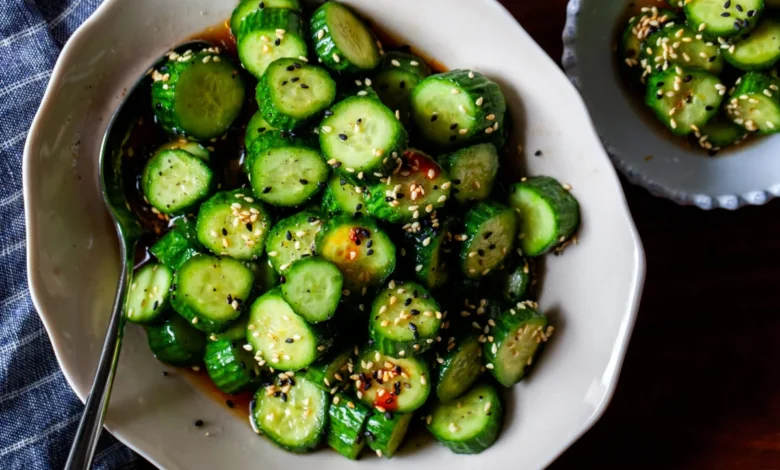
The culinary landscape is experiencing a notable shift toward minimalist, high-impact seasonal side dishes, highlighted by the recent popularization of a streamlined Japanese-inspired sesame and rice vinegar cucumber salad. Despite cucumbers being a ubiquitous household staple consumed across millions of American households multiple times per week—particularly during peak summer heat waves—deliberate, dedicated recipes featuring the crisp gourd have historically been underrepresented in mainstream digital food archives. Culinary historians and home-cooking experts attribute this phenomenon to the inherent simplicity of cucumber-based dishes, which traditionally require minimal technical manipulation, extended ingredient lists, or obsessive fine-tuning compared to complex baked goods or braised proteins. However, as consumers increasingly seek refreshing, low-effort, high-hydration meal accompaniments amid rising global temperatures, this straightforward preparation has emerged as a definitive seasonal favorite.
Origins, Evolution, and Culinary Technique

The preparation closely mirrors the traditional Japanese culinary concept of sunomono, which literally translates to "vinegared things." Historically, sunomono encompasses a wide array of raw vegetables, seaweeds, or seafood that have undergone a brief marination in a balanced, sweet-and-tangy vinegar-based solution. While traditional iterations often incorporate a measure of sugar to balance the acidity, contemporary adaptations frequently streamline the process by omitting sweeteners and focusing purely on the interplay of high-acidity rice vinegar, savory soy sauce, toasted sesame oil, and aromatic finishes such as chili oil and toasted sesame seeds.
A critical technical element of this preparation involves the deliberate salting of the cucumbers prior to the introduction of the liquid dressing. Food scientists and professional chefs note that applying coarse salt to sliced cucumbers initiates a process of osmosis. By drawing out excess cellular moisture, the salting phase creates a cellular moisture deficit within the cucumber tissue. When the salted cucumbers are subsequently drained and tossed with the dressing, they readily absorb the surrounding flavors of the sesame, vinegar, and soy sauce rather than diluting the marinade with their own internal water content. This technique transforms the texture, rendering the cucumber pieces simultaneously crisp, dense, and deeply seasoned. Furthermore, culinary testing indicates that even a brief ten-to-fifteen-minute salting window yields noticeable structural and flavor improvements, making the method highly adaptable for fast-paced weeknight meal preparation.
Integration into Modern Weeknight Diets and Family Dining

In contemporary domestic routines, this refreshing salad frequently serves as a versatile culinary bridge, pairing seamlessly with a broad spectrum of Asian-inspired dishes. Food culture analysts observe that as consumers increasingly embrace global flavors at home—ranging from handmade or frozen potstickers and savory noodle bowls to complex stir-fries—side dishes that offer a sharp, acidic, and cooling contrast to rich or heavily spiced proteins have surged in demand.
Family-focused home cooking trends emphasize efficiency, scalability, and cross-generational appeal. The cucumber salad exemplifies these qualities, requiring minimal active preparation time while offering high yield potential. Nutritional and culinary advocates point out that dishes requiring zero thermal cooking are particularly advantageous during prolonged summer heat waves, helping maintain household nutritional intake without compounding indoor ambient temperatures from stove usage. Additionally, the inherent flexibility of the recipe allows home cooks to modify flavor profiles based on dietary preferences, easily accommodating low-sodium, gluten-free, or vegan requirements through targeted ingredient substitutions.
Broader Impact and Community Initiatives

Beyond the immediate culinary sphere, the dissemination of such home-cooking staples frequently intersects with broader philanthropic and community-building initiatives within the digital food media ecosystem. Concurrently with seasonal recipe highlights, prominent food platforms have leveraged their digital reach to support charitable endeavors, most notably through annual educational outreach campaigns such as classroom wishlist projects. These charitable frameworks connect educators in need of foundational classroom supplies—ranging from basic stationery like pencils and crayons to essential learning literature—with community donors via centralized public spreadsheets and regional school indexes.
Industry observers note that the integration of community support mechanisms within lifestyle and culinary publishing reflects a growing consumer expectation for digital platforms to utilize their influence for measurable social good. By channeling seasonal engagement into tangible educational support, food creators and their audiences mobilize small-scale, decentralized philanthropy that directly benefits local schools and student populations.
Economic and Nutritional Implications

From a broader nutritional and economic perspective, the elevation of basic produce like cucumbers aligns with ongoing public health recommendations emphasizing the consumption of whole, high-water-content, plant-based foods. Cucumbers are naturally rich in essential micronutrients, including vitamin K and potassium, while boasting a remarkably low caloric density, making them an optimal dietary component for hydration and weight management during peak summer months.
Economically, cucumbers remain one of the most cost-effective and accessible produce items available in global retail markets, insulating consumers from inflationary pressures affecting more resource-intensive agricultural products. As supply chain volatility and climate-related agricultural challenges continue to impact the availability of specialized or imported ingredients, reliance on versatile, locally procurable staples underscores a broader resilience in modern domestic cooking habits.
Looking forward, culinary experts anticipate that the popularity of simplified, technique-driven vegetable preparations will continue to grow. As home cooks prioritize time-efficiency without sacrificing flavor complexity, methods that maximize the inherent qualities of raw produce through basic scientific principles—such as osmotic salting and balanced acid-fat pairing—will remain foundational pillars of contemporary home economics.