15-Minute Curry Ramen with Leftover Ham Offers a Practical Solution for Post-Holiday Food Waste

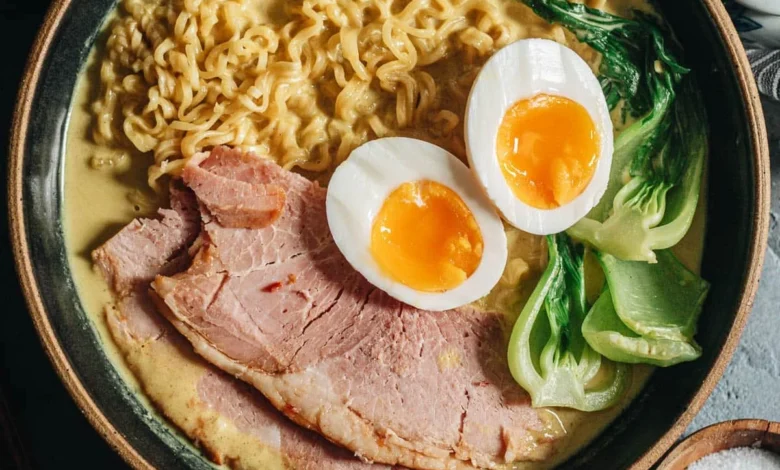
The aftermath of major holiday celebrations traditionally leaves households facing a familiar logistical challenge: an abundance of leftover proteins, particularly glazed or roasted ham, occupying valuable refrigeration space. While the immediate days following a holiday often involve cold sandwiches or simple platters, culinary professionals and home economists increasingly emphasize the importance of efficient food repurposing. Addressing both culinary fatigue and the global imperative to minimize domestic food waste, a newly popularized homestyle recipe—the 15-Minute Curry Ramen with Leftover Ham—demonstrates how pantry staples can transform surplus holiday ingredients into a rapid, nutrient-dense one-pot meal.
The Culinary Concept and Development

Unlike traditional Japanese ramen, which relies on complex broths simmered for hours or even days to extract deep flavors from pork bones, poultry, or seafood, this homestyle variant is engineered for speed and accessibility. Developed in response to typical post-holiday refrigerator congestion, the recipe bypasses traditional multi-hour processes in favor of a rapid-flavor-extraction technique.
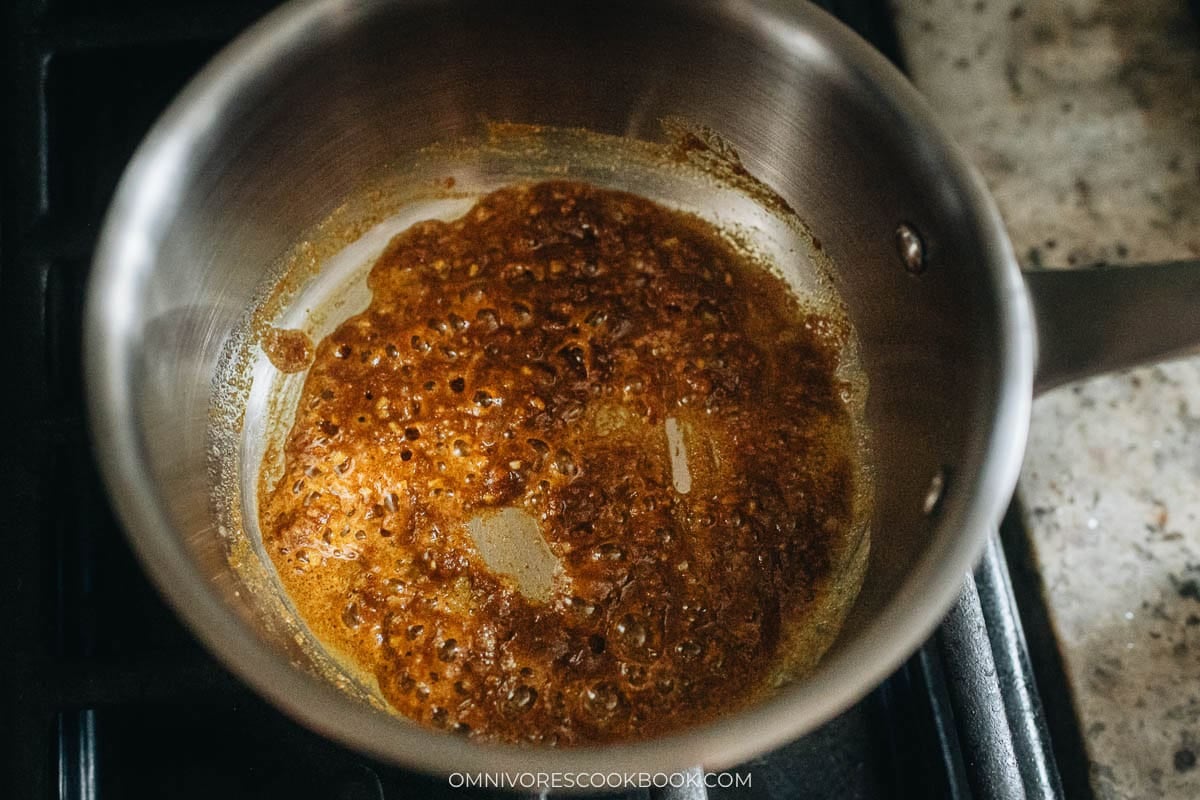
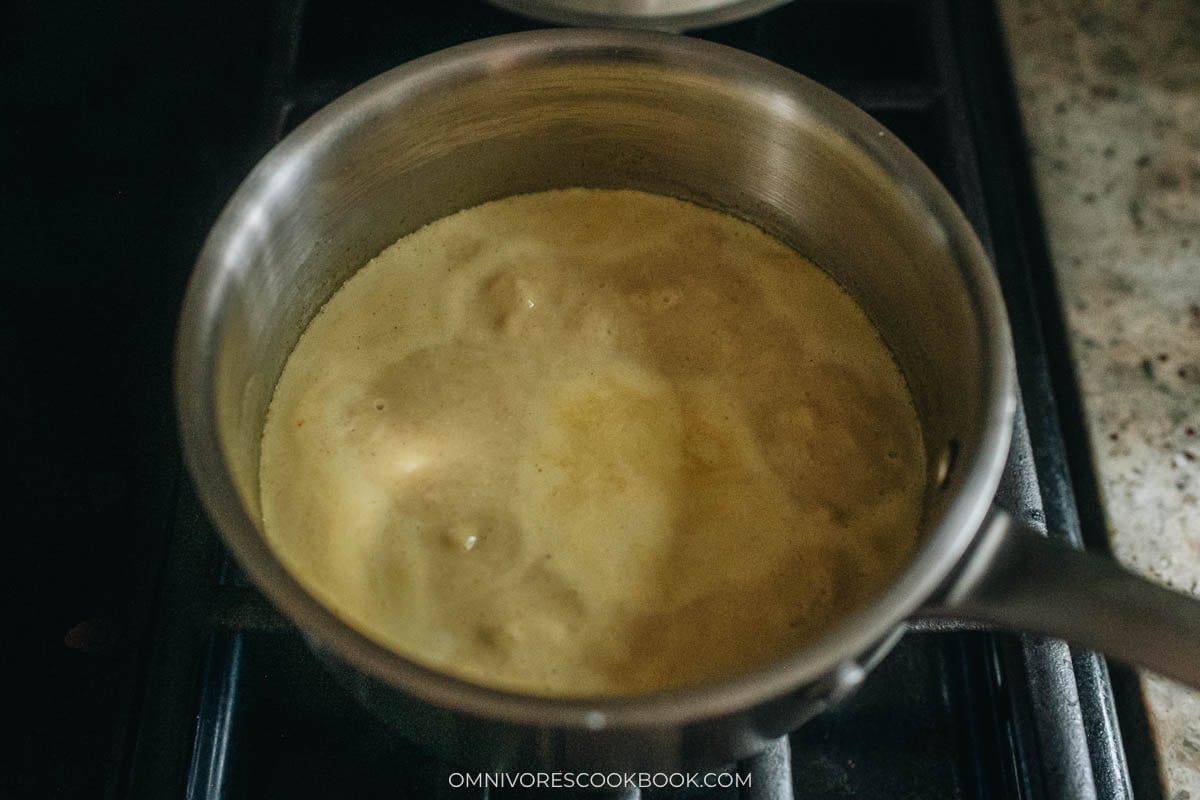
The foundation of the dish rests on a blooming method, where aromatic ingredients such as garlic and curry powder are gently heated in butter over medium-low heat. This crucial step allows fat-soluble flavor compounds within the spices to release fully, creating an aromatic base before the addition of liquids. Full-fat canned coconut milk is then introduced and brought to a boil, followed by savory chicken or beef broth. This combination yields a rich, velvety broth that mirrors the comfort of slow-cooked curry dishes while requiring a fraction of the preparation time. Instant ramen noodles serve as the carbohydrate base, chosen specifically for their rapid cooking time and uniform texture, while the seasoning packets typically included with the noodles are discarded or repurposed for alternative dishes like fried rice or egg drop soup.
Chronology of Preparation
Executing the recipe efficiently requires a streamlined timeline designed to deliver a complete meal within a 15-minute window.
At the zero-minute mark, home cooks wishing to incorporate a traditional ramen element may begin a separate small pot of water to prepare a soft-boiled egg, which simmers for precisely five to six minutes before being cooled in ice water. Simultaneously, the primary cooking process begins in a separate saucepan.
Between minutes one and three, butter is melted over medium-low heat, followed by minced garlic and curry powder. Constant stirring prevents the spices from scorching while ensuring the aromatics fully bloom.
By minute four, full-fat coconut milk is poured into the pan and brought to a steady boil, whisked continuously to integrate the spiced butter smoothly. Chicken or beef broth is added immediately afterward, returning the mixture to a boil.
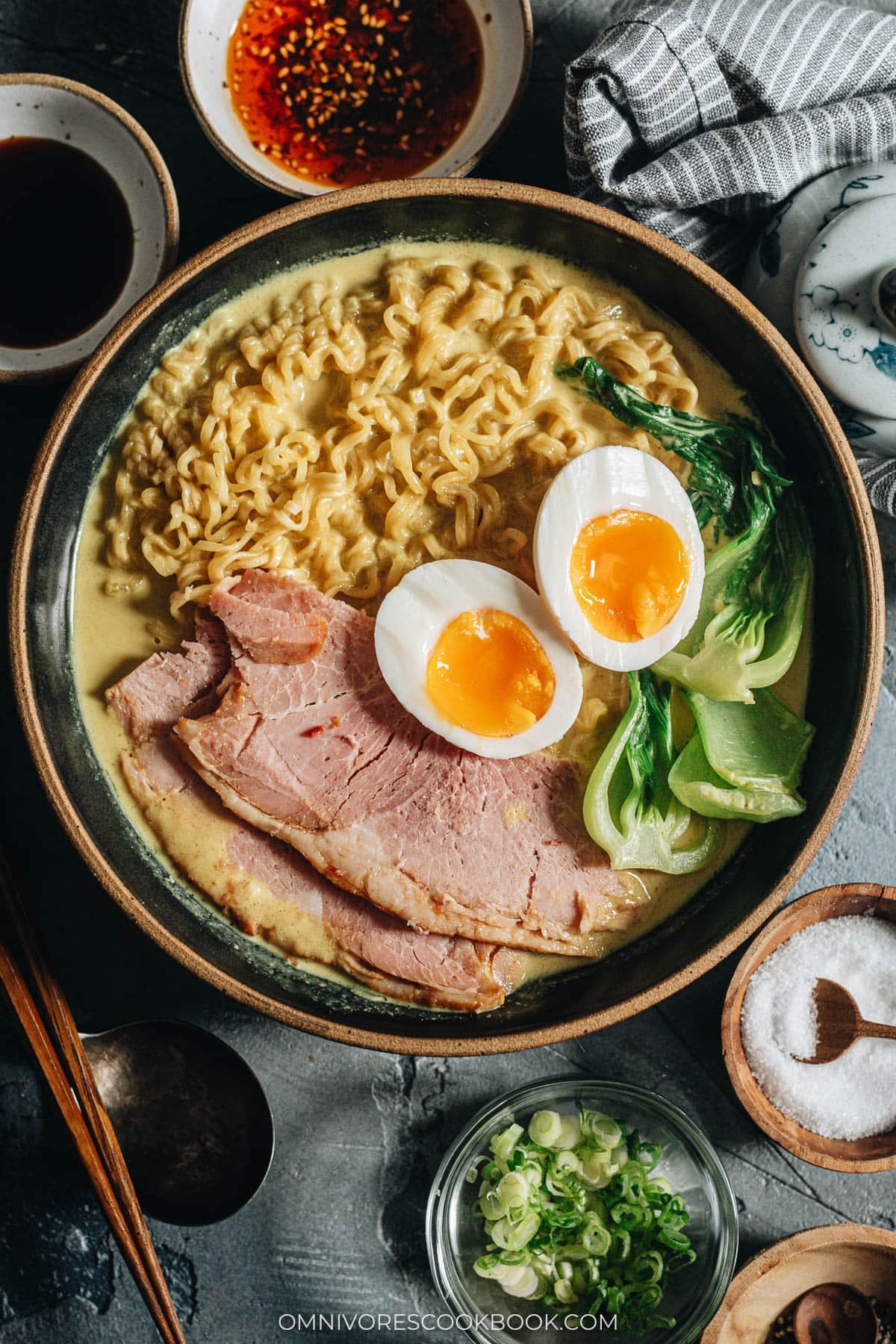
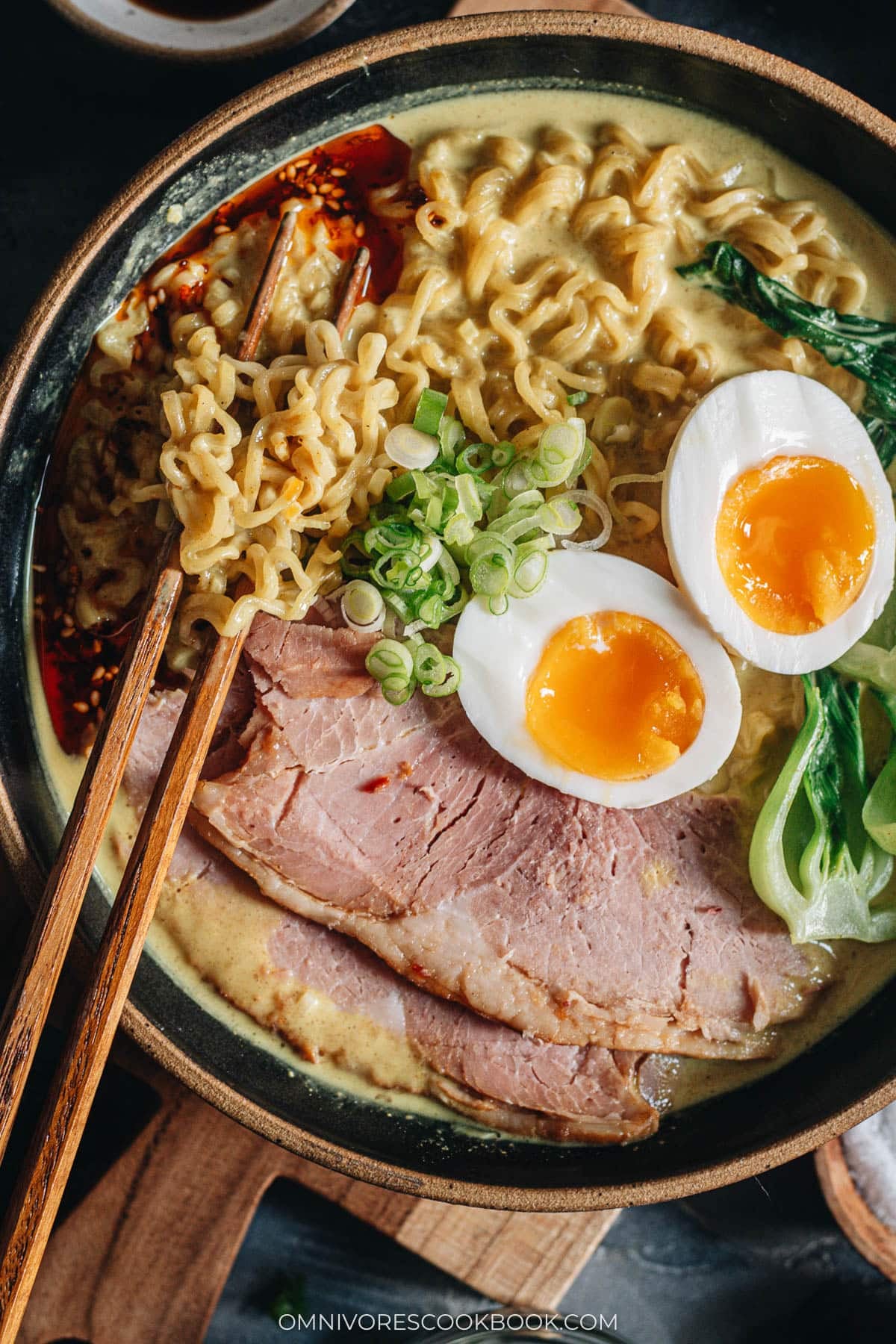
In the final stages—spanning minutes ten through fifteen—the instant ramen noodles, bite-sized pieces of baby bok choy, and pre-cooked sliced ham are added directly to the simmering broth. Because the ham is already cooked, it requires only a few minutes to warm through without drying out, while the tender greens wilt rapidly. The dish is plated immediately, finished with optional garnishes such as chopped green onions, a halved soft-boiled egg, and a drizzle of chili oil or hot sauce for added complexity.
Nutritional Profile and Dietary Adaptability
From a nutritional standpoint, convenience meals often face scrutiny regarding their sodium and caloric content. Data associated with this specific curry ramen formulation indicate a substantial profile for a single-serving portion, registering approximately 948 kilocalories, 41.9 grams of carbohydrates, 19.8 grams of protein, and 82.3 grams of fat, with a significant portion derived from the full-fat coconut milk (including 64 grams of saturated fat). Sodium levels are recorded at 1,258 milligrams, largely influenced by the presence of cured ham and prepared broths, alongside 9.7 grams of dietary fiber contributed by the bok choy and aromatics.
Dietary flexibility remains a central component of the recipe’s broad appeal. The framework is inherently adaptable for individuals with specific dietary restrictions, including gluten sensitivities, provided that certified gluten-free ramen noodles (such as rice or millet-based noodles) and gluten-free tamari or alternative broths are utilized. Furthermore, the protein component is highly interchangeable; while holiday ham is the primary motivation for the dish, nutritionists and home cooks can easily substitute shredded roast chicken, sliced char siu, or leftover roasted vegetables without altering the foundational cooking technique.
Broader Implications for Household Food Waste Management
The popularization of rapid, repurposing-focused recipes aligns with growing international initiatives aimed at curbing household food waste. According to environmental data compiled by organizations monitoring municipal waste management, post-holiday periods consistently exhibit a measurable spike in discarded organic matter, largely driven by uneaten festive roasts and perishable side dishes.
Food policy analysts note that encouraging culinary adaptability—teaching consumers how to integrate leftovers into distinct culinary traditions, such as combining European-style cured meats with Asian noodle preparations—serves as an effective grassroots strategy against food waste. By demonstrating that surplus ingredients can be repurposed into appealing, high-value meals within minutes, home-cooking advocates provide practical tools that alleviate both economic waste and household meal planning fatigue. As consumer interest in quick, resource-efficient cooking continues to rise, recipes bridging the gap between holiday excess and everyday pantry staples are expected to remain a fixture in modern domestic kitchens.