Stevia at Home: A Comprehensive Guide to Cultivating Your Own Natural Sweetener Source

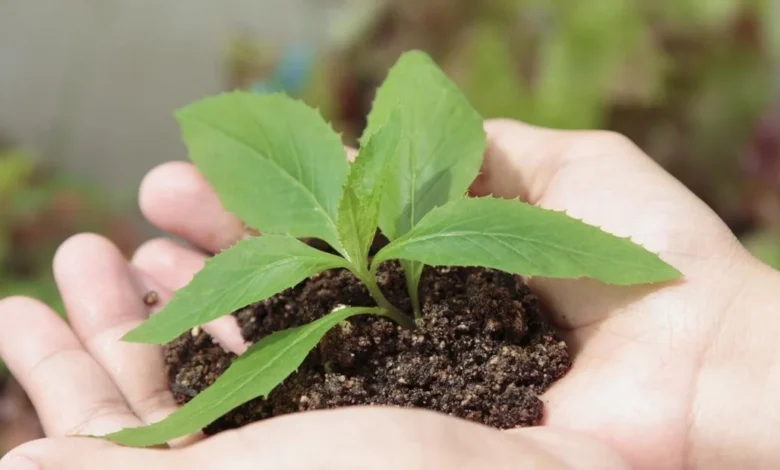
Stevia rebaudiana, a plant species in the chrysanthemum family, has rapidly transitioned from a niche botanical curiosity to a global commodity in the health-conscious food and beverage industry. Known primarily for the intense sweetness of its leaves—derived from steviol glycosides which are significantly sweeter than sucrose—the plant is increasingly being viewed as a viable addition to the home garden. Beyond its commercial applications in sugar-free products, the cultivation of Stevia at the domestic level offers consumers a self-sustaining alternative to processed sweeteners, provided they adhere to specific horticultural requirements.
The Botanical Profile and Market Context
The rising popularity of Stevia is inextricably linked to the global health movement targeting sugar reduction. According to data from the World Health Organization (WHO), the overconsumption of free sugars is a primary driver of obesity and type 2 diabetes. As regulatory bodies in various countries impose "sugar taxes" on beverages, food manufacturers have turned to Stevia as a natural, calorie-free alternative.
While the industry utilizes high-tech extraction methods to isolate rebaudioside A and other glycosides, the plant itself remains a relatively resilient perennial shrub native to Paraguay and Brazil. Historically, the indigenous Guaraní people utilized the leaves, known locally as ka’a he’ê (sweet herb), for centuries. In recent years, the interest in growing this plant in home environments, particularly in urban settings like Jakarta, has been championed by local horticulturalists such as Daniel Damaz, founder of House of Herbs.
Expert Insights on Domestic Cultivation
According to Daniel Damaz, the misconception that Stevia is a temperamental or purely industrial crop is unfounded. "Stevia can absolutely be cultivated at home; it is quite straightforward for the amateur gardener," Damaz stated during a recent assessment at his facility in South Tangerang.
The successful cultivation of Stevia in a domestic setting, even within the confines of a container or pot, hinges on three primary environmental factors: light exposure, moisture management, and soil drainage. Unlike many indoor ornamental plants, Stevia is a sun-loving species. It requires "full sun" conditions, defined as a minimum of six to eight hours of direct sunlight daily. In tropical climates, this ensures the plant produces the high concentrations of glycosides that characterize its sweet profile.
Environmental Stewardship and Soil Management
Soil quality and drainage constitute the most significant hurdles for the novice Stevia gardener. The plant is susceptible to root rot if the root zone becomes waterlogged. Damaz emphasizes that while the soil must remain consistently moist to support the plant’s metabolic functions, it must never be allowed to sit in standing water.
The recommended strategy for home gardeners is to use a porous, well-draining potting mix that retains moisture without compacting. This balance is critical because Stevia’s root system is relatively shallow and delicate. By utilizing containers with adequate drainage holes and, if necessary, adding perlite or coarse sand to the potting medium, growers can mitigate the risk of fungal pathogens that thrive in overly saturated environments.
Propagation Techniques: The Art of Stem Cutting
For those looking to expand their garden, the most effective method for propagating Stevia is through stem cuttings. This vegetative reproduction ensures that the new plant is a genetic clone of the parent, maintaining the same level of sweetness and growth characteristics.
The procedure is relatively technical but manageable:
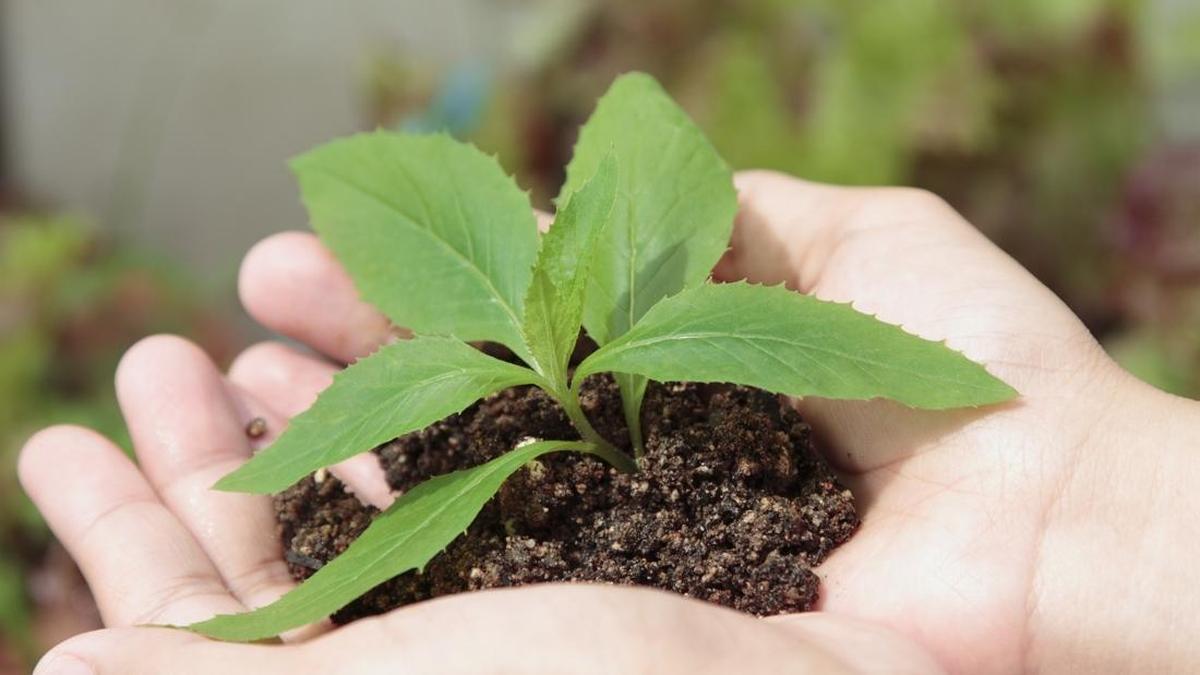
- Selection: Choose a healthy, non-flowering stem from the parent plant.
- Cutting: Cut a 4-to-6-inch segment, preferably just below a node.
- Preparation: Remove the lower leaves to expose the nodes where roots will eventually emerge.
- Acclimatization: Immediately after planting the cutting into a moist medium, place it in a shaded or semi-shaded environment.
Crucially, the cuttings should not be exposed to direct, intense sunlight immediately. During the propagation phase, the plant lacks the root structure to support the rapid transpiration that occurs under full sun. Once new growth and root development are visible—a process that usually spans two to three weeks—the plant can be gradually transitioned to a location receiving full sun.
Best Practices for Harvesting and Plant Longevity
A common mistake made by new cultivators is the premature or over-harvesting of the plant. Stevia leaves are the engine of the plant; they contain the chlorophyll necessary for photosynthesis. If a plant is stripped of too many leaves while it is still in its developmental stage, it will struggle to generate the energy required for growth and root health.
Damaz advises that growers wait until the plant is well-established before initiating the first harvest. "It is important to remember that the plant needs its leaves for photosynthesis," he notes. A strategic harvesting schedule—pruning the tips of the branches to encourage bushier growth—is more beneficial to the plant than stripping the lower leaves, which can stunt long-term development.
Broader Implications of Home-Grown Stevia
The rise of home-based Stevia gardening represents a shift in how individuals interact with their food sources. By bringing the production of a natural sweetener into the home, consumers reduce their reliance on supply chains that often involve chemical processing and refined extraction.
From an economic perspective, while the impact on the global Stevia market is negligible, the environmental impact of individual gardening is significant. It promotes biodiversity in urban spaces and reduces the carbon footprint associated with the transport and packaging of commercial sweeteners. Furthermore, the practice encourages a deeper understanding of plant biology and the complexities of natural sweetener production.
Chronology of Stevia’s Global Acceptance
- 1931: French chemists Marc Bridel and Robin Lavielle isolate the glycosides responsible for the sweet taste of Stevia.
- 1970s: Japan becomes the first country to commercially produce Stevia as a sugar alternative, leading the way for international research.
- 2008: The United States Food and Drug Administration (FDA) grants "Generally Recognized as Safe" (GRAS) status to high-purity steviol glycosides.
- 2011: The European Food Safety Authority (EFSA) authorizes the use of Stevia in food and beverages across the European Union.
- 2020s: The shift toward urban agriculture, exemplified by the growth of facilities like House of Herbs in Indonesia, brings specialized knowledge of Stevia cultivation to the general public.
Technical Analysis and Future Outlook
The technical success of Stevia cultivation in a home garden is a testament to the plant’s adaptability, but it also highlights the necessity of localized knowledge. While the general guidelines for sunlight and water hold true, the specific humidity and temperature fluctuations of a region like South Tangerang, Indonesia, require gardeners to be observant.
For instance, in highly humid tropical environments, the risk of foliar diseases is higher, meaning that air circulation around the plant becomes as important as soil drainage. Future research into the nutritional density of home-grown Stevia versus industrial-scale crops might yield interesting data, but for the average citizen, the primary value remains the ability to produce a sustainable, chemical-free sweetener.
As urban gardening continues to evolve, the integration of edible plants like Stevia into domestic spaces serves as a practical model for sustainable living. By adhering to the fundamental principles of sunlight management, careful moisture control, and strategic harvesting, the home gardener can effectively incorporate this ancient plant into their modern diet.
Conclusion
The cultivation of Stevia is an accessible and rewarding venture for those interested in botany and self-sufficiency. While the plant demands a specific set of environmental conditions, particularly regarding light and soil drainage, its ability to thrive in containers makes it an ideal candidate for urban gardens. By following the guidance of experts like Daniel Damaz and respecting the plant’s biological needs, gardeners can enjoy a consistent supply of natural sweetness, contributing to a more sustainable and health-conscious lifestyle. As interest in home cultivation grows, the dissemination of such practical horticultural knowledge remains essential for fostering a more resilient and informed community of growers.