The Sunday Five Cinnamon Season Postpartum Empties and the Truth About Hootie 10.11.26

As autumn settles into the northern hemisphere, household inventory management and seasonal transitions have become a focal point for domestic preparation. The intersection of seasonal culinary shifts, personal wellness adjustments during the postpartum period, and pop culture reappraisals characterizes the current cultural landscape. This report examines the practical aspects of pantry curation, the evolving standards in personal care, and the notable corrections in public perception regarding mid-90s musical history.
The Seasonal Transition: Culinary Standards and Pantry Management
The arrival of fall necessitates a shift in kitchen staples, most notably regarding high-quality spices. Culinary experts suggest that shelf-stable pantry items, specifically ground spices like cinnamon, possess a functional lifespan that is often overestimated by the average consumer. While ground cinnamon does not necessarily become toxic, its essential oils dissipate over time, leading to a significant loss of potency and aromatic complexity.
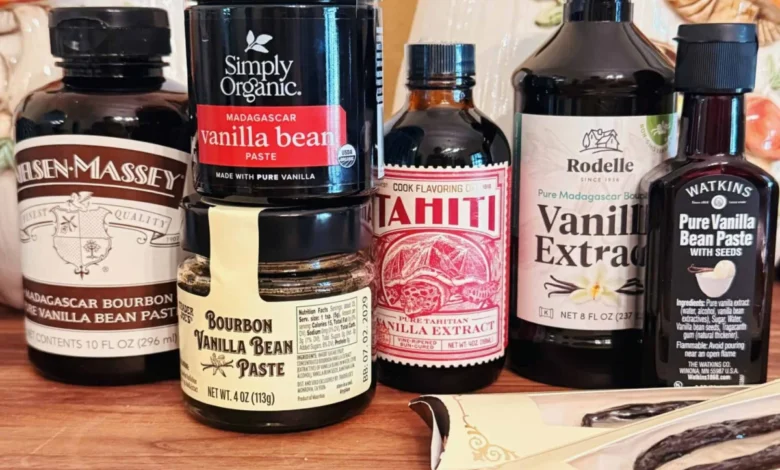
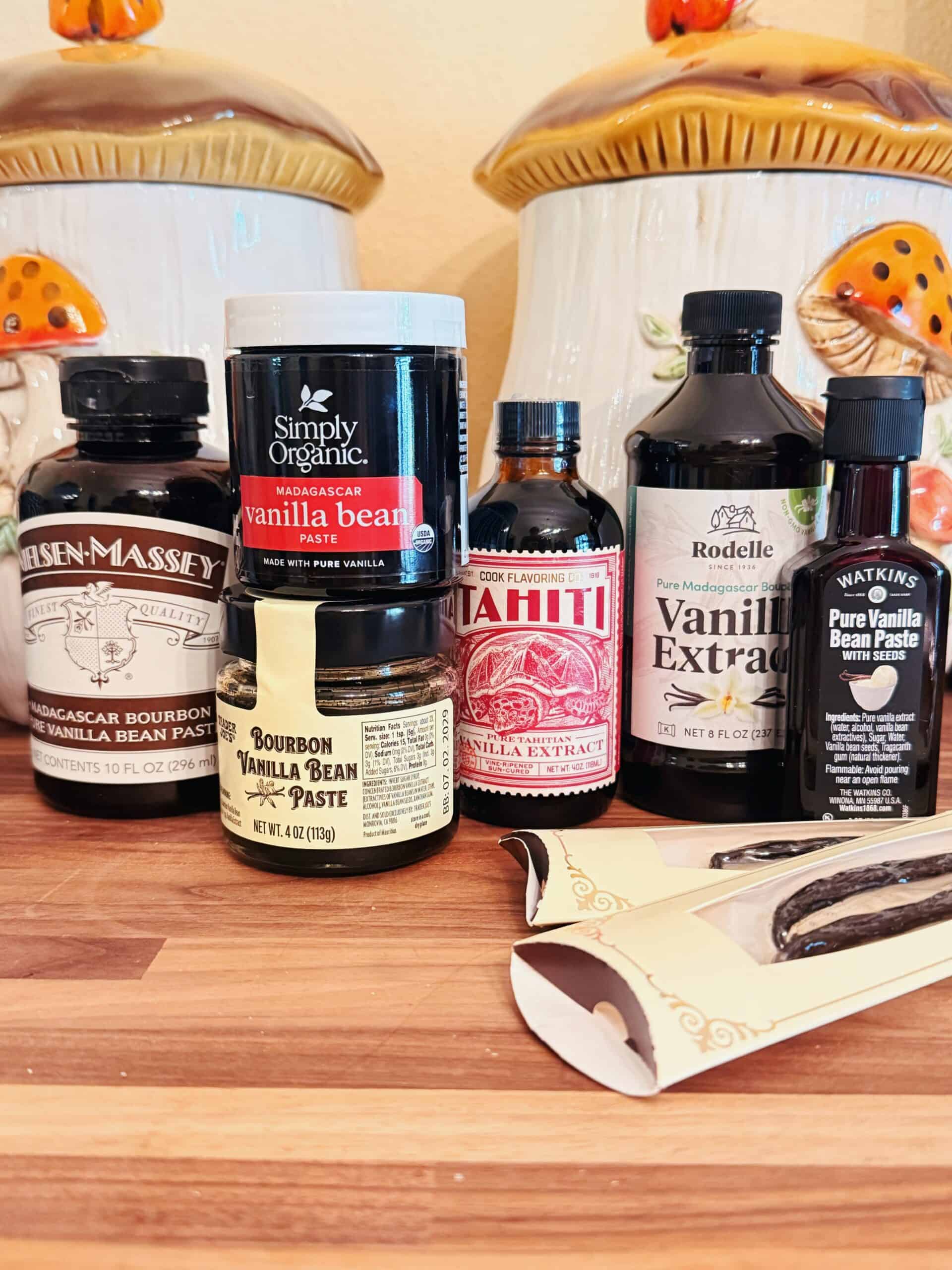
Professional bakers often distinguish between "culinary grade" and "premium" spices. Products such as Burlap & Barrel’s Royal Cinnamon have gained traction among home cooks who seek higher volatile oil content, which provides a more robust flavor profile compared to generic alternatives. This trend reflects a broader move toward ingredient transparency and provenance in home cooking. Furthermore, the practice of creating house-made vanilla bean paste—a process involving the immersion of high-quality vanilla beans in concentrated extract—is rising in popularity. With twenty-five organic beans serving as a standard quantity for enthusiast batches, the shift from mass-produced extracts to artisanal pastes suggests a consumer preference for higher vanillin concentration and aesthetic texture in baked goods.
Postpartum Wellness and the Efficacy of Personal Care Routines
The six-month postpartum milestone serves as a critical junction for physiological changes, particularly regarding dermatological and hair health. Clinical data indicates that telogen effluvium—the temporary shedding of hair—commonly peaks between three and six months after childbirth due to the normalization of estrogen levels.
In response, many individuals are turning to specialized hair care formulations that focus on scalp health rather than merely suppressing shedding, which is largely hormonal and inevitable. Rosemary oil and biotin-infused shampoo bars, such as those produced by Kitsch, have become part of a movement toward minimalist, eco-conscious hair care. While these products do not stop the underlying hormonal cause of hair loss, they are favored for their ability to add volume and texture to thinning hair, providing a psychological benefit during a stressful transition period.
Simultaneously, the management of melasma—a common skin condition characterized by dark, discolored patches—remains a primary concern for postpartum patients. The increasing demand for professional-grade topical treatments, such as the Coleman Compound, highlights the shift toward clinical-grade skincare in the home. The market for these products suggests that consumers are moving away from multi-step, complex beauty rituals in favor of high-efficacy, targeted treatments that offer measurable results within a condensed timeframe.
Digital Curation and the Rise of Newsletter Media
The proliferation of "Substack" newsletters has created a highly curated ecosystem of lifestyle, culinary, and professional advice. This medium allows for niche expertise to reach targeted audiences without the mediation of traditional publishing houses. Data suggests that readers are increasingly favoring "stacked" content—lists of recommended reading or resources—which acts as a filter for the overwhelming volume of online information.
Current trends in these digital newsletters focus on "slow living" and seasonal preparation, such as:
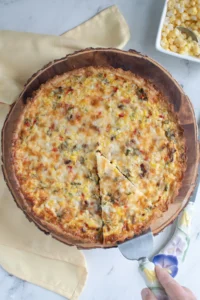
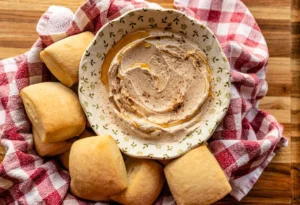
- Culinary Seasonalism: Recipes for French Onion Soup and Brown Buttered Squash reflect a desire for comfort-centric cooking that aligns with the cooling climate.
- Professional Development: Back-to-school checklists for adults, even those removed from the academic cycle, indicate a psychological attachment to the autumnal "fresh start" phenomenon.
- Lifestyle Editing: The curation of "fall favorites" by influencers like Emily Schuman serves as a signal for seasonal shopping patterns, influencing consumer behavior by validating specific aesthetic and practical choices for the upcoming winter months.
Pop Culture Recontextualization: The Hootie & the Blowfish Case Study
A recent, widespread confusion regarding the identity of the lead singer of Hootie & the Blowfish has prompted a broader discussion on the longevity and branding of 90s musical acts. The public misconception—that the band’s name reflects the lead singer’s mononym—persists despite the group’s massive commercial success.
The lead singer, Darius Rucker, transitioned from the rock-oriented sound of the 1990s to a highly successful career in country music, most notably with his 2013 cover of "Wagon Wheel." This transition has led to a generational disconnect where younger listeners or casual fans may recognize the voice without knowing the historical context of the band’s branding.
The persistence of this myth—that "Hootie" is a person—is a fascinating example of brand-identity fusion, where the band’s name becomes synonymous with the frontman. Industry analysts note that this is not unique in music history, but the longevity of the confusion surrounding Rucker speaks to the enduring, if misunderstood, legacy of his early career. Despite the realization that no member of the band bears the name Hootie, the group’s catalog, including the critically acclaimed track "Let Her Cry," remains a staple of modern radio.
Economic and Cultural Implications
The aggregation of these disparate topics—pantry management, postpartum health, digital information consumption, and pop culture identity—reveals a unified trend toward intentionality. Whether it is the conscious decision to replace stale spices with premium alternatives, the investment in targeted medical-grade skincare, or the critical filtering of online reading, the modern consumer is exercising a higher degree of curation in their daily lives.
From an economic perspective, this shift favors brands that emphasize quality, efficacy, and authenticity. As households prepare for the winter months, the focus remains on sustaining personal wellness and domestic comfort through informed, data-backed choices. The "Sunday Five" framework, which synthesizes these domestic, personal, and cultural insights, provides a snapshot of the contemporary priorities of a generation seeking stability amidst a fast-paced information environment.
In summary, the transition into the final quarter of the year is marked by a return to fundamentals. By addressing the physical environment—the kitchen and the personal care cabinet—and correcting historical misconceptions in popular culture, individuals are successfully navigating the complexities of the current seasonal shift. As trends in skincare and culinary arts continue to evolve, the emphasis remains on the integration of high-quality resources and the pursuit of efficiency in the face of ongoing physiological and societal demands.