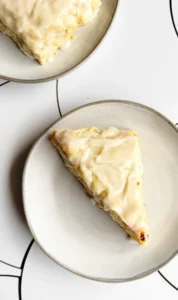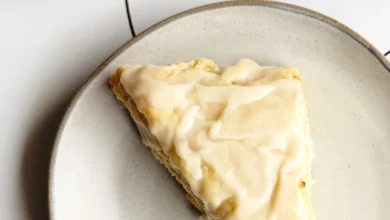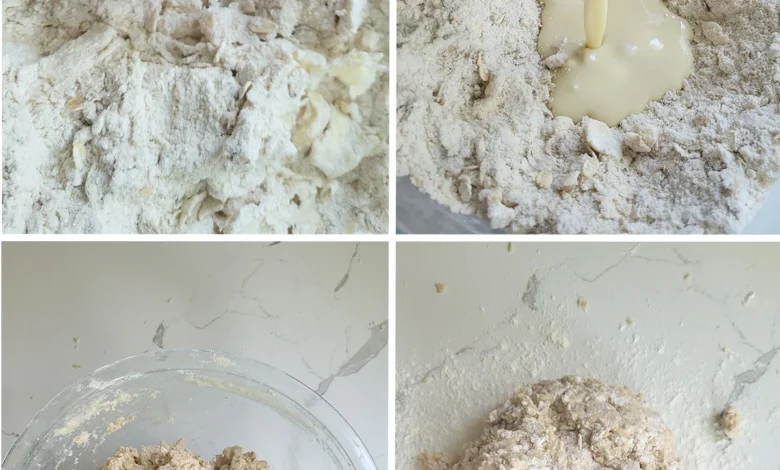
The craft of pastry baking, particularly when centered on the humble scone, requires a precise equilibrium of temperature, hydration, and technique. Recent advancements in home baking methodologies have sought to elevate the classic scone—a staple of British tea culture—by incorporating the nutritional profile and texture of rolled oats. This development focuses on the "cold-butter" technique, a foundational process in professional pastry kitchens that ensures a flaky, tender crumb while maintaining structural integrity. By replacing a portion of refined flour with high-quality rolled oats, bakers are discovering a way to achieve a moister, longer-lasting product that bridges the gap between traditional afternoon tea fare and modern, wholesome breakfast solutions.
The Science of the Scone: Technical Foundations
At its core, a high-quality scone is defined by the physical interaction between fat and flour. In professional culinary training, the "cold-butter" method is paramount. By keeping the butter at a low temperature—ideally between 35°F and 40°F—until the precise moment of baking, the baker ensures that the butter creates small, distinct layers of steam within the dough during the oven-spring phase. This is what yields the characteristic "craggy" exterior.
The introduction of oats into this equation provides more than just a textural variation. From a food science perspective, oats possess a high capacity for water absorption due to their beta-glucan content, a type of soluble fiber. When incorporated into a dough, these grains act as a moisture-retaining agent, preventing the crumb from drying out prematurely—a common failure point in standard flour-based scones. This leads to a shelf-life extension, allowing the product to remain palatable for several days post-baking.

Chronology of Development
The evolution of the oatmeal scone can be traced back to the broader movement of "elevated home baking" that gained momentum during the early 2020s. As consumers sought to replicate professional tea-shop experiences within their own kitchens, the demand for recipes that were both forgiving and "make-ahead" friendly skyrocketed.
- Initial Concept Phase: Pastry experts began experimenting with various grain inclusions, seeking to improve the satiety index of the traditional scone.
- Refinement of Technique: The application of the "Classic English Scone" methodology—specifically the avoidance of overworking the gluten—was applied to the oatmeal variant to ensure that the increased density of the oats did not result in a heavy or tough final product.
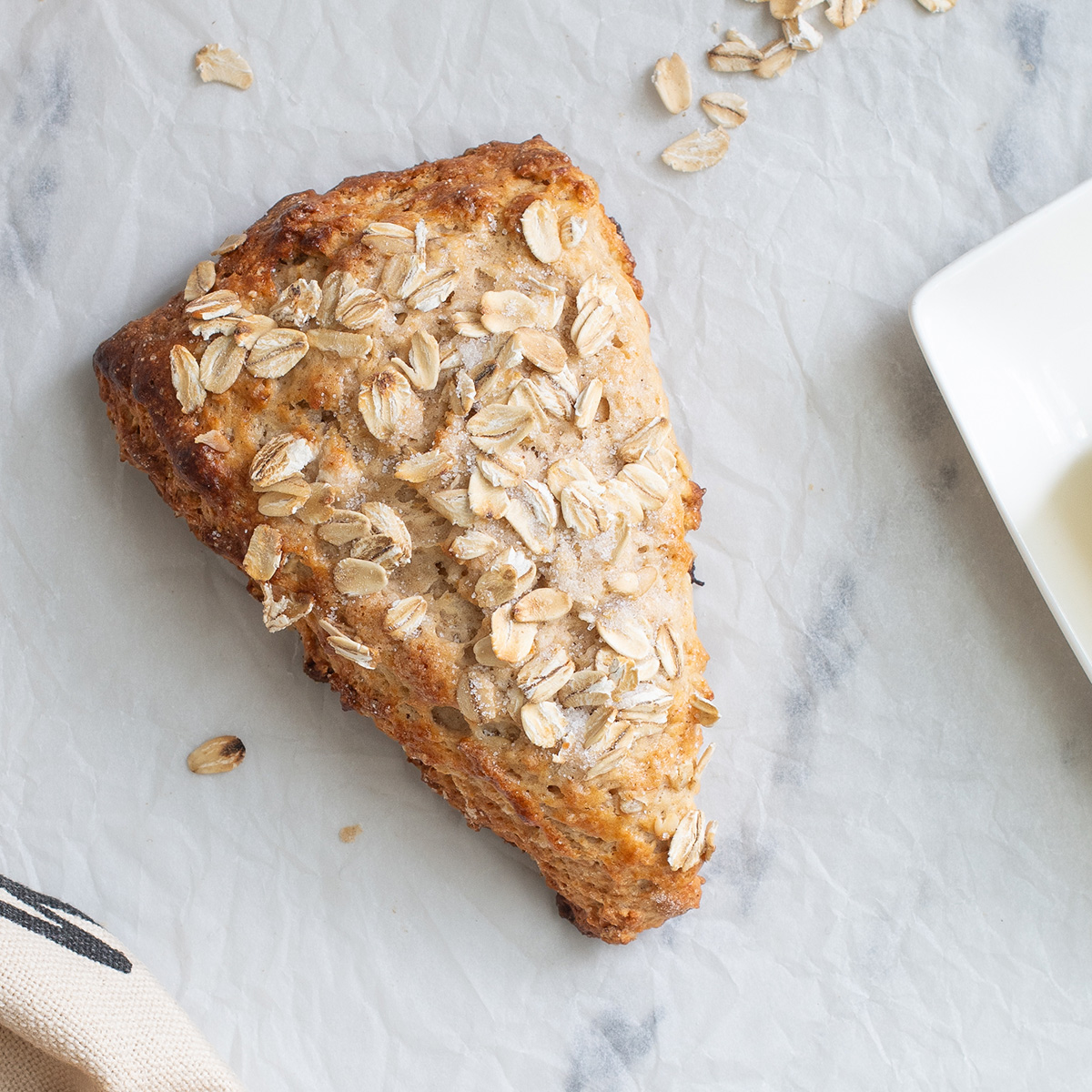
- The Modern Iteration: Recent recipes have moved toward the integration of honey and cinnamon as primary flavor enhancers, moving away from the traditional, more neutral profiles of the past. The final step of the current standard—the "oat-sugar tumble" on the exterior—was introduced to provide a tactile contrast between the crispy crust and the soft, moist interior.
Data and Nutritional Considerations
For home bakers concerned with the nutritional profile of their breakfast options, the oatmeal scone offers a distinct profile compared to its counterparts. A standard 8-serving batch typically results in a per-unit caloric density of approximately 280 kilocalories.
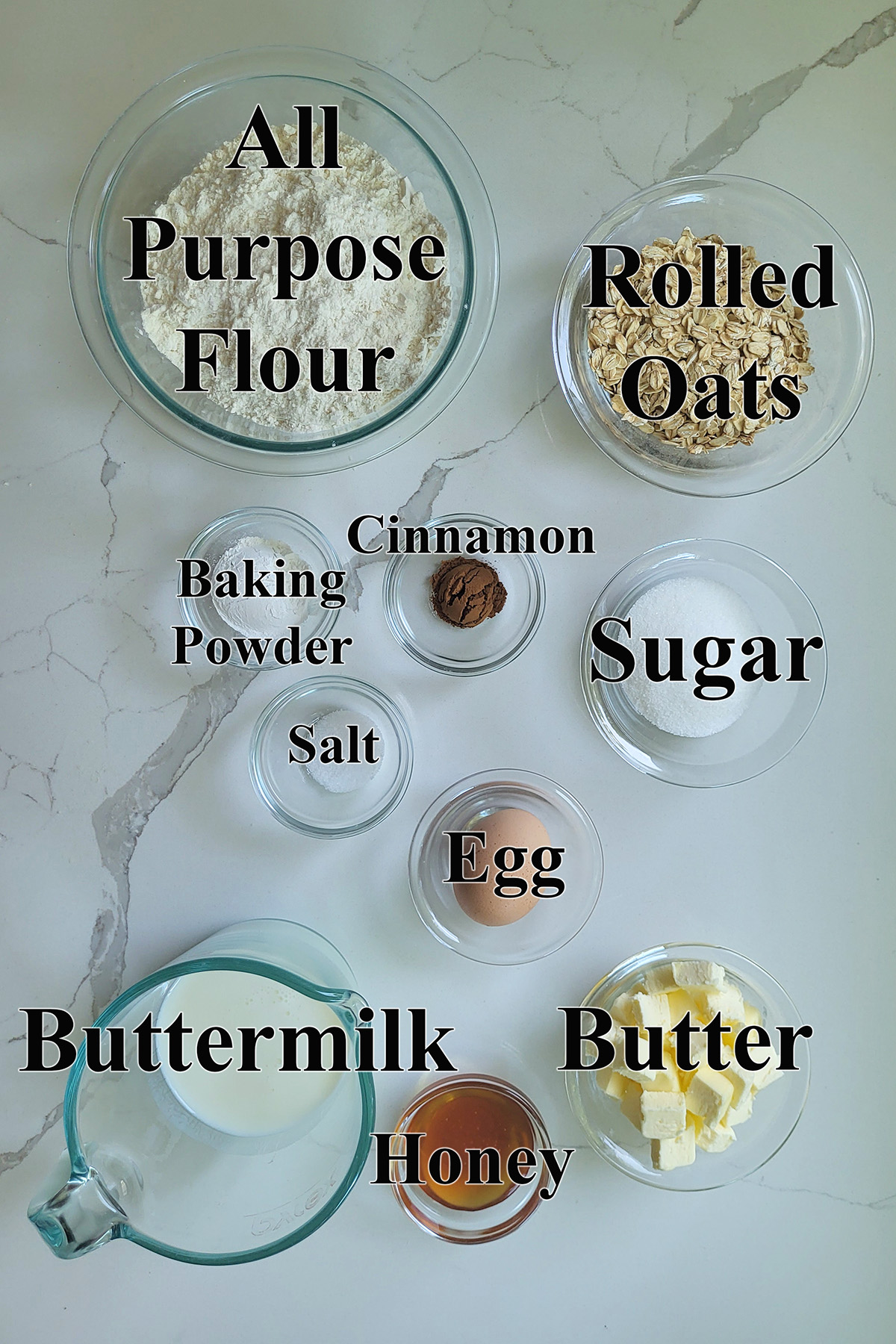
The structural breakdown of these scones reveals a complex nutritional profile:
- Fiber Content: By incorporating whole rolled oats, the fiber content is significantly boosted compared to refined white flour scones, aiding in sustained energy release.
- Saturated Fat Management: By utilizing the cold-butter technique, the total fat content is kept within a moderate range (approximately 11g per scone), while the emphasis on temperature control prevents the butter from fully incorporating into the flour, which can lead to a greasier product.
- Mineral Density: The inclusion of oats contributes essential minerals, including manganese, phosphorus, and magnesium, which are often absent in highly processed baked goods.
Professional Perspectives and Best Practices
In professional baking environments, the primary concern when working with high-moisture, high-fiber doughs is the handling of the "tacky" consistency. Expert pastry chefs emphasize that the common mistake of rinsing hands with water during the assembly phase is counterproductive. The interaction between water and the proteins in the dough activates gluten and creates a sticky mess that is difficult to manage.
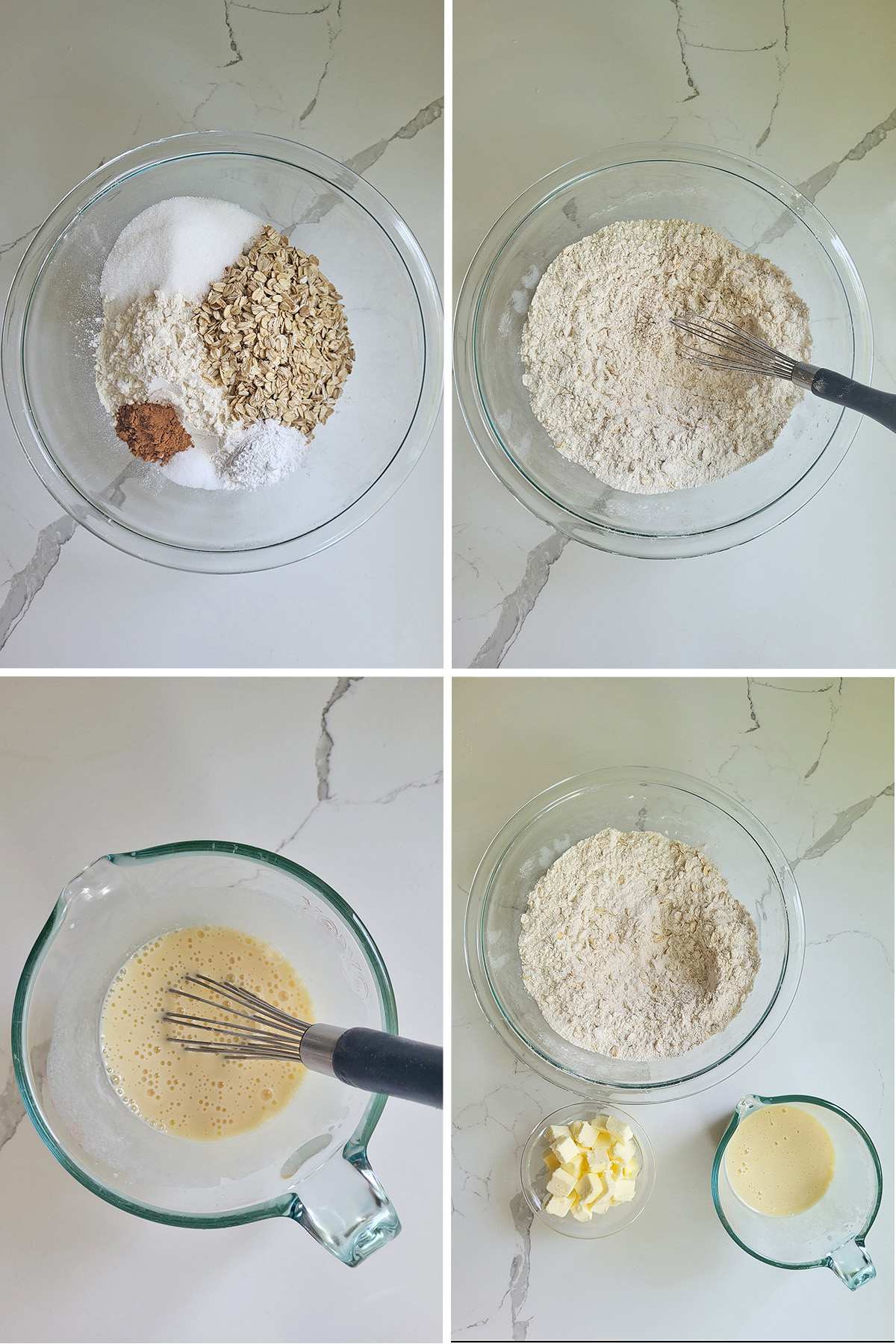
The industry-standard solution is the "flour-dusting" technique. By coating the hands in a fine layer of flour, the baker creates a barrier that allows for the shaping of the dough into a cohesive 8-inch round without stripping away the dough’s inherent moisture. This technique is critical for maintaining the specific "tender" crumb that defines a high-quality scone.
Strategic Planning: The "Make-Ahead" Advantage
One of the most significant implications of this recipe’s rise in popularity is its suitability for batch preparation. The ability to prepare the dough, refrigerate it overnight, and bake it on-demand has made the oatmeal scone a viable option for professional catering and busy home households alike.
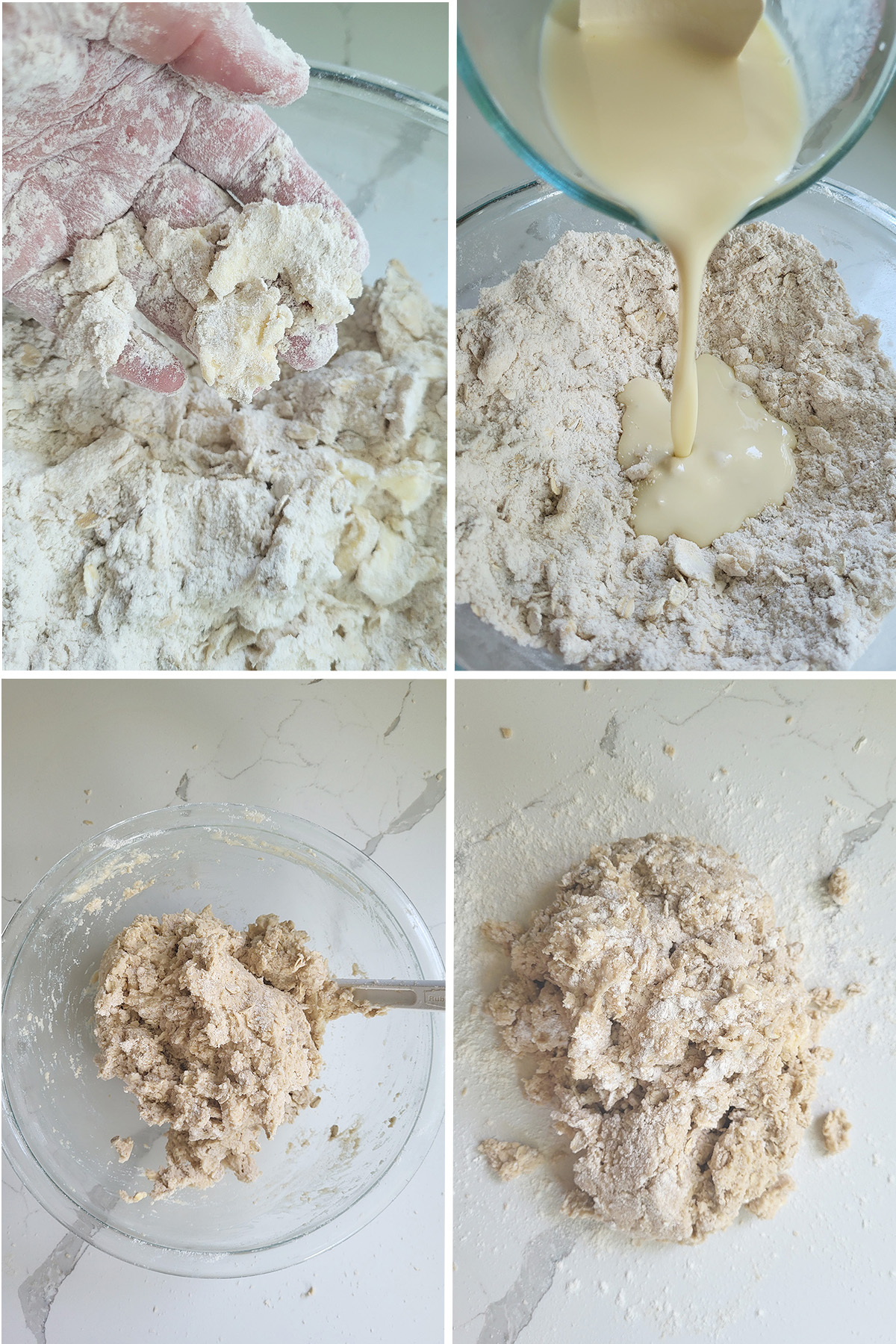
From a culinary management standpoint, chilling the dough overnight offers two distinct benefits:
- Hydration Equilibrium: During the resting period, the oats fully hydrate, ensuring that the moisture is evenly distributed throughout the dough rather than concentrated at the surface.
- Fat Stabilization: The cooling period ensures the butter remains solid, which is the key to achieving the desired flaky architecture upon contact with the high heat of the oven.
Broader Impact on Home Baking Trends
The shift toward recipes like these oatmeal scones indicates a broader consumer trend toward "ingredient-conscious" baking. As consumers become more adept at identifying high-quality ingredients, the focus has shifted from "fast and easy" to "refined and sustainable."
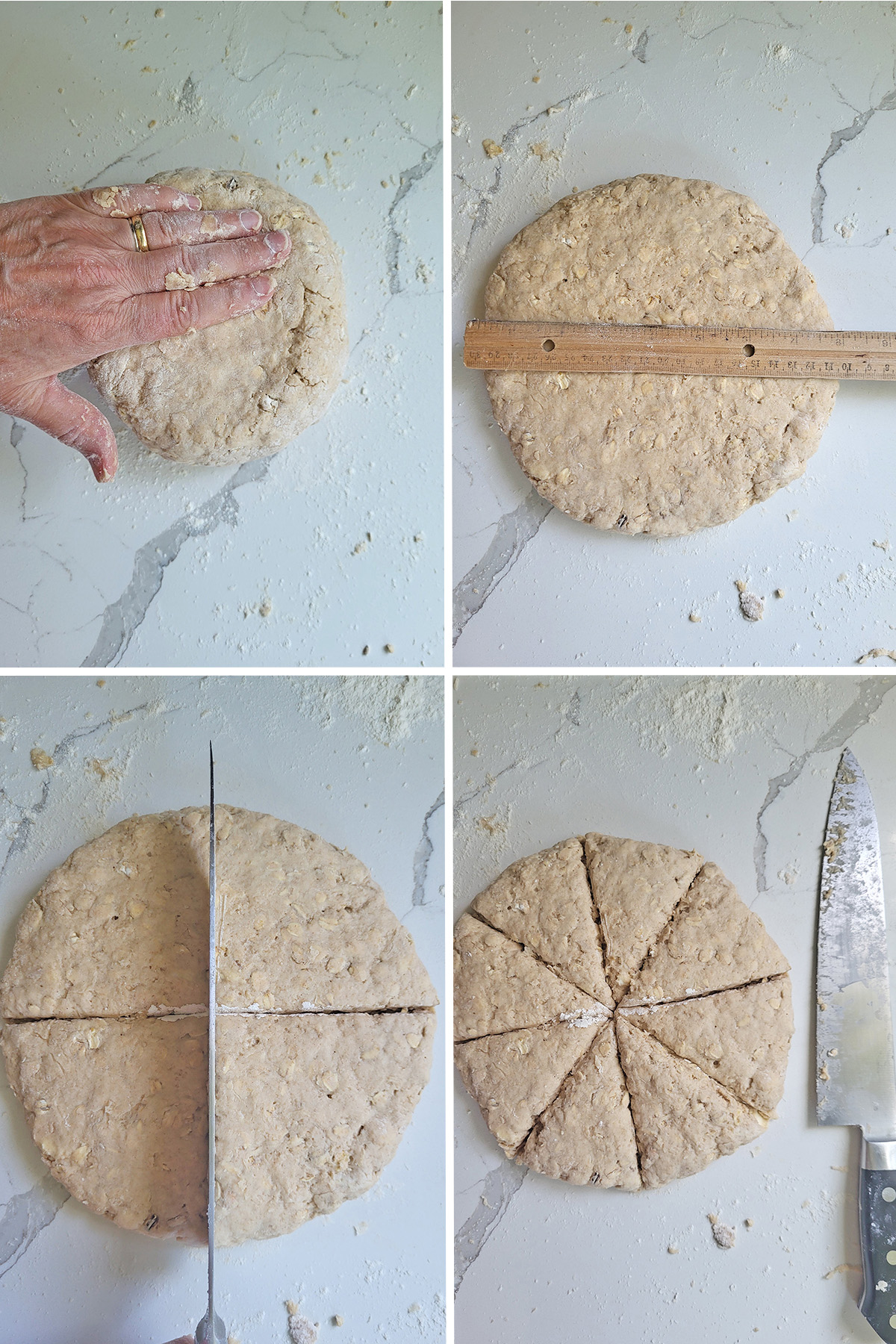
The implications for the home baker are clear: professional-grade results are no longer reserved for those with commercial equipment. By mastering foundational techniques—such as the cold-butter method—and understanding the chemical properties of ingredients like oats and honey, the amateur baker can produce a product that competes with high-end artisanal bakeries.
Furthermore, the adaptability of this base recipe suggests a path forward for future innovation. By modifying the add-ins—incorporating dried fruits, nuts, or even savory elements—the fundamental structure remains stable. The success of the oatmeal scone serves as a case study for how traditional techniques can be successfully adapted to incorporate modern dietary preferences, proving that the scone remains a dynamic and evolving component of the global culinary landscape. As food costs continue to fluctuate, the efficiency of this recipe—using standard, shelf-stable pantry staples—reinforces its position as an economical and high-value option for the modern kitchen.