Michelin Star Pioneer Roberto Solís is Redefining Modern Yucatecan Cuisine in Mérida

The culinary landscape of the Yucatán Peninsula has experienced a profound metamorphosis over the past two decades, largely spearheaded by Chef Roberto Solís. Operating from Mérida, Mexico, Solís has transitioned from a reluctant kitchen manager into an internationally recognized culinary innovator. His pioneering vision reached a historic milestone in May 2026, when his establishments, Huniik and La Barra de Huniik, were each awarded a Michelin star. This dual recognition marks the first time any restaurant in Mérida has received the prestigious distinction, cementing the city’s status as an emerging global gastronomic hub.
The journey to international acclaim was neither rapid nor straightforward. Solís entered the restaurant industry in 2003 with the opening of Néctar in Mérida without any formal culinary training. Forced to step into the kitchen due to unexpected personnel issues, he began a rigorous self-education process guided by culinary texts, continuous experimentation, and unwavering determination.
Global Stages and the Birth of a Philosophy
In the years following Néctar’s inception, Solís sought to refine his technical expertise by embedding himself within some of the most celebrated and demanding kitchens across the globe. His international trajectory included stints at culinary institutions such as René Redzepi’s Noma in Denmark, Heston Blumenthal’s The Fat Duck in the United Kingdom, Thomas Keller’s Per Se in New York, and Yoshihiro Narisawa’s eponymous restaurant in Japan.
Each kitchen imparted distinct lessons that would eventually form the foundation of his culinary philosophy. From Per Se, Solís absorbed the rigorous discipline required in fine dining. The Fat Duck introduced him to the integration of modern technology and food science. Narisawa instilled a deep sense of humility and reverence for ingredients, while his time at Noma provided a transformative realization: the necessity of embracing one’s native roots. Surrounded by the hyper-local foraging philosophy of the Nordic movement, Solís recognized that the indigenous ingredients and ancestral culinary traditions of the Yucatán held a value equal to, if not surpassing, any found abroad.
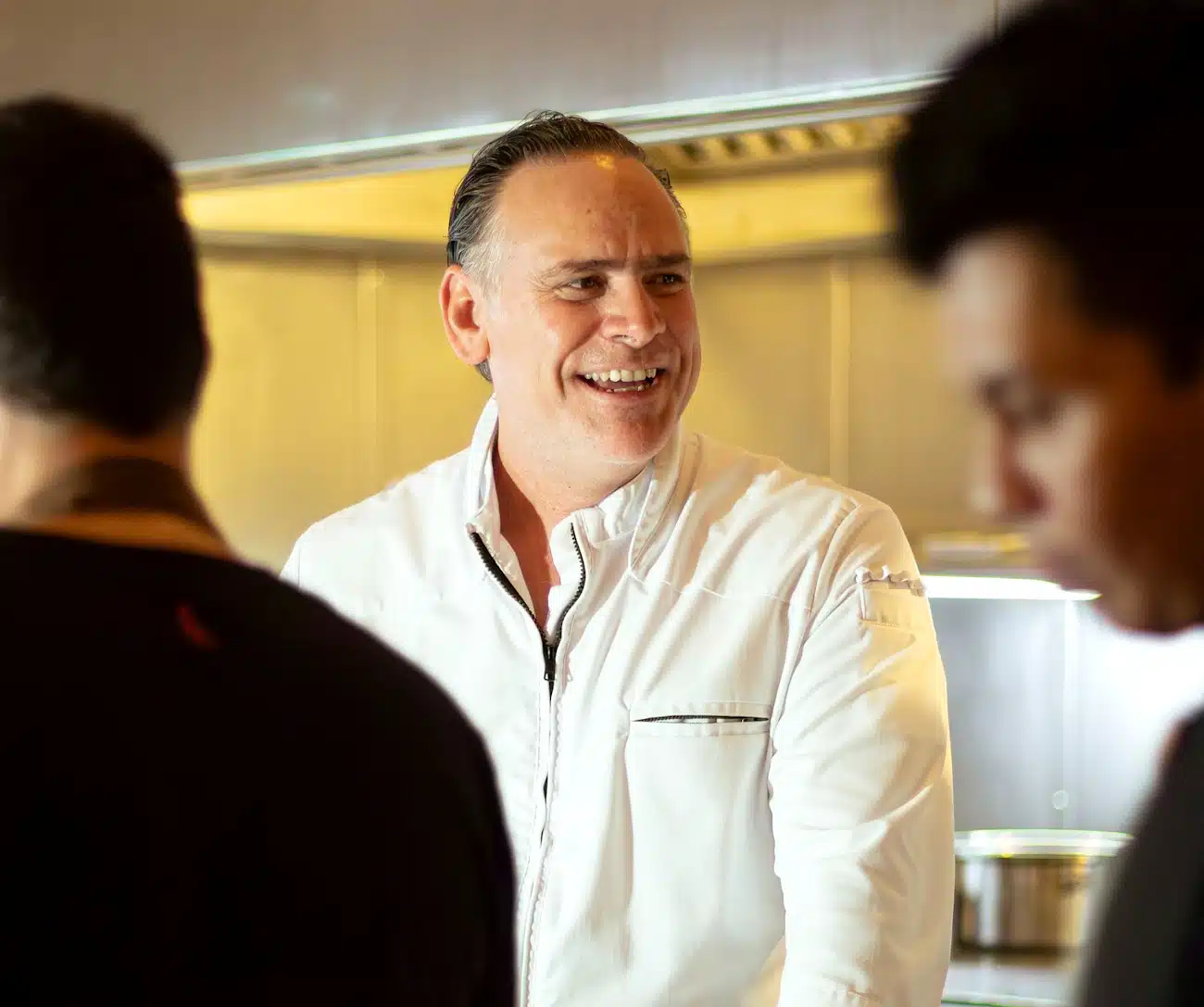
Upon returning to Mexico, Solís identified a glaring gap in the regional food scene. While traditional Yucatecan cuisine was rich in history, it had remained largely static, lacking an evolutionary pathway suited for contemporary dining. This realization catalyzed the birth of "New Yucatecan Cuisine"—a movement dedicated to applying modern culinary techniques and sophisticated presentation to indigenous ingredients while preserving the distinct cultural identity of the region.
The Hurdle of Local Resistance and Cultural Evolution
Introducing avant-garde culinary concepts to a deeply traditional market presented formidable challenges. When Solís initially overhauled Néctar’s menu to reflect his newly acquired international techniques, the local response was overwhelmingly resistant. Diners accustomed to deeply familiar, time-honored preparations were hesitant to embrace altered textures and unconventional flavor profiles.
Faced with potential alienation of his core clientele, Solís adapted his strategy. He maintained classic crowd-pleasers on the menu while introducing his contemporary creations as limited specials. This incremental approach allowed local patrons to slowly acclimate to novel flavor combinations and innovative presentations. Over time, this patient persistence fostered a broader cultural acceptance, paving the way for a wider appreciation of modern gastronomy throughout the city.
Remaining anchored in Mérida rather than migrating to culinary powerhouses like Mexico City or international capitals allowed Solís to maintain an intimate connection with the local ecosystem. His cuisine relies heavily on native ingredients, sourced directly from regional producers and agricultural communities that preserve ancient Maya farming practices, particularly concerning heritage varieties of corn.
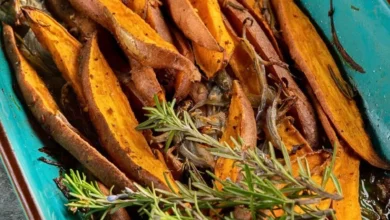
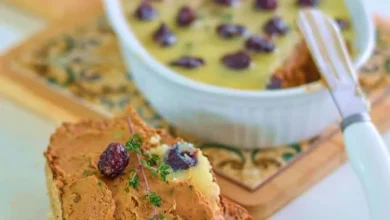
Among the foundational elements of his cooking are recado negro—a complex paste made from charred chili peppers and spices that demands exceptional technical precision to avoid bitterness—and sour orange, an acidic citrus fruit unique to the region’s culinary profile. One of his signature dishes, the black onion, encapsulates this philosophy. Inspired by Japanese tempura techniques learned abroad, the dish features a humble onion elevated through the incorporation of corn and recado negro, paired with a filling of xcatik chili mayonnaise. It serves as a physical manifestation of cross-cultural technique applied to regional identity.
A Historic Milestone: The 2026 Michelin Recognition
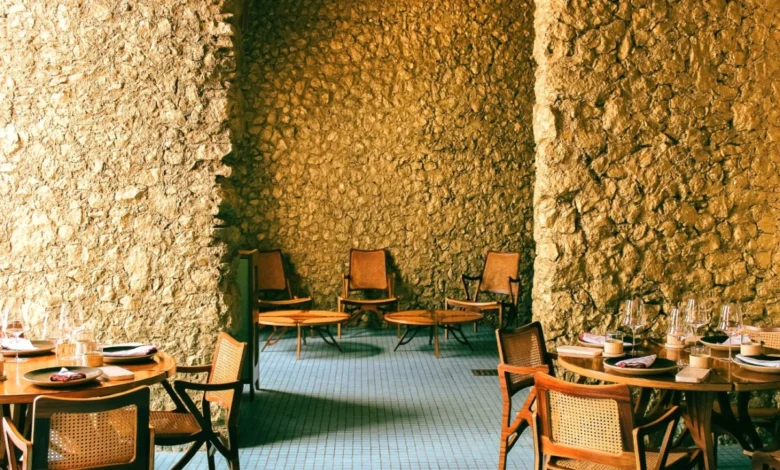
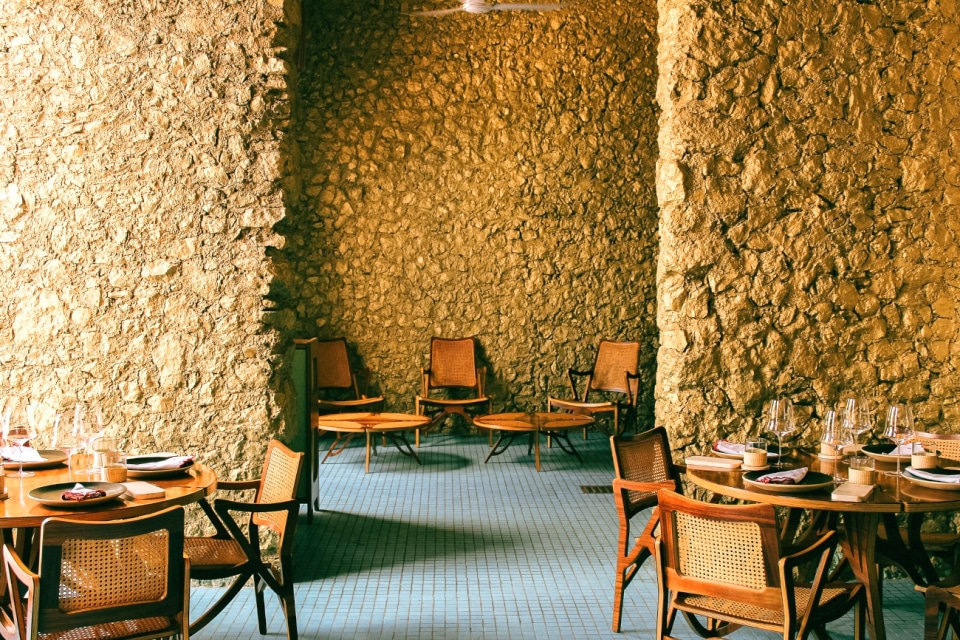
The culmination of Solís’s two-decade crusade arrived in May 2026, when the Michelin Guide awarded stars to both Huniik and La Barra de Huniik. Huniik delivers an intimate, highly technical fine-dining experience focused on elevated Yucatecan tasting menus. In contrast, La Barra de Huniik adopts an omakase-style chef’s counter format centered primarily around corn, offering a more accessible price point and a casual atmosphere inspired by Japanese dining culture.
Additionally, the front-of-house operations at Huniik received individual accolades, with director Rodrigo Caltenco Núñez being honored with the Michelin Guide’s Service Award for 2026. This recognition highlighted the critical role that rigorous hospitality and storytelling play in bridging the gap between complex culinary concepts and diner comprehension.
For Solís, the Michelin stars serve not as a final destination, but as a catalyst for future expansion and ambition. Rather than fostering complacency, the accolade provided validation for established standards while exposing a broader horizon of potential. The achievement has reinforced the chef’s conviction that regional Mexican cuisine possesses untapped depths awaiting global exploration.
Broader Economic and Gastronomic Implications
The recognition of Mérida by the Michelin Guide signals a broader shift in international culinary tourism within Mexico. Historically, the country’s fine-dining accolades were concentrated heavily in Mexico City, Oaxaca, and major tourist enclaves like Baja California and the Riviera Maya. The inclusion of Mérida expands the recognized map of Mexican gastronomy, drawing international attention to the interior of the Yucatán Peninsula.
This burgeoning status, however, brings its own set of economic and cultural challenges. As an influx of domestic and international migration transforms Mérida’s demographics, local restaurateurs face the delicate task of balancing the expectations of well-traveled global diners with the comfort levels of long-term residents. Customer expectations regarding service standards and pricing are shifting, creating both competitive pressures and opportunities for local culinary talent.
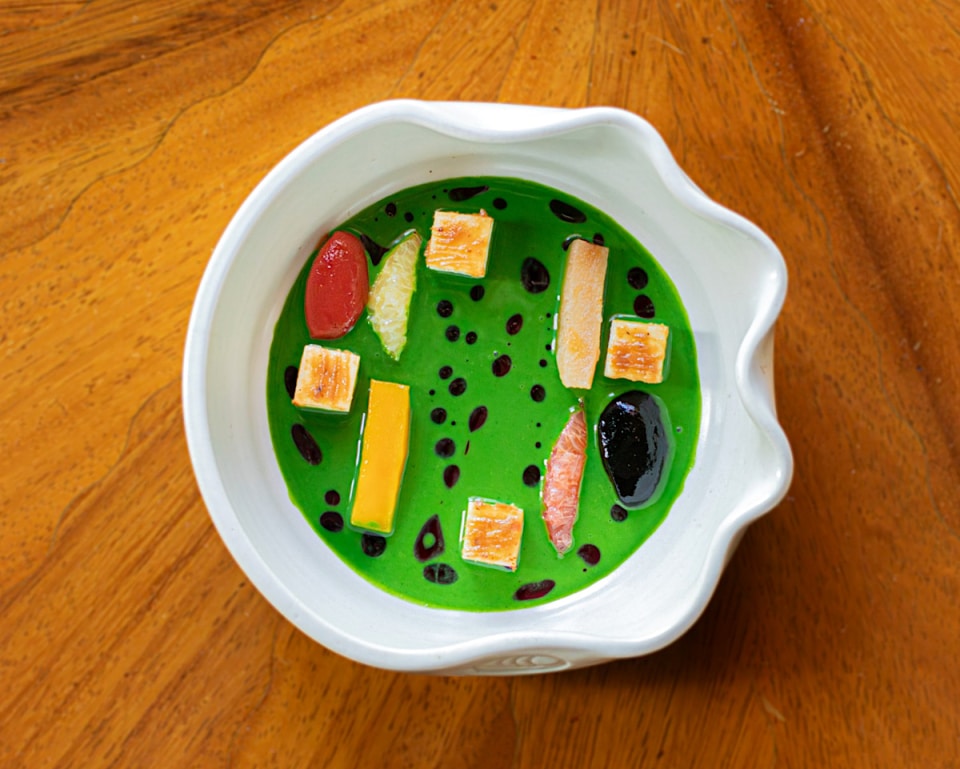
Furthermore, the emphasis on native ingredients such as heirloom corn, recado pastes, and indigenous chiles reinforces the economic viability of small-scale agricultural producers in the Yucatán. By forging direct supply chains with rural communities, high-end establishments help safeguard agricultural biodiversity and traditional farming knowledge against the pressures of industrial modernization.
As Chef Roberto Solís continues to refine his dual restaurant concepts, his trajectory underscores the viability of regional innovation. By anchoring global techniques in deep-seated local traditions, he has established a durable blueprint for the future of Yucatecan gastronomy—one that honors ancestral heritage while persistently pushing the boundaries of what regional cuisine can achieve on the world stage.