Consuming Refrigerated Rice as a Strategic Dietary Tool for Glycemic Control and Metabolic Health

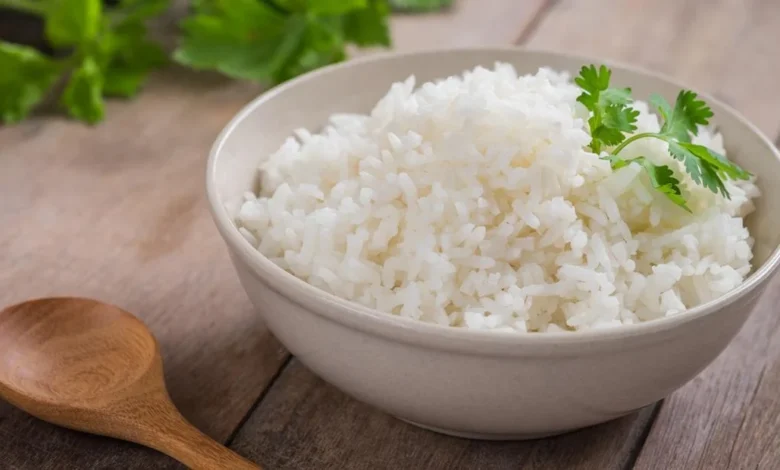
Jakarta — The perception that leftover rice possesses a more favorable nutritional profile for those managing blood glucose levels has long been a subject of debate in nutritional science. Recent insights from clinical nutrition experts have clarified the mechanism behind this phenomenon, confirming that the cooling process can indeed alter the starch structure of rice, thereby lowering its glycemic impact. This transition, which transforms digestible starch into resistant starch, is increasingly viewed as a practical dietary intervention for individuals with diabetes mellitus or those pursuing weight management objectives.
The Science of Resistant Starch and Glycemic Regulation
At the core of this nutritional phenomenon is the concept of resistant starch (RS). Starch is a primary carbohydrate found in grains like rice. When rice is cooked, the starch granules absorb water and swell, a process known as gelatinization, which makes the starch easily digestible and prone to causing a rapid spike in blood glucose levels.
However, when cooked rice is subjected to cooling—specifically within a refrigerated environment—a process called retrogradation occurs. During retrogradation, the starch molecules reorganize into a crystalline structure that is resistant to the digestive enzymes in the small intestine. Because these molecules remain largely intact until they reach the large intestine, they act more like dietary fiber than simple carbohydrates.
Dr. Igus Ulfa Yaze, a specialist in clinical nutrition, recently addressed these mechanisms during an industry health broadcast. She emphasized that the transformation of starch into resistant starch is highly dependent on environmental variables. "The health benefits associated with cold rice are not automatic; they depend entirely on storage protocols," Dr. Yaze noted. By placing cooked rice in an airtight container within a refrigerator, the temperature drop facilitates the crystallization of starch, effectively lowering the glycemic index (GI) of the meal compared to rice served hot, directly from the cooker.
Chronology of Dietary Recommendations for Glucose Management
For decades, dietary guidelines for diabetes management have focused heavily on portion control and the selection of low-GI carbohydrates. The shift toward incorporating "cold" or "re-cooled" starches represents a evolution in these guidelines. Historically, patients were simply told to avoid white rice entirely. Today, nutritional professionals are adopting a more nuanced approach, focusing on the preparation and storage of starches rather than their total exclusion.
The recent discourse surrounding this practice gained traction following renewed public interest in metabolic health, particularly in urban centers like Jakarta where rice is a staple food. During a health-focused event on November 5, 2026, experts reiterated that for individuals with insulin resistance, the temperature of the starch consumed is as significant as the type of rice itself. The recommendation is to allow freshly cooked rice to cool to room temperature and then refrigerate it overnight before consumption. This period of cooling is essential for the formation of the resistant starch matrix that prevents the "spike" in blood sugar levels typically seen after a high-carbohydrate meal.
Supporting Data and Metabolic Implications
The implications of resistant starch intake are supported by various metabolic studies. Resistant starch is known to provide a slower, more sustained release of glucose into the bloodstream. This is particularly critical for patients with Type 2 diabetes, who often struggle with glycemic variability.
Data suggests that resistant starch may also promote satiety. Because it is not rapidly broken down into glucose, it helps modulate appetite-regulating hormones, potentially aiding in weight loss efforts. Furthermore, because resistant starch reaches the colon relatively undigested, it serves as a prebiotic, feeding the beneficial gut microbiota. This fermentation process produces short-chain fatty acids, such as butyrate, which are linked to improved insulin sensitivity and reduced inflammation.
However, the efficacy of this strategy is contingent upon consistent adherence to proper storage. If the rice is left at room temperature for extended periods in humid climates, it risks bacterial contamination, specifically Bacillus cereus, which can produce toxins causing food poisoning. Thus, the clinical recommendation includes strict adherence to food safety standards: refrigerate promptly after the rice has reached room temperature, and ensure it is stored in a sealed container to prevent moisture loss and contamination.
Expert Perspectives and Clinical Best Practices
The clinical community has been careful to manage expectations regarding this dietary habit. While the reduction in glycemic index is significant, it does not transform rice into a "free" food that can be consumed in unlimited quantities.
"The fundamental rule is to avoid ‘re-processing’ the rice," Dr. Yaze clarified. A common error among those attempting to follow this diet is the transformation of cold rice into fried rice (nasi goreng). The addition of fats, oils, and high-sodium seasonings during the frying process negates the glycemic benefits of the resistant starch and introduces unnecessary caloric density. To maximize the health benefits, the rice should be consumed as is, or gently reheated without the addition of heavy oils or sugars.
The medical consensus remains that while cooling rice is a viable strategy for improving the quality of carbohydrate intake, it should be viewed as one component of a holistic dietary approach. This includes the integration of high-fiber vegetables, lean proteins, and healthy fats, which together act to further buffer the blood glucose response.
Broader Impact on Public Health Policy
The acknowledgment of resistant starch as a tool for diabetes management reflects a broader trend in public health: the shift from restrictive dieting to "smart" food preparation. For a population where rice is the primary source of caloric intake, this discovery offers a low-cost, accessible intervention.
The implications for public health are substantial. In nations with high prevalence rates of diabetes, simple, evidence-based modifications to food handling can serve as a primary prevention strategy. If widely adopted, the practice of cooling starches could assist in reducing the overall glycemic load of the national diet, potentially lowering the burden on healthcare systems currently managing the complications of metabolic syndrome.
Looking ahead, public health authorities are encouraged to disseminate these findings with clear caveats. The messaging must be twofold: first, the nutritional benefit of retrograded starch; and second, the imperative of food safety. Improper handling of leftover rice can lead to significant gastrointestinal illness, which would undermine any metabolic gains.
Conclusion
The evolution of understanding regarding rice and its starch composition underscores the importance of food science in daily nutrition. By transitioning from the traditional preference for hot, freshly cooked rice to the inclusion of cooled, resistant-starch-rich alternatives, individuals can better manage their glycemic response. While not a cure-all, the practice of cooling rice provides a scientifically sound method to optimize the nutritional impact of a staple food. As research continues to map the benefits of resistant starch, it remains clear that the way we prepare and store our food is as vital to our health as the ingredients we choose to include on our plates. Moving forward, education campaigns should focus on the technical aspects of this process, ensuring that the public understands not just the "why," but the precise "how" to achieve these health outcomes safely and effectively.