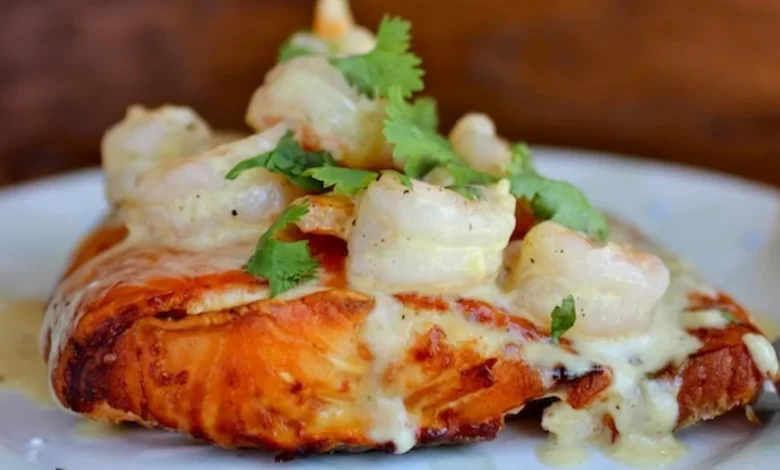
The Culinary Evolution of Salmon and Seafood Pairings
The combination of salmon and shellfish has long been a hallmark of coastal gastronomy, particularly in regions where diverse marine resources are readily available. In the context of contemporary home cooking, the integration of a shrimp-based sauce over a baked salmon fillet serves as an exercise in layering textures. While salmon offers a firm, oily, and rich mouthfeel, the shrimp provides a clean, snap-like texture that complements the tender flakiness of the fish.
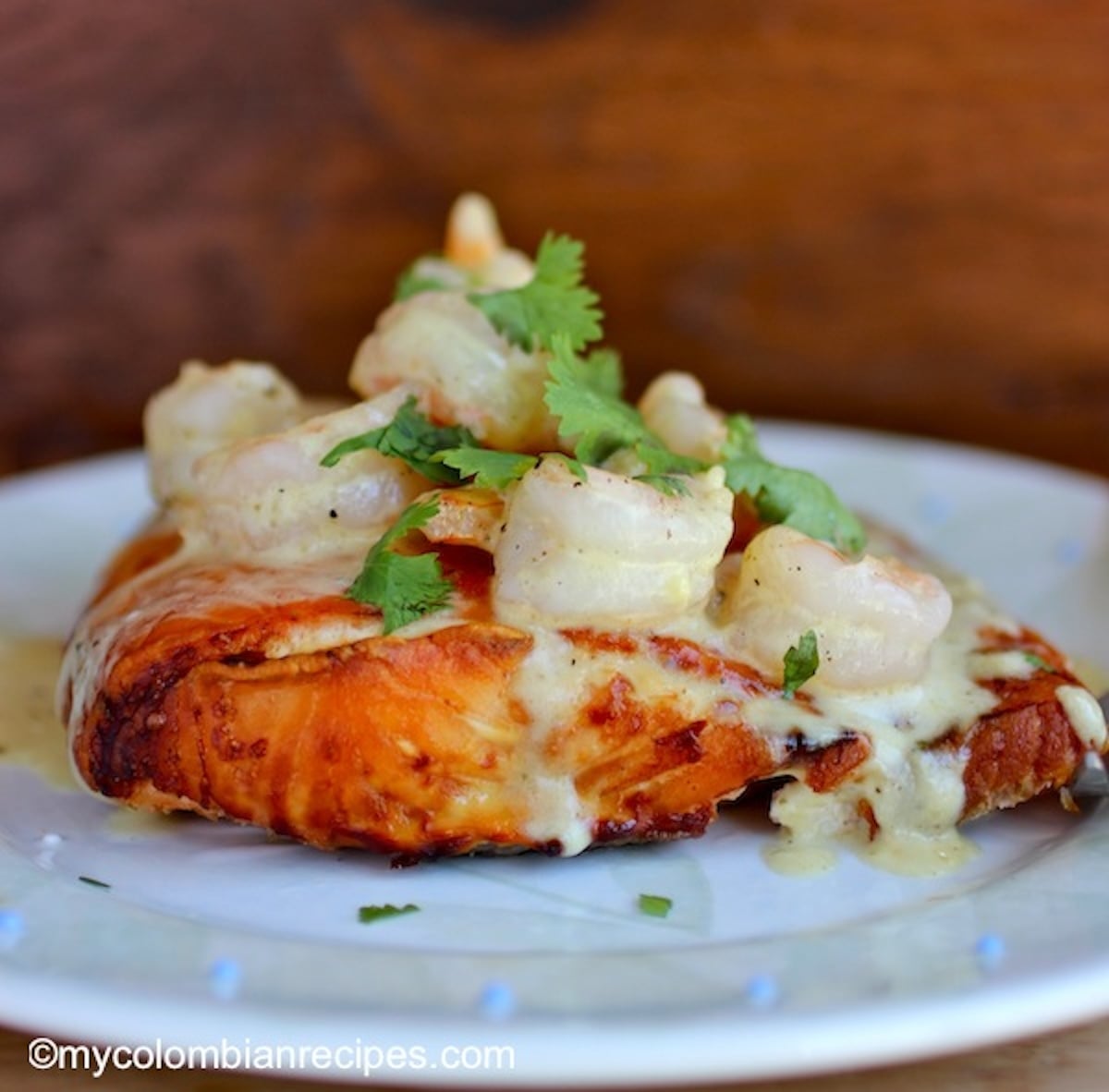
From a nutritional standpoint, the pairing is highly regarded. According to the United States Department of Agriculture (USDA) dietary guidelines, incorporating fatty fish like salmon at least twice per week is recommended to support cardiovascular health. When supplemented with shrimp—a crustacean high in protein and low in caloric density—the dish becomes a powerhouse of essential minerals including selenium, Vitamin B12, and phosphorus.
Chronology of Preparation and Culinary Methodology
Achieving the ideal consistency for the sauce while maintaining the integrity of the salmon requires a structured approach to heat management. Professional culinary standards for this dish generally dictate a two-stage cooking process.
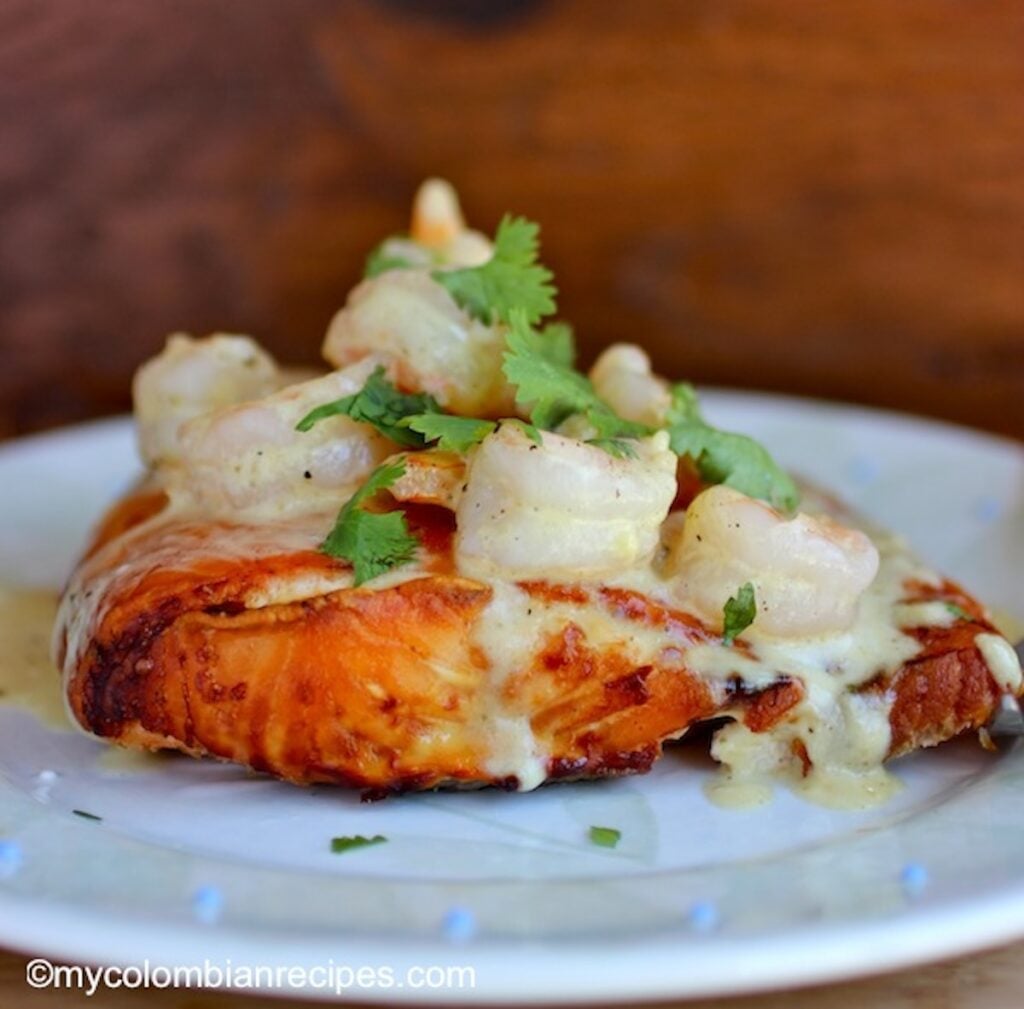
The initial phase involves the preparation of the salmon. Standard protocols recommend oven-baking at 400°F (200°C) for approximately 12 to 15 minutes, depending on the thickness of the fillet. This method ensures that the protein denatures evenly, resulting in a moist interior and a slightly crisp exterior.
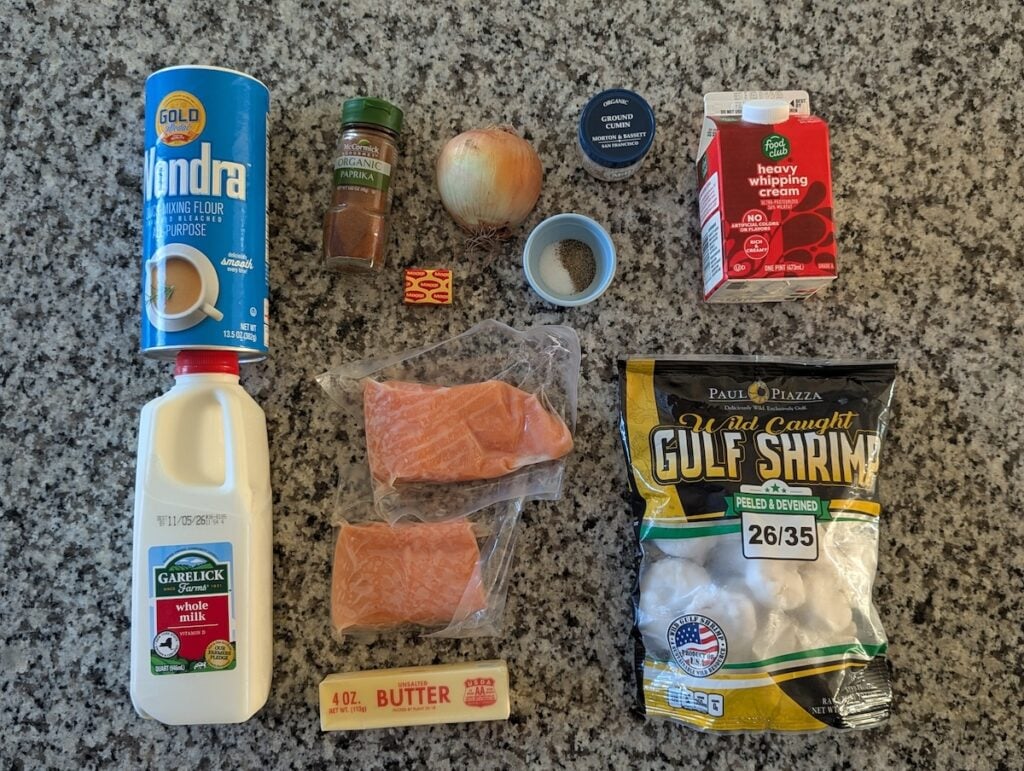
The second phase is the assembly of the sauce. The foundation typically relies on aromatics—often garlic and shallots—sautéed in a combination of butter or olive oil. Once the aromatics are translucent, the shrimp are introduced. Because shrimp are highly susceptible to overcooking, they are usually seared for no more than two to three minutes per side until they turn opaque. The sauce is then emulsified using a base of cream, white wine, or a reduction of vegetable stock, often finished with fresh herbs such as parsley or chives to provide a sharp, herbaceous contrast to the richness of the cream.

Economic and Logistical Implications for Home Cooks
The popularity of this dish is underscored by its cost-to-benefit ratio. Market analysis of supermarket trends indicates that while salmon and shrimp are categorized as premium proteins, their quick-cooking nature reduces energy consumption in the home. Unlike slow-cooked meats that may require hours of oven time, this dish can be brought from preparation to table in approximately 30 minutes, making it an efficient option for time-constrained professionals.
Furthermore, the versatility of the dish allows for significant regional adaptation. In many Latin American households, for instance, the recipe is often served alongside coconut-infused rice or fried plantains (patacones), which provide a sweet and starchy contrast to the savory, umami-forward sauce. In Mediterranean-influenced regions, the same dish might be accompanied by roasted potatoes or wilted greens like spinach or kale, highlighting the global appeal of the core flavor profile.
Supporting Data and Nutritional Breakdown
For a standard four-serving portion of salmon with shrimp sauce, the approximate nutritional content is as follows:
- Total Calories: 530 kcal
- Protein: 64g
- Total Fat: 23g (Saturated fat: 9g)
- Carbohydrates: 15g
- Cholesterol: 316mg
- Sodium: 296mg
The high protein count relative to the carbohydrate count aligns with many low-glycemic dietary plans. The presence of monounsaturated and polyunsaturated fats, primarily derived from the salmon, serves as a vital component for cognitive and heart health. However, home cooks are advised to monitor sodium intake if using pre-packaged stocks or heavy seasoning blends in the sauce preparation.

Expert Insights on Ingredient Sourcing
Culinary experts emphasize that the quality of the end product is inextricably linked to the sourcing of the seafood. Sustainable aquaculture practices have made high-quality salmon more accessible, but experts suggest looking for certifications such as the Marine Stewardship Council (MSC) or the Aquaculture Stewardship Council (ASC) to ensure the fish was raised or caught in an environmentally responsible manner.
When selecting shrimp, the distinction between "fresh" and "previously frozen" is often negligible, as the vast majority of commercial shrimp is flash-frozen at the source to maintain quality. The key, according to food scientists, is the thawing process; slow-thawing in the refrigerator overnight, rather than using quick-thaw warm water methods, prevents the breakdown of cellular structure, ensuring the shrimp maintains its desired "bite" during the final sear.

Broader Impact and Social Significance
The act of preparing such a meal often carries cultural significance, particularly in families where traditional recipes are passed down through generations. The practice of preparing a "special" meal—one that appears elegant yet is derived from simple, high-quality ingredients—serves a social function in strengthening familial bonds.
In the modern era, where the "dinner party" has become less formal but no less significant, dishes like salmon with shrimp sauce serve as a bridge. They allow the host to spend less time isolated in the kitchen and more time engaging with guests, as the components can be largely prepped in advance. This shift toward "low-stress, high-impact" dining is expected to continue influencing home cooking trends throughout the decade.

Future Perspectives on Seafood Consumption
As global food security concerns rise, the shift toward sustainable seafood consumption is likely to increase. Salmon and shrimp remain the two most popular seafood items in the American market. Innovations in recirculating aquaculture systems (RAS) and improved wild-catch management are stabilizing supply chains, which in turn keeps these recipes viable for the average consumer.
As consumers become more discerning about the origins of their food, the transparency of the supply chain will likely become a factor in the preparation of this dish. Future iterations of this recipe may involve a greater emphasis on locally sourced aromatics and seasonal vegetable pairings, further reducing the carbon footprint associated with the meal.

Conclusion
The preparation of salmon with shrimp sauce is a testament to the effectiveness of combining complementary textures and flavor profiles. By focusing on the fundamentals of temperature control and ingredient quality, even novice cooks can achieve a restaurant-grade result. Whether viewed through the lens of nutritional necessity, economic efficiency, or cultural tradition, the dish remains a robust, versatile, and enduring staple in the modern culinary repertoire. Its ability to satisfy both the palate and the need for efficient meal preparation ensures that it will continue to hold a prominent place in kitchens worldwide.