The Ultimate Guide to Baking Eggless Mexican Mantecadas with Yogurt, Orange, and Vanilla

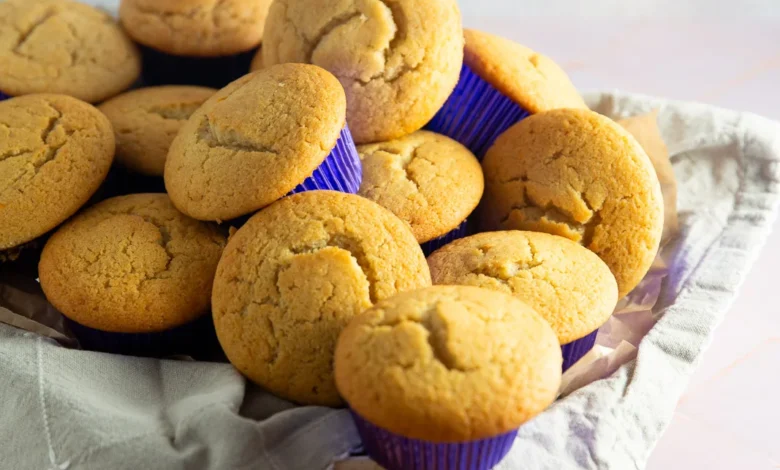
The culinary landscape of Mexican panadería is undergoing a subtle yet significant evolution, driven by home bakers and professional pastry chefs alike who are reimagining traditional comfort foods to accommodate dietary preferences and modern nutritional insights. At the forefront of this movement is a reimagined recipe for mantecadas—the iconic, high-domed, golden-brown sweet bread traditionally wrapped in distinctive red paper liners. Developed by food writer and recipe creator Alejandra Graf of Piloncillo y Vainilla, a new iteration of this beloved pastry successfully replicates the rich flavor, moist crumb, and signature crown of traditional mantecadas entirely without the use of eggs.
This culinary innovation bridges the gap between classic heritage baking and contemporary plant-based flexibility, offering a streamlined technique that relies on everyday kitchen staples like yogurt, citrus zest, and cornstarch. As dietary restrictions and the demand for eggless and vegan baking options continue to rise globally, the successful adaptation of culturally significant baked goods signals a broader trend within home economics and modern gastronomy.

Background Context and Cultural Significance of Mantecadas
To understand the innovation behind an egg-free mantecada, one must first examine the historical and culinary roots of the pastry itself. Etymologically derived from the Spanish word manteca (referring traditionally to lard), mantecadas trace their lineage to the rich, heavy sponge cakes popularized in Spain and subsequently transformed across Latin America, most notably in Mexico.
Historically, Mexican panaderías produced mantecadas using generous quantities of animal fat or butter, eggs, sugar, and flour, creating a dense yet remarkably tender crumb. The high fat content is what separates a true mantecada from a standard American muffin; it prevents the crumb from drying out and guarantees a long shelf life at room temperature. Over the decades, commercial iterations shifted toward vegetable oils and chemical leavening agents, yet the defining characteristics remained constant: a golden-brown, domed top, a soft interior, and a pronounced aroma of citrus and vanilla.
Graf’s recent recipe development addresses a growing demographic of consumers who seek the nostalgic flavors of the traditional Mexican bakery—locally known as a panadería—while adhering to vegetarian, vegan, or allergen-free diets. By methodically substituting structural and moisture-retaining components, the recipe preserves the sensory experience of eating a freshly baked mantecada without relying on animal products.

The Science of Substitution: Why Yogurt Replaces Eggs
In traditional baking, eggs serve multiple functions: they provide structure, moisture, emulsification, and lift. Removing them from a cake recipe often results in a dense, rubbery, or overly crumbly texture. To counteract this, Graf’s formulation utilizes yogurt as a primary functional ingredient.
Yogurt introduces vital moisture and acidity to the batter. When the acidic compounds in the yogurt interact with chemical leavening agents—specifically baking soda—a neutralization reaction occurs, producing carbon dioxide gas. This reaction is the mechanical engine behind the impressive "dome" that defines a classic mantecada, ensuring the batter rises uniformly and develops a light, fine-grained crumb reminiscent of a fine pound cake (panqué).
Furthermore, the choice of yogurt opens a direct pathway to plant-based adaptation. Bakers seeking a strictly vegan version can substitute dairy yogurt with a plant-based alternative, provided the cultured product maintains a comparable acidity level to trigger the necessary leavening reaction. If the substitute yogurt lacks sufficient acidity or live cultures, the chemical reaction fails, resulting in a flat and dense pastry.

Formulation Adjustments: Oil, Cornstarch, and Citrus Zest
Achieving the exact texture of a traditional panadería mantecada required extensive recipe testing, according to early trials that initially yielded an overly crisp crust rather than the desired soft exterior. Through systematic adjustments to the fat-to-flour ratio, Graf finalized a formula centered on three critical pillars: lipid content, starch modification, and aromatic infusion.
- The Role of Fat: Rejecting the urge to reduce the oil content—a common temptation in modern, health-conscious baking—was essential to the recipe’s success. The generous proportion of oil coats the flour proteins, inhibiting excessive gluten development and ensuring the crumb remains exceptionally tender for up to three days at room temperature.
- Cornstarch Integration: Incorporating cornstarch (maicena) alongside all-purpose flour helps weaken the overall protein strength of the flour blend. This technique mimics the delicate texture of commercial cake flours, producing a fine, velvety crumb structure.
- Authentic Citrus Infusion: Rather than relying on artificial extracts, the recipe mandates two full tablespoons of fresh orange zest. Because the volatile oils responsible for authentic citrus flavor reside entirely in the outer colored epidermis of the fruit, careful zesting—avoiding the bitter white pith—infuses the sugar crystals with intense aromatic compounds that dominate the kitchen during the baking process.
Chronology of Development and Modern Kitchen Efficiency
The development timeline for these eggless mantecadas reflects a broader shift toward accessible, low-equipment home baking. Traditional panadería methods often require stand mixers, precision temperature control, and complex multi-stage mixing techniques.
Graf’s iteration was engineered for maximum efficiency, utilizing a single-bowl, whisk-and-spatula method that eliminates the need for electric mixers entirely. Preparation time is clocked at approximately 10 minutes, with a baking duration of 18 minutes at moderate oven temperatures, bringing the total time from pantry to table to under half an hour.

This streamlined approach aligns with contemporary consumer demands for fast, scratch-made baked goods that do not compromise on traditional flavor profiles. The standardized yield of twelve portions makes the recipe ideal for household consumption, family gatherings, or inclusion in traditional morning and evening spreads (merienda).
Broader Economic and Culinary Implications
The rise of modernized traditional recipes like eggless mantecadas carries broader implications for the global baking industry and cultural preservation. As diaspora communities and international food enthusiasts seek authentic regional flavors, recipes that successfully adapt to dietary shifts ensure that culinary traditions remain relevant across generations.
Moreover, the emphasis on plant-friendly modifications reflects a growing sustainability ethos within home cooking. By utilizing readily available dairy or plant-based yogurts, local citrus fruits, and pantry oils, home bakers can bypass specialty ingredients while reducing their reliance on animal agriculture.

Storage, Pairing, and Culinary Context
To maintain optimal texture, the finished mantecadas are best stored in an airtight container or a traditional cake dome at room temperature, where they retain their moisture for up to three days. For long-term preservation, the baked goods can be successfully frozen in standard freezer storage bags without compromising their structural integrity upon reheating.
In keeping with traditional Mexican culinary customs, mantecadas are rarely consumed in isolation. Culinary pairings emphasize contrasting yet complementary warmth, such as café de olla—coffee brewed with piloncillo (unrefined whole cane sugar) and cinnamon—or traditional Mexican hot chocolate prepared without commercial tablets. When incorporated into a larger bread basket alongside other heritage pastries like homemade conchas, eggless mantecadas demonstrate that traditional baking techniques can successfully adapt to modern demands while honoring their cultural origins.